
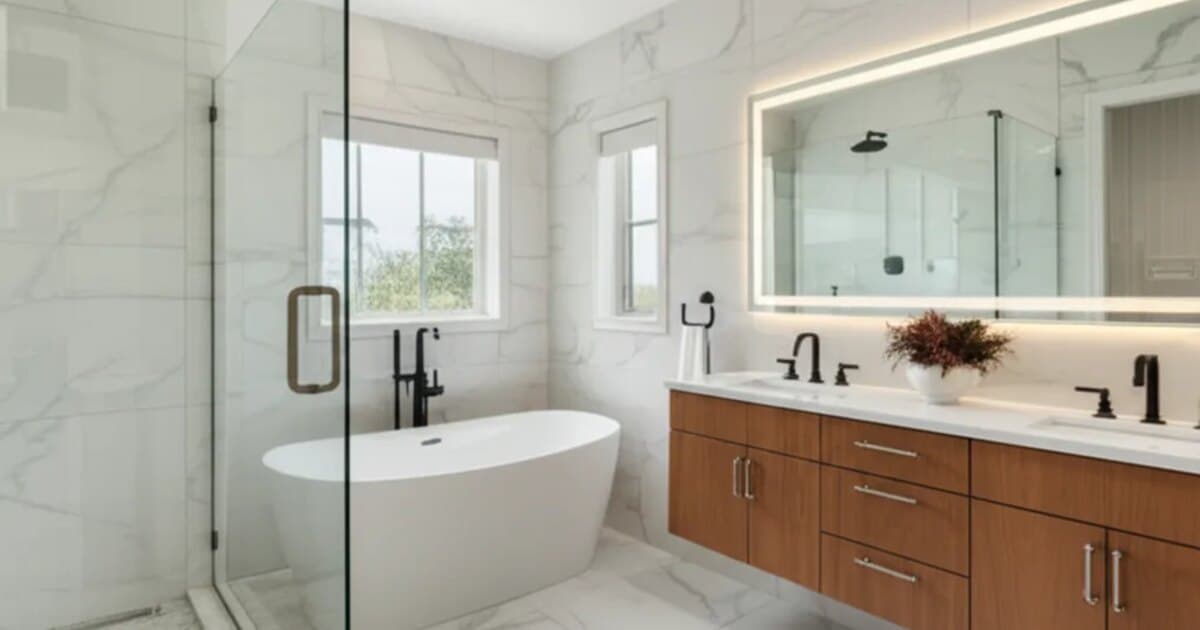
Bathroom Remodeling Design Ideas for Kuna
Get inspired with bathroom remodeling design ideas tailored to Kuna homes, from trending styles to practical layout considerations.
Quick answer
Can I keep my existing layout to save money? Yes. Keeping plumbing fixtures in their current locations avoids the cost of rerouting drain and supply lines. Many homeowners save 15-25% by refreshing finishes, tile, and fixtures without changing the floor plan.
Kuna, ID · Bathroom Remodeling
Planning bathroom remodeling in Kuna?
Read the full guide below — or get your project priced now. Free, no-obligation estimates from an Idaho registered local team, backed by a 1-year workmanship warranty.
- Licensed Idaho RCE-6681702
- 1-Year Workmanship Warranty
- $2M Liability Coverage
- Free, No-Obligation Estimates


Kuna's bathroom remodel market is defined by the intersection of young family demographics, nearly uniform builder-grade starting conditions, and a community culture that is practical rather than aspirational. Kuna homeowners are not remodeling bathrooms to impress guests — they are remodeling to make their daily lives work better. Secondary bathroom upgrades that serve multiple kids, storage solutions for families managing daily bath routines for four or five people, and master bath conversions that turn an unused soaking tub into a genuinely daily-use luxury shower are the dominant project types. This practical priority means Kuna homeowners want straight answers and durable material specifications — they want to know that the tile will hold up, that the grout won't stain, and that they are not paying for something that will need redoing. Kuna's fast-growing, younger market is also more likely to be researching projects on social media and arriving with Pinterest boards and Instagram references — which means design conversations start from a more visually informed place than in older demographic markets.
Crimson Point, Raven Ridge, and Post-2010 Subdivisions
These newer Kuna neighborhoods represent the core of the bathroom remodel opportunity. Homes here are 8–15 years old — new enough that major systems are sound but old enough that builder finishes have had time to feel dated and show wear. The most common request from homeowners in these neighborhoods is the master bath soaking tub to walk-in shower conversion, followed closely by secondary bathroom refreshes for growing families. These homes typically have excellent subfloor conditions for heated tile installation, making in-floor heat a realistic upgrade at reasonable cost.
Downtown Kuna and Established Neighborhoods
Original Kuna residential neighborhoods from the 1960s through 1990s present different bathroom remodel conditions. Plumbing in these homes may use galvanized or copper supply lines that have accumulated scale and reduced flow — a bathroom remodel is an opportune time to replace supply lines to ensure adequate water pressure for modern shower systems. Cast iron drain lines common in this era are durable but occasionally have scale buildup that slows drainage; a camera inspection before tiling is worthwhile. These older Kuna homes often have smaller bathroom footprints that benefit from space-maximizing design strategies: wall-mounted toilets, pedestal or floating vanities, and vertically oriented tile patterns that make the space read as larger.
Kuna Mora Corridor and Acreage Properties
Custom and semi-custom homes along Kuna Mora Road and the rural edge of Kuna's development often have larger master bathrooms to begin with, shifting the remodel focus from space creation to finish quality and fixture upgrades. Heated floors and towel warmers are particularly popular in these properties, where rural winter mornings can be noticeably colder than in denser suburban settings. Well water is more common in this corridor and should be tested for hardness and iron content before installing new plumbing fixtures — high iron can stain tile grout and damage faucet aerators over time, and a water softener or filtration system installed during the remodel is a worthwhile consideration.

The design phase is where your bathroom remodeling goes from a general idea to a specific plan. Good design balances aesthetics, functionality, budget, and the unique characteristics of your home and neighborhood in Kuna. Here are the most popular design approaches and trends we see in Kuna and the surrounding Treasure Valley.
Kuna homeowners tend to favor designs that blend modern functionality with the regional character of Idaho homes. Here are the most requested design elements:
These design factors are specific to bathroom remodeling projects and affect both the look and function of the finished space:
Tile layout planning — setting a centerline, planning cut tiles, and choosing grout width and color can dramatically change the final look
Niche placement — shower niches should be positioned at a usable height and sized to fit standard bottles; recessed niches need proper waterproofing
Lighting layers — combine overhead recessed lighting with vanity sconces for even, shadow-free illumination; consider a dimmable option for nighttime use
Ventilation sizing — the exhaust fan should be rated for the room's cubic footage; undersized fans are the number one cause of bathroom moisture problems
Storage planning — recessed medicine cabinets, vanity drawer organizers, and built-in niches reduce countertop clutter and improve daily function
Color and finish coordination — select faucet, showerhead, towel bar, and hardware finishes early and keep them consistent throughout the room
The materials and finishes you choose bring your design to life. Here are the options most commonly selected for bathroom remodeling projects in Kuna:
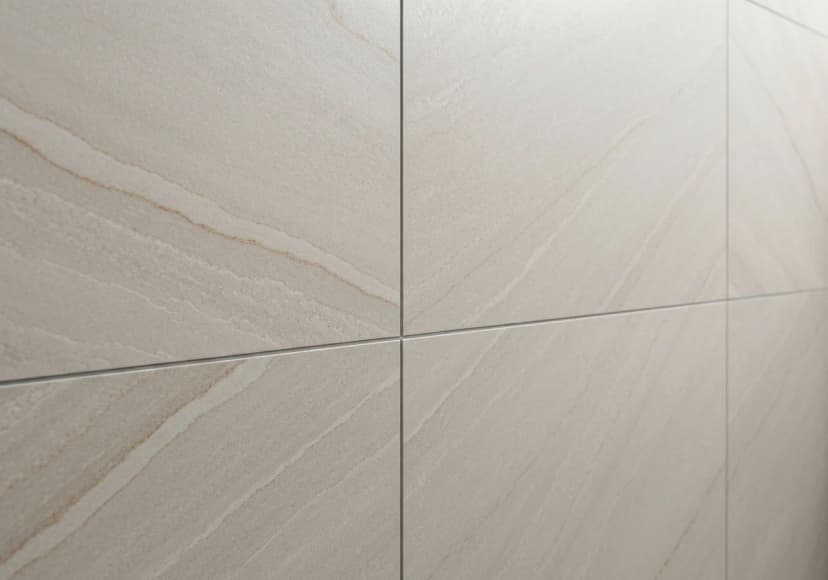
Porcelain Tile
$8–$25 per sq ft installedShower walls, floors, accent features, and niches

Ceramic Tile
$5–$15 per sq ft installedBudget-conscious floor and wall applications
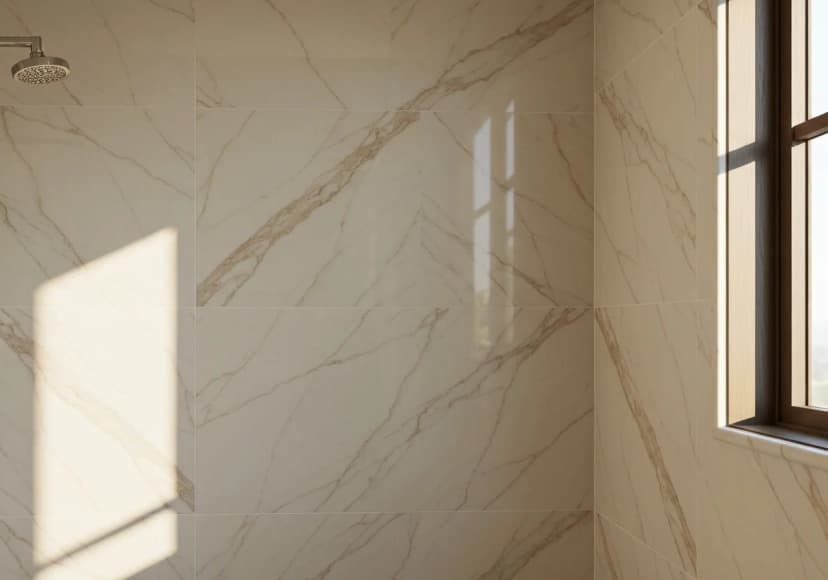
Natural Stone (Marble, Travertine, Slate)
$15–$50+ per sq ft installedFeature walls, shower surrounds, vanity tops, and floor accents
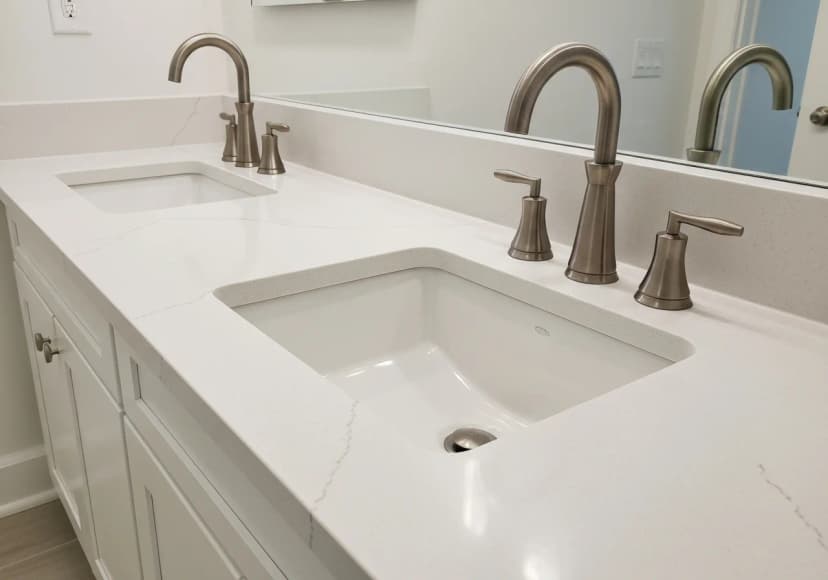
Quartz Vanity Countertop
$50–$120 per sq ft fabricated and installedVanity countertops, shelving surfaces
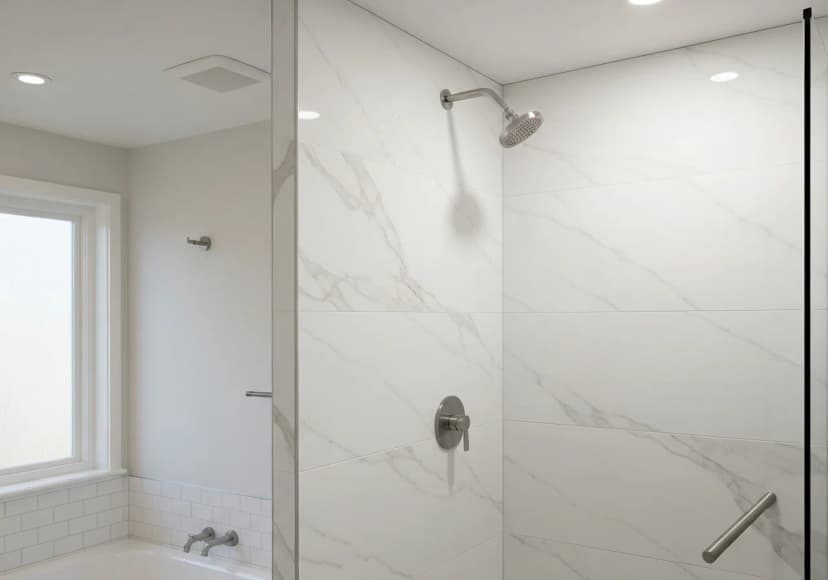
Acrylic or Solid Surface Shower Panels
$3,000–$7,000 per shower installedLow-maintenance showers, accessible bathrooms, budget-friendly updates
Learning from others' mistakes saves time and money. Here are the most common bathroom remodeling design pitfalls we see in Kuna:
Outdated layout with wasted space and poor flow
We redesign the layout to maximize usable floor space, improve traffic flow, and create logical zones for the shower, vanity, and toilet areas.
Failing tile and grout with water damage behind walls
We demolish to studs, inspect and repair any water-damaged framing or subfloor, install proper waterproofing, and rebuild with modern materials.
Inadequate ventilation causing mold and moisture issues
We install a properly sized exhaust fan ducted to the exterior, with a timer or humidity-sensing switch, to control moisture and prevent mold growth.
Small or dark bathroom that feels cramped
Strategic lighting placement, lighter tile and paint colors, glass shower enclosures instead of curtains, and large-format tile with minimal grout lines all help a small bathroom feel larger.
Accessibility challenges for aging family members
We design barrier-free shower entries, install grab bars with proper blocking, add bench seating, use anti-slip flooring, and ensure doorways accommodate mobility aids.
For bathroom remodeling projects in Kuna, you have two main approaches to the design process: hiring a separate interior designer then a contractor, or working with a design-build firm that handles both under one roof.
Design-build (our approach)
- ✓ Single point of contact
- ✓ Design informed by real construction costs
- ✓ Faster project delivery
- ✓ Budget aligned from day one
Separate designer + contractor
- ● More specialized design expertise
- ● Independent design perspective
- ● Requires coordination between parties
- ● Can result in budget surprises
Local factors — Kuna's housing stock and typical construction eras, the climate conditions that drive material and scheduling choices, and permitting through City of Kuna Building Department — are covered in full on our Kuna page for this service, alongside 5 common project types.
Bathroom Remodeling in Kuna: housing stock, climate & permits →Can I keep my existing layout to save money?
Yes. Keeping plumbing fixtures in their current locations avoids the cost of rerouting drain and supply lines. Many homeowners save 15-25% by refreshing finishes, tile, and fixtures without changing the floor plan.
Planning bathroom remodeling in Kuna?
Get expert guidance and a free estimate for your bathroom remodeling project in Kuna, ID.
Get Your Free Estimate