
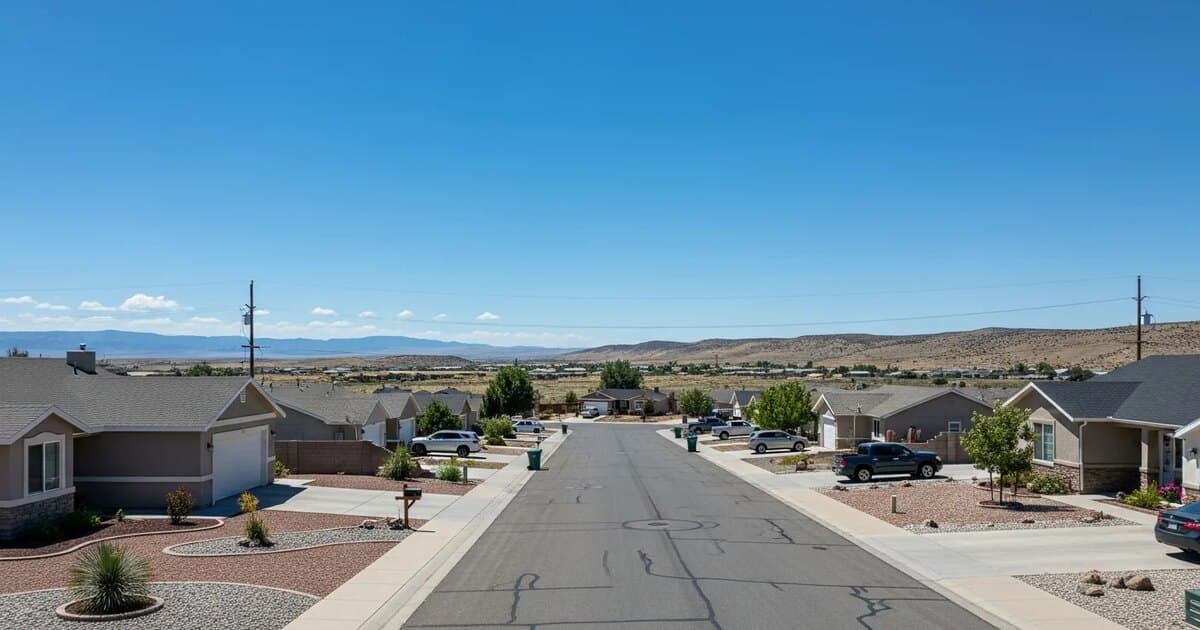
Home Remodeling in Mountain Home, Idaho
Mountain Home and Elmore County homeowners have full access to Iron Crest Remodel's remodeling services. We serve Mountain Home Air Force Base families and the surrounding community.
Mountain Home Quick Facts
- County
- Elmore County
- Population
- 16,000+
- Distance
- 45 miles from Boise

Mountain Home's housing market is shaped by its proximity to Mountain Home Air Force Base. The housing stock includes a mix of 1960s–1980s ranch homes near the base, established residential neighborhoods downtown, and newer construction on the south and east sides of the city. Military families on PCS orders often need fast-turnaround renovations — bathroom updates, kitchen refreshes, flooring, and interior painting — to prepare homes for sale or to personalize a new purchase. Mountain Home's dry, high-desert climate creates specific exterior considerations: UV exposure fades paint faster, and temperature swings stress siding and window seals. We schedule Mountain Home projects with efficient crew mobilization to manage the 45-mile distance from our Boise headquarters.
Walk-In Shower Pan Rebuild in Mountain Home
A Mountain Home homeowner came to Iron Crest with a half-finished walk-in shower whose pan had not been built correctly by an earlier contractor. We removed the pan, drain and curb, rebuilt all three with new waterproofing, trimmed the existing wall panels and added 6-inch tile bands at the base and top, and finished the floor in pebble tile — keeping the wall panels that were still sound.
Mountain Home
View the case study- Elmore County handles building permits for Mountain Home and surrounding areas
- Permit requirements and fees differ from Ada and Canyon counties
- Military housing on-base follows federal building standards, not local code
- Off-base residential work follows standard Elmore County permit processes
Kitchen Remodel Cost Guide
Detailed cost breakdowns for Boise-area kitchen remodels
Kitchen Remodel Timeline
Week-by-week kitchen renovation timeline
Bathroom Remodel Cost Guide
Bathroom renovation pricing for the Treasure Valley
Bathroom Remodel Timeline
How long bathroom remodels take, phase by phase
Quartz vs Granite vs Porcelain
Side-by-side countertop material comparison
Living at Home During Remodel
Tips for staying comfortable during renovation
Kitchen Layout Planning Guide
Optimize your kitchen layout for function and flow
Bathroom Tile & Waterproofing
Tile systems and waterproofing for Idaho bathrooms
Mountain Home is the seat of Elmore County and home to Mountain Home Air Force Base, one of the largest military installations in the Pacific Northwest. The city's housing stock reflects three distinct zones, each with its own remodeling patterns, construction eras, and homeowner priorities. Understanding these differences allows us to scope projects accurately and recommend materials that perform well in Mountain Home's high-desert climate.

Downtown Mountain Home
The historic core along Main Street and the surrounding residential blocks feature homes built from the 1940s through the 1970s—many originally constructed to support the growing Air Force presence. These older homes often have galvanized plumbing, outdated electrical panels, and single-pane windows that struggle against Mountain Home's hot summers and cold winters. Practical renovations dominate here: kitchen updates that maximize limited square footage, bathroom modernizations that replace cast-iron drain lines, and energy-efficiency upgrades like blown-in insulation and vinyl window replacements.
Downtown homeowners tend to prioritize function and durability over luxury finishes, making mid-range materials like laminate countertops, LVP flooring, and fiberglass tub-shower combos the most popular selections in this area.

Base Housing Area
The neighborhoods surrounding Mountain Home Air Force Base are home to a transient population of military families, many of whom rent rather than own. Property investors in this area focus on turnover-ready remodels that can be completed quickly between tenants—typically within two to three weeks. Common projects include full interior repaints, LVP flooring installation throughout, bathroom fixture replacements, and kitchen cabinet refacing or replacement with durable, easy-to-clean options.
For property owners managing multiple rental units near the base, we offer streamlined project packages that standardize material selections across units, reducing per-unit costs and simplifying future maintenance and repairs.

Rural Mountain Home
Outside the city center, rural properties on acreage define the broader Mountain Home landscape. These ranch homes and agricultural properties feature larger footprints, detached shops and outbuildings, and well-and-septic systems rather than city utilities. Remodeling projects on rural properties tend to be larger in scope—whole-home renovations, mudroom and boot-room additions, expanded laundry areas, and kitchen overhauls designed to accommodate large families.
Structural considerations on rural properties include verifying well capacity before adding bathrooms, confirming septic system sizing for additional fixtures, and working around metal-frame construction common in agricultural homes. Our team coordinates with local well drillers and septic engineers to ensure every permit requirement is met before work begins.

South Mountain Home
The south side of Mountain Home has seen the most residential development in the past two decades, with newer subdivisions attracting both military families looking for off-base housing and civilian workers commuting to Boise. These homes—built from the 2000s onward—are structurally sound but often finished with builder-grade materials that homeowners want to upgrade. Kitchen countertop swaps, custom tile showers, and upgraded flooring are the most common projects in this area.
South Mountain Home's newer construction means fewer surprises behind the walls, making renovations faster and more predictable. Many homeowners in this area also invest in exterior improvements—durable siding and energy-efficient windows that stand up to the high-desert climate's extreme temperature swings and wind-driven dust.
Remodeling costs in Mountain Home are generally lower than in the Boise metro area, reflecting the local cost of living and reduced permitting complexity through Elmore County. The ranges below reflect typical Mountain Home-area pricing and account for mid-range to quality finishes.
| Project Type | Typical Cost Range | Average Timeline |
|---|---|---|
| Kitchen Remodel | $16,000 – $42,000 | 8 – 12 weeks |
| Bathroom Remodel | $7,000 – $20,000 | 3 – 5 weeks |
| Flooring | $3,000 – $9,000 | 1 – 2 weeks |
| Interior Painting | $2,000 – $5,000 | 2 – 5 days |
| Siding Installation | $8,500 – $24,000 | 2 – 4 weeks |
| Exterior Painting | $2,200 – $5,500 | 3 – 5 days |
* Ranges reflect mid-range to quality finishes for Mountain Home–area projects. Actual costs depend on scope, materials, and site conditions. Contact us for a detailed, project-specific estimate.
Mountain Home Air Force Base is the single largest economic driver in Elmore County, and the steady rotation of military personnel creates a remodeling market unlike anywhere else in the Treasure Valley. Every PCS (Permanent Change of Station) cycle—typically every two to three years—generates a wave of renovation activity. Departing families need homes updated to maximize resale value or rental appeal, while incoming families often purchase homes that need immediate cosmetic or functional upgrades to feel like their own. This turnover cycle means Mountain Home's remodeling demand is consistent and predictable, even when the broader housing market slows.
Mountain Home's high-desert climate also shapes material choices in ways that contractors unfamiliar with the area often overlook. Summer temperatures regularly exceed 100 degrees, winter lows drop below zero, and wind-driven dust is a constant. These conditions punish exterior materials that perform well in milder climates—wood siding warps and cracks, standard paint fades in two to three years, and single-pane windows drive heating and cooling costs through the roof. Iron Crest specifies materials proven in high-desert environments: fiber cement siding rated for extreme UV exposure, low-E vinyl windows that cut energy costs by 25–35%, and elastomeric exterior coatings that flex with Mountain Home's dramatic temperature swings rather than cracking.
For homeowners and investors who understand the Mountain Home market, the math is compelling. Median home prices sit well below Boise and Meridian, which means renovation dollars have proportionally greater impact on property value. A $15,000 kitchen remodel in a $220,000 Mountain Home property can recoup 80–90% at resale, and a well-maintained rental near the base commands strong rents relative to purchase price. Iron Crest helps Mountain Home property owners make smart material and scope decisions that maximize both daily livability and long-term financial return.
Mountain Home Air Force Base is the economic engine of Elmore County, and the steady rotation of military families through the area drives significant rental demand. Property investors who own single-family rentals and small multi-unit buildings near the base rely on fast, cost-effective remodeling to keep units competitive and maximize rental income between tenant turnovers.
Quick-Turnaround Tenant-Ready Remodels
When a tenant moves out, every vacant day costs money. We offer compressed-timeline renovation packages designed specifically for rental properties—full interior repaint, flooring replacement, fixture updates, and appliance installation completed in as few as 10–14 business days. Work moves efficiently because we pre-order standardized material packages, eliminating lead-time delays that stall typical remodeling projects.
Durable, Low-Maintenance Material Selections
Rental properties demand materials that withstand heavy use and require minimal upkeep between tenants. We recommend luxury vinyl plank (LVP) over hardwood for its scratch resistance and waterproof performance. Quartz countertops outperform marble in rental settings—no sealing, no staining, and virtually zero maintenance. Semi-gloss paint on walls and trim resists scuffing and cleans easily, reducing touch-up costs at turnover. These selections balance professional appearance with the longevity rental investors need.
Multi-Property Portfolio Programs
For investors managing multiple rental units in the Mountain Home area, we provide volume pricing and coordinated scheduling. By standardizing finishes across your portfolio—same flooring, same paint colors, same cabinet hardware—we streamline procurement, reduce waste, and simplify future maintenance. Our team can rotate through multiple units in sequence, keeping your properties occupied and generating income with minimal downtime.
Mountain Home is a close-knit community where word-of-mouth matters. We earn that trust through reliable work, transparent pricing, and a genuine understanding of the local housing market—including the unique needs of military families stationed at the base.
Explore our in-depth guides covering costs, timelines, and planning tips for Mountain Home homeowners and property investors preparing for a remodeling project.
Kitchen Remodeling Cost in Mountain Home
Local pricing data, material options, and budget strategies for Mountain Home kitchen projects.
Read GuideBathroom Remodeling Cost in Mountain Home
What Mountain Home homeowners actually pay for bathroom remodels, from basic refreshes to full gut renovations.
Read GuideKitchen Remodeling Timeline in Mountain Home
Week-by-week breakdown of a typical Mountain Home kitchen remodel, from demo through final walkthrough.
Read Guide
Bathroom Remodeling Materials in Mountain Home
Compare tile, vanity, fixture, and countertop options with Mountain Home-specific pricing and availability.
Read GuideIron Crest Remodel offers a full range of remodeling services in Mountain Home, ID. Explore each service to learn about pricing, timelines, and our process for Mountain Home homeowners.
Interior Remodeling
Exterior Remodeling
Other Service Areas
The work we do near Mountain Home
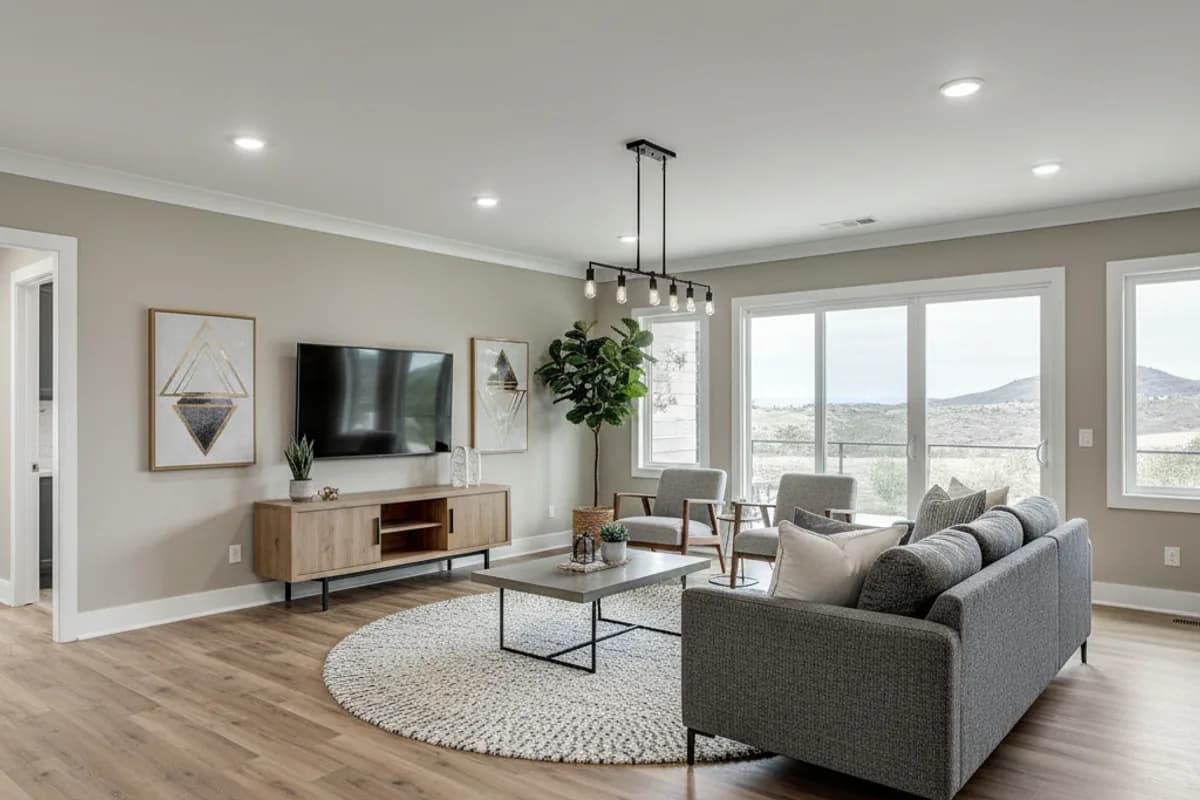
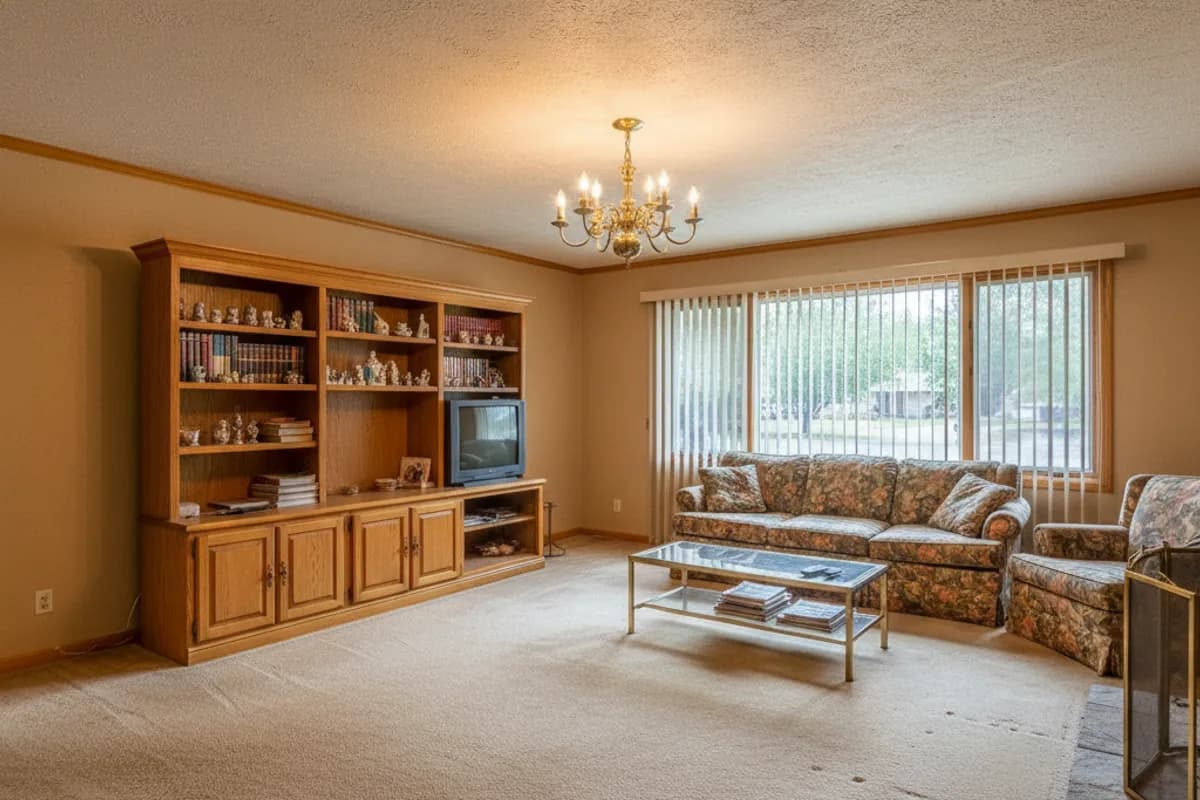
Drag the slider to compare a completed whole-home remodeling project in Southeast Boise — the same work we bring to Mountain Home homes.
Before
After
This Southeast Boise whole-home remodeling project is one example of the work we bring to Mountain Home-area homes. See the full case study or browse all our Treasure Valley projects.

Talk to a real project manager
Have Questions? Call Now for a Free In-Home Consultation.
Mon–Fri 7 AM–6 PM · Idaho registered & insured · No obligation
Russ S. — Project Manager
Russ S. — Project Manager
What remodeling services does Iron Crest Remodel offer in Mountain Home?
Iron Crest Remodel provides kitchen remodeling, bathroom remodeling, whole-home renovations, interior and exterior painting, flooring installation, deck building, siding installation, window replacement, and ADU construction for Mountain Home homeowners.
How much does a home remodel cost in Mountain Home, Idaho?
Remodeling costs in Mountain Home vary by project scope. Bathroom remodels $10,000 – $72,000, kitchen remodels $16,000 – $120,000, whole-home renovations $90,000 – $700,000+. Contact us for a free, detailed estimate for your specific project.
Do I need a permit for remodeling in Mountain Home?
Most structural, electrical, and plumbing work in Mountain Home requires permits from the local building department. Iron Crest Remodel handles all permit applications and inspections as part of our full-service process, so you do not need to manage permits yourself.
How long does a typical remodeling project take in Mountain Home?
Project timelines depend on scope and complexity. From signed contract to final walkthrough, a bathroom remodel typically takes 3 to 6 weeks, a kitchen remodel 6 to 12 weeks (1 to 2 weeks of that is on-site construction, which starts once cabinets and appliances are confirmed), and a whole-home renovation 3 to 6 months. We provide a detailed timeline during your free consultation.
Is Iron Crest Remodel registered and insured in Idaho?
Yes. Iron Crest Remodel holds Idaho contractor registration RCE-6681702 and is fully insured to perform residential remodeling work throughout the Boise metropolitan area, including Mountain Home. We carry $2M general liability insurance and workers compensation coverage on every project.
Mountain Home Air Force Base—home to the 366th Fighter Wing and roughly 3,500 active-duty personnel—is the single largest economic driver in Elmore County. The base's presence shapes the local housing market in ways that distinguish Mountain Home from every other community in the Treasure Valley. Understanding those dynamics is essential for any contractor working in this area, and it's the reason we tailor our services specifically to military families, property investors, and landlords who depend on the base economy.
BAH Renters & Off-Base Housing Demand
A significant percentage of airmen and NCOs at MHAFB receive Basic Allowance for Housing (BAH) and choose to live off-base in Mountain Home rather than in on-base dormitories or family housing. Current BAH rates for the Mountain Home zip code make single-family rentals in the $1,200–$1,600 per month range highly attractive to military tenants. For property owners, this creates a reliable and predictable rental market—but only if units are maintained to a standard that competes with on-base options. Properties with updated kitchens, modern bathrooms, durable flooring, and energy-efficient windows lease faster and command premium rents within the BAH range.
Iron Crest works with dozens of Mountain Home landlords to keep their rental units competitive. Our rental renovation packages focus on high-impact, low-maintenance upgrades: LVP flooring throughout, quartz or solid-surface countertops, updated lighting fixtures, and semi-gloss paint that wipes clean between tenants. These aren't luxury finishes—they're durable, tenant-proof materials that protect your investment and reduce turnover costs.
PCS Move Cycles & Quick-Turnaround Renovations
The Permanent Change of Station (PCS) cycle—typically every two to three years for most Air Force personnel—creates predictable waves of remodeling activity in Mountain Home. The peak PCS season runs from May through September, when incoming families need homes updated quickly and outgoing families want to maximize resale value or prepare rentals for new tenants. During this window, speed matters as much as quality: a family arriving at MHAFB in June needs their kitchen functional and their bathrooms finished before the school year starts in August.
We plan our Mountain Home project schedule around PCS cycles. By pre-ordering standardized material packages and maintaining a dedicated crew for the Mountain Home area, we can deliver complete interior renovations—paint, flooring, kitchen, and bath—in as few as two to three weeks. For military homeowners preparing to sell, we also offer targeted pre-listing renovation packages that focus on the upgrades most likely to increase appraisal value: kitchen countertops, bathroom tile, and exterior curb appeal.
Base Housing vs. Off-Base Improvements
Military families stationed at MHAFB face a fundamental choice: live in privatized on-base housing managed by a military housing partner, or rent or purchase a home in Mountain Home proper. On-base housing is maintained by the management company, so personal renovations are not permitted. Off-base, however, homeowners and landlords have full control over their properties—and that's where Iron Crest comes in. Military families who purchase homes off-base often want immediate upgrades to make the home feel like theirs, especially when they know they have a two- to three-year window to enjoy the improvements before their next PCS move.
The most common requests from military homeowners are cosmetic but impactful: kitchen cabinet repainting or replacement, bathroom vanity and tile upgrades, whole-house flooring, and interior paint in colors that feel personal rather than builder-beige. Because these families know they'll eventually sell or rent the property, we help them choose finishes that satisfy personal taste while maintaining broad resale appeal—a balance that requires local market knowledge specific to Mountain Home.
Property Management & Rental-Grade Renovation
Many military families who PCS out of Mountain Home choose to retain their homes as rental properties rather than sell, building a real estate portfolio across their military career. These absentee landlords rely on local property managers—and contractors like Iron Crest—to maintain and upgrade their units from a distance. We work directly with several Mountain Home property management companies to provide coordinated renovation services: a property manager notifies us of an upcoming vacancy, we perform a scope walk within 48 hours, deliver a fixed-price quote within the week, and have the unit tenant-ready before the next lease cycle begins.
For multi-property investors, we offer portfolio pricing that reduces per-unit renovation costs. Standardizing material selections across your Mountain Home rental portfolio—same flooring color, same countertop material, same paint palette—streamlines procurement, eliminates material waste, and simplifies future maintenance requests. Our goal is to help you maximize rental yield while minimizing vacancy days and capital expenditure per unit.
Mountain Home's housing stock varies significantly by neighborhood, construction era, and proximity to the base. Each area presents distinct remodeling opportunities and challenges. Here's what we see across Mountain Home's primary residential zones—and how we approach projects in each one.
Base Housing Area / Legacy Gate
The neighborhoods immediately surrounding Mountain Home Air Force Base—including the Legacy Gate area and the subdivisions along Airbase Road and Sunset Strip—represent the densest concentration of rental properties in Mountain Home. These homes were built primarily between the 1970s and early 2000s, with the majority being single-story ranch-style construction on slab foundations. Original features typically include laminate countertops, vinyl sheet flooring, fiberglass tub-shower units, and basic builder-grade cabinetry.
Kitchen and bathroom updates are the most common projects in this zone. Landlords replacing worn laminate with quartz countertops, swapping vinyl flooring for LVP, and installing new vanities and toilets can expect to recover their investment through increased rent within 12–18 months. For owner-occupied homes in this area, we frequently handle open-concept kitchen conversions that remove the pass-through wall between the kitchen and living room—a modification that transforms the feel of these compact floor plans without requiring a full addition.
Structural considerations near the base include older aluminum wiring in some 1970s-era homes (requiring evaluation before any electrical work), galvanized water supply lines that restrict flow and should be replaced with PEX during any bathroom or kitchen renovation, and single-pane aluminum windows that are a primary source of energy loss. We recommend addressing these infrastructure items during a renovation rather than treating them as separate projects—it's far more cost-effective to replace plumbing and windows while the walls are already open.

Downtown Mountain Home
Downtown Mountain Home is laid out on a historic grid anchored by Main Street (US-20) and the surrounding residential blocks between 1st Street and 6th Street. This is where you'll find Mountain Home's oldest housing stock: pre-1960 homes with character features like hardwood floors, plaster walls, built-in cabinetry, and covered front porches. Many of these homes were built to house early base workers and their families during the airfield's World War II and Cold War expansion years.
Remodeling downtown properties requires a balance between preserving architectural character and bringing systems up to modern standards. Common projects include full kitchen gut-and-rebuilds that open up compartmentalized layouts, bathroom additions (many original downtown homes have only one full bath), and electrical panel upgrades from 100-amp to 200-amp service to support modern appliance loads. Foundation work is also more common downtown—older homes on crawlspaces may show settling, pier degradation, or moisture intrusion that needs to be addressed before interior work begins.
An emerging trend in downtown Mountain Home is commercial-to-residential conversion. Several Main Street storefronts have been converted—or are in the process of being converted—into loft-style apartments and live-work units. These projects involve significant structural, plumbing, and electrical work, but the finished units command strong rents and contribute to downtown revitalization. Iron Crest has experience with mixed-use conversion projects and can navigate the Elmore County code requirements specific to change-of-occupancy permits.
North Mountain Home
North Mountain Home encompasses the newer subdivisions built from approximately 2005 onward, located north of I-84 and along American Legion Boulevard. These developments attracted families seeking affordable new construction during the mid-2000s housing boom, and many were purchased by military families stationed at MHAFB. Construction quality is generally solid—stick-frame on slab, modern electrical and plumbing systems, and two-car garages—but finishes are universally builder-grade: basic laminate countertops, hollow-core doors, entry-level carpet, and flat-panel stock cabinetry.
The remodeling pattern in North Mountain Home is predictable and cost-effective. Homeowners in this area most commonly request kitchen countertop upgrades (laminate to quartz), flooring replacement (carpet to LVP throughout the main living areas), master bathroom tile upgrades, and cabinet hardware or refacing. These are not gut renovations—they're targeted, high-impact upgrades that can be completed in one to two weeks and transform the look of a builder-grade home without the cost and disruption of a full remodel.
Family-oriented layout modifications are also popular in this area: converting formal dining rooms into home offices, adding mudroom storage near the garage entry, and finishing bonus rooms above garages into playrooms or media spaces. These modifications reflect how families actually use their homes versus how builders designed them, and they add both function and resale value.
Rural Elmore County / Acreage Properties
Beyond Mountain Home's city limits, rural Elmore County is defined by larger-lot properties—typically one to forty acres—with custom-built or manufactured homes, detached shop buildings, and agricultural outbuildings. These properties operate on private well water and septic systems rather than city utilities, which introduces additional permitting and engineering considerations for any remodeling project that adds plumbing fixtures or living space.
Common projects on rural acreage properties include whole-home renovations of older farmhouses, kitchen overhauls designed for large families, master suite additions, mudroom and boot-room builds, and shop-to-living-space conversions. We also see growing demand for Accessory Dwelling Units (ADUs) on rural properties—detached guest houses, in-law suites, or rental casitas that provide multi-generational living options or supplemental rental income. Elmore County's zoning regulations for ADUs on rural-zoned land are generally more permissive than city zoning, making these projects feasible on most parcels.
Before starting any rural remodeling project that adds bathrooms, kitchens, or additional bedrooms, we coordinate with local septic engineers to confirm that the existing septic system can handle the increased load. If the system needs to be upgraded or expanded, we factor that work into the overall project scope and timeline. Similarly, well capacity must be verified before adding fixtures—a standard flow test confirms whether the well can support the additional demand. Iron Crest manages these evaluations as part of our pre-construction process, so rural homeowners don't have to coordinate between multiple contractors and engineers independently.
Mountain Home sits at approximately 3,100 feet elevation in Idaho's high desert, roughly 45 minutes southeast of Boise along I-84. The climate here is more extreme than anything in the Treasure Valley proper—hotter summers, colder winters, lower humidity, more intense UV radiation, and persistent wind. These conditions directly affect material selection, construction methods, and long-term maintenance for every remodeling project we undertake in the Mountain Home area.
Temperature Extremes: −10°F to 105°F
Mountain Home experiences a temperature range of over 115 degrees between winter lows and summer highs. Winter temperatures routinely drop below zero, while summer afternoons regularly exceed 100°F. This extreme thermal cycling causes materials to expand and contract repeatedly over the course of a year—a stress that accelerates failure in products not designed for it. Caulk cracks. Rigid siding warps. Paint loses adhesion. Window seals break down. Every material we specify for Mountain Home projects is rated for extreme thermal cycling: elastomeric caulks that flex with temperature changes, fiber cement siding with factory-applied finishes rated for UV and thermal stress, and vinyl windows with fusion-welded frames that maintain their seal through thousands of expansion-contraction cycles.
Low Humidity & Intense UV Exposure
Winter humidity in Mountain Home regularly drops to 10–15%, and even summer humidity rarely exceeds 20–25%. Combined with intense high-desert UV radiation at 3,100 feet, this creates an exceptionally harsh environment for exterior finishes. Standard latex exterior paint that lasts 8–10 years in Boise may begin chalking and fading after just 3–4 years in Mountain Home. We specify 100% acrylic or elastomeric exterior coatings for Mountain Home projects—these products resist UV degradation, maintain flexibility in low humidity, and provide a vapor-permeable barrier that prevents moisture damage during the rare but intense summer thunderstorms. For interior projects, low humidity means hardwood flooring requires careful acclimation and humidity management to prevent gapping and cracking. We generally recommend LVP or engineered hardwood for Mountain Home homes because these products are dimensionally stable in low-humidity environments.
High Winds & Dust
Mountain Home is notoriously windy. The city sits in a gap between the Boise Foothills and the Snake River Plain, creating a natural wind corridor that funnels prevailing westerly winds through the area. Sustained winds of 20–30 mph are common, with gusts exceeding 50 mph during spring storms. Wind-driven dust and fine sand abrade exterior surfaces, infiltrate poorly sealed windows and doors, and create maintenance challenges that homeowners in more sheltered areas never face. We address wind exposure in every Mountain Home project: high-wind-rated siding fastening patterns, impact-resistant window options, triple-seal weatherstripping on exterior doors, and dust-resistant ventilation solutions for bathrooms and kitchens.
Window Efficiency & Energy Performance
Given Mountain Home's temperature extremes, window performance is arguably the single most impactful upgrade a homeowner can make. Many older Mountain Home homes still have single-pane aluminum-frame windows that offer virtually no insulation. Replacing these with dual-pane, low-E, argon-filled vinyl windows typically reduces heating and cooling costs by 25–35%—a savings that's especially significant when temperatures sit below zero in January and above 100 in July. For south- and west-facing windows that receive direct afternoon sun in summer, we recommend spectrally selective low-E coatings that block solar heat gain while still admitting visible light. This keeps homes cooler in summer without making rooms feel dark.
Siding Selection
Mountain Home's combination of extreme UV, thermal cycling, and high winds demands siding materials that exceed minimum code requirements. Iron Crest does not offer roofing; if your roof is also due, we coordinate siding and trim work around your roofing contractor's schedule so flashing and drip-edge details are handled in the right order. For siding, fiber cement (such as James Hardie) is our default recommendation for Mountain Home—it doesn't warp, crack, or fade under UV like wood or vinyl alternatives, and its fire resistance is a meaningful advantage in the high-desert wildfire environment.
Landscaping & Hardscaping Integration
Exterior remodeling projects in Mountain Home should account for the high-desert landscaping reality: water is scarce and expensive, traditional turf lawns struggle, and xeriscaping with native plants and hardscape features is both practical and attractive. When we plan exterior renovations—siding, windows, decks, patios—we consider how the finished product integrates with low-water landscaping. Concrete and paver patios, gravel paths, and composite deck materials complement the desert aesthetic while eliminating the maintenance burden of wood and lawn. For shade structures, metal pergolas and aluminum patio covers outperform wood in Mountain Home's UV-intensive, low-humidity climate.
Mountain Home is in Elmore County—not Ada County or Canyon County. The permitting process, fees, inspection requirements, and code enforcement are handled by the Elmore County Building Department, which operates differently from the larger Treasure Valley jurisdictions. As a contractor who regularly pulls permits in Elmore County, we know the process inside and out and handle it entirely on your behalf.
When Do You Need a Permit?
In Elmore County, building permits are required for any work that involves structural changes, new electrical circuits, plumbing modifications, or changes to the building envelope (walls, roof, windows, doors). This includes kitchen remodels that move plumbing or electrical, bathroom additions, window replacements that change rough opening sizes, siding installation, deck construction, and any addition or ADU build. Cosmetic work that doesn't alter structure, plumbing, or electrical—such as painting, flooring installation, countertop replacement, and cabinet refacing—generally does not require a permit.
One advantage of working in Elmore County versus Ada County is generally shorter permit review timelines. The county building department handles a lower volume of applications, which often means faster turnaround on plan reviews and more flexible inspection scheduling. Iron Crest manages the entire permitting process for every Mountain Home project—application preparation, plan submission, fee payment, inspection coordination, and final certificate of occupancy.
Rural Property Considerations
Properties outside Mountain Home city limits fall under Elmore County's rural zoning and building codes, which introduce additional requirements not found in city projects. Septic system permits are required for any project that adds plumbing fixtures or increases wastewater load—this includes bathroom additions, ADU builds, and kitchen expansions that add a dishwasher or additional sink. The county requires a septic evaluation by a licensed engineer to confirm that the existing system can handle the increased capacity, or to design an expanded or replacement system if it cannot.
Well water systems also require evaluation for projects that increase water demand. A standard well flow test confirms whether the existing well can support additional fixtures. For properties on shared wells or community water systems, water rights and capacity documentation may be required as part of the permit application. Iron Crest coordinates with local septic engineers and well testers as part of our pre-construction scope on every rural Mountain Home project, ensuring these evaluations are completed before we submit permit applications.
ADU & Accessory Structure Permits
Accessory Dwelling Units and detached accessory structures (guest houses, in-law suites, shop-to-living-space conversions) require full building permits in Elmore County, including separate electrical, plumbing, and mechanical permits. For rural properties, ADU permits also require septic and well capacity verification. Elmore County's zoning for rural residential parcels generally allows ADUs by right on lots of one acre or more, making Mountain Home's rural properties well-suited for multi-generational living or supplemental rental income construction. Within city limits, ADU regulations follow Mountain Home city code, which by February 1, 2027 must conform to Idaho's 2026 ADU law (Senate Bill 1354): at least 1,000 square feet or 75% of the primary home, either one internal or one detached ADU per lot, and no owner-occupancy requirement and only limited parking requirements — confirm the current limit with the city.
Elmore County Building Department Contact
Elmore County Building Department
150 South 4th East, Suite 4
Mountain Home, ID 83647
Phone: (208) 587-2142
Hours: Monday – Friday, 8:00 AM – 5:00 PM
Note: Iron Crest handles all permit applications, plan submissions, and inspection scheduling on behalf of our Mountain Home clients. You do not need to visit the county building department or manage any part of the permitting process yourself.
Can you complete a renovation before my PCS report date?
Yes. We specialize in quick-turnaround renovations for military families at Mountain Home Air Force Base. If you have a PCS move date, we work backward from that deadline to build a realistic project schedule. Our pre-ordered material packages and dedicated Mountain Home crew allow us to complete most interior renovations—paint, flooring, kitchen, and bath updates—in two to three weeks. For larger-scope projects, we recommend reaching out at least six to eight weeks before your report date so we can plan accordingly. We've worked with dozens of military families on tight PCS timelines and have never missed a move-out deadline.
What are the best materials for rental properties near MHAFB?
For rental properties near the base, we recommend materials that prioritize durability, low maintenance, and tenant resistance. Our standard rental renovation package includes luxury vinyl plank (LVP) flooring throughout (waterproof, scratch-resistant, and easy to replace in sections if damaged), quartz or solid-surface countertops (no sealing required, stain-resistant), semi-gloss paint on all walls and trim (wipes clean, resists scuffing), and fiberglass tub-shower surrounds (virtually maintenance-free). These materials look professional, hold up through multiple tenant cycles, and minimize your maintenance costs between turnovers. We avoid materials like natural stone countertops, hardwood flooring, and flat-finish paint in rental settings because they require more upkeep and are more susceptible to tenant wear.
How does Mountain Home's high desert climate affect material choices?
Mountain Home's high desert climate is significantly more demanding on building materials than the Boise metro area. Temperature swings from −10°F to 105°F cause extreme thermal expansion and contraction. UV intensity at 3,100 feet elevation fades paint and degrades wood faster. Low humidity (10–15% in winter) causes solid hardwood to gap and crack. Wind-driven dust abrades exterior surfaces. We specify materials proven in these conditions: fiber cement siding rated for extreme UV, elastomeric exterior paint that flexes with temperature changes, low-E argon-filled vinyl windows for energy efficiency, LVP or engineered hardwood for interiors (dimensionally stable in low humidity), and impact-resistant roofing shingles rated for high winds. Choosing the right materials upfront prevents premature failure and saves Mountain Home homeowners thousands in early-replacement costs.
Does Elmore County require permits for kitchen and bathroom remodels?
It depends on the scope of work. In Elmore County, building permits are required for any remodeling work that involves structural changes, new or modified plumbing, electrical circuit additions, or changes to the building envelope. A kitchen remodel that moves plumbing (relocating a sink or dishwasher) or adds electrical circuits (new outlets, lighting, or appliance connections) requires a permit. A bathroom remodel that changes plumbing layout or adds a shower where one didn't exist also requires a permit. However, cosmetic-only work—countertop replacement, cabinet refacing, painting, flooring, and fixture swaps that connect to existing plumbing in the same location—typically does not require a permit. Iron Crest handles all Elmore County permitting on your behalf, including application preparation, plan submission, fee payment, and inspection coordination.
How far is Mountain Home from your Boise-area team, and does that affect pricing?
Mountain Home is approximately 45 minutes southeast of Boise via I-84, a straightforward 40-mile highway drive. We maintain a regular presence in the Mountain Home area and schedule projects so work runs on site for full days or consecutive multi-day blocks, minimizing drive time and maximizing productivity. We do include a modest travel mobilization fee in our Mountain Home project estimates to cover crew transportation and material delivery logistics, but this is transparently disclosed in every quote and typically represents a small fraction of the overall project cost. Many Mountain Home homeowners find that our pricing remains highly competitive compared to local contractors because our volume purchasing, established supplier relationships, and efficient crew scheduling offset the travel component.
Start Your Mountain Home Remodeling Project
Get a free, no-obligation estimate for your Mountain Home home. Registered, insured, and ready to build.