
Home Remodeling in Glenns Ferry, Idaho
Glenns Ferry is a historic Snake River community in Elmore County, about 72 miles southeast of Boise along I-84. Iron Crest Remodel serves Glenns Ferry homeowners with professional kitchen, bathroom, and whole-home remodeling services.
Neighborhoods We Serve
Glenns Ferry Quick Facts
- County
- Elmore County
- Population
- 1,200+
- Distance
- ~72 miles from HQ

Glenns Ferry is a historic Snake River community in Elmore County, about 72 miles southeast of Boise along I-84. With a population around 1,200, Glenns Ferry is best known as the site of Three Island Crossing—the most famous Snake River crossing on the Oregon Trail. The town's housing stock reflects its railroad and agricultural heritage, with distinct remodeling opportunities across its neighborhoods.

Historic Downtown Glenns Ferry
Downtown features some of the oldest homes in Elmore County, dating from the early 1900s railroad era through the 1950s. These properties often have original wood-frame construction, aging foundations, knob-and-tube wiring, and galvanized plumbing. Remodeling requires methodical structural work—updated electrical systems, new plumbing, modernized kitchens and bathrooms, and envelope improvements that bring these historic homes up to current energy standards. Many downtown homes also benefit from exterior restoration—new siding, repaired foundations, and covered porches.

Three Island Crossing Area
Properties near the Three Island Crossing State Park and along the Snake River offer scenic settings but require moisture management and flood-zone awareness. River-adjacent homes benefit from moisture-resistant finishes, proper ventilation, and foundation drainage systems. The area's proximity to the state park makes some properties attractive for vacation rental conversion, requiring guest-ready finishes and durable materials.

King Hill & Rural Properties
The King Hill area and rural properties surrounding Glenns Ferry sit on larger agricultural parcels with views of the Snake River canyon. Farmhouse renovations are common—opening up kitchens, adding modern bathrooms, replacing aging siding and windows, and updating mechanical systems. Well and septic systems are standard, and the area's hot summers and cold winters demand materials and insulation rated for extreme temperature swings.
Glenns Ferry sits in Elmore County along the I-84 corridor, roughly 72 miles southeast of Boise—remote by Treasure Valley standards but fully accessible via interstate. The town's claim to fame is Three Island Crossing, where Oregon Trail emigrants forded the Snake River in one of the journey's most dangerous passages. That history still draws visitors to the state park, and some homeowners have converted nearby properties into vacation rentals that need guest-ready kitchens, bathrooms, and durable finishes built to withstand heavy turnover.
Beyond tourism, Glenns Ferry's housing market is defined by affordability. Median home values are among the lowest in our service area, making the town attractive to first-time buyers, retirees on fixed incomes, and investors looking for renovation opportunities. The housing stock leans older—early 1900s railroad-era homes downtown, mid-century builds in established neighborhoods, and scattered farmhouses on surrounding agricultural parcels. Each type presents distinct remodeling needs: downtown homes often require full electrical and plumbing upgrades alongside kitchen and bathroom modernization, while rural properties need well/septic coordination and materials rated for the region's extreme temperature swings.
Iron Crest serves Glenns Ferry as part of our Elmore County scheduling block, coordinating with Mountain Home projects for efficient crew deployment. The I-84 corridor makes Glenns Ferry one of our most accessible outer-service-area communities—no mountain passes, no winding highways, just a straight interstate run. We bring the same materials, craftsmanship, and fixed-price transparency to Glenns Ferry that we deliver in the Boise metro.
Remodeling costs in Glenns Ferry reflect affordable Elmore County pricing with a modest travel premium for the 72-mile distance from Boise. The ranges below include mid-range to high-end finishes.
| Project Type | Typical Cost Range | Average Timeline |
|---|---|---|
| Kitchen Remodel | $16,000 – $41,000 | 8 – 14 weeks |
| Bathroom Remodel | $8,000 – $21,000 | 3 – 7 weeks |
| Window Replacement | $5,500 – $15,000 | 1 – 3 weeks |
| Exterior Painting | $3,000 – $7,000 | 3 – 6 days |
| Siding Installation | $10,000 – $23,000 | 2 – 4 weeks |
| Flooring | $4,500 – $12,000 | 1 – 2 weeks |
* Ranges reflect mid-range to high-end finishes and include a modest travel premium for Glenns Ferry's distance from Boise. Actual costs depend on scope, materials, and site conditions. Contact us for a detailed, project-specific estimate.
Glenns Ferry sits in Elmore County—the same county as Mountain Home, where Iron Crest has established experience.
Elmore County Permitting
Glenns Ferry shares this county with Mountain Home, which we also serve, so we are familiar with the department's processes and requirements. Our team handles all permit applications, plan reviews, and inspection coordination so your Glenns Ferry project moves forward without administrative delays.
Snake River & Flood Zones
River-adjacent properties may fall within flood zones requiring specific construction standards and materials. We assess flood-zone status early in the scoping process and ensure all work meets applicable regulations for elevation, drainage, and moisture-resistant construction.
I-84 Corridor Scheduling
Glenns Ferry is approximately 72 miles from Boise via I-84. We block-schedule Glenns Ferry projects alongside Mountain Home work for efficient crew deployment. The interstate makes Glenns Ferry one of the most accessible communities at the edge of our service area, with predictable drive times and no mountain pass concerns.

Explore our in-depth guides covering costs, timelines, and planning tips for Glenns Ferry homeowners considering a remodeling project.
Kitchen Remodeling Cost
Local pricing data, material options, and budget strategies for Glenns Ferry kitchen projects.
Read GuideBathroom Remodeling Cost
What Glenns Ferry homeowners actually pay for bathroom remodels, from basic refreshes to full renovations.
Read Guide
Kitchen Remodeling Timeline
Week-by-week breakdown of a typical kitchen remodel, from demo through final walkthrough.
Read GuideBathroom Remodeling Materials
Compare tile, vanity, fixture, and countertop options with local pricing and availability.
Read GuideIron Crest Remodel offers a full range of remodeling services in Glenns Ferry, ID. Explore each service to learn about pricing, timelines, and our process for Glenns Ferry homeowners.
Interior Remodeling
Exterior Remodeling
Other Service Areas
The work we do near Glenns Ferry
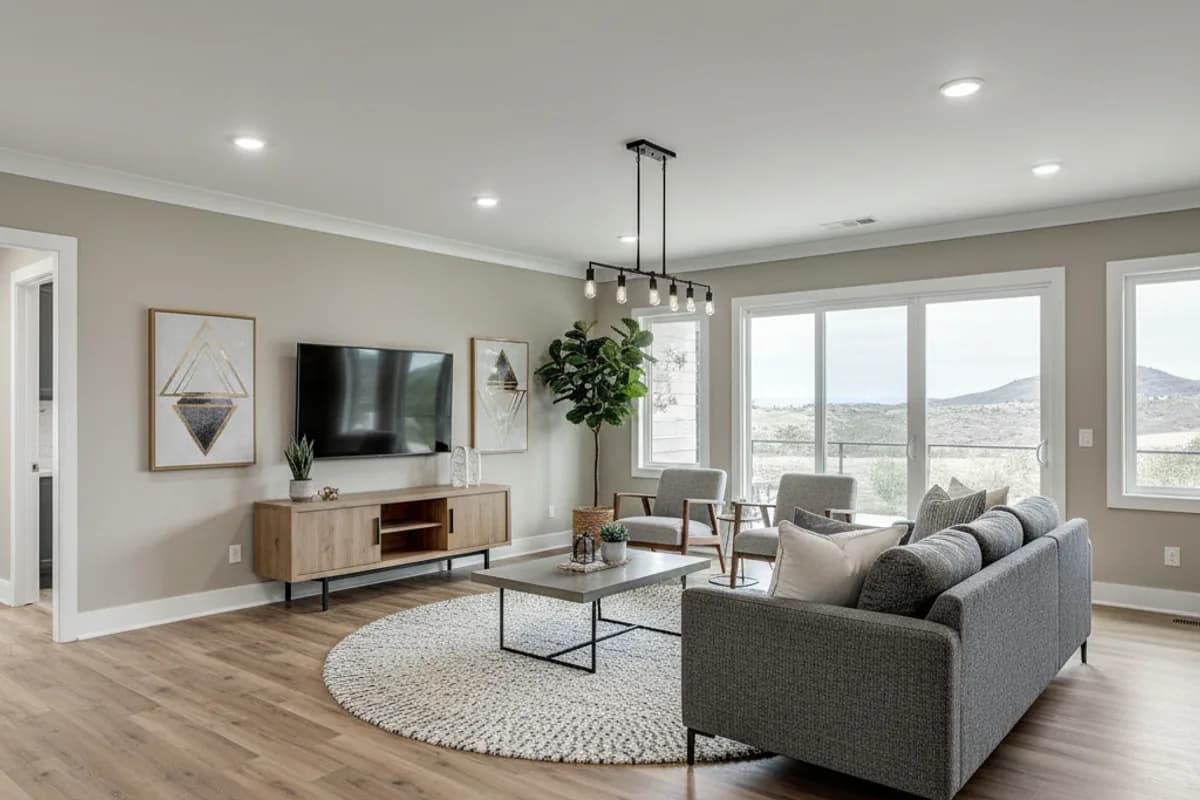
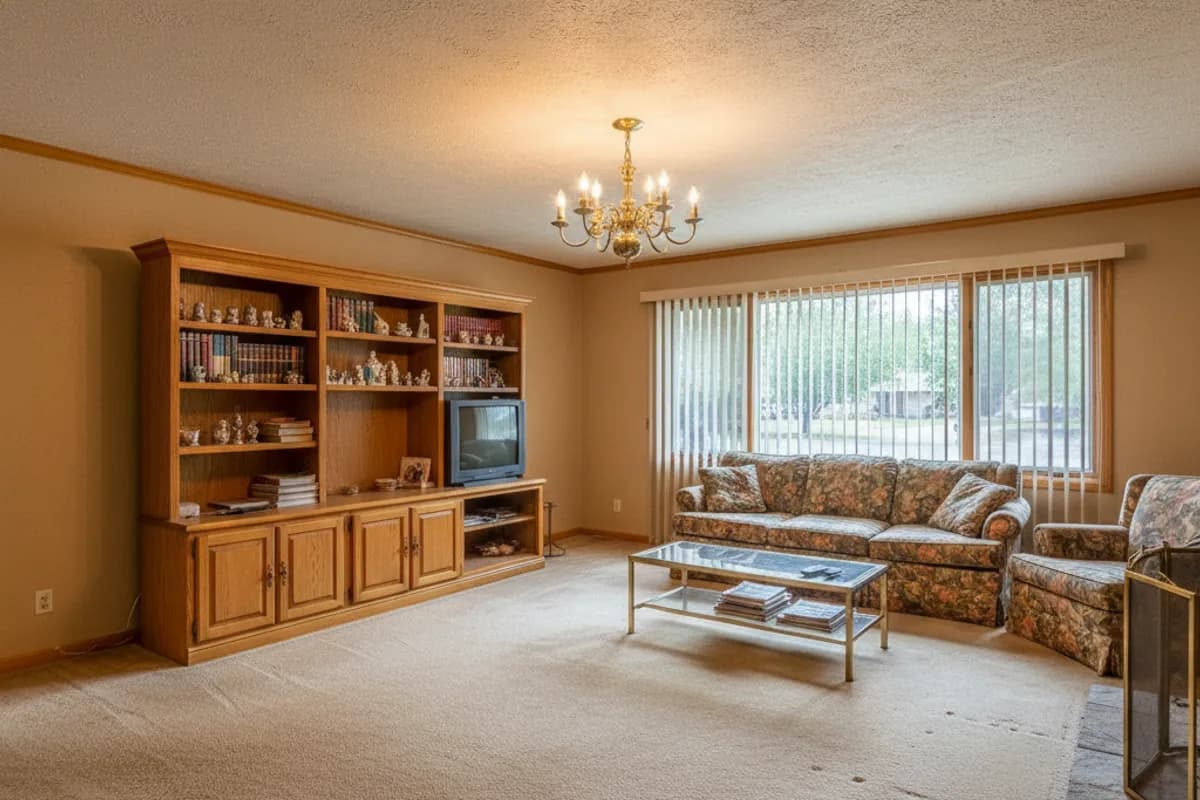
Drag the slider to compare a completed whole-home remodeling project in Southeast Boise — the same work we bring to Glenns Ferry homes.
Before
After
This Southeast Boise whole-home remodeling project is one example of the work we bring to Glenns Ferry-area homes. See the full case study or browse all our Treasure Valley projects.

Talk to a real project manager
Have Questions? Call Now for a Free In-Home Consultation.
Mon–Fri 7 AM–6 PM · Licensed & insured · No obligation
Russ S. — Project Manager
Russ S. — Project Manager
What remodeling services does Iron Crest Remodel offer in Glenns Ferry?
Iron Crest Remodel provides kitchen remodeling, bathroom remodeling, whole-home renovations, interior and exterior painting, flooring installation, deck building, siding installation, window replacement, and ADU construction for Glenns Ferry homeowners.
How much does a home remodel cost in Glenns Ferry, Idaho?
Remodeling costs in Glenns Ferry vary by project scope. Bathroom remodels typically range from $15,000 to $45,000, kitchen remodels from $25,000 to $75,000, and whole-home renovations from $80,000 to $250,000 or more. Contact us for a free, detailed estimate for your specific project.
Do I need a permit for remodeling in Glenns Ferry?
Most structural, electrical, and plumbing work in Glenns Ferry requires permits from the local building department. Iron Crest Remodel handles all permit applications and inspections as part of our full-service process, so you do not need to manage permits yourself.
How long does a typical remodeling project take in Glenns Ferry?
Project timelines depend on scope and complexity. A bathroom remodel typically takes 3 to 6 weeks, a kitchen remodel 6 to 12 weeks, and a whole-home renovation 3 to 6 months. We provide a detailed timeline during your free consultation.
Is Iron Crest Remodel licensed and insured in Idaho?
Yes. Iron Crest Remodel holds Idaho RCE License #6681702 and is fully insured to perform residential remodeling work throughout the Boise metropolitan area, including Glenns Ferry. We carry $2M general liability insurance and workers compensation coverage on every project.
Glenns Ferry occupies one of the most historically significant locations in the American West. Named for Gustavus Glenn, who operated a ferry across the Snake River in the 1860s, the town sits at the site of Three Island Crossing—the most famous and dangerous ford on the entire Oregon Trail. For emigrant families heading west in the 1840s through 1860s, this crossing determined whether they would take the shorter but riskier route along the north bank of the Snake or continue on the longer, drier southern route through what is now the City of Rocks. That history permeates the community today, from Three Island Crossing State Park to the annual reenactment events that draw visitors each August.
Modern Glenns Ferry is a small agricultural community of approximately 1,200 residents in Elmore County, situated 72 miles southeast of Boise along the I-84 corridor. The Snake River defines the town's northern edge, providing irrigation water for surrounding farmland and creating the riparian corridor that supports the area's wine grape growing potential—the Sunny Slope appellation and Snake River Valley AVA are nearby. Agriculture, ranching, and I-84 corridor commerce form the economic backbone, supplemented by tourism related to the state park and the historic Glenns Ferry Opera Theatre.
The housing stock in Glenns Ferry reflects its working-class agricultural roots. Most homes date from the 1940s through the 1970s, built during the town's peak population years when railroad employment and irrigated agriculture supported a larger community. These are predominantly single-story wood-frame homes with pier-and-beam or slab foundations, original plumbing and electrical systems, and minimal insulation by modern standards. Newer construction from the 1990s through 2010s appears along the I-84 corridor and in subdivisions on the town's edges—ranch-style homes with builder-grade finishes that benefit from cosmetic and functional upgrades. Scattered throughout the surrounding area are agricultural properties with larger lots, outbuildings, and farmhouses that range from early 1900s originals to mid-century replacements.
What drives remodeling demand in Glenns Ferry today is a convergence of factors: aging infrastructure in the existing housing stock that simply must be updated for safety and livability, retirees and remote workers attracted by Glenns Ferry's exceptionally affordable housing relative to the Boise metro, and Snake River property owners investing in upgrades that capture the scenic value of their locations. Homes that sold for $80,000–$120,000 five years ago are now purchased at $140,000–$200,000 by buyers who plan to invest another $30,000–$60,000 in modernization—new kitchens, updated bathrooms, replacement windows, exterior improvements, and system upgrades that transform aging houses into comfortable, efficient homes suited to the Snake River desert climate.
Distance & Commute
- Distance from Boise
- ~72 miles via I-84
- Drive Time
- ~1 hour 10 minutes
- Route
- I-84 East — no mountain passes
- Scheduling
- Block-scheduled with Mountain Home
Community Facts
- Population
- ~1,200
- County
- Elmore County
- Elevation
- ~2,560 ft
- Historic Landmark
- Three Island Crossing State Park
- Climate Zone
- High desert — BSk (semi-arid)
- Permit Authority
- Elmore County (same as Mountain Home)
Glenns Ferry's housing stock spans nearly a century of construction, from early railroad-era homes downtown to newer builds along the I-84 corridor. Each property type presents distinct remodeling challenges and priorities shaped by age, location, and the region's demanding desert climate.
Downtown Historic Homes (1940s–1970s)
The oldest homes in Glenns Ferry cluster around the original downtown grid, built during the town's railroad and agricultural heyday. These bungalows and cottages feature wood-frame construction with pier-and-beam foundations, original lath-and-plaster walls, galvanized plumbing, and electrical systems that predate modern code requirements. Many have experienced decades of deferred maintenance, creating compounding issues where roof leaks have led to water damage, which has led to structural concerns in framing and subfloor systems.
Priority Upgrades
Snake River Properties
Properties near the Snake River and Three Island Crossing State Park enjoy scenic settings but face unique construction challenges. The high water table near the river, proximity to irrigation canals, and potential flood-zone designation create moisture conditions that affect foundations, flooring, and exterior materials. Some river-adjacent properties attract buyers interested in vacation rental conversion, capitalizing on state park tourism traffic—these projects require guest-ready finishes with commercial-grade durability.
Priority Upgrades
King Hill Area Properties
The King Hill community and surrounding agricultural parcels south and east of Glenns Ferry feature larger lots with farmhouses, outbuildings, and rural infrastructure. Properties here typically rely on private well water and septic systems rather than municipal services, adding coordination requirements for any remodeling project that affects plumbing loads or water usage. The open desert terrain means wind exposure and temperature extremes are more pronounced than in the sheltered river valley near town, demanding materials and construction techniques that withstand harsh conditions.
Priority Upgrades
I-84 Corridor & Newer Construction (1990s–2010s)
Homes built from the 1990s through the 2010s along the I-84 corridor and in Glenns Ferry's newer subdivisions represent the most structurally sound properties in the area. These ranch-style and split-level homes have modern foundations, code-compliant electrical and plumbing, and standard insulation—but they were built with builder-grade finishes designed to minimize construction costs. Laminate countertops, hollow-core doors, basic vinyl windows, and carpet-over-slab are common. The remodeling opportunity here is cosmetic and functional rather than structural: upgrading finishes, improving energy efficiency, and modernizing kitchens and bathrooms to reflect current design standards.
Priority Upgrades
Glenns Ferry's location in Idaho's high desert along the Snake River creates a unique combination of environmental factors that directly influence material selection, construction techniques, and project scheduling. Understanding these conditions is essential to building remodeling projects that perform for decades rather than years.
Extreme Temperature Swings
Glenns Ferry routinely experiences summer highs above 100°F and winter lows below 0°F, creating an annual temperature swing exceeding 100 degrees. This thermal cycling places extraordinary stress on building materials—exterior paint, caulking, siding, and roofing expand and contract through thousands of freeze-thaw cycles over a home's lifetime. Low-quality materials fail prematurely in this environment, developing cracks, warps, and gaps that compromise the building envelope.
Snake River Moisture & Irrigation
Despite Glenns Ferry's semi-arid climate (less than 10 inches of annual rainfall), moisture is a persistent construction concern for properties near the Snake River and the network of irrigation canals that crisscross the area. The water table rises significantly near the river, and seasonal irrigation flows raise subsurface moisture levels across agricultural parcels. Foundations, crawlspaces, and below-grade structures are particularly vulnerable to moisture intrusion during irrigation season (April through October).
Wind & Dust Exposure
The Snake River plain around Glenns Ferry is open desert terrain with minimal wind breaks. Prevailing winds funnel through the river canyon, carrying fine volcanic-soil dust that infiltrates homes through gaps in siding, around windows, and through poorly sealed exterior penetrations. This dust accumulation accelerates HVAC filter clogging, degrades interior air quality, and deposits abrasive particles on surfaces that wear finishes prematurely. Exterior materials face constant wind-driven abrasion that wears paint and degrades unprotected wood surfaces faster than in sheltered valley locations.
Well & Septic in Elmore County
Many Glenns Ferry and King Hill area properties rely on private wells and septic systems rather than municipal water and sewer. Wells in the Snake River plain can range from 60 to 200+ feet deep, and water quality varies significantly—high iron content, hardness, and sediment are common issues that affect fixture longevity and water heater performance. Septic systems must be evaluated before any remodeling project that adds bathrooms, increases fixture counts, or changes plumbing loads. Southwest District Health (SWDH) regulates septic permits in Elmore County, and their approval is required before plumbing modifications that increase system demand.
Glenns Ferry falls under Elmore County's jurisdiction for building permits—the same county office that covers Mountain Home, which we also serve. This means Iron Crest is familiar with the permitting department and its plan review process. We handle all permitting as part of our scope, so you never have to navigate county bureaucracy yourself.
What Requires Permits in Elmore County
Iron Crest's Permitting Process
Block-Scheduling Advantage
Iron Crest coordinates Glenns Ferry projects alongside other Elmore County work. This block-scheduling approach means the crew is already in the area for multiple days at a time, reducing travel overhead and allowing us to align inspection visits and material deliveries across both communities. The result is faster project completion, lower travel costs passed to the homeowner, and more efficient use of the Elmore County inspector's time—which means fewer scheduling delays for your project.
Common questions from Glenns Ferry homeowners about working with a Boise-based contractor at the outer edge of our service area.
Do you charge more for Glenns Ferry being 72 miles from Boise?
There is a modest travel premium included in Glenns Ferry project pricing, but it is lower than you might expect. Because we block-schedule Glenns Ferry work alongside other Elmore County work, we spread travel costs across multiple jobs rather than absorbing the full round trip for a single project. Our fixed-price contracts include all travel costs upfront—there are no hidden mileage charges, fuel surcharges, or per-trip fees added during the project. The travel premium typically adds 5–8% to project costs compared to an identical project in the Boise metro.
How do you handle the distance for inspections and site visits?
We coordinate Glenns Ferry site visits and inspections with our broader Elmore County schedule. During active construction, work runs in multi-day blocks on site rather than making daily round trips from Boise. For pre-project scoping, progress inspections, and final walkthroughs, we align visits with our Mountain Home schedule whenever possible. We also use detailed photo and video documentation between visits so you can track progress in real time, and our project manager is always accessible by phone for questions between site visits.
Should I be concerned about Snake River flooding affecting my remodel?
If your property is near the Snake River or within a FEMA-designated flood zone, flooding potential is a real consideration that should be addressed during the scoping phase—not discovered mid-project. We check flood-zone status for every Glenns Ferry property before finalizing scope and pricing. For properties in or near flood zones, we specify flood-resistant materials at or below the base flood elevation, ensure proper drainage grading away from foundations, and select finishes that can withstand occasional moisture exposure without catastrophic damage. Properties outside the flood zone but near irrigation canals may still experience elevated subsurface moisture during irrigation season (April–October), which we account for in foundation and flooring specifications.
What is the best time of year for exterior work in Glenns Ferry's desert climate?
The optimal windows for exterior work in Glenns Ferry are spring (mid-April through mid-June) and fall (September through mid-October). Summer temperatures regularly exceed 100°F, which creates challenges for exterior paint adhesion, concrete curing, and crew safety—working conditions above 95°F degrade both material performance and worker productivity. Winter brings freezing temperatures that prevent exterior painting, concrete work, and certain adhesive applications. We schedule Glenns Ferry exterior projects during the shoulder seasons and reserve summer and winter blocks for interior work that is unaffected by outdoor conditions.
How does well water quality affect fixture and material selection?
Well water in the Glenns Ferry and King Hill area commonly contains elevated iron, high mineral hardness, and sediment that significantly impact fixture longevity and appearance. Without proper filtration, hard water deposits calcium scale on faucets, showerheads, and inside water heaters—reducing performance and shortening equipment life. High iron content stains fixtures, tubs, and toilets with orange-brown deposits that are difficult to remove. We recommend well water testing before selecting fixtures, and we can specify whole-house water softeners, iron filters, and sediment pre-filters as part of your remodeling project to protect your investment and maintain the appearance of new finishes.
How does block-scheduling with Mountain Home work in practice?
Block-scheduling means we group our Elmore County projects—both Mountain Home and Glenns Ferry—into concentrated work periods rather than making isolated trips. In practice, this means the crew travels to the Mountain Home/Glenns Ferry corridor for multi-day blocks, completing phases on multiple projects during each visit. Material deliveries are consolidated across projects, and county inspections are scheduled for the same days whenever possible. This approach reduces our per-project travel costs (savings we pass to you), minimizes gaps between work phases, and keeps momentum on your project rather than losing days to intermittent scheduling.
How do you approach renovating Glenns Ferry's older historic homes?
Historic homes in Glenns Ferry—particularly the pre-1950s downtown properties—require a methodical approach that balances modernization with preservation. We start with a thorough structural assessment: foundation condition, framing integrity, roof structure, and any evidence of water damage, pest damage, or settling. From there, we develop a scope that prioritizes safety-critical upgrades first (electrical, plumbing, structural reinforcement) before moving to livability improvements (kitchen, bathroom, flooring, insulation). We work to preserve character-defining features like original trim, built-in cabinetry, and architectural details wherever possible, integrating them with modern systems rather than stripping everything back to studs. The goal is a home that feels authentic to its era while performing to modern safety, efficiency, and comfort standards.
Can you coordinate with local trades and suppliers in Glenns Ferry?
Yes. While Iron Crest manages every project from the Boise area, we coordinate with local suppliers in Elmore County when it makes logistical and economic sense. Material deliveries from Boise-area suppliers are consolidated to reduce freight costs, and we maintain relationships with Mountain Home-based suppliers for items that can be sourced locally. For services like well pump service or septic pumping, we can point you to Elmore County providers who know the local infrastructure and can respond quickly if service is needed outside our scheduled block visits.
Start Your Glenns Ferry Remodeling Project
Get a free, no-obligation estimate for your Glenns Ferry home. Licensed, insured, and ready to build.