
Home Remodeling in Horseshoe Bend, Idaho
Horseshoe Bend is a scenic mountain community along Highway 55 and the Payette River, roughly 27 miles north of Boise. Iron Crest Remodel serves Horseshoe Bend homeowners with the same professionalism and craftsmanship we bring to every Treasure Valley project.
Neighborhoods We Serve
Horseshoe Bend Quick Facts
- County
- Boise County
- Population
- 800+
- Distance
- ~27 miles from HQ

Horseshoe Bend is a scenic mountain community along Highway 55 and the Payette River in Boise County, roughly 27 miles north of Boise. With a mix of historic homes, riverside properties, and mountain cabins, each area of Horseshoe Bend presents unique remodeling opportunities shaped by terrain, age, and building style.

Downtown Horseshoe Bend
The town center along Highway 55 features older homes from the mid-1900s, many with original wood siding, single-pane windows, and aging mechanical systems. Remodeling in downtown Horseshoe Bend typically focuses on modernizing kitchens and bathrooms while preserving the small-town mountain character. Common upgrades include energy-efficient windows, updated insulation, and new siding rated for mountain weather conditions. Many downtown properties also benefit from exterior updates—covered porches for year-round use, and exterior paint or siding that stands up to Horseshoe Bend's seasonal temperature swings.

Payette River Properties
Homes along the Payette River require special attention to moisture management, foundation drainage, and flood-zone awareness. River properties in Horseshoe Bend range from year-round residences to seasonal cabins that owners want converted for full-time use. These projects often involve upgraded insulation, vapor barriers, new bathrooms with moisture-resistant materials, and kitchens designed to handle the demands of mountain living. We coordinate with local specialists on well and septic systems common to Payette River properties, ensuring that new fixtures, additional bathrooms, or increased water usage integrate properly with existing infrastructure.

Rural & Foothill Properties
Outside the town center, Horseshoe Bend's rural and foothill properties sit on larger parcels with panoramic views of the Boise foothills. These homes range from 1970s-era ranch houses to modern custom builds. Remodeling projects on rural Horseshoe Bend properties frequently involve whole-home upgrades—opening up floor plans, adding master suites, replacing outdated kitchens, and installing energy-efficient windows that reduce heating costs during cold mountain winters. Snow-load framing, proper attic ventilation, and freeze-resistant plumbing are critical considerations for any remodeling project in the Horseshoe Bend foothills.

Mountain Cabin Properties
Scattered throughout the hills surrounding Horseshoe Bend are mountain cabins and seasonal retreats, many originally built as hunting or fishing camps in the 1950s through 1980s. These structures were designed for occasional use and often lack proper insulation, modern plumbing, and code-compliant electrical systems. Owners increasingly want to convert these cabins for year-round comfort or short-term rental use, requiring comprehensive upgrades to meet modern living standards while respecting the rustic mountain aesthetic that makes them special.
Remodeling costs in Horseshoe Bend are comparable to other Boise County communities, with slightly higher material delivery costs offset by lower property values. The ranges below reflect projects with mid-range to high-end finishes.
| Project Type | Typical Cost Range | Average Timeline |
|---|---|---|
| Kitchen Remodel | $20,000 – $50,000 | 8 – 14 weeks |
| Bathroom Remodel | $9,000 – $24,000 | 3 – 7 weeks |
| Window Replacement | $6,000 – $18,000 | 1 – 3 weeks |
| Exterior Painting | $3,000 – $7,000 | 3 – 5 days |
| Siding Installation | $12,000 – $30,000 | 2 – 4 weeks |
| Flooring Installation | $4,500 – $13,000 | 1 – 2 weeks |
| Cabin Renovation | $25,000 – $80,000 | 10 – 20 weeks |
* Ranges reflect mid-range to high-end finishes for Horseshoe Bend-area projects. Actual costs depend on scope, materials, and site conditions. Contact us for a detailed, project-specific estimate.
Horseshoe Bend sits at the transition point where the Treasure Valley's flat farmland gives way to the forested canyons of the Boise Mountains. This mountain gateway position makes it one of the most interesting remodeling markets along the Highway 55 corridor. Properties here range from modest in-town homes to steep-lot builds perched above the Payette River—and each demands a different approach to design, engineering, and material selection. Steep lot construction is a defining challenge: foundations must account for grade changes of 15% or more, drainage systems must prevent hillside erosion, and access for material delivery and equipment staging requires careful pre-construction planning.
Horseshoe Bend has also become a target for vacation property conversions. Buyers from the Boise metro area purchase older homes and cabins at a fraction of what comparable properties cost in Eagle or Boise's North End, then invest in comprehensive remodels that transform seasonal retreats into comfortable year-round residences or high-performing short-term rentals. These conversion projects typically involve insulation upgrades from R-11 to R-38+, heating system replacements, full kitchen and bathroom renovations, and exterior hardening with materials rated for mountain snow loads and temperature extremes.
For homeowners who already live in Horseshoe Bend year-round, remodeling is often driven by energy efficiency and comfort. Many homes in the area were built decades ago with minimal insulation and single-pane windows—fine for summer use, but expensive and uncomfortable through Boise County's cold winters. Iron Crest helps these homeowners prioritize upgrades that deliver the biggest comfort-per-dollar return: replacement windows, attic and crawlspace insulation, and efficient heating systems that cut utility bills while making the home genuinely comfortable in every season.
Horseshoe Bend sits in Boise County—a distinct jurisdiction from the Ada and Canyon County communities where most Treasure Valley contractors work. Building here requires familiarity with county-specific permitting, rural infrastructure, and mountain construction best practices.
Boise County Permitting
Building permits in Horseshoe Bend are issued through Boise County's planning and zoning department, which has its own fee schedules, plan review timelines, and inspection requirements. Our team has direct experience with Boise County permit applications, code requirements, and inspection scheduling, ensuring your project moves forward without administrative delays.
Mountain Construction
Horseshoe Bend's elevation and mountain climate create specific construction challenges. Snow loads require engineered framing for roofs and decks. Freeze-thaw cycles demand proper foundation drainage and insulation. Temperature swings between summer highs and winter lows mean exterior materials must be rated for extreme conditions. We factor all of these considerations into every Horseshoe Bend project from the design phase through final inspection.
Well & Septic Systems
Most Horseshoe Bend properties rely on private well water and septic systems rather than municipal utilities. Kitchen and bathroom remodels require careful planning around water pressure, drain field locations, and septic capacity. We coordinate with licensed well and septic professionals to ensure new fixtures and additional bathrooms integrate properly with existing systems.
Many Horseshoe Bend homeowners have found it difficult to find experienced contractors willing to work outside the Boise metro area. Iron Crest Remodel is committed to serving the Horseshoe Bend community with the same professionalism and craftsmanship we bring to every project.
Explore our in-depth guides covering costs, timelines, and planning tips for Horseshoe Bend homeowners considering a remodeling project.
Kitchen Remodeling Cost
Local pricing data, material options, and budget strategies for mountain kitchen projects.
Read GuideBathroom Remodeling Cost
What Horseshoe Bend homeowners pay for bathroom remodels, from basic refreshes to full gut renovations.
Read GuideKitchen Remodeling Timeline
Week-by-week breakdown of a typical mountain kitchen remodel, from demo through final walkthrough.
Read Guide
Bathroom Remodeling Materials
Compare tile, vanity, fixture, and countertop options with mountain-climate durability ratings.
Read GuideIron Crest Remodel offers a full range of remodeling services in Horseshoe Bend, ID. Explore each service to learn about pricing, timelines, and our process for Horseshoe Bend homeowners.
Interior Remodeling
Exterior Remodeling
Other Service Areas
The work we do near Horseshoe Bend
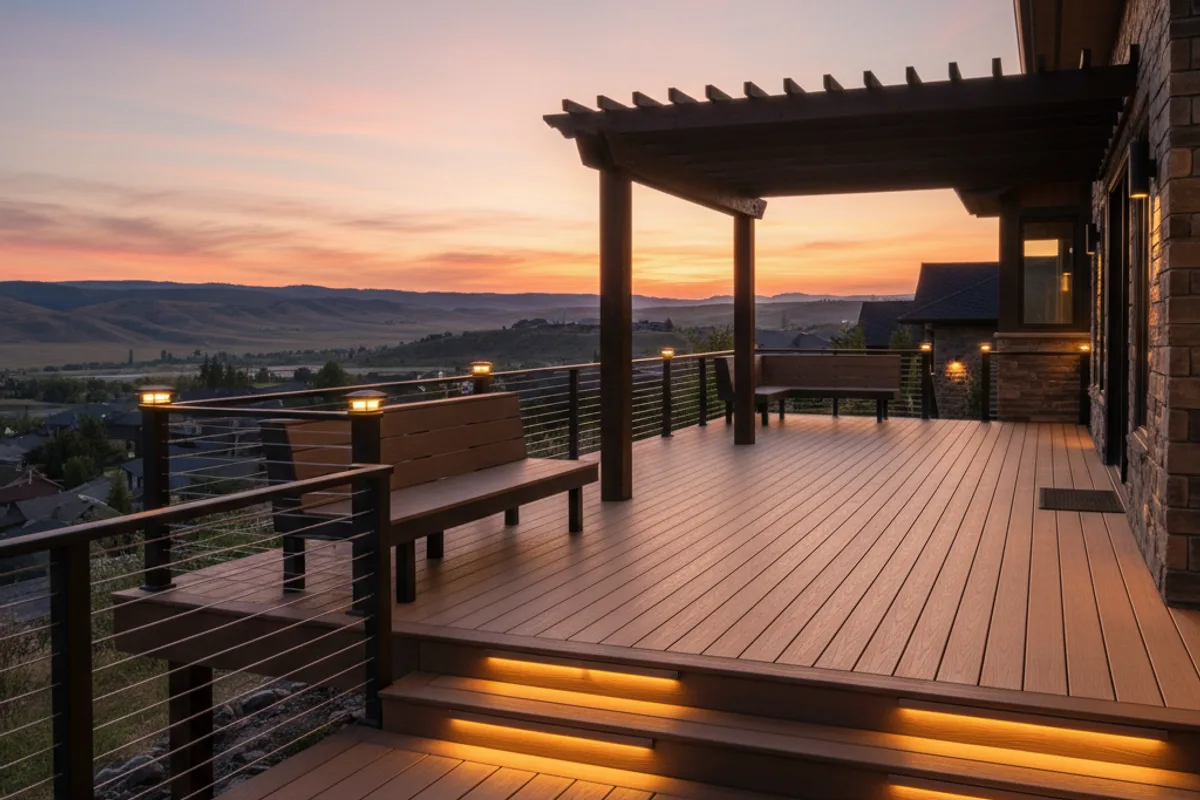
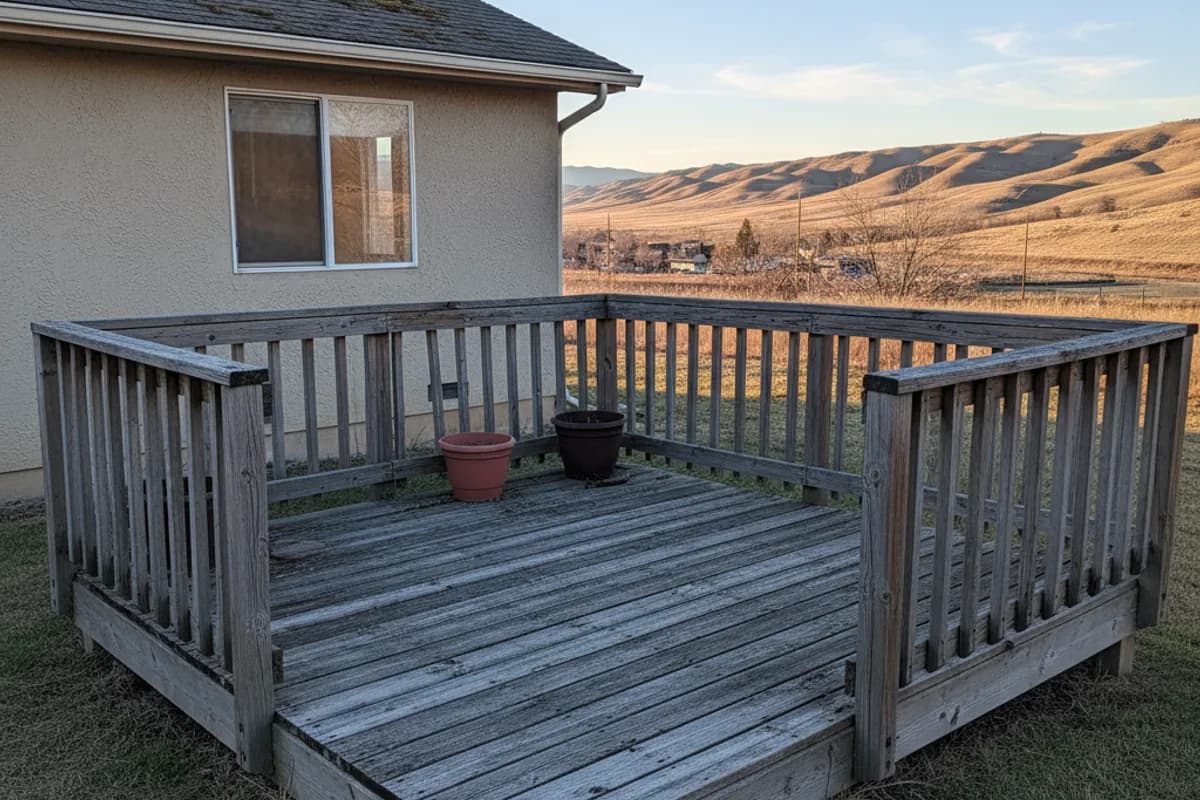
Drag the slider to compare a completed deck builder project in Banbury Meadows, Eagle — the same work we bring to Horseshoe Bend homes.
Before
After
This Banbury Meadows, Eagle deck builder project is one example of the work we bring to Horseshoe Bend-area homes. See the full case study or browse all our Treasure Valley projects.

Talk to a real project manager
Have Questions? Call Now for a Free In-Home Consultation.
Mon–Fri 7 AM–6 PM · Licensed & insured · No obligation
Russ S. — Project Manager
Russ S. — Project Manager
What remodeling services does Iron Crest Remodel offer in Horseshoe Bend?
Iron Crest Remodel provides kitchen remodeling, bathroom remodeling, whole-home renovations, interior and exterior painting, flooring installation, deck building, siding installation, window replacement, and ADU construction for Horseshoe Bend homeowners.
How much does a home remodel cost in Horseshoe Bend, Idaho?
Remodeling costs in Horseshoe Bend vary by project scope. Bathroom remodels typically range from $15,000 to $45,000, kitchen remodels from $25,000 to $75,000, and whole-home renovations from $80,000 to $250,000 or more. Contact us for a free, detailed estimate for your specific project.
Do I need a permit for remodeling in Horseshoe Bend?
Most structural, electrical, and plumbing work in Horseshoe Bend requires permits from the local building department. Iron Crest Remodel handles all permit applications and inspections as part of our full-service process, so you do not need to manage permits yourself.
How long does a typical remodeling project take in Horseshoe Bend?
Project timelines depend on scope and complexity. A bathroom remodel typically takes 3 to 6 weeks, a kitchen remodel 6 to 12 weeks, and a whole-home renovation 3 to 6 months. We provide a detailed timeline during your free consultation.
Is Iron Crest Remodel licensed and insured in Idaho?
Yes. Iron Crest Remodel holds Idaho RCE License #6681702 and is fully insured to perform residential remodeling work throughout the Boise metropolitan area, including Horseshoe Bend. We carry $2M general liability insurance and workers compensation coverage on every project.
Horseshoe Bend occupies a unique position in the greater Boise real estate landscape. Sitting roughly 30 minutes north of Eagle along Highway 55, this Boise County town of approximately 800 residents is the closest true mountain community to the Treasure Valley metro area. That proximity has made it a magnet for buyers who want rural Idaho living—pine-covered hillsides, the Payette River in the backyard, clean air, and genuine small-town quiet—without severing ties to Boise's employment centers, medical facilities, and retail corridors.
The commute from Horseshoe Bend to downtown Eagle takes about 25 minutes in normal traffic. Downtown Boise is roughly 40 minutes away. For remote workers, the drive matters even less—and Horseshoe Bend has seen a significant wave of remote-worker migration since 2020. These buyers are purchasing older homes and unfinished cabins at price points that would barely cover a lot in Eagle or northwest Meridian, then investing in targeted remodels that bring the property up to full-time living standards while preserving the mountain character that drew them here in the first place.
What makes Horseshoe Bend's remodeling market distinct from other small Idaho towns is the mix of motivations. Some homeowners are long-time residents upgrading aging systems. Others are recent transplants converting seasonal properties. A growing number are investors preparing homes for the short-term rental market, capitalizing on Horseshoe Bend's proximity to Bogus Basin, the Boise National Forest, and summer recreation along the Payette River corridor. Each of these owner profiles requires a different remodeling approach—and Iron Crest has worked with all three.
The town itself retains a working-class, agricultural character. There is no HOA governance in most areas, no design review board, and no architectural committee dictating exterior finishes. Homeowners have wide latitude in how they improve their properties—a freedom that makes creative remodeling possible but also demands a contractor who understands how to build for mountain conditions without the guardrails that subdivision covenants provide in metro communities.
Commute Times from Horseshoe Bend
- Eagle
- ~25 min
- Downtown Boise
- ~40 min
- Meridian
- ~45 min
- Bogus Basin Ski Area
- ~50 min
- McCall / Brundage
- ~1 hr 15 min
Why Buyers Choose Horseshoe Bend
- Home prices 40–60% below Eagle & NW Meridian
- Larger lots (0.5–5+ acres typical)
- No HOA restrictions in most areas
- River and mountain recreation access
- Remote-work-friendly commute distance
Horseshoe Bend's housing stock falls into four distinct categories, each with its own remodeling challenges and opportunities. Understanding what you own—or what you're buying—determines which upgrades deliver the best return and which construction methods are required.
Downtown & Historic Homes
The oldest homes in Horseshoe Bend cluster along Main Street and the blocks immediately east and west of Highway 55. Many date to the 1930s through 1960s, built during the town's logging and ranching heyday. These homes typically feature wood-frame construction on pier or perimeter foundations, original cedar or clapboard siding, single-pane windows, and galvanized steel plumbing that has long exceeded its useful life.
Remodeling downtown historic homes requires a balanced approach: preserving the architectural character that gives Horseshoe Bend its identity while upgrading critical systems to modern safety and efficiency standards. We commonly replace knob-and-tube wiring with modern electrical panels, upgrade plumbing from galvanized to PEX, add blown-in insulation to wall cavities and attics, and install energy-efficient windows that match the original proportions. Kitchen and bathroom remodels in these homes often reveal structural surprises—undersized floor joists, inadequate ventilation, or water damage hidden behind plaster walls—so we always budget contingency time and cost into our proposals for pre-1970 Horseshoe Bend properties.
Common Upgrades for Downtown Properties
Payette Riverside Properties
The Payette River defines Horseshoe Bend's western boundary, and properties along its banks are among the most desirable—and most challenging—remodeling projects in the area. Riverside lots offer stunning water views, direct fishing access, and a premium that makes renovation investment worthwhile. But they also sit within or adjacent to FEMA-designated flood zones, which adds regulatory requirements and construction constraints that inland properties don't face.
Flood zone properties require elevated construction for any new additions, flood-resistant materials below the base flood elevation (BFE), and in many cases, an elevation certificate before permits can be issued. We work with licensed surveyors to establish BFE levels and design remodeling plans that comply with Boise County flood plain regulations while maximizing usable living space. Riverside remodels also demand exceptional moisture management: vapor barriers, waterproof membranes in bathrooms and kitchens, mold-resistant drywall, and drainage systems that channel both surface runoff and seasonal groundwater rise away from the foundation.
For homeowners converting riverside cabins to year-round residences, we typically recommend a phased approach. Phase one addresses structural integrity, weatherproofing, and utilities (well, septic, and electrical upgrades). Phase two handles the living space—kitchen and bathroom renovations, insulation, and interior finishes. This sequencing ensures the home's envelope and systems are solid before cosmetic investments are made.
Riverside-Specific Remodeling Considerations
Highway 55 Corridor Properties
Highway 55 is both Horseshoe Bend's lifeline and its main street. Properties fronting or adjacent to the highway benefit from maximum accessibility and visibility, but they also contend with road noise, ACHD/ITD setback requirements, and commercial-to-residential zoning transitions that affect what can be built and where. Several Highway 55 properties in Horseshoe Bend sit on mixed-use parcels where the front structure has commercial potential while the rear lot supports residential use—a configuration that creates interesting remodeling opportunities for owner-operators and small-business owners.
For residential properties along the highway, noise mitigation is a frequent remodeling priority. We install triple-pane windows, add sound-dampening insulation to highway-facing walls, and design floor plans that place bedrooms and living areas on the quieter side of the home. Exterior work on Highway 55 properties must account for Idaho Transportation Department (ITD) right-of-way requirements, which can restrict how close additions, fences, or landscaping improvements can be to the road edge. Our project managers verify setback distances with ITD before finalizing any construction plans that involve the highway-facing side of the property.
Highway 55 Property Remodeling Priorities
Rural Boise County Acreage Properties
Beyond Horseshoe Bend's town limits, Boise County properties sprawl across hillsides, creek drainages, and high-desert plateaus on parcels ranging from 2 to 40+ acres. These rural properties represent some of the best value in the greater Boise area, but remodeling them demands a contractor who understands the logistical and construction challenges of remote sites. Access roads may be unpaved, steep, or seasonally impassable. Material delivery requires advance coordination with suppliers accustomed to mountain routes. Power may be single-phase or require generator backup during construction.
Rural Boise County homes around Horseshoe Bend frequently rely on well water and septic systems with no municipal backup. When we scope a kitchen or bathroom remodel on a rural property, we start with a well flow test and septic inspection to confirm that the existing infrastructure can support any additional fixtures, increased water usage, or changes to the drain field layout. Adding a second bathroom to a rural Horseshoe Bend home isn't just a framing and plumbing project—it's a systems engineering exercise that may require septic capacity upgrades, pump modifications, or well pump resizing.
Wildfire defensible space is another critical consideration for rural properties in the Horseshoe Bend area. Idaho's Firewise USA guidelines recommend creating a 30-foot noncombustible zone around structures and a 100-foot reduced-fuel zone beyond that. Remodeling projects on rural properties should incorporate fire-resistant roofing (Class A metal), fiber cement or non-combustible siding, tempered or dual-pane windows, and enclosed eaves and soffits that prevent ember intrusion. We help rural homeowners integrate these wildfire-hardening measures into their remodeling plans so the work serves double duty: improving the home's comfort and appearance while dramatically reducing its vulnerability to wildfire.
Rural Property Remodeling Checklist
Building and remodeling in Horseshoe Bend requires expertise that goes well beyond standard Treasure Valley residential construction. The town's riverside setting, mountain elevation, and rural infrastructure create a set of conditions that must be addressed in every project—from a simple bathroom refresh to a full cabin conversion.
Flood Zones & Water Management
The Payette River's floodplain extends into portions of Horseshoe Bend's developed area, and FEMA flood maps designate several zones within and adjacent to town. Properties in Zone A or Zone AE require flood insurance and must comply with Boise County's floodplain development ordinance for any construction or substantial improvement. “Substantial improvement” under FEMA rules means any renovation where the cost equals or exceeds 50% of the structure's pre-improvement market value—a threshold that many comprehensive remodels in Horseshoe Bend can trigger.
When a project triggers the substantial improvement threshold, the entire structure must be brought into compliance with current flood regulations. This may require elevating the lowest floor above the base flood elevation, installing flood vents in foundation walls, and using flood-damage-resistant materials in any area below BFE. Iron Crest works with FEMA-certified surveyors and Boise County floodplain administrators to determine your property's status before we finalize project scope and pricing—so there are no regulatory surprises mid-construction.
Even for properties outside the mapped flood zone, Horseshoe Bend's high water table and seasonal snowmelt can create moisture issues that affect foundations, crawlspaces, and below-grade walls. We include perimeter drainage, sump pump systems, and moisture barriers as standard elements in any Horseshoe Bend remodel that involves foundation-level work.
Snow Loads & Cold-Climate Building
Horseshoe Bend sits at approximately 2,650 feet elevation—high enough to receive meaningful snowfall but low enough that accumulation patterns are variable. Boise County's building code requires a minimum ground snow load of 35 pounds per square foot (psf) for structures in the Horseshoe Bend area, though properties at higher elevations above town may require 40–50+ psf depending on specific site conditions. Roof framing, deck structures, and carport designs must all be engineered to these snow-load specifications.
Cold-climate construction in Horseshoe Bend also means addressing thermal bridging in walls and roofs, specifying freeze-resistant plumbing runs (especially in exterior walls and crawlspaces), and selecting exterior materials that can handle the repeated freeze-thaw cycling that occurs throughout Boise County's winter months. We use standing-seam metal roofing for its snow-shedding performance, install heat tape on critical roof valleys and gutters to prevent ice dams, and run plumbing through insulated interior chases wherever possible to prevent frozen pipes.
For attic insulation, we target R-49 in Horseshoe Bend homes—well above the minimum code requirement—because the energy cost savings at mountain elevation pay back the additional insulation investment within 3–5 years. Combined with high-performance windows (U-factor 0.25 or lower) and air sealing, these insulation upgrades can reduce winter heating costs by 30–40% compared to the original construction.
Well & Septic System Integration
The majority of Horseshoe Bend properties operate on private well and septic systems. While the town center has a small municipal water system, most homes outside the core rely on individual wells drilled to depths of 60–200+ feet, with yields that vary significantly depending on location and aquifer depth. Before designing any kitchen or bathroom remodel that adds fixtures, changes water usage patterns, or relocates plumbing, we verify well capacity through a flow test and assess whether the existing pressure tank and pump can support the planned upgrades.
Septic systems in the Horseshoe Bend area are regulated by the Central District Health Department (CDHD), which requires permits for any new system, replacement, or modification. Adding a bathroom, relocating a kitchen, or increasing the number of bedrooms (even through a remodel) can trigger a septic system re-evaluation. Drain field setbacks from the Payette River and its tributaries are strictly enforced—typically 100 feet from any waterway. We coordinate with licensed septic professionals and CDHD early in the design process to prevent costly mid-project redesigns.
For homeowners considering adding a second bathroom or expanding kitchen plumbing, we always recommend a pre-construction septic inspection. A failing or undersized system discovered during construction can add $10,000–$25,000 in unplanned costs and weeks of delay. We prefer to identify these issues during the planning phase when they can be budgeted and scheduled proactively.
Wildlife-Resistant & Fire-Hardened Construction
Horseshoe Bend's position at the wildland-urban interface means properties face both wildlife intrusion and wildfire exposure risks. Deer, raccoons, skunks, and occasionally bears are common in the area, and improperly sealed crawlspaces, open soffits, and deteriorating siding create entry points that attract unwanted guests. Our remodeling projects in the Horseshoe Bend area include wildlife-exclusion detailing as standard practice: sealed crawlspace vents with heavy-gauge mesh, closed soffits, and pest-resistant foundation skirting.
Wildfire risk is the more serious long-term concern. Horseshoe Bend is surrounded by dry grassland and forest that has experienced significant fire activity in recent decades. The 2016 Pioneer Fire burned over 188,000 acres in Boise County, and smaller fires routinely threaten the Highway 55 corridor. When we scope exterior remodeling projects in Horseshoe Bend, we recommend fire-hardening measures aligned with Idaho's Firewise USA guidelines: Class A fire-rated metal roofing, fiber cement siding (James Hardie or equivalent), tempered glass windows, enclosed boxed eaves, 1/8-inch mesh attic and soffit vents to prevent ember intrusion, and noncombustible decking within 5 feet of the structure.
These fire-hardening measures don't just reduce risk—they can also reduce homeowners insurance premiums in wildfire-prone areas. Several Idaho insurers offer discounts for homes that meet Firewise community standards, and the investment in fire-resistant materials during a remodel is a fraction of what it would cost as a standalone project later. We help Horseshoe Bend homeowners make material choices that serve both aesthetic and safety goals.
Boise County operates independently from Ada and Canyon County, with its own planning and zoning department, fee schedules, and inspection procedures. Contractors accustomed to working exclusively in the Treasure Valley metro area often underestimate the differences—which can lead to delays, rejected applications, and costly redesigns. Iron Crest has direct experience with Boise County's permitting system and builds compliance into every Horseshoe Bend project from the initial design phase.
What Requires a Permit in Boise County
Boise County requires building permits for any work that involves structural changes, electrical modifications, plumbing alterations, or mechanical system installations. This includes kitchen remodels that move walls or relocate plumbing, bathroom additions, window and door replacements that alter rough openings, deck construction, re-roofing that changes structural loading, and any project that adds square footage to the home. Cosmetic work—painting, flooring replacement on existing subfloors, cabinet refacing, and fixture-for-fixture swaps in the same location—generally does not require a permit.
Boise County's planning department is located in Idaho City, roughly 45 minutes from Horseshoe Bend. Plan reviews typically take 2–4 weeks depending on project complexity and current workload. Inspection scheduling requires advance coordination, as inspectors cover a large geographic area and may not be available for same-day or next-day visits the way Ada County inspectors often are. We factor these longer lead times into every Horseshoe Bend project schedule so our clients aren't caught off-guard by delays that are normal for rural county construction.
Our Permit Management Process
Iron Crest handles the entire permit process for Horseshoe Bend projects. We prepare permit applications with complete documentation—site plans, construction drawings, engineering calculations for snow loads and structural modifications, and energy compliance forms. We submit applications directly to Boise County's planning office, manage the plan review correspondence, schedule all required inspections, and ensure final sign-off before project closeout.
Typical Boise County Permit Timeline
Additional Agency Coordination for Horseshoe Bend Projects
Depending on your property's location and the scope of work, Horseshoe Bend projects may require coordination with agencies beyond Boise County's building department. Iron Crest manages all of these relationships on your behalf.
These frequently asked questions address the specific concerns and conditions that Horseshoe Bend homeowners face when planning a remodeling project.
Is my Horseshoe Bend property in a flood zone, and how does that affect remodeling?
Several areas within and adjacent to Horseshoe Bend fall within FEMA-designated flood zones along the Payette River. If your property is in Zone A or Zone AE, any remodeling project that constitutes a “substantial improvement” (cost exceeding 50% of the home's pre-improvement market value) must comply with Boise County's floodplain regulations. This may require elevating the lowest floor above base flood elevation and using flood-resistant materials. Iron Crest verifies your property's flood zone status during the initial consultation and factors any regulatory requirements into our project scope and pricing before work begins.
Do contractors charge more to work in Horseshoe Bend than in Boise or Eagle?
Some contractors add a travel surcharge for Horseshoe Bend projects, and material delivery costs are slightly higher due to the 30-minute drive from Treasure Valley suppliers. Iron Crest does not charge a separate travel fee for Horseshoe Bend. We block-schedule our Highway 55 corridor projects so crews work full days on-site rather than splitting time between Boise and Horseshoe Bend jobs. Material delivery costs are included in our fixed-price contracts, so you see the total project cost upfront with no hidden surcharges.
Can I add a bathroom if my home is on a septic system?
Yes, but it requires careful planning. Adding a bathroom increases the fixture count and daily water usage, which may exceed your current septic system's permitted capacity. Before designing the addition, we coordinate a septic inspection through a licensed professional and, if necessary, work with the Central District Health Department on a permit for system modification or replacement. Drain field setbacks from the Payette River (typically 100 feet) and property boundaries must also be maintained. We recommend addressing septic capacity during the planning phase to avoid mid-project surprises that can add $10,000–$25,000 and several weeks to the timeline.
What snow-load requirements apply to Horseshoe Bend construction?
Boise County requires a minimum ground snow load of 35 psf for structures in the Horseshoe Bend area, with higher requirements (40–50+ psf) for properties at higher elevations above town. Any remodeling project that involves roof modifications, deck construction, or carport additions must be engineered to meet these snow-load specifications. Our structural designs account for both the code-minimum snow load and the actual site-specific conditions, including roof slope, exposure, and drift potential from adjacent terrain or structures.
How do I make my Horseshoe Bend home more resistant to wildfire?
Wildfire hardening during a remodel is one of the most cost-effective ways to protect your Horseshoe Bend property. Key measures include installing Class A fire-rated metal roofing, replacing wood siding with fiber cement (James Hardie or equivalent), upgrading to tempered or dual-pane windows, enclosing boxed eaves, installing 1/8-inch mesh on all attic and soffit vents to prevent ember entry, and using noncombustible decking materials within 5 feet of the structure. These improvements can also qualify for homeowners insurance discounts in wildfire-prone areas. Iron Crest incorporates fire-hardening recommendations into every Horseshoe Bend project scope.
How long does the Boise County permit process take compared to Ada County?
Boise County's permit process is generally slower than Ada County's due to the smaller staff size and the geographic area they cover. Plan reviews typically take 2–4 weeks (compared to 1–2 weeks in Ada County), and inspection scheduling requires 3–7 business days advance notice since inspectors cover the entire county from the Idaho City office. Iron Crest builds these longer lead times into every Horseshoe Bend project schedule and submits permit applications with thorough documentation to minimize revision cycles and delays.
Can I convert my Horseshoe Bend cabin into a year-round residence?
Cabin-to-residence conversions are one of the most common projects we handle in the Horseshoe Bend area. The process typically involves upgrading insulation from R-11 to R-38+, replacing the heating system with a unit rated for continuous winter operation, upgrading electrical service to 200-amp, modernizing plumbing (including well pump and septic evaluation), and renovating the kitchen and bathroom to full residential standards. We recommend a phased approach: address the building envelope, utilities, and structural integrity first, then tackle interior finishes. A typical cabin conversion in Horseshoe Bend runs $40,000–$100,000+ depending on the cabin's condition and the target finish level.
Is winter remodeling possible in Horseshoe Bend?
Yes, but with important caveats. Interior remodeling—kitchen renovations, bathroom remodels, flooring installation—can proceed year-round in Horseshoe Bend, provided the home is heated and accessible. Exterior work (siding, painting, deck construction) has seasonal limitations due to temperature requirements for adhesives, paint, and sealants, as well as potential snow and ice on roofs and scaffolding. We typically schedule exterior Horseshoe Bend projects between April and October, while interior projects can fill the winter months. For comprehensive projects, we plan the sequence so exterior envelope work happens in warmer months and interior finish work continues through winter.
Start Your Horseshoe Bend Remodeling Project
Get a free, no-obligation estimate for your Horseshoe Bend home. Licensed, insured, and ready to build.