
Home Remodeling in Payette, Idaho
Payette is the county seat of Payette County, located about 59 miles west of Boise at the confluence of the Payette and Snake rivers near the Oregon border. Iron Crest Remodel provides Payette homeowners with full-service remodeling.
Neighborhoods We Serve

As the county seat of Payette County, Payette has some of the oldest housing stock in the region. Downtown features homes from the late 1800s and early 1900s — wood-framed structures with plaster walls, knob-and-tube wiring, galvanized plumbing, and lead paint in pre-1978 construction. These homes require careful renovation planning including lead paint testing, complete electrical rewiring, and plumbing replacement. The 1960s–1980s ranch neighborhoods north and south of downtown offer single-story homes with dated kitchens and small bathrooms that are prime candidates for modernization. Newer construction on the outskirts features builder-grade finishes. Payette sits at the confluence of the Payette and Snake rivers, which means some properties face seasonal moisture concerns and drainage considerations affecting foundation work and bathroom waterproofing.
- Kitchen and bathroom remodels involving plumbing, electrical, or structural changes require a Payette County building permit
- Permit fees typically range from $75–$250 depending on project scope — significantly lower than Ada County rates
- Homes built before 1978 may require lead paint testing before renovation work can begin
- Plan review turnaround is usually 1–2 weeks, faster than Boise metro jurisdictions
- Iron Crest Remodel handles all permit applications, plan submissions, and inspection scheduling as part of our fixed-price contracts
Kitchen Remodel Cost Guide
Detailed cost breakdowns for Boise-area kitchen remodels
Kitchen Remodel Timeline
Week-by-week timeline for kitchen renovation projects
Bathroom Remodel Cost Guide
Bathroom renovation pricing for the Treasure Valley
Bathroom Remodel Timeline
How long bathroom remodels take, phase by phase
Kitchen Remodel Permits
Permit requirements for Idaho kitchen remodels
Quartz vs Granite vs Porcelain
Side-by-side countertop material comparison
Kitchen Layout Planning Guide
Optimize your kitchen layout for function and flow
Bathroom Tile & Waterproofing
Tile systems and waterproofing methods for Idaho bathrooms
Payette is the county seat of Payette County, located about 59 miles west of Boise at the confluence of the Payette and Snake rivers near the Oregon border. With a population of over 7,400, Payette is the largest community in the county and serves as a regional hub for the surrounding agricultural area. The town's housing stock spans from historic downtown properties to post-war neighborhoods and modern developments.

Historic Downtown Payette
Payette's downtown features some of the most architecturally significant homes in the county, dating from the late 1800s through the 1930s. These properties often have original hardwood floors, plaster walls, period woodwork, and aging mechanical systems. Remodeling in historic downtown Payette requires careful attention to structural integrity—updating electrical panels, replacing galvanized plumbing, and modernizing kitchens and bathrooms while preserving the architectural details that give these homes their character.
Many downtown homeowners invest in exterior restoration—repairing or replacing original siding with period-appropriate materials, restoring covered porches, and installing energy-efficient windows that match the home's architectural style.

Mid-Century & Post-War Neighborhoods
The largest segment of Payette's housing stock consists of homes built from the 1940s through the 1980s in established residential neighborhoods. These ranch-style and split-level homes are well-built but ready for updated finishes—kitchen remodels with modern countertops and cabinetry, bathroom updates with new tile and fixtures, replacement windows, and exterior paint or siding. These projects are typically the most cost-effective remodels in Payette.

River Confluence Properties
Payette's location at the confluence of two major rivers gives some properties scenic water access but also requires attention to moisture management, foundation drainage, and flood-zone compliance. The Payette River corridor and Snake River bluff properties each have specific construction considerations that our team addresses during the planning and scoping phase.
As the county seat of Payette County, the city of Payette carries a weight and history that its smaller neighbors don't. The town's position at the confluence of the Snake and Payette rivers made it a natural hub for settlement, commerce, and agriculture—and that legacy is written into the housing stock. Downtown Payette contains Victorian-era homes, Craftsman bungalows, and early American Foursquares that represent some of the finest residential architecture in western Idaho. These aren't museum pieces—they're family homes that need modern systems behind historic walls.
Beyond the historic core, Payette's housing stock diversifies significantly. Mid-century ranch homes, 1970s split-levels, and newer developments each present different remodeling opportunities. This diversity means that Payette homeowners need a contractor who can navigate everything from knob-and-tube rewiring in a 1910 Victorian to a straightforward countertop swap in a 2010 subdivision home. Iron Crest brings that range of experience to every Payette project.
The river confluence setting adds another layer of complexity. Properties near the Payette and Snake rivers require flood-zone awareness, moisture-resistant materials, and construction techniques that account for seasonal water table fluctuations. As the county seat, Payette also offers our team direct access to the building department for faster plan reviews and inspection scheduling—an advantage we pass along to our Payette homeowners through more efficient project timelines.
As the county seat with a more developed housing market, Payette's remodeling costs fall between the smaller Payette County communities and the Boise metro.
| Project Type | Typical Cost Range | Average Timeline |
|---|---|---|
| Kitchen Remodel | $17,000 – $45,000 | 8 – 12 weeks |
| Bathroom Remodel | $8,000 – $22,000 | 3 – 6 weeks |
| Window Replacement | $5,000 – $15,000 | 1 – 2 weeks |
| Exterior Painting | $2,500 – $6,500 | 3 – 5 days |
| Siding Installation | $10,000 – $26,000 | 2 – 4 weeks |
| Flooring | $3,500 – $10,000 | 1 – 2 weeks |
* Ranges reflect mid-range to high-end finishes for Payette-area projects. Actual costs depend on scope, materials, and site conditions. Contact us for a detailed, project-specific estimate.
As the county seat, Payette is home to the Payette County building department, giving our team direct, in-person access to permitting officials.
Payette County Permitting
County seat advantage means faster plan reviews and inspection scheduling. Our team handles all applications, coordinates directly with the Payette County building department, and ensures your project moves through permitting without delays.
River Confluence & Flood Zones
Properties near the Payette/Snake River confluence may fall within flood zones requiring specific construction standards. We navigate these requirements as part of project scoping, ensuring materials, elevations, and drainage systems meet all applicable regulations before work begins.
Travel & Scheduling
Payette is approximately 59 miles from Boise via I-84. We block-schedule Payette projects alongside Fruitland and New Plymouth work for efficient crew deployment, ensuring our teams are on-site full days rather than splitting time with Boise-area jobs.

Explore our in-depth guides covering costs, timelines, and planning tips for Payette homeowners considering a remodeling project.
Kitchen Remodeling Cost
Local pricing data, material options, and budget strategies for Payette kitchen projects.
Read GuideBathroom Remodeling Cost
What Payette homeowners actually pay for bathroom remodels, from basic refreshes to full renovations.
Read GuideKitchen Remodeling Timeline
Week-by-week breakdown of a typical kitchen remodel, from demo through final walkthrough.
Read Guide
Bathroom Remodeling Materials
Compare tile, vanity, fixture, and countertop options with local pricing and availability.
Read GuideIron Crest Remodel offers a full range of remodeling services in Payette, ID. Explore each service to learn about pricing, timelines, and our process for Payette homeowners.
Interior Remodeling
Exterior Remodeling
Other Service Areas
The work we do near Payette
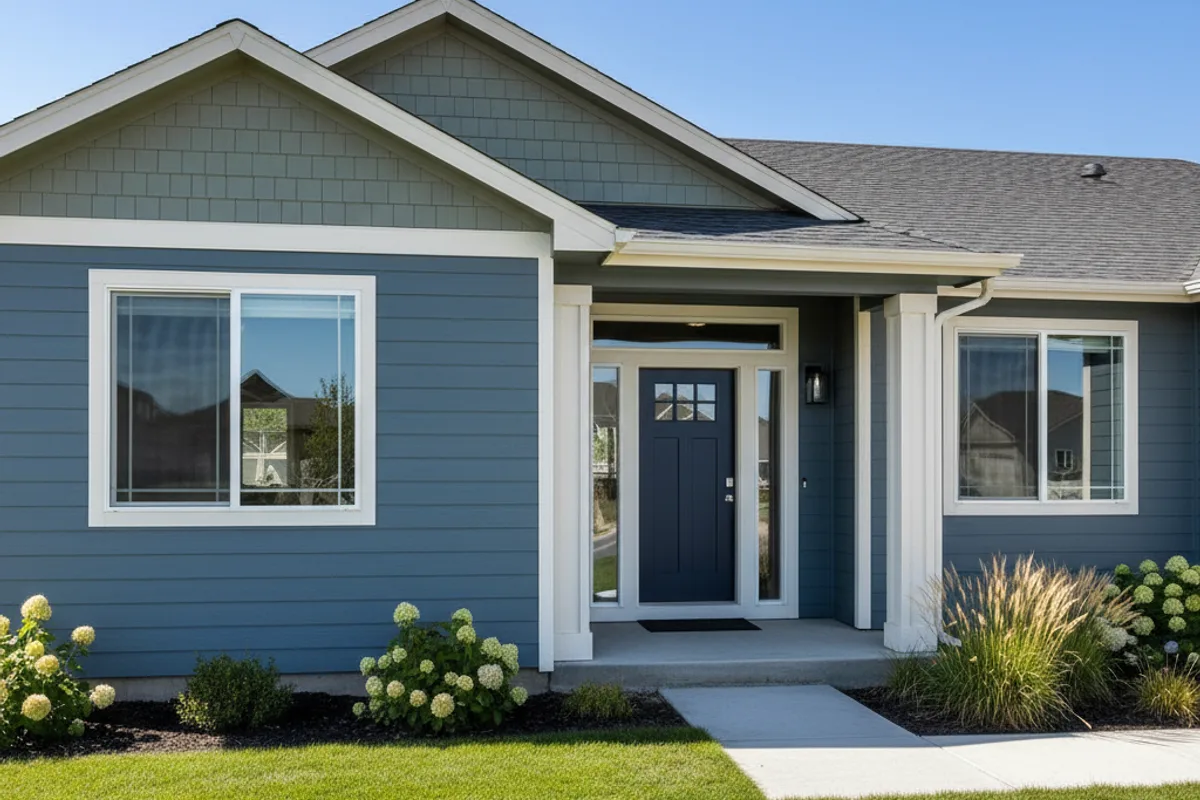
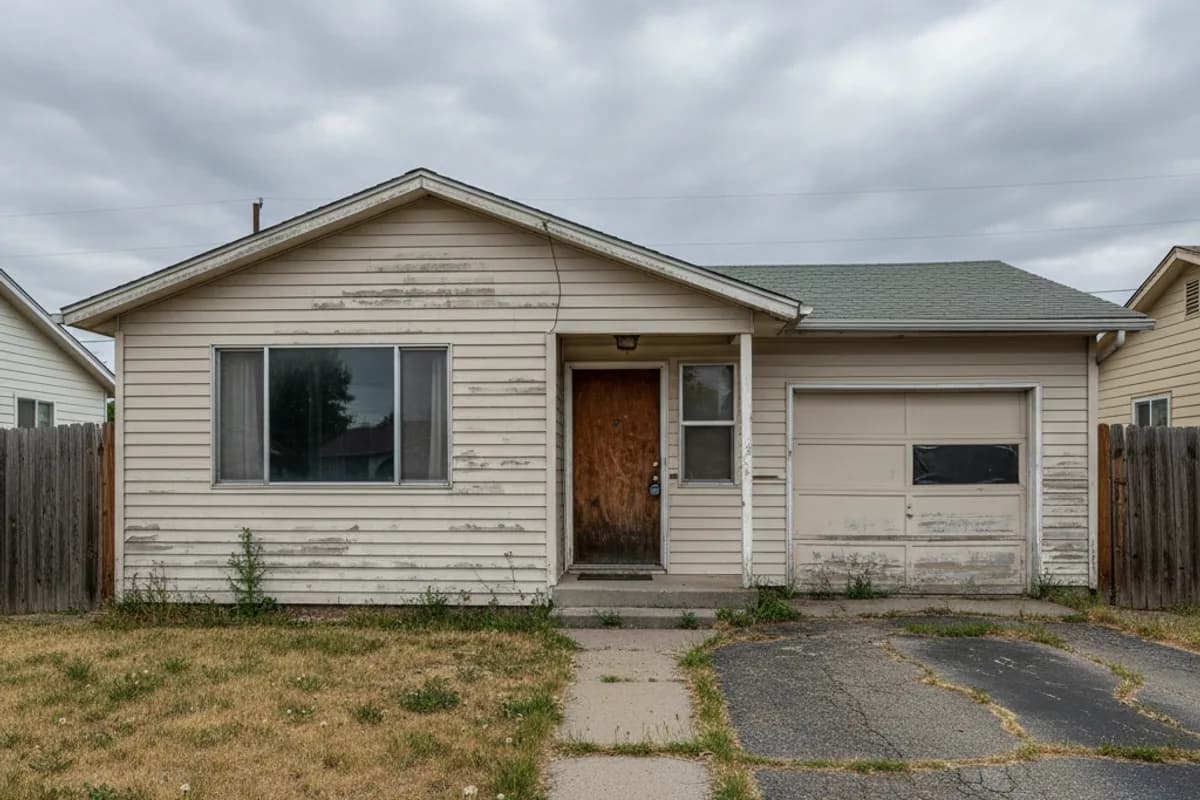
Drag the slider to compare a completed siding installation project in Ridgecrest, Nampa — the same work we bring to Payette homes.
Before
After
This Ridgecrest, Nampa siding installation project is one example of the work we bring to Payette-area homes. See the full case study or browse all our Treasure Valley projects.

Talk to a real project manager
Have Questions? Call Now for a Free In-Home Consultation.
Mon–Fri 7 AM–6 PM · Licensed & insured · No obligation
Russ S. — Project Manager
Russ S. — Project Manager
What remodeling services does Iron Crest Remodel offer in Payette?
Iron Crest Remodel provides kitchen remodeling, bathroom remodeling, whole-home renovations, interior and exterior painting, flooring installation, deck building, siding installation, window replacement, and ADU construction for Payette homeowners.
How much does a home remodel cost in Payette, Idaho?
Remodeling costs in Payette vary by project scope. Bathroom remodels typically range from $15,000 to $45,000, kitchen remodels from $25,000 to $75,000, and whole-home renovations from $80,000 to $250,000 or more. Contact us for a free, detailed estimate for your specific project.
Do I need a permit for remodeling in Payette?
Most structural, electrical, and plumbing work in Payette requires permits from the local building department. Iron Crest Remodel handles all permit applications and inspections as part of our full-service process, so you do not need to manage permits yourself.
How long does a typical remodeling project take in Payette?
Project timelines depend on scope and complexity. A bathroom remodel typically takes 3 to 6 weeks, a kitchen remodel 6 to 12 weeks, and a whole-home renovation 3 to 6 months. We provide a detailed timeline during your free consultation.
Is Iron Crest Remodel licensed and insured in Idaho?
Yes. Iron Crest Remodel holds Idaho RCE License #6681702 and is fully insured to perform residential remodeling work throughout the Boise metropolitan area, including Payette. We carry $2M general liability insurance and workers compensation coverage on every project.
Payette sits at one of the most geographically distinctive locations in all of southwestern Idaho—the exact confluence of the Payette River and the Snake River, right on the Idaho-Oregon border. That position shaped the town's founding as an agricultural hub and railroad stop in the late 1800s, and it continues to define the character of the community and its housing stock today. The rivers, the fertile valley floor, and the small-town Main Street atmosphere aren't just historical footnotes—they directly influence what Payette homeowners want from a remodeling project and how we approach the work.
The housing market in Payette reflects a community in transition. For decades, Payette was a quiet agricultural county seat where homes turned over slowly and remodeling was driven primarily by necessity—replacing a failing roof, updating a kitchen that hadn't been touched since the 1970s, or addressing foundation issues on an aging farmhouse. That dynamic has shifted in recent years as Boise metro housing prices have pushed buyers further west along the I-84 corridor. Payette, roughly 60 miles from downtown Boise, has become an increasingly attractive option for remote workers and commuters willing to trade drive time for affordability. The median home price in Payette remains significantly below Boise, Meridian, and even Nampa—and that gap is fueling a wave of investment in the existing housing stock.
New arrivals from the Boise metro often purchase older homes in Payette at a fraction of what they'd pay closer to the city, then invest $20,000 to $60,000 in kitchen, bathroom, and exterior upgrades to bring the property to the standard they expect. For these homeowners, the math works: a $180,000 purchase plus a $40,000 remodel still comes in well below a comparable move-in-ready home in Eagle or Meridian. This trend has made Payette one of the most active remodeling markets in the western Treasure Valley, and it shows no signs of slowing.
At the same time, longtime Payette residents are investing in their homes for different reasons. Many own properties free and clear after decades of ownership, and they're choosing to age in place rather than relocate. That means accessibility modifications, single-level living conversions, updated bathrooms with walk-in showers, and energy-efficiency improvements that lower monthly utility costs. The agricultural character of the area also shapes project preferences—large mudrooms, durable flooring that can handle boots and work gear, oversized garages or shop buildings, and outdoor living spaces oriented toward the river corridor and mountain views.
The river confluence setting adds a layer of both beauty and complexity that is unique to Payette. Properties along the Payette River and Snake River bluffs command some of the highest values in the county, but they also require moisture management strategies, flood zone compliance, and material selections that can handle the humidity and seasonal water table fluctuations that come with riverside living. From our perspective as a contractor, Payette projects require a broader range of expertise than most Treasure Valley locations—we need to be equally comfortable restoring a 1915 Craftsman downtown and building a moisture-resistant deck on a Snake River bluff property.
Payette is a compact community, but its neighborhoods vary meaningfully in housing age, architectural style, lot size, and remodeling priorities. Understanding these differences helps us scope projects accurately and recommend the right materials and approaches for each area.
Downtown Payette & Historic District
The core of Payette's historic downtown stretches along Main Street and the surrounding residential blocks, anchored by the Payette County Courthouse and a handful of original commercial buildings that date to the town's founding era. The residential homes in this area represent the oldest and most architecturally significant properties in Payette County—pre-1940 Craftsman bungalows, American Foursquares, early farmhouse vernacular styles, and a few Victorian-influenced homes with ornate porch detailing and steeply pitched rooflines.
Remodeling these homes is rewarding but technically demanding. Original features worth preserving include hardwood floors (often Douglas fir or oak), plaster-and-lath walls with decorative crown molding, built-in cabinetry with leaded glass doors, and original woodwork around doorways and staircases. Behind those charming surfaces, however, these homes typically harbor aging infrastructure: knob-and-tube or early Romex wiring, galvanized steel plumbing, single-wall construction with no insulation, and foundations that may have shifted or settled over a century of service.
The most common projects we handle in downtown Payette include full kitchen renovations that modernize the layout while preserving period trim, bathroom additions or expansions (many of these homes originally had just one bathroom for the entire household), electrical panel upgrades from 60-amp to 200-amp service, whole-house re-plumbing with PEX, and exterior restoration including porch repair, siding replacement with period-appropriate materials, and historically sympathetic window upgrades. Foundation stabilization is also a regular need—we work with experienced foundation specialists to underpin or reinforce original rubble-stone and poured-concrete foundations without disturbing the home's structural integrity.
North Payette & River Area
North Payette encompasses the residential areas closer to the Payette River, including properties along the river corridor and the bluffs overlooking the confluence with the Snake River. This area includes a mix of mid-century ranch homes, 1980s and 1990s builds, and some of the more desirable lots in the entire community—particularly those with river views or direct water access. The proximity to water makes this area especially attractive to buyers relocating from the Boise metro, and it's where we see some of the largest remodeling budgets in Payette.
The defining consideration for North Payette projects is moisture. River-adjacent properties experience higher ambient humidity, seasonal water table fluctuations, and in some cases, FEMA-designated flood zone restrictions that dictate construction methods, material choices, and required elevations. Before any remodeling project in this area, we verify the property's flood zone status through FEMA's flood map service and the Payette County planning department. Properties in Zone A or AE may require elevation certificates, flood-resistant materials below base flood elevation, and specific foundation systems that comply with the National Flood Insurance Program (NFIP) standards.
Popular projects in North Payette include deck and patio construction designed for river views and outdoor entertaining, screened porches that extend the usable outdoor season, basement waterproofing and moisture mitigation, window replacement with impact-resistant or flood-rated units, and exterior cladding upgrades using moisture-resistant materials like fiber cement siding. We also see significant demand for outdoor living projects—fire pits, outdoor kitchens, and covered pavilions that take advantage of the river corridor setting.
South Payette & New Development
South Payette has absorbed most of the community's newer residential growth, with subdivisions built from the early 2000s through the present that feature the production-builder aesthetic common across the Treasure Valley—vinyl siding, builder-grade laminate countertops, basic carpet and linoleum, stock cabinetry, and standard-issue fixtures. These homes are structurally sound and code-compliant, making them straightforward to remodel from a permitting and engineering standpoint. The challenge is cosmetic rather than structural: upgrading finishes to match the expectations of today's buyers and homeowners.
The most popular projects in South Payette subdivisions are kitchen refreshes (new countertops, cabinet repainting or replacement, updated backsplash, modern lighting), bathroom updates (new tile, vanity, and fixtures), flooring replacement (swapping carpet and linoleum for luxury vinyl plank or hardwood), and energy-efficiency improvements. Many of these 2000s-era homes were built before Idaho adopted more stringent energy codes, so homeowners can achieve meaningful utility savings by adding attic insulation, replacing original windows, and upgrading to high-efficiency HVAC systems.
From a cost perspective, South Payette subdivision remodels are among the most budget-friendly projects we handle. The straightforward construction, accessible framing, and modern utility connections mean fewer surprises during demolition and faster completion timelines. A typical kitchen refresh in this area runs $15,000 to $30,000, while a full bathroom update falls in the $8,000 to $18,000 range.
Rural Payette County
Beyond the Payette city limits, rural Payette County is defined by agricultural properties—large-lot parcels with farmhouses, outbuildings, irrigation infrastructure, and the kind of wide-open views that draw people to western Idaho in the first place. These properties range from original homestead-era farmhouses that have been in the same family for generations to custom-built rural homes on 5- to 40-acre parcels. The common thread is independence: well water, septic systems, propane or heating oil, and long driveways that require careful planning for material delivery and crew access.
Remodeling on rural Payette County properties involves considerations that rarely come up in town. Well capacity and water pressure affect fixture selection in kitchen and bathroom remodels—low-flow fixtures and pressure-boosting systems are often part of the project scope. Septic system capacity limits what we can do with bathroom additions or laundry room expansions without triggering a septic upgrade. Electrical service on older agricultural properties may be limited to 100-amp or even 60-amp panels, requiring a service upgrade before any significant interior remodeling.
We also handle a growing number of multi-generational housing projects on rural Payette County properties—converting outbuildings or building additions that allow aging parents or adult children to live on the same property with independent living spaces. These projects require careful attention to code compliance (Idaho's building code treats these differently depending on whether the space is classified as an addition, an accessory dwelling unit, or a separate structure), as well as utility connections, fire separation requirements, and ADA accessibility considerations.
Payette's position at the confluence of two major rivers—the Payette River flowing from the east and the Snake River defining the Idaho-Oregon border to the west—makes flood zone awareness one of the most important factors in any remodeling project near the waterways. This isn't a theoretical concern: both rivers have historically produced significant flood events, and FEMA's flood insurance rate maps (FIRMs) designate portions of Payette and the surrounding county as Special Flood Hazard Areas (SFHAs) with elevated risk classifications.
If your property falls within a FEMA-designated Zone A or Zone AE, any “substantial improvement”—defined as a renovation where the cost equals or exceeds 50% of the structure's pre-improvement market value—triggers a requirement to bring the entire structure into compliance with current floodplain development standards. In practice, this means the lowest floor of the habitable space must be elevated to or above the base flood elevation (BFE), and construction materials below the BFE must be flood-resistant. This regulation can significantly impact the scope and budget of a remodeling project, so we verify flood zone status early in the planning process for every Payette property near the rivers.
Even properties outside the designated flood zones benefit from moisture-conscious construction practices given Payette's riverside geography. The water table in the river corridor area tends to be higher than in other parts of the Treasure Valley, which affects foundation moisture, crawl space conditions, and basement viability. For any Payette project within a mile of either river, we recommend and typically include vapor barriers in crawl spaces, sump pump systems where standing water risk exists, moisture-resistant flooring materials on ground-level floors (luxury vinyl plank and porcelain tile outperform hardwood in these conditions), and exterior drainage grading that directs surface water away from the foundation.
Material selection for river-corridor properties goes beyond the foundation. We recommend fiber cement siding over wood siding for exterior cladding (it resists moisture, rot, and insect damage far better than natural wood in high-humidity environments), composite decking instead of pressure-treated lumber for outdoor living structures, and closed-cell spray foam insulation in crawl spaces and rim joists to create a vapor-impermeable thermal envelope. In bathrooms and kitchens, we specify moisture-resistant drywall (green board or cement board) behind all tile installations and use waterproof membrane systems in showers and wet areas.
For homeowners considering a major renovation on a flood-zone property, we coordinate with the Payette County floodplain administrator and the city's building department to obtain the necessary elevation certificates, development permits, and NFIP compliance documentation. We also recommend that flood-zone homeowners consult with their insurance agent early in the project planning process—a well-executed remodeling project that brings a home into full floodplain compliance can sometimes reduce annual flood insurance premiums by thousands of dollars.
Before You Start
- Check your property's FEMA flood zone designation at msc.fema.gov
- Request an elevation certificate if your home is near either river
- Contact your flood insurance provider to understand coverage and compliance benefits
- Determine whether your project constitutes a “substantial improvement” under FEMA definitions
Flood-Resistant Materials
- Fiber cement siding instead of wood clapboard
- Composite or PVC decking for outdoor structures
- Luxury vinyl plank or porcelain tile on ground floors
- Closed-cell spray foam in crawl spaces and rim joists
- Cement board or green board behind all tile installations
Insurance & Compliance
- NFIP-compliant renovations may reduce flood insurance premiums
- Substantial improvements trigger full floodplain compliance
- Elevation certificates document your home's position relative to BFE
- Payette County floodplain administrator reviews all flood-zone permits
One of the practical advantages of working in Payette is access to the Payette County building department, which is located right in town at the county courthouse. As the county seat, Payette gives our team the ability to walk in, submit applications, ask questions, and resolve permit issues face-to-face—a meaningful efficiency advantage compared to mailing applications or scheduling remote reviews with larger jurisdictions.
Whether your property falls within the City of Payette limits or in unincorporated Payette County determines which permitting authority applies. Properties within city limits are subject to City of Payette building codes and permit requirements, while properties outside the city—including rural parcels, agricultural properties, and some of the newer developments on the community's edges—fall under Payette County jurisdiction. In practice, the requirements are similar (both follow the International Building Code as adopted by Idaho), but the application process, fee schedules, and review timelines differ slightly.
City of Payette Permits
The City of Payette handles building permits for properties within incorporated city limits. The process begins with a permit application that includes a project description, scope of work, and construction drawings or plans. For straightforward projects like kitchen and bathroom remodels, window replacement, and re-siding, the city typically processes applications within 5 to 10 business days. More complex projects involving structural changes, additions, or electrical/plumbing reconfiguration may require plan review by the city's building inspector, which can add 1 to 2 weeks.
City of Payette Building Department
400 S. Main St., Payette, ID 83661
Phone: (208) 642-6012
Payette County Permits
Properties in unincorporated Payette County are permitted through the county building department located at the Payette County Courthouse. The county follows the same International Building Code standards but has its own fee schedule and inspection process. Rural properties may also require additional approvals from the county planning and zoning department, particularly for new construction, accessory structures, or projects that change a property's use classification. Septic system modifications require separate permits through the Southwest District Health Department.
Payette County Building Department
1130 3rd Ave. N., Payette, ID 83661
Phone: (208) 642-6000
What to Expect: Typical Permit Timeline
Payette's smaller jurisdiction size translates to faster turnaround compared to Ada County or Canyon County building departments, which handle vastly higher volumes. Here's what we typically see for Payette-area projects:
| Project Type | Permit Required? | Typical Review Time |
|---|---|---|
| Kitchen/Bath Remodel (cosmetic) | Usually no | N/A |
| Kitchen/Bath (moving plumbing/electrical) | Yes | 5 – 10 business days |
| Window Replacement (same size openings) | Usually no | N/A |
| Structural Changes / Load-Bearing Walls | Yes | 10 – 15 business days |
| Room Addition | Yes | 2 – 4 weeks |
| Electrical Panel Upgrade | Yes | 3 – 5 business days |
| Deck / Patio Construction | Yes | 5 – 10 business days |
| Siding Replacement | Usually no | N/A |
* Timelines are estimates based on our experience with the Payette County and City of Payette building departments. Actual review times vary based on project complexity, department workload, and completeness of submitted plans. Iron Crest handles all permit applications, plan submissions, and inspection scheduling on behalf of our clients.
Can I remodel a home that's in a FEMA flood zone in Payette?
Yes, but there are important regulatory requirements to be aware of. If your property is in a FEMA-designated Special Flood Hazard Area (Zone A or AE), any remodeling project that qualifies as a “substantial improvement”—meaning the cost of the improvement equals or exceeds 50% of the home's pre-improvement market value—triggers a requirement to bring the entire structure into compliance with current floodplain development standards. This typically means elevating the lowest habitable floor to or above the base flood elevation (BFE) and using flood-resistant materials below the BFE. Smaller renovations that fall below the 50% threshold can proceed without full floodplain compliance, but we still recommend using moisture-resistant materials and construction practices appropriate for river-corridor properties. We verify every Payette property's flood zone status before beginning project planning.
What should I know before renovating an older home in Payette?
Payette has a significant inventory of pre-1940 homes, particularly in the downtown and historic district. Renovating these properties requires attention to several factors that don't apply to newer construction. Homes built before 1978 may contain lead-based paint, which requires EPA RRP lead-safe renovation practices during any work that disturbs painted surfaces. Older homes may also have knob-and-tube wiring, galvanized plumbing, asbestos-containing insulation or floor tiles, and foundations that have settled or deteriorated over decades. None of these conditions are deal-breakers—they simply require a contractor experienced in older home renovation who can identify these issues during the assessment phase and plan accordingly. Iron Crest follows EPA RRP lead-safe work practices and is experienced with the full range of older home construction methods found in Payette County.
How does the Payette County permit process compare to Ada or Canyon County?
The Payette County and City of Payette building departments handle significantly fewer applications than the larger Treasure Valley jurisdictions, which generally translates to faster turnaround times. Permit reviews that take 3 to 6 weeks in Ada County often take 1 to 2 weeks in Payette. The in-person accessibility is also a practical advantage—our team can walk into the building department at the courthouse, submit applications, discuss project details with the building inspector, and resolve questions on the spot rather than waiting for email responses or scheduled phone calls. The code requirements themselves are essentially the same (Idaho statewide adoption of the International Building Code), but the administrative process is more streamlined in a smaller jurisdiction.
Is it hard to find a contractor willing to work in Payette?
Many Boise-area contractors are reluctant to take projects 60 miles west of the city because of the travel time and logistical challenges. Iron Crest actively serves Payette and the surrounding Payette County communities (Fruitland, New Plymouth, Parma) as part of our western Treasure Valley service area. We block-schedule Payette-area projects so work runs full days on site rather than splitting time with Boise jobs. This approach is more efficient for us and results in better project timelines for our Payette clients. We maintain relationships with local material suppliers in the Payette area to minimize delays related to material delivery and specialty trade scheduling.
How much can I save on remodeling in Payette compared to Boise?
Remodeling costs in Payette are generally 10% to 20% lower than comparable projects in Boise, Eagle, or Meridian. The savings come from several factors: lower permit fees in Payette County, more affordable labor rates in the western valley, and the lower overall cost structure of working outside the Boise metro core. Material costs are largely the same (we source from the same suppliers), but labor costs are modestly lower, and the competitive dynamics are less intense than in the Boise market where contractor demand has driven up pricing. For a typical $30,000 kitchen remodel, you might save $3,000 to $6,000 having the same scope of work done in Payette versus central Boise. Combined with Payette's significantly lower home purchase prices, this makes renovating an existing Payette home one of the best value propositions in the Treasure Valley.
Start Your Payette Remodeling Project
Get a free, no-obligation estimate for your Payette home. Licensed, insured, and ready to build.