
Home Remodeling in Parma, Idaho
Parma is a historic agricultural town in western Canyon County, about 40 miles from Boise near the site of the original Fort Boise. Iron Crest Remodel provides Parma homeowners with professional kitchen, bathroom, and whole-home remodeling services.
Neighborhoods We Serve

Parma is a historic agricultural town in western Canyon County, about 40 miles from Boise near the site of the original Fort Boise. With a population around 2,000, Parma is a close-knit farming community along the Boise River known for its fruit orchards, dairy farms, and affordable housing. The town's varied housing stock creates diverse remodeling opportunities.

Downtown Parma
The town center features a mix of homes from the early 1900s through the 1960s, reflecting Parma's long agricultural history. These older properties often have original plaster walls, knob-and-tube wiring, galvanized plumbing, and small kitchens designed for a different era. Remodeling in downtown Parma involves careful structural work—updating electrical panels, replacing aging plumbing, and modernizing kitchens and bathrooms while respecting the character of these historic homes.
Many downtown homeowners also invest in exterior restoration—new siding to replace deteriorating wood, energy-efficient windows, and covered porches that extend usable living space in Parma's warm summers.

Rural Parma & Old Fort Boise Area
Outside the town center, Parma's rural properties sit on agricultural parcels ranging from a few acres to working farms. These properties include everything from century-old farmhouses to mid-century ranch homes and newer rural builds. Farmhouse renovations are Parma's most in-demand remodeling projects—opening up closed kitchens, adding modern master suites, replacing worn flooring, and updating plumbing and electrical systems that have served their purpose.
The Old Fort Boise area south of town has properties with particular historical significance. Renovations here benefit from a thoughtful approach that balances modern comfort with respect for the area's heritage. Well and septic systems are standard, and irrigation infrastructure affects where additions and outbuilding conversions can be placed.

Newer Residential Growth
Parma has seen modest residential development in recent years, with new homes offering modern construction at price points well below the Boise metro. These homes feature builder-grade finishes—basic countertops, standard cabinetry, and entry-level fixtures—that homeowners upgrade within a few years of moving in. Kitchen countertop and cabinet upgrades, custom tile showers, and energy-efficient window replacements are the most popular projects.
Remodeling costs in Parma are among the most affordable in the Treasure Valley, with lower property values and straightforward Canyon County permitting keeping project costs accessible.
| Project Type | Typical Cost Range | Average Timeline |
|---|---|---|
| Kitchen Remodel | $15,000 – $40,000 | 8 – 12 weeks |
| Bathroom Remodel | $7,000 – $19,000 | 3 – 6 weeks |
| Window Replacement | $4,500 – $13,000 | 1 – 2 weeks |
| Exterior Painting | $2,000 – $5,500 | 3 – 5 days |
| Siding Installation | $9,000 – $22,000 | 2 – 4 weeks |
| Flooring Installation | $2,800 – $8,500 | 1 – 2 weeks |
| Farmhouse Renovation | $30,000 – $90,000 | 12 – 24 weeks |
* Ranges reflect mid-range to high-end finishes for Parma-area projects. Actual costs depend on scope, materials, and site conditions. Contact us for a detailed, project-specific estimate.
Parma sits in Canyon County—the same jurisdiction as Nampa, Caldwell, and Middleton. Iron Crest Remodel has extensive Canyon County experience, making permitting and inspections seamless for Parma homeowners.
Canyon County Permitting
Building permits for Parma properties are issued through Canyon County Development Services. Our team handles all permit applications, plan submissions, and inspection scheduling with the efficiency that comes from years of Canyon County experience.
Well & Septic Systems
Most Parma properties outside the town center rely on private well water and septic systems. Kitchen and bathroom remodels require careful planning around water pressure, drain field locations, and septic capacity. We coordinate with licensed professionals to ensure new fixtures integrate properly with existing systems.
Travel & Scheduling
Parma is approximately 40 miles west of our Boise headquarters—about a 50-minute drive via I-84. We block-schedule Parma projects alongside nearby Notus and Caldwell work, ensuring full-day crews on-site and efficient project timelines. Local material delivery relationships help reduce lead times.
Parma's economy has been built on agriculture for well over a century. The town sits near the historic site of Fort Boise along the Boise River, surrounded by fruit orchards, dairy operations, and row crops that have sustained the community through generations. This deep agricultural heritage shows in the housing stock—many homes in and around Parma were built decades ago to serve farming families, and they carry the wear of Idaho's demanding climate. Original plumbing, knob-and-tube wiring, single-pane windows, and kitchens designed for a pre-modern era are common across both the town center and the surrounding rural properties.
Modernizing these homes is not just an aesthetic choice—it's a practical necessity. Aging electrical systems present safety concerns, galvanized plumbing restricts water flow, and single-pane windows drive up heating and cooling bills in a climate that swings from triple-digit summers to below-freezing winters. Iron Crest approaches Parma renovations with a systems-first mindset: we address the infrastructure behind the walls before focusing on finishes, ensuring that every dollar delivers both immediate comfort and long-term reliability.
The Fort Boise area south of town adds a layer of historical significance that influences renovation planning. Properties in this corridor benefit from a thoughtful approach that balances modern livability with respect for the region's pioneer heritage. Whether the project involves a full farmhouse gut renovation or a targeted kitchen and bathroom update, Iron Crest brings the structural expertise and local knowledge that Parma's aging housing stock demands.

Explore our in-depth guides covering costs, timelines, and planning tips for Parma homeowners considering a remodeling project.
Kitchen Remodeling Cost
Local pricing data, material options, and budget strategies for Parma kitchen projects.
Read GuideBathroom Remodeling Cost
What Parma homeowners actually pay for bathroom remodels, from basic refreshes to full gut renovations.
Read GuideKitchen Remodeling Timeline
Week-by-week breakdown of a typical Parma kitchen remodel, from demo through final walkthrough.
Read Guide
Bathroom Remodeling Materials
Compare tile, vanity, fixture, and countertop options with Treasure Valley pricing and availability.
Read GuideIron Crest Remodel offers a full range of remodeling services in Parma, ID. Explore each service to learn about pricing, timelines, and our process for Parma homeowners.
Interior Remodeling
Exterior Remodeling
Other Service Areas
The work we do near Parma
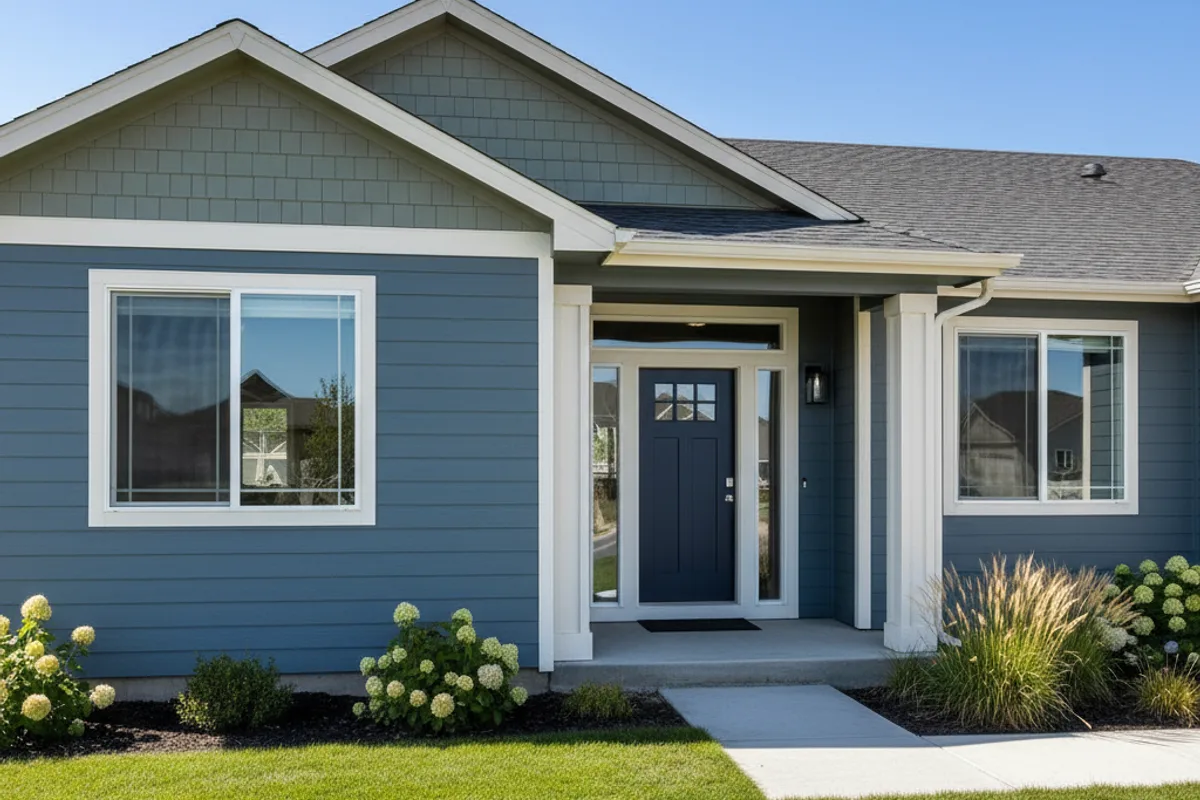
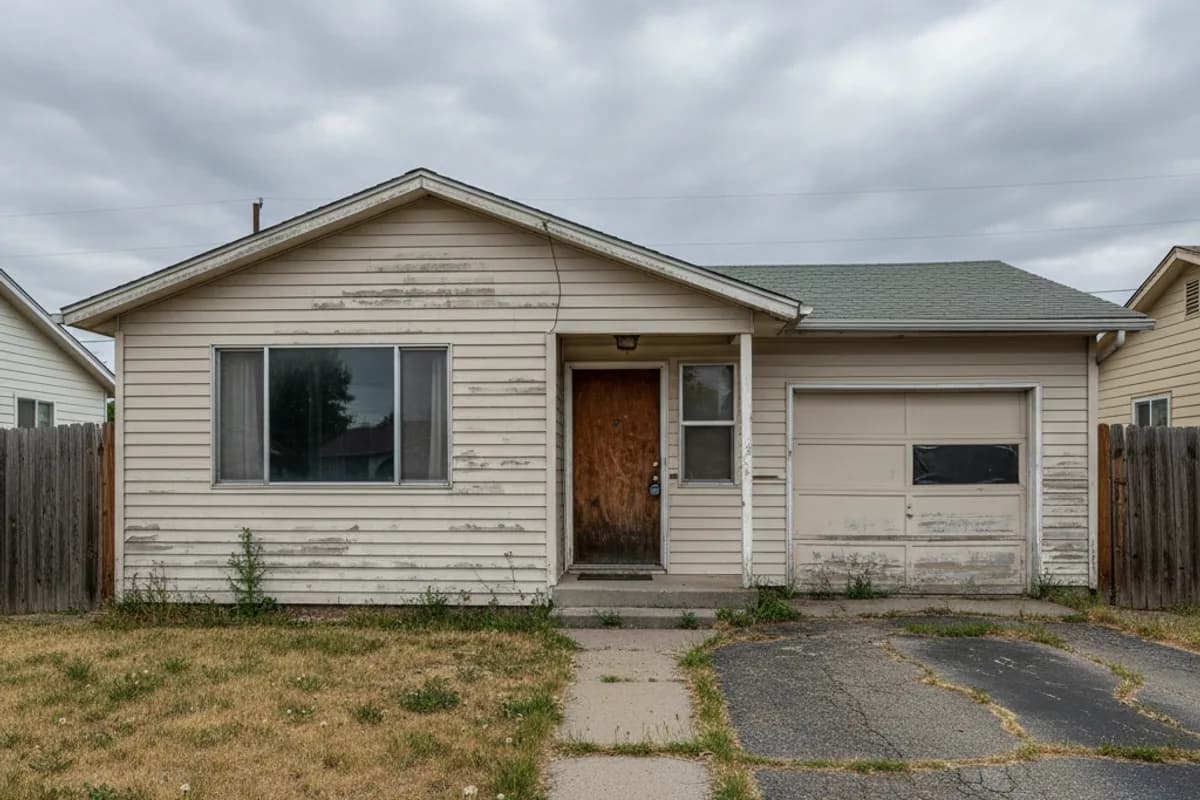
Drag the slider to compare a completed siding installation project in Ridgecrest, Nampa — the same work we bring to Parma homes.
Before
After
This Ridgecrest, Nampa siding installation project is one example of the work we bring to Parma-area homes. See the full case study or browse all our Treasure Valley projects.

Talk to a real project manager
Have Questions? Call Now for a Free In-Home Consultation.
Mon–Fri 7 AM–6 PM · Licensed & insured · No obligation
Russ S. — Project Manager
Russ S. — Project Manager
What remodeling services does Iron Crest Remodel offer in Parma?
Iron Crest Remodel provides kitchen remodeling, bathroom remodeling, whole-home renovations, interior and exterior painting, flooring installation, deck building, siding installation, window replacement, and ADU construction for Parma homeowners.
How much does a home remodel cost in Parma, Idaho?
Remodeling costs in Parma vary by project scope. Bathroom remodels typically range from $15,000 to $45,000, kitchen remodels from $25,000 to $75,000, and whole-home renovations from $80,000 to $250,000 or more. Contact us for a free, detailed estimate for your specific project.
Do I need a permit for remodeling in Parma?
Most structural, electrical, and plumbing work in Parma requires permits from the local building department. Iron Crest Remodel handles all permit applications and inspections as part of our full-service process, so you do not need to manage permits yourself.
How long does a typical remodeling project take in Parma?
Project timelines depend on scope and complexity. A bathroom remodel typically takes 3 to 6 weeks, a kitchen remodel 6 to 12 weeks, and a whole-home renovation 3 to 6 months. We provide a detailed timeline during your free consultation.
Is Iron Crest Remodel licensed and insured in Idaho?
Yes. Iron Crest Remodel holds Idaho RCE License #6681702 and is fully insured to perform residential remodeling work throughout the Boise metropolitan area, including Parma. We carry $2M general liability insurance and workers compensation coverage on every project.
Long before Boise became Idaho's capital, the stretch of bottomland where the Boise River empties into the Snake River was one of the most important landmarks in the Pacific Northwest. The Hudson's Bay Company established Fort Boise here in 1834 as a fur-trading post, and the site became a critical waypoint on the Oregon Trail for tens of thousands of westward emigrants. The town of Parma grew up near that historic ground, officially incorporating in 1907 as irrigation canals transformed the surrounding sagebrush desert into some of the most productive farmland in the Intermountain West. Today, Parma's roughly 2,000 residents live in a community still deeply rooted in that agricultural heritage—a place where onion fields, hop yards, sugar beet operations, and dairy farms define the economic landscape as much as any employer in the Boise metro 40 miles to the east.
That agricultural economy shaped Parma's housing stock in ways that directly affect remodeling today. The oldest homes in town—some dating to the early 1900s near the original fort site—were built by homesteaders and farm operators who valued function over fashion. These are heavy-framed structures with thick plaster walls, root cellars, covered porches oriented toward prevailing breezes, and floor plans designed around the rhythms of farm life. The mid-century decades added a downtown core of modest ranch homes and small bungalows, while the surrounding countryside filled in with farmhouses, equipment buildings, and the occasional mobile home on agricultural parcels. More recently, Parma has attracted a trickle of new construction from buyers priced out of the Caldwell–Nampa corridor who see western Canyon County as the last affordable frontier in the Treasure Valley orbit.
What drives remodeling demand in Parma is a combination of aging infrastructure and new opportunity. Many of the town's older homes have original plumbing, outdated electrical systems, single-pane windows, and kitchens that haven't been touched since the Eisenhower administration. At the same time, a growing number of buyers from the Boise metro are discovering that Parma's home prices—often 50% to 70% below comparable properties in Meridian or Eagle—make it possible to purchase a home and invest $30,000 to $60,000 in renovation for a total cost that still undercuts the Treasure Valley median. Iron Crest has helped homeowners on both sides of that equation: long-time Parma residents preserving and upgrading properties their families have owned for decades, and newcomers transforming affordable purchases into comfortable, modern homes that still respect the town's agricultural character.
Parma also serves as western Canyon County's small regional hub. It is the largest community between Caldwell and the Oregon border along the I-84 corridor south of the Boise River, providing basic services to neighboring Notus, Wilder, and the surrounding unincorporated farmland. That hub role means Parma's downtown sees more foot traffic and commercial activity than its population alone would suggest—and homeowners in the town center benefit from proximity to schools, the library, churches, and the handful of local businesses that anchor daily life. For remodeling purposes, downtown Parma properties are generally on municipal water and sewer, while rural Parma properties rely on well and septic systems that add complexity and cost to any renovation project.
Parma Community Profile
- Founded
- 1907 (incorporated)
- Population
- ~2,000
- County
- Canyon County
- Distance to Boise
- ~40 miles west
- Elevation
- ~2,230 ft
- Key Industries
- Agriculture, Dairy
Parma's Agricultural Heritage
- Onion capital of Idaho & major hop producer
- Sugar beet & dairy operations
- Fort Boise historic site nearby
- Boise River & Snake River confluence
- Western Canyon County's regional hub
Parma's housing stock spans more than a century of construction, from pioneer-era homesteads near the original Fort Boise to modest newer builds on the town's edges. Each property type presents distinct remodeling challenges and opportunities that require a contractor familiar with western Canyon County's unique building conditions.
Historic Downtown Homes (Pre-1950)
Parma's downtown core contains some of the oldest homes in western Canyon County—structures built between 1900 and 1950 that reflect the town's early agricultural prosperity. These homes typically feature brick or stone foundations, plaster-over-lath interior walls, original hardwood or softwood flooring, and compact room layouts designed for a pre-modern era. Many retain knob-and-tube wiring, galvanized steel plumbing, and single-pane wood-framed windows that have served their purpose but now require replacement.
Remodeling these properties demands a preservation-sensitive approach. Iron Crest starts with a thorough structural and systems assessment—checking foundation integrity, testing for lead paint and asbestos insulation, evaluating the electrical panel's capacity, and mapping the existing plumbing layout. From there, we develop a phased renovation plan that addresses life-safety upgrades first (electrical, plumbing, HVAC), then moves to the finishes and layout changes that transform daily livability. Where homeowners want to preserve original character—crown molding, built-in cabinetry, period-appropriate door hardware—we integrate those details into the modern systems work so nothing is lost in the process.
Mid-Century Ranch Homes (1960s–1980s)
The postwar decades brought a wave of modest ranch-style homes to Parma's residential neighborhoods. These single-story structures typically sit on concrete slab or crawlspace foundations, with straightforward framing, copper or early PEX plumbing, and forced-air heating systems. They were built efficiently and affordably, which means they share common limitations: small master bathrooms (often just a tub/shower combo and single vanity), galley kitchens with limited counter space, and minimal insulation by modern standards.
Mid-century ranch remodels in Parma focus on layout modernization and system upgrades. The most popular projects include opening the kitchen to the living area by removing non-load-bearing walls, expanding the master bathroom to include a walk-in shower and double vanity, replacing original windows with low-E double-pane units, and adding insulation to bring the building envelope up to current energy codes. These homes have good bones—the framing is solid, the rooflines are simple, and the single-story layout makes plumbing and electrical access straightforward. Iron Crest typically completes a mid-century ranch kitchen-and-bath remodel in Parma in 10 to 14 weeks.
Agricultural Properties & Farmhouses
The majority of Parma's land area is agricultural, and many of the community's most significant remodeling projects take place on working or former farming properties. These parcels typically range from 5 to 80+ acres and include a primary farmhouse, one or more outbuildings (barns, equipment sheds, shops), and infrastructure tied to the agricultural operation—irrigation headgates, stock water lines, grain bins, and equipment pads. The farmhouses themselves vary enormously: some are century-old two-story structures with fieldstone foundations and hand-framed timbers, while others are 1970s manufactured homes that were installed as “temporary” housing and never replaced.
Renovating agricultural properties requires a contractor who understands rural infrastructure. Nearly all of these homes rely on private wells and septic systems, which means bathroom additions and kitchen remodels must account for well capacity, water treatment needs, septic tank sizing, and drain field setbacks. Electrical service on older farms may be limited to 100 or even 60 amps—inadequate for a modern kitchen with multiple circuits, HVAC equipment, and EV charging. Iron Crest coordinates utility upgrades, well and septic professionals, and irrigation district requirements as part of every rural Parma project scope, ensuring that the infrastructure behind the walls supports the finishes in front of them.
Fort Boise Area Properties
The area south of Parma near the historic Fort Boise site holds a special place in Idaho's pioneer history. Properties in this corridor sit along the Boise River bottomland where the Oregon Trail crossed the river, and some parcels contain remnants of the fort's historical footprint. While there are no formal historic district designations or mandatory preservation overlays in this area, the historical significance of the location influences how thoughtful homeowners and contractors approach renovation work.
Iron Crest treats Fort Boise area projects with an awareness of that heritage. When renovating older homes near the historic site, we document existing architectural features before beginning demolition, preserve original elements that contribute to the property's character (hand-hewn beams, original masonry, period hardware), and select materials and finishes that complement the area's rural-historic aesthetic rather than fighting against it. This is not about sacrificing modern comfort—Fort Boise area homeowners get the same high-performance kitchens, bathrooms, and building systems as any Iron Crest client. The difference is in the details: trim profiles, color palettes, exterior cladding choices, and landscaping integration that honor the property's context.
Parma's location at the western edge of Canyon County—near the confluence of the Boise and Snake Rivers, surrounded by irrigated farmland, and exposed to the wind patterns of the Snake River Plain—creates construction conditions that differ meaningfully from the Boise metro. Every Iron Crest project in the Parma area accounts for these factors from the initial scope through final inspection.
Boise River & Snake River Proximity
Parma sits in the Boise River floodplain near its confluence with the Snake River, which means many properties—particularly those south and west of town—fall within FEMA-designated flood zones. High water table conditions are common even on parcels outside the mapped floodplain, especially during spring runoff when irrigation canals are fully charged and river levels peak. These conditions affect remodeling in several ways: foundations must be evaluated for moisture intrusion, basement and crawlspace waterproofing is critical, and any additions or structural work on flood-zone properties must comply with Canyon County's floodplain development regulations.
Iron Crest begins every Parma project with a site assessment that includes floodplain verification through Canyon County GIS records, soil moisture evaluation, and crawlspace or basement inspection for signs of water damage, mold, or structural compromise from prolonged moisture exposure. We specify moisture-resistant materials for below-grade and ground-level applications—closed-cell spray foam insulation, cement board underlayment, mold-resistant drywall, and exterior drainage systems that move water away from the foundation before it becomes a problem.
Irrigation Infrastructure & Canal Systems
Parma's agricultural landscape is crisscrossed by an extensive network of irrigation canals, laterals, and drainage ditches managed by local irrigation districts. These waterways carry significant flow during the growing season (typically April through October) and affect residential properties in multiple ways. Irrigation easements restrict where structures can be placed, seasonal water flow raises the local water table, and canal-bank erosion can undermine foundations on adjacent lots over time.
For remodeling projects that involve additions, outbuilding conversions, or exterior work, Iron Crest verifies irrigation easement locations and setback requirements with the relevant irrigation district before finalizing design plans. We also account for seasonal water table fluctuations in foundation design and drainage planning—a crawlspace that appears dry during a winter inspection may see standing water during peak irrigation season. Understanding this seasonal cycle is essential for specifying appropriate waterproofing, insulation, and ventilation systems in Parma-area homes.
Agricultural Dust & Wind Exposure
The Snake River Plain's prevailing westerly winds combine with Parma's open agricultural landscape to create significant dust and wind exposure for residential properties. During harvest season and spring field preparation, airborne agricultural dust can infiltrate homes through gaps in siding, aging window seals, and inadequate HVAC filtration. Year-round, western Canyon County's wind speeds are higher than the sheltered Boise foothills, placing additional stress on exterior materials—particularly siding, roofing, and paint systems.
Iron Crest specifies exterior materials for Parma projects with this exposure in mind. Fiber cement siding outperforms vinyl in high-wind agricultural environments because it resists impact damage, doesn't warp in temperature extremes, and holds paint significantly longer. For window replacement, we recommend units with enhanced weatherstripping and multi-point locking mechanisms that create a tighter seal against dust infiltration. On the HVAC side, we install high-MERV filtration systems and ensure ductwork is properly sealed to prevent agricultural particulate from entering the living space—a detail that makes a meaningful difference in indoor air quality for Parma homeowners living adjacent to active farmland.
Historic Structure Preservation
Parma contains some of the oldest continuously occupied residential structures in Canyon County. While there is no formal historic district or mandatory preservation ordinance, many homeowners—particularly those in downtown Parma and the Fort Boise corridor—value the character and craftsmanship of their older homes and want renovations that honor that legacy. The challenge is balancing historic character with modern performance: how do you bring a 1910 farmhouse up to current electrical and plumbing codes, add proper insulation, and install a modern kitchen without turning it into a generic box?
Iron Crest's approach to historic Parma homes starts with documentation. We photograph and catalog original details—trim profiles, door styles, hardware, built-in features—before any demolition begins. During construction, we protect elements that will be preserved and source period-appropriate replacements for items that cannot be saved. Modern systems (electrical, plumbing, HVAC, insulation) are routed through wall cavities and chases that minimize visible impact on original surfaces. The result is a home that looks and feels like itself—only better: safer, more comfortable, more energy-efficient, and ready for another century of use.
Navigating the permitting process in Parma requires understanding which jurisdiction applies to your property and coordinating with the appropriate agencies. Iron Crest handles this complexity as a standard part of every project, so homeowners never have to chase paperwork or schedule their own inspections.
Canyon County Development Services
Building permits for properties within Parma city limits and the surrounding unincorporated Canyon County area are issued through Canyon County Development Services in Caldwell. The county reviews building plans for compliance with the International Building Code (IBC), International Residential Code (IRC), and local amendments. Typical permit turnaround for residential remodeling projects is 2 to 4 weeks, though complex projects involving structural changes or additions may require additional review time. Iron Crest submits complete permit packages—including architectural drawings, structural calculations when required, and energy code compliance documentation—that minimize revision cycles and keep projects on schedule.
City of Parma vs. Unincorporated Properties
An important distinction for Parma-area homeowners is whether their property falls within Parma city limits or in the surrounding unincorporated Canyon County. Properties inside city limits are connected to municipal water and sewer, which simplifies kitchen and bathroom remodels—there are no septic system constraints on fixture count or drain placement. Properties outside city limits typically rely on private wells and septic systems, which adds coordination requirements and may require Southwest District Health (SWDH) review for any project that increases water usage or modifies wastewater connections.
Parma's city government also has its own land use and zoning ordinances that may affect additions, accessory structures, and exterior modifications. Iron Crest verifies jurisdiction, zoning classification, and any applicable overlay requirements (such as floodplain regulations) during the initial project assessment, so there are no surprises when the permit application is submitted.
SWDH for Septic & Well on Rural Lots
For Parma properties on well and septic, the Southwest District Health Department (SWDH) plays a regulatory role in any remodeling project that affects water supply or wastewater disposal. Bathroom additions, extra fixtures, and increased water usage may require a septic system evaluation to confirm that the existing tank and drain field can handle the additional load. In some cases, the septic system must be upgraded or replaced before the building permit can be issued. SWDH also regulates well setbacks from septic components—a critical consideration for additions or outbuilding conversions on smaller rural lots.
Iron Crest coordinates directly with SWDH on behalf of our Parma clients, scheduling inspections, submitting required documentation, and ensuring that all well and septic requirements are met before construction begins. This prevents the costly mid-project delays that occur when septic issues are discovered after framing is already underway.
Historic Preservation Considerations
While Parma does not have a formal historic preservation commission or mandatory design review process, properties near the Fort Boise historic site and in the oldest sections of downtown Parma may have historical significance that warrants careful consideration during renovation planning. Homeowners seeking state or federal historic tax credits for rehabilitation work must comply with the Secretary of the Interior's Standards for Rehabilitation—a set of guidelines that Iron Crest is familiar with from prior work on historic Idaho properties.
Even without tax credit motivations, many Parma homeowners prefer renovations that respect their property's heritage. Iron Crest works with these clients to identify which original features are worth preserving, which can be replicated cost-effectively, and where modern interventions can be introduced without compromising the home's historic character. The goal is always a home that performs like new but feels like itself.
Iron Crest's Full-Service Permitting
Iron Crest handles every aspect of the permitting process for Parma projects—from initial jurisdiction verification and zoning research through plan preparation, permit application submission, fee payment coordination, and inspection scheduling. Our team works regularly with Canyon County Development Services, the City of Parma, SWDH, and the local irrigation districts. Homeowners receive a complete permitting timeline as part of their project proposal, with realistic expectations for approval turnaround and any agency-specific requirements that may affect the construction schedule.
This full-service approach is especially valuable in Parma, where a single project may require coordination with three or four separate agencies—the county building department, city planning, SWDH for septic, and the irrigation district for setback compliance. Iron Crest manages all of these relationships so the homeowner deals with one point of contact from start to finish.
Common questions from Parma homeowners considering a remodeling project. If your question isn't answered here, contact Iron Crest for a free consultation tailored to your property and goals.
How does Iron Crest approach historic home renovations in Parma?
We start with a thorough assessment of the home's existing condition, documenting original architectural details before any work begins. Our approach prioritizes systems upgrades (electrical, plumbing, HVAC, insulation) routed through concealed pathways that minimize impact on historic surfaces. Where homeowners want to preserve original character—trim profiles, built-in cabinetry, period hardware, original masonry—we protect those elements during construction and integrate them into the finished renovation. The result is a home that performs at modern standards while retaining the craftsmanship and character that make Parma's older homes special.
What flood zone considerations affect remodeling near the Boise and Snake Rivers?
Properties in or near FEMA-designated flood zones face additional regulatory requirements for structural modifications, additions, and substantial improvements. Canyon County's floodplain development regulations may require elevation certificates, restrict certain types of below-grade construction, and mandate specific flood-resistant building materials. Iron Crest verifies flood zone status through Canyon County GIS records during the initial project assessment and designs renovation plans that comply with all applicable floodplain requirements. We also specify moisture-resistant materials and drainage systems for any Parma property where high water table conditions or seasonal flooding are a concern, even if the property falls outside the mapped flood zone.
What happens with well and septic when adding a bathroom to a rural Parma property?
Adding a bathroom (or any fixtures that increase water usage) on a property with a private well and septic system requires coordination with Southwest District Health (SWDH). The existing septic system must be evaluated to confirm it can handle the additional load—this includes tank capacity, drain field condition, and soil percolation rates. If the system is undersized or aging, an upgrade or replacement may be required before the building permit is issued. Iron Crest handles all SWDH coordination, including scheduling inspections and submitting required documentation, so the process is seamless for the homeowner. We also verify well production rates and water quality to ensure the existing well can support additional fixtures without pressure or flow issues.
How do remodeling costs in Parma compare to Caldwell and Nampa?
Remodeling costs in Parma are generally comparable to other Canyon County communities on a per-square-foot basis for materials and labor. The primary cost differences relate to site-specific factors rather than geography: rural properties with well and septic systems may require infrastructure upgrades that add to the total project cost, and older homes with outdated electrical and plumbing systems need more extensive behind-the-wall work before finishes can be installed. However, Parma's lower property values mean that the remodeling investment represents a higher percentage return compared to similar improvements in Caldwell or Nampa, where home prices are 20% to 40% higher. Iron Crest provides detailed, project-specific estimates that account for all site conditions, so there are no surprises regardless of location.
How does agricultural property scheduling work for renovation projects?
Agricultural property renovations in Parma require scheduling awareness that goes beyond standard residential project planning. Harvest season (typically late summer through fall) brings heavy equipment traffic on rural roads, dust from field operations, and increased activity on the property itself that can conflict with construction work. Irrigation season (April through October) affects water table levels and may restrict excavation or foundation work near canals and laterals. Iron Crest works with agricultural property owners to time major renovation phases around the farming calendar—scheduling exterior work and foundation projects during the drier, quieter winter months when possible, and coordinating interior finish work during seasons when agricultural activity is at its peak outdoors. This approach minimizes disruption to both the farming operation and the remodeling project.
Does the distance from Boise affect pricing or crew availability for Parma projects?
Parma is approximately 40 miles west of our Boise headquarters—about a 50-minute drive via I-84. Iron Crest block-schedules Parma projects alongside work in nearby communities like Notus, Caldwell, and Wilder, which means crews spend full days on-site rather than making short trips. This scheduling approach keeps travel costs minimal and ensures consistent daily progress. We do not add a distance surcharge for Parma projects. Material delivery is coordinated through Caldwell and Nampa suppliers who service the entire western Canyon County corridor regularly, so there are no lead-time penalties for the location. The only scheduling consideration is that Parma projects are typically batched into our western Canyon County rotation, which may affect start date availability during peak season.
How does the Canyon County permit timeline compare to Ada County?
Canyon County permit processing times are generally comparable to or slightly faster than Ada County for standard residential remodeling projects. Simple permits (like-for-like replacements, minor interior modifications) can be issued in as little as 1 to 2 weeks. More complex projects involving structural changes, additions, or new plumbing and electrical runs typically take 2 to 4 weeks for plan review and approval. The key difference is that Canyon County's volume is lower than Ada County's, which can mean fewer revision cycles and more accessible plan reviewers when questions arise. Iron Crest's experience with Canyon County Development Services allows us to submit complete, code-compliant permit packages that move through review efficiently—minimizing the wait time between project signing and construction start.
Start Your Parma Remodeling Project
Get a free, no-obligation estimate for your Parma home. Licensed, insured, and ready to build.