
Home Remodeling in Cascade, Idaho
Cascade is the county seat of Valley County, located about 70 miles north of Boise along Highway 55 near Cascade Lake and Tamarack Resort. Iron Crest Remodel provides Cascade homeowners and vacation property owners with professional remodeling services.
Neighborhoods We Serve

Cascade is the county seat of Valley County, located about 70 miles north of Boise along Highway 55 near Cascade Lake. With a population around 1,000, Cascade serves as a hub for outdoor recreation, ranching, and the growing Tamarack Resort community. The town's housing stock ranges from historic downtown properties to lakeside homes and newer resort-area builds.

Downtown Cascade
The town center features older homes from the early 1900s through the 1970s, many built for ranching and timber families. These properties often need comprehensive updates—modernized kitchens and bathrooms, replaced windows, upgraded insulation, and updated electrical and plumbing systems. Downtown Cascade homes were built for function in a harsh mountain climate, and remodeling focuses on bringing comfort and efficiency up to modern standards while maintaining the town's unpretentious mountain character.

Cascade Lake Properties
Lakeside homes and properties with Cascade Lake views command premium values and attract buyers seeking vacation or retirement living. Remodeling these properties often focuses on creating open-concept living spaces that maximize lake views, premium kitchens designed for entertaining, spa-style master bathrooms, and outdoor living areas. Energy efficiency is critical—Cascade's winters are long and cold, and heating costs can be significant without proper insulation and windows.

North Cascade & Tamarack Area
The area north of Cascade toward Tamarack Resort and Donnelly has seen significant growth in vacation and second-home construction. Newer builds in this area typically have builder-grade finishes that owners upgrade—quartz countertops, custom tile, premium fixtures, and high-end flooring. Some properties are also optimized for short-term rental use, requiring durable, guest-ready finishes that look premium and withstand heavy use.

Rural Ranch & Acreage Properties
South and east of town, Cascade's ranching heritage shows in sprawling properties with older farmhouses and outbuildings. These homes often date to the mid-1900s and need significant modernization—updated wiring, modern plumbing, efficient heating systems, and complete kitchen and bathroom renovations. Acreage properties may also involve converting outbuildings or adding living space, requiring structural expertise and familiarity with Valley County's rural building codes and setback requirements.
Remodeling costs in Cascade reflect the mountain location's premium for materials, logistics, and cold-climate construction techniques.
| Project Type | Typical Cost Range | Average Timeline |
|---|---|---|
| Kitchen Remodel | $24,000 – $60,000 | 10 – 16 weeks |
| Bathroom Remodel | $11,000 – $30,000 | 4 – 8 weeks |
| Cabin/Lake Home Renovation | $35,000 – $120,000 | 14 – 28 weeks |
| Window Replacement | $7,000 – $22,000 | 1 – 3 weeks |
| Siding Installation | $14,000 – $36,000 | 2 – 5 weeks |
| Exterior Painting | $3,500 – $9,000 | 4 – 7 days |
| Flooring Installation | $5,500 – $15,000 | 1 – 3 weeks |
* Mountain logistics and cold-climate construction requirements may affect final pricing. Contact us for a detailed, project-specific estimate.
Cascade's remodeling market is driven by two powerful forces: lakefront living and the vacation rental economy. Cascade Lake—a 28,000-acre reservoir surrounded by mountains—is the community's crown jewel, drawing buyers who want lakeside homes for personal use, retirement, or investment income. Properties with lake views or lake access command premium prices, and owners invest heavily in remodeling that maximizes both livability and rental appeal. Open-concept kitchens designed for entertaining groups, master suites with spa-style bathrooms, and outdoor living spaces that extend the usable season are the most common high-value upgrades.
The vacation rental market has transformed Cascade's remodeling priorities. Short-term rental platforms have made it possible for property owners to generate significant income from homes that sit vacant much of the year, but only if those homes meet the expectations of discerning vacation renters. Iron Crest helps Cascade property owners design remodels that serve dual purposes—personal comfort when they're in residence, and guest-ready durability when the property is rented. That means premium finishes that photograph well for listings, commercial-grade appliances that handle heavy use, durable flooring that withstands boot traffic, and bathrooms with finishes that resist moisture and clean easily between guests.
Winterization and insulation are non-negotiable in Cascade, where temperatures regularly drop well below zero and snow accumulates in feet, not inches. Many older Cascade homes were built with insulation standards that are inadequate by modern performance standards—R-11 walls and R-19 attics that allow heat to escape and energy bills to climb. Iron Crest prioritizes building envelope upgrades in every Cascade project: spray-foam or blown-in insulation to R-21+ walls and R-49 attics, triple-pane windows rated for extreme cold, freeze-resistant plumbing in exterior walls, and heated utility runs that prevent the pipe bursts that plague under-insulated mountain homes. Valley County's permitting requirements for cold-climate construction are stricter than metro-area codes, and our team navigates these standards as a routine part of every Cascade project.
Cascade sits at 4,800 feet elevation in Valley County with long, cold winters and significant snowfall. Building and remodeling here demands specialized knowledge of mountain construction standards and local regulations.
Valley County Permitting
Cascade is the county seat, and building permits are issued through Valley County's planning and zoning department. The permitting process, fee schedules, and inspection requirements differ from Ada and Canyon County jurisdictions. Our team handles all Valley County permit applications, plan reviews, and inspection coordination so your project moves forward without administrative delays.
Cold-Climate Construction
Cascade's mountain climate demands construction techniques built for extreme conditions—snow loads of 50+ lbs per square foot, freeze-resistant plumbing, high-R-value insulation (R-38 to R-49 in attics), triple-pane windows, and heated utility runs. Every remodeling project we scope in Cascade accounts for these cold-climate requirements from the start, ensuring your investment performs through decades of harsh winters.
Lakeside & Flood Zone Awareness
Properties near Cascade Lake may fall within flood zones requiring specific construction standards and materials. Elevated foundations, moisture-resistant finishes, and compliant drainage systems are common requirements for lakeside builds. We navigate these requirements as part of every lakeside project scope, coordinating with Valley County to ensure full compliance before work begins.
Finding a licensed contractor willing to travel to Cascade and build to mountain standards is a real challenge. Iron Crest Remodel is committed to serving Cascade and Valley County with the same professionalism and craftsmanship we bring to every Treasure Valley project.
Explore our in-depth guides covering costs, timelines, and planning tips for Cascade homeowners considering a remodeling project.
Kitchen Remodeling Cost
Local pricing data, material options, and budget strategies for lakefront and mountain kitchen projects.
Read GuideBathroom Remodeling Cost
What Cascade homeowners pay for bathroom remodels, from basic updates to spa-style lakefront renovations.
Read Guide
Kitchen Remodeling Timeline
Week-by-week breakdown of a mountain kitchen remodel, with cold-climate scheduling considerations.
Read GuideBathroom Remodeling Materials
Compare tile, vanity, fixture, and countertop options rated for cold-climate durability and vacation rental use.
Read GuideIron Crest Remodel offers a full range of remodeling services in Cascade, ID. Explore each service to learn about pricing, timelines, and our process for Cascade homeowners.
Interior Remodeling
Exterior Remodeling
Other Service Areas
The work we do near Cascade
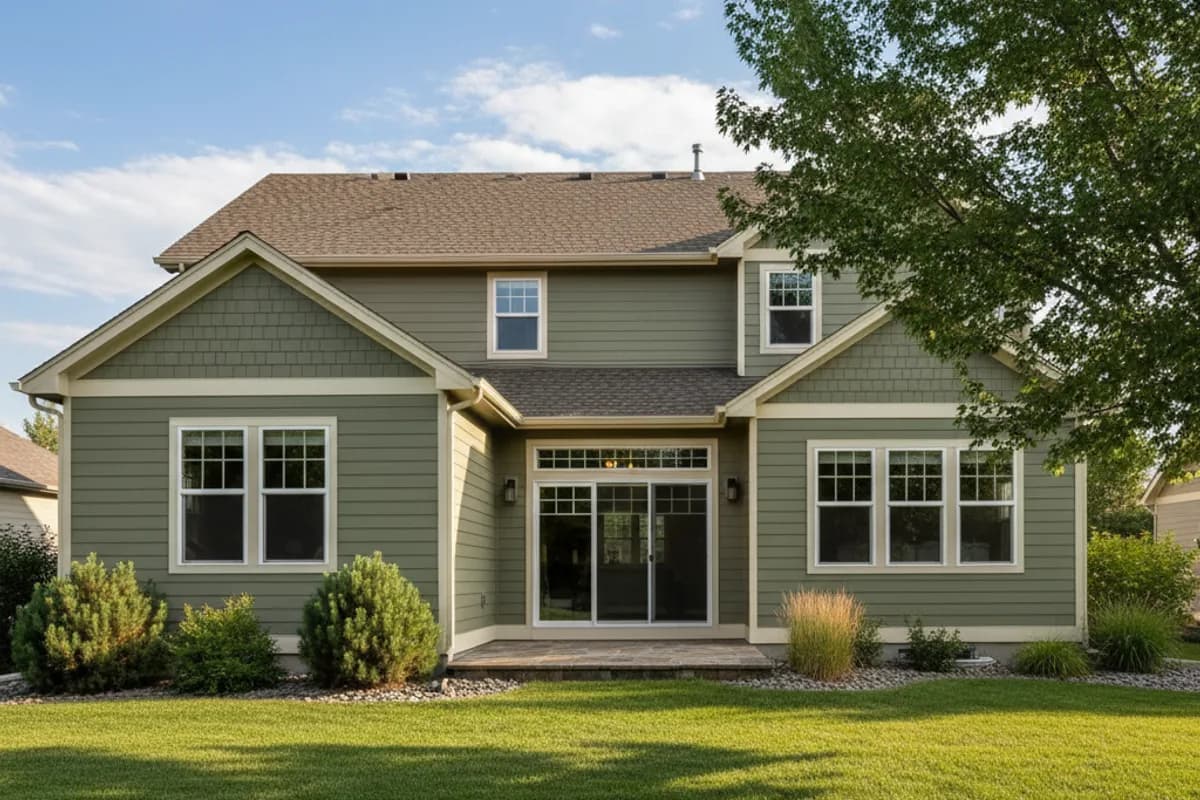
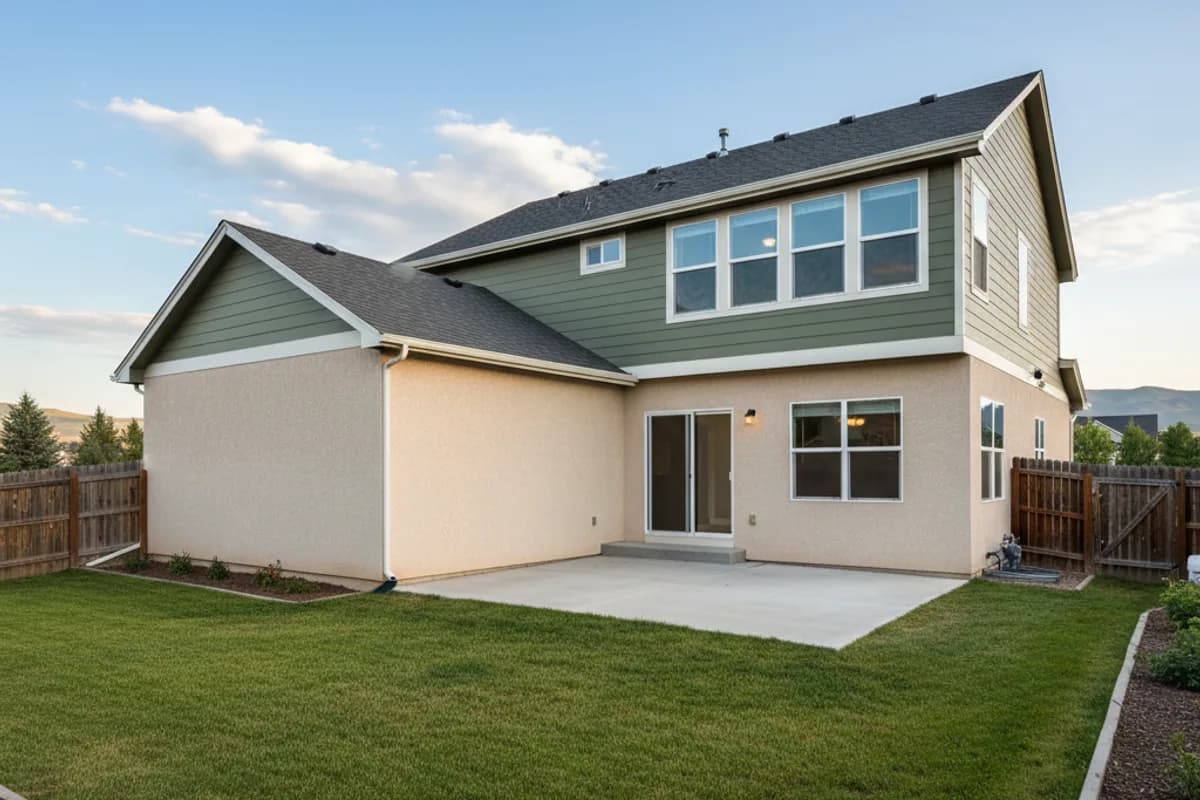
Drag the slider to compare a completed home additions project in Lakemoor, Eagle — the same work we bring to Cascade homes.
Before
After
This Lakemoor, Eagle home additions project is one example of the work we bring to Cascade-area homes. See the full case study or browse all our Treasure Valley projects.

Talk to a real project manager
Have Questions? Call Now for a Free In-Home Consultation.
Mon–Fri 7 AM–6 PM · Licensed & insured · No obligation
Russ S. — Project Manager
Russ S. — Project Manager
What remodeling services does Iron Crest Remodel offer in Cascade?
Iron Crest Remodel provides kitchen remodeling, bathroom remodeling, whole-home renovations, interior and exterior painting, flooring installation, deck building, siding installation, window replacement, and ADU construction for Cascade homeowners.
How much does a home remodel cost in Cascade, Idaho?
Remodeling costs in Cascade vary by project scope. Bathroom remodels typically range from $15,000 to $45,000, kitchen remodels from $25,000 to $75,000, and whole-home renovations from $80,000 to $250,000 or more. Contact us for a free, detailed estimate for your specific project.
Do I need a permit for remodeling in Cascade?
Most structural, electrical, and plumbing work in Cascade requires permits from the local building department. Iron Crest Remodel handles all permit applications and inspections as part of our full-service process, so you do not need to manage permits yourself.
How long does a typical remodeling project take in Cascade?
Project timelines depend on scope and complexity. A bathroom remodel typically takes 3 to 6 weeks, a kitchen remodel 6 to 12 weeks, and a whole-home renovation 3 to 6 months. We provide a detailed timeline during your free consultation.
Is Iron Crest Remodel licensed and insured in Idaho?
Yes. Iron Crest Remodel holds Idaho RCE License #6681702 and is fully insured to perform residential remodeling work throughout the Boise metropolitan area, including Cascade. We carry $2M general liability insurance and workers compensation coverage on every project.
Cascade sits at the heart of Valley County's outdoor recreation economy, a small mountain town of roughly 1,000 year-round residents that swells dramatically during summer boating season and winter ski weekends at Tamarack Resort. Located 75 miles north of Boise along Highway 55, Cascade occupies the southern shore of its namesake lake—a 28,000-acre reservoir that defines the local real estate market and drives the vast majority of remodeling investment in the area. Unlike the suburban subdivisions of the Treasure Valley, Cascade's housing stock is a patchwork of eras and purposes: 1940s ranching homesteads, 1970s A-frame cabins, 1990s spec-built lake houses, and post-2000 Tamarack-era vacation homes. Each category presents distinct remodeling challenges and opportunities.
The town's dual identity—quiet rural county seat and gateway resort destination—creates a remodeling market unlike anything in the Boise metro. Property values near Cascade Lake have climbed steadily as remote work and short-term rental platforms make mountain living financially viable for a broader audience. Buyers who once viewed Cascade as a weekend getaway destination are now converting seasonal cabins into year-round residences, demanding insulation upgrades, modern HVAC systems, and full kitchen and bathroom renovations that bring 30- to 50-year-old structures up to contemporary living standards. Simultaneously, investors are purchasing older lake-area properties specifically to renovate them into high-performing vacation rentals, creating demand for durable, photogenic finishes that attract bookings and withstand heavy guest turnover.
Iron Crest Remodel understands both sides of this market. We design projects for Cascade homeowners who want a comfortable, efficient year-round residence and for investors who need their renovation dollars to generate measurable rental income. Every Cascade project we scope begins with a conversation about the property's intended use, because the right design decisions for a personal lakefront retreat differ meaningfully from those that maximize a vacation rental's revenue per night.
Cascade at a Glance
- Elevation
- 4,800 ft
- Year-Round Population
- ~1,000
- Distance from Boise
- 75 miles (1.5 hrs)
- Cascade Lake
- 28,000 acres
- Nearest Resort
- Tamarack (20 min)
- Design Snow Load
- 80–100+ psf
- Construction Season
- May–October
Cascade's housing stock falls into four distinct categories, each with unique remodeling requirements, budgets, and design considerations. Understanding your property type is the first step toward a successful renovation in Valley County.
Lakefront & Lake-View Properties
Cascade Lake waterfront homes are the highest-value properties in Valley County, and remodeling investments here yield the strongest returns—whether measured in personal enjoyment, resale value, or rental income. These properties range from original 1960s–1980s lake cabins with 800–1,200 square feet of basic living space to newer 2,000–3,500 square foot homes built in the 2000s with open floor plans and lake-facing walls of windows.
The most impactful lakefront remodeling projects focus on maximizing the connection between indoor living space and the lake. That means opening up compartmentalized floor plans to create great-room layouts with unobstructed sight lines to the water, installing floor-to-ceiling windows or sliding glass wall systems on the lake-facing side, and building covered decks or screened porches that extend the usable living area from May through October. Kitchens in lakefront homes serve as the social center for groups of 8–16 guests, so we design them with oversized islands, dual-sink setups, commercial-grade ranges, and walk-in pantries that support both daily family living and large-group entertaining.
Lakefront properties also face unique moisture and foundation challenges. Fluctuating lake levels, spring runoff, and high water tables require waterproofing strategies that differ from standard residential construction. We address crawlspace moisture with vapor barriers, sump systems, and dehumidification; specify moisture-resistant materials (fiber cement siding, PVC trim, porcelain tile) for any surface exposed to lake-side conditions; and design drainage systems that route water away from foundations during spring melt.
Common Lakefront Projects
Typical budget: $45,000–$150,000+
In-Town Cascade Homes
Downtown Cascade and the surrounding residential blocks contain the town's oldest housing stock—modest homes built from the 1930s through the 1970s for families connected to Valley County's ranching, timber, and government industries. These are typically 900–1,400 square foot homes on city lots served by municipal water and sewer, a significant advantage over the well-and-septic systems found on rural and some lakeside properties.
In-town Cascade remodels are often comprehensive modernizations. Kitchens in these homes tend to be small, closed-off galley layouts that benefit from wall removal and reconfiguration into open living areas. Bathrooms are frequently original single-bathroom setups that need complete gut renovation—new plumbing, updated electrical to current code, tile surrounds, vanity replacement, and modern ventilation. Many in-town homes also need significant infrastructure work: electrical panels upgraded from 100 to 200 amps, galvanized or polybutylene plumbing replaced with PEX, and insulation added to walls and attics that were built to minimal standards decades ago.
Because in-town Cascade homes are the most affordable entry point into the Valley County market, they attract buyers planning to renovate and either live year-round or convert to vacation rentals. Iron Crest helps these owners prioritize renovations that deliver the highest impact for the budget—typically a kitchen/bath package paired with insulation and window upgrades that dramatically reduce winter heating costs.
Common In-Town Projects
Typical budget: $25,000–$75,000
Tamarack Resort & Donnelly Area Properties
The corridor between Cascade and Donnelly—anchored by Tamarack Resort on West Mountain—represents the newest and fastest-growing segment of Valley County's housing market. Homes in this area were largely built between 2004 and the present, initially as ski-in/ski-out condos and townhomes at the resort, then expanding into standalone vacation homes on surrounding acreage. These properties were built to modern code but typically with builder-grade finishes designed to minimize construction cost rather than maximize owner enjoyment or rental performance.
Remodeling in the Tamarack area is primarily about upgrading finishes and optimizing layouts for the vacation and rental lifestyle. Kitchens get quartz countertops, tile backsplashes, soft-close cabinetry, and high-end appliance packages that replace the basic models installed by the builder. Bathrooms receive heated tile floors, frameless glass shower enclosures, double vanities, and moisture-resistant finishes rated for the heavy use that comes with hosting rental guests year-round. Flooring transitions from builder-grade carpet to luxury vinyl plank (LVP) or engineered hardwood that handles ski boot traffic, wet swimsuits, and pet-owning guests without showing wear.
For owners using these properties as short-term rentals, Iron Crest also designs for operational efficiency: lockable owner storage closets, reinforced entry areas with tile or stone that handle heavy foot traffic, laundry setups sized for rapid guest turnover, and durable wall finishes that resist scuffing and clean easily. These practical upgrades pay for themselves through higher nightly rates and reduced maintenance costs between guests.
Common Tamarack-Area Projects
Typical budget: $30,000–$90,000
Rural Valley County & Acreage Properties
Beyond Cascade's town limits and lakefront corridor, Valley County's rural landscape includes ranch properties, timbered acreage, and homesteads scattered along Warm Lake Road, the South Fork corridor, and the agricultural areas east and south of town. These properties typically feature older homes—1950s through 1980s construction—on parcels ranging from 5 to 200+ acres, served by private wells, septic systems, and propane or wood heat.
Remodeling rural Valley County properties requires a contractor comfortable working with off-grid or semi-rural infrastructure. Well water systems need to be evaluated for flow rate and quality before designing kitchens and bathrooms—low-flow fixtures, water treatment systems, and pressure tanks may need to be part of the project scope. Septic systems must be assessed for capacity before adding bathrooms or bedrooms, and Valley County requires septic evaluations as part of the permitting process for any work that increases a home's wastewater output. Propane heating systems are standard on rural properties, and remodeling often includes upgrading from older, inefficient propane furnaces to modern high-efficiency units or propane-fired hydronic (in-floor) heating systems.
Structural considerations are also more involved on rural properties. Older ranch homes may have foundations that have shifted or settled over decades, requiring leveling or reinforcement before interior finish work can begin. Roof structures may need reinforcement to meet current snow load requirements, which at Cascade's elevation demand engineering for 80–100+ pounds per square foot of ground snow load. Iron Crest evaluates these structural elements during the pre-construction assessment and incorporates any needed structural work into the project scope and budget before interior finish selections begin.
Common Rural Projects
Typical budget: $35,000–$120,000+
Cascade's 4,800-foot elevation and Central Idaho mountain climate create construction and remodeling conditions that differ fundamentally from the Boise metro. Understanding these challenges—and building for them from the start—is the difference between a renovation that performs for decades and one that fails within a few winters.
Heavy Snow Loads (80–100+ PSF)
Valley County's ground snow load requirements range from 80 to over 100 pounds per square foot (psf), depending on specific location and elevation—roughly double what the Boise metro requires. Every roof, deck, porch, and covered structure in Cascade must be engineered to carry this load without deflection or failure. During remodeling, this means any structural modification—removing a load-bearing wall, adding a roof extension, or building a new deck—requires engineering calculations that account for Cascade's snow load class.
Many older Cascade homes were built before current snow load standards were adopted and may have roof framing that is undersized by today's requirements. When we open up walls or access attic spaces during a remodel, we assess existing framing and recommend reinforcement where needed. Adding collar ties, sister rafters, or structural ridge beams during a kitchen or bathroom remodel is far more cost-effective than addressing a sagging roof as a standalone emergency project after a heavy snow year.
Short Construction Season (May–October)
Cascade's reliable outdoor construction window runs from mid-May through mid-October—roughly five months, compared to eight or nine months in the Boise metro. Snow, frozen ground, and sub-zero temperatures make exterior work, concrete pours, and excavation impractical from November through April. This compressed season means Cascade projects require more detailed advance planning than comparable Treasure Valley work.
Iron Crest manages this constraint by front-loading the planning and procurement phases during winter months. Design consultations, material selections, permit applications, and supply orders happen in January through April so that construction can begin the moment site conditions allow in spring. For projects that involve only interior work—kitchen and bathroom remodels, flooring, painting—we can schedule year-round, though material deliveries during winter require coordination around Highway 55 conditions and potential snow closures at higher elevations.
Well Water & Septic Systems
While in-town Cascade properties connect to municipal water and sewer, the majority of lakefront, rural, and Tamarack-area properties rely on private wells and septic systems. This infrastructure directly affects remodeling scope. Adding a bathroom, expanding a kitchen, or converting a property from seasonal to year-round use often increases water demand and wastewater output beyond what existing systems were designed to handle.
Before scoping any Cascade project that affects plumbing, we evaluate well production (gallons per minute), water quality (iron, hardness, pH), and septic system capacity and condition. If the existing septic cannot accommodate the planned renovation, Valley County requires a new perc test and potentially a system upgrade or replacement—a cost that ranges from $8,000 to $25,000 depending on soil conditions and system type. We incorporate these assessments into the project planning phase so that owners understand the full cost picture before committing to a design direction.
Propane Heat & Energy Efficiency
Natural gas service does not extend to Cascade. Virtually all homes heat with propane, supplemented by wood stoves in many older properties. Propane costs in Valley County run 30–50% higher than natural gas in the Boise metro, making energy efficiency improvements one of the highest-ROI upgrades for any Cascade remodel. A poorly insulated Cascade home can consume $4,000–$8,000+ in propane annually during a typical winter; proper insulation and window upgrades can cut that figure by 40–60%.
Iron Crest prioritizes building envelope upgrades in every Cascade project. We upgrade wall insulation to R-21 minimum (spray foam or dense-pack cellulose), boost attic insulation to R-49 or higher, install triple-pane windows rated for extreme cold (U-factor 0.20 or below), and seal the air leaks around rim joists, penetrations, and older window and door frames that allow conditioned air to escape. For heating system upgrades, we install 95%+ AFUE propane furnaces, propane-fired hydronic (in-floor) radiant systems for bathroom and entryway heated floors, and programmable thermostats that reduce fuel consumption when homes sit vacant between rental guests or owner visits.
Freeze Protection & Pipe Burst Prevention
Cascade temperatures regularly drop to -10°F to -20°F during January and February, with occasional extremes below -30°F. At these temperatures, any plumbing run through an exterior wall, unheated crawlspace, or poorly insulated floor cavity is at risk of freezing and bursting. Pipe bursts are one of the most common—and most expensive—emergencies in Valley County, particularly in vacation homes that sit unoccupied during cold snaps.
During every Cascade remodel, Iron Crest routes new plumbing through interior walls whenever possible, insulates any unavoidable exterior runs with closed-cell foam and heat trace cable, installs freeze-protection valves on outdoor spigots, and recommends smart water shutoff systems that detect leaks and cut supply automatically when the homeowner is away. For properties used as vacation rentals, we also install low-temperature alarms that alert owners if the heating system fails and interior temperatures approach freezing.
Material Logistics & Supply Chain
Cascade has no major building material retailers. Lumber, tile, fixtures, appliances, and specialty materials must be sourced from Boise-area suppliers and transported 75 miles north on Highway 55—a winding mountain highway that can be affected by weather, construction, and seasonal traffic. This logistics reality adds 10–20% to material costs compared to Treasure Valley projects and requires advance ordering with longer lead times to prevent project delays.
Iron Crest manages Cascade material logistics as a core part of project planning. We consolidate deliveries to minimize freight costs, stage materials on-site before construction begins, and maintain relationships with specialty freight services experienced with mountain deliveries. For large items like cabinetry, countertops, and appliances, we coordinate delivery timing with site readiness to avoid storing expensive materials in exposed conditions during Cascade's unpredictable shoulder-season weather.
Cascade is the Valley County seat, and all building permits for properties within the city limits and surrounding unincorporated areas are issued through the Valley County Building Department located on the Cascade courthouse campus. The permitting process in Valley County differs significantly from the Ada County and Canyon County systems that most Boise-area contractors and homeowners are familiar with. Processing times, fee structures, inspection scheduling, and code interpretations reflect the realities of a rural mountain county with a small staff managing a geographically vast jurisdiction.
For most Cascade remodeling projects, a building permit is required for any work that involves structural changes, electrical modifications, plumbing alterations, or mechanical system installation. Cosmetic work—painting, flooring replacement on existing subfloor, cabinet refacing without plumbing changes—generally does not require a permit. However, Valley County interprets some scope items differently than metro-area jurisdictions. For example, window replacement that changes the size or location of the opening requires a permit in Valley County, as does any insulation work that involves opening wall or ceiling cavities.
Permit applications require construction drawings, a project scope description, and contractor licensing documentation. Valley County reviews applications on a first-come basis and processing typically takes 2–4 weeks, though complex projects or applications submitted during the spring construction rush may take longer. Inspections are scheduled through the county building inspector's office and are conducted on a rotating schedule that covers the entire county—meaning inspection availability in Cascade may be limited to specific days of the week. Iron Crest coordinates our construction schedule around Valley County's inspection calendar to avoid idle days waiting for sign-off on covered work.
Properties near Cascade Lake may also fall within flood zone designations (Zone A or Zone AE per FEMA maps), which add construction requirements: elevated foundations, flood-resistant materials below the base flood elevation, and documentation showing compliance with National Flood Insurance Program standards. Lakefront property owners should verify their flood zone designation before planning major renovations, as flood zone compliance can affect project scope and cost. Iron Crest reviews FEMA flood maps as part of our pre-construction assessment for every Cascade lakefront project.
Valley County Permit Checklist
Requires Permit
Typically No Permit
- Processing Time
- 2–4 weeks
- Permit Office
- Valley County Courthouse
- Inspections
- Rotating county schedule
Answers to the questions Cascade homeowners and property investors ask most frequently about remodeling in Valley County's mountain environment.
What special considerations apply to remodeling a lakefront home on Cascade Lake?
Cascade Lake waterfront properties face unique challenges including fluctuating water tables, spring runoff drainage, flood zone compliance (FEMA Zone A or AE for many shoreline parcels), and moisture exposure on lake-facing surfaces. Remodeling a lakefront home requires waterproof foundation strategies (vapor barriers, sump systems, dehumidification for crawlspaces), moisture-resistant exterior materials (fiber cement siding, PVC trim, composite decking), and designs that account for lake views as the primary asset. Any structural work on a flood-zone property must comply with National Flood Insurance Program standards, which may require elevated foundations and flood-resistant materials below the base flood elevation. Iron Crest reviews FEMA flood maps and Valley County zoning requirements as part of every lakefront project assessment.
How do I upgrade my Cascade cabin for vacation rental use?
Converting a Cascade cabin to a successful vacation rental typically requires upgrades in three categories: guest appeal, durability, and operational efficiency. Guest appeal means modern kitchens with full-size appliances and quartz countertops, updated bathrooms with tile showers and contemporary vanities, and open living areas that photograph well for listing platforms. Durability means luxury vinyl plank flooring instead of carpet, commercial-grade fixtures, and wall finishes that resist scuffing and clean easily between guests. Operational efficiency means smart locks for keyless guest entry, laundry setups sized for rapid turnover, lockable owner storage, reinforced entryways with boot-friendly tile or stone, and a reliable propane heating system with a programmable thermostat and remote monitoring so you can verify the home is warm and safe between bookings. Budget $30,000–$80,000 for a comprehensive cabin-to-rental conversion depending on the home's starting condition.
What are the snow load requirements for remodeling in Cascade?
Valley County's ground snow load requirements for the Cascade area range from 80 to over 100 pounds per square foot (psf), depending on specific location and elevation. This is roughly double the 30–40 psf required in the Boise metro. Any structural modification during a remodel—removing a load-bearing wall, extending a roofline, building a deck or covered porch—must be engineered to carry the local snow load class. Many older Cascade homes were built before current standards and may have undersized roof framing. Iron Crest assesses existing structural capacity during pre-construction evaluation and recommends reinforcement (sister rafters, collar ties, structural ridge beams) when needed. Deck and porch designs in Cascade also require engineered posts, beams, and footings rated for snow load accumulation, which significantly affects sizing compared to Treasure Valley standards.
Can you remodel in Cascade during winter, or only in summer?
Interior remodeling—kitchens, bathrooms, flooring, painting—can be performed year-round in Cascade as long as the home is heated and accessible. Exterior work, concrete pours, excavation, siding, and any project requiring open walls or roof penetrations is limited to the May–October construction season due to snow, frozen ground, and sub-zero temperatures. Iron Crest uses the winter months (November–April) for project planning, design consultations, material procurement, and permit applications so that exterior construction can begin as soon as site conditions allow in spring. For interior-only winter projects, we coordinate material deliveries around Highway 55 weather conditions and maintain a flexible schedule that accounts for potential mountain road delays.
How does working with a Boise-based contractor in Cascade affect project cost and scheduling?
Cascade is 75 miles north of Boise, approximately 1.5 hours via Highway 55. This distance affects project logistics in several ways. Material costs run 10–20% higher than equivalent Treasure Valley projects due to freight and delivery charges. Labor scheduling requires either on-site crew housing or daily commute coordination, both of which are factored into project pricing. Iron Crest manages these logistics by consolidating material deliveries to minimize freight costs, staging materials on-site before construction phases begin, and scheduling multi-day work blocks rather than single-day visits. For larger Cascade projects (4+ weeks of on-site work), work runs on consecutive-day schedules that minimize travel overhead and keep the project moving efficiently. All Cascade logistics costs are included in our fixed-price contract—there are no surprise travel charges or delivery surcharges after the contract is signed.
Do I need to upgrade my septic system before remodeling in Cascade?
Possibly, depending on the scope of your remodel. In-town Cascade properties connected to municipal sewer generally do not face this concern. However, lakefront, rural, and Tamarack-area properties on private septic systems must have adequate capacity for any planned changes that increase water use—adding a bathroom, installing a dishwasher where one did not exist, or converting a seasonal cabin to year-round or vacation rental use with higher occupancy. Valley County requires a septic evaluation and may require a new perc test if your remodel increases the home's bedroom count or wastewater output. Septic upgrades range from $8,000 to $25,000 depending on soil conditions, system type, and site access. Iron Crest includes septic assessment in our pre-construction evaluation for every Cascade project outside the municipal sewer service area.
How do I prevent pipes from freezing in my Cascade home during a remodel?
Freeze protection is a critical design consideration for every Cascade plumbing project. Temperatures regularly drop to -10°F to -20°F in winter, with occasional extremes below -30°F. Iron Crest routes all new plumbing through interior walls whenever the layout allows, avoiding exterior wall cavities entirely. Where exterior runs are unavoidable, we insulate with closed-cell spray foam and install electric heat trace cable that activates automatically when pipe temperatures approach freezing. We also install frost-proof outdoor spigots, recommend smart water shutoff valves that detect leaks and cut supply when the home is unoccupied, and install low-temperature alarm systems that alert owners if the heating system fails. These measures are especially important for vacation homes and rental properties that may sit vacant during cold snaps.
What is the best time to start planning a Cascade remodeling project?
The ideal planning timeline for a Cascade project starts 4–6 months before your desired construction start date. For projects with exterior work that must happen during the May–October season, begin planning in November or December. This gives ample time for design development, material selections, Valley County permit applications (2–4 week processing), and supply ordering with mountain-delivery lead times. For interior-only projects, planning can begin 2–3 months in advance. Contact Iron Crest for a free consultation regardless of timing—we will help you build a realistic project calendar that accounts for Valley County's permitting timeline, Cascade's construction season, and material procurement logistics.
Start Your Cascade Remodeling Project
Get a free, no-obligation estimate for your Cascade home. Licensed, insured, and ready to build.