
Home Remodeling in Greenleaf, Idaho
Greenleaf is a small, historic community in Canyon County founded by Quaker settlers, about 43 miles west of Boise near Caldwell and Homedale. Iron Crest Remodel provides Greenleaf homeowners with reliable kitchen, bathroom, and whole-home remodeling services.
Neighborhoods We Serve

Greenleaf is a small, historic community in Canyon County founded by Quaker settlers in the late 1800s, about 43 miles west of Boise near Caldwell and Homedale. With a population around 900, Greenleaf retains a quiet, faith-centered character with tree-lined streets, a private academy, and a housing stock that reflects more than a century of community life.

Greenleaf Village Center
The village center features homes dating from the early 1900s through the 1960s, many built by or for families connected to the Greenleaf Friends community. These older properties often have original hardwood floors, plaster walls, small kitchens, and single-pane windows. Remodeling in the village center focuses on thoughtful modernization—updating kitchens and bathrooms with functional layouts and durable finishes while preserving the modest, well-built character of these homes.
Exterior improvements are also common—new siding to replace aging wood, energy-efficient windows that reduce heating and cooling costs, and fresh paint that refreshes century-old curb appeal.

Greenleaf Friends Academy Area
The area surrounding Greenleaf Friends Academy includes a mix of mid-century homes and newer builds that house families connected to the school and church community. These properties are generally well-maintained but ready for updated finishes—kitchen countertop and cabinet upgrades, modern bathroom fixtures, and replacement windows. The community's emphasis on quality and permanence means homeowners invest in durable, long-lasting materials.

Rural Greenleaf
Outside the village, Greenleaf's rural properties sit on agricultural parcels with irrigation infrastructure and views of the Owyhee Mountains. Farmhouse renovations are popular—opening up kitchens, adding modern bathrooms, replacing worn siding, and updating aging mechanical systems. Well and septic coordination is standard for rural Greenleaf projects.
Remodeling costs in Greenleaf are affordable, reflecting the community's modest property values and straightforward Canyon County permitting.
| Project Type | Typical Cost Range | Average Timeline |
|---|---|---|
| Kitchen Remodel | $15,000 – $40,000 | 8 – 12 weeks |
| Bathroom Remodel | $7,000 – $19,000 | 3 – 6 weeks |
| Window Replacement | $4,500 – $13,000 | 1 – 2 weeks |
| Exterior Painting | $2,000 – $5,500 | 3 – 5 days |
| Siding Installation | $9,000 – $22,000 | 2 – 4 weeks |
| Flooring Installation | $2,800 – $8,500 | 1 – 2 weeks |
* Ranges reflect mid-range to high-end finishes for Greenleaf-area projects. Actual costs depend on scope, materials, and site conditions. Contact us for a detailed, project-specific estimate.
Greenleaf sits in Canyon County. Iron Crest has extensive Canyon County experience navigating the county's permitting process, rural infrastructure, and scheduling logistics.
Canyon County Permitting
Building permits in Greenleaf are issued through Canyon County Development Services. Our team handles all permit applications, plan reviews, and inspection scheduling so your project moves forward without administrative delays.
Well & Septic Systems
Most rural Greenleaf properties rely on private well water and septic systems rather than municipal utilities. Kitchen and bathroom remodels on these properties require careful planning around water pressure, drain field locations, and septic capacity. We coordinate with licensed well and septic specialists to ensure new fixtures and increased water usage won't overload existing systems.
Travel & Scheduling
Greenleaf is approximately 43 miles from our Boise headquarters—about a 50-minute drive. To serve Greenleaf homeowners efficiently, we block-schedule Greenleaf projects with nearby Homedale and Wilder work, ensuring full-day crews on-site rather than splitting time with Boise jobs.
Greenleaf is unlike any other community in Canyon County. Founded by Quaker settlers in the late 1800s, the town has maintained its faith-centered, tight-knit character through more than a century of growth and change. Greenleaf Friends Academy, the local Quaker church, and the tree-lined residential streets all reflect a community that values permanence, quality, and neighborly stewardship. Homes here are often well-maintained by owners who take pride in their properties—but even the best-kept older homes eventually need modernization to meet today's standards of comfort and efficiency.
The housing stock in Greenleaf is distinctive. Many homes in the village center were built with care and solid craftsmanship—original hardwood floors, plaster walls, and sturdy framing that has lasted generations. But the kitchens, bathrooms, windows, and mechanical systems in these homes are often decades past their useful life. Greenleaf homeowners tend to approach remodeling thoughtfully, investing in durable materials and timeless designs that honor the character of their homes rather than chasing trends. Iron Crest shares that philosophy—we recommend materials and finishes that will look right and perform well for decades, not just years.
Canyon County permitting applies to all Greenleaf properties, and our team handles the entire process from application through final inspection. For rural properties on the outskirts of the village, well and septic considerations are part of every kitchen and bathroom project plan. Iron Crest's extensive Canyon County experience means Greenleaf homeowners get a contractor who understands both the administrative requirements and the practical realities of remodeling in a small, heritage-rich community.
Explore our in-depth guides covering costs, timelines, and planning tips for Greenleaf homeowners considering a remodeling project.
Kitchen Remodeling Cost
Local pricing data, material options, and budget strategies for Greenleaf kitchen projects.
Read GuideBathroom Remodeling Cost
What Greenleaf homeowners actually pay for bathroom remodels, from basic refreshes to full gut renovations.
Read Guide
Kitchen Remodeling Timeline
Week-by-week breakdown of a typical Greenleaf kitchen remodel, from demo through final walkthrough.
Read Guide
Bathroom Remodeling Materials
Compare tile, vanity, fixture, and countertop options with Treasure Valley pricing and availability.
Read GuideIron Crest Remodel offers a full range of remodeling services in Greenleaf, ID. Explore each service to learn about pricing, timelines, and our process for Greenleaf homeowners.
Interior Remodeling
Exterior Remodeling
Other Service Areas
The work we do near Greenleaf
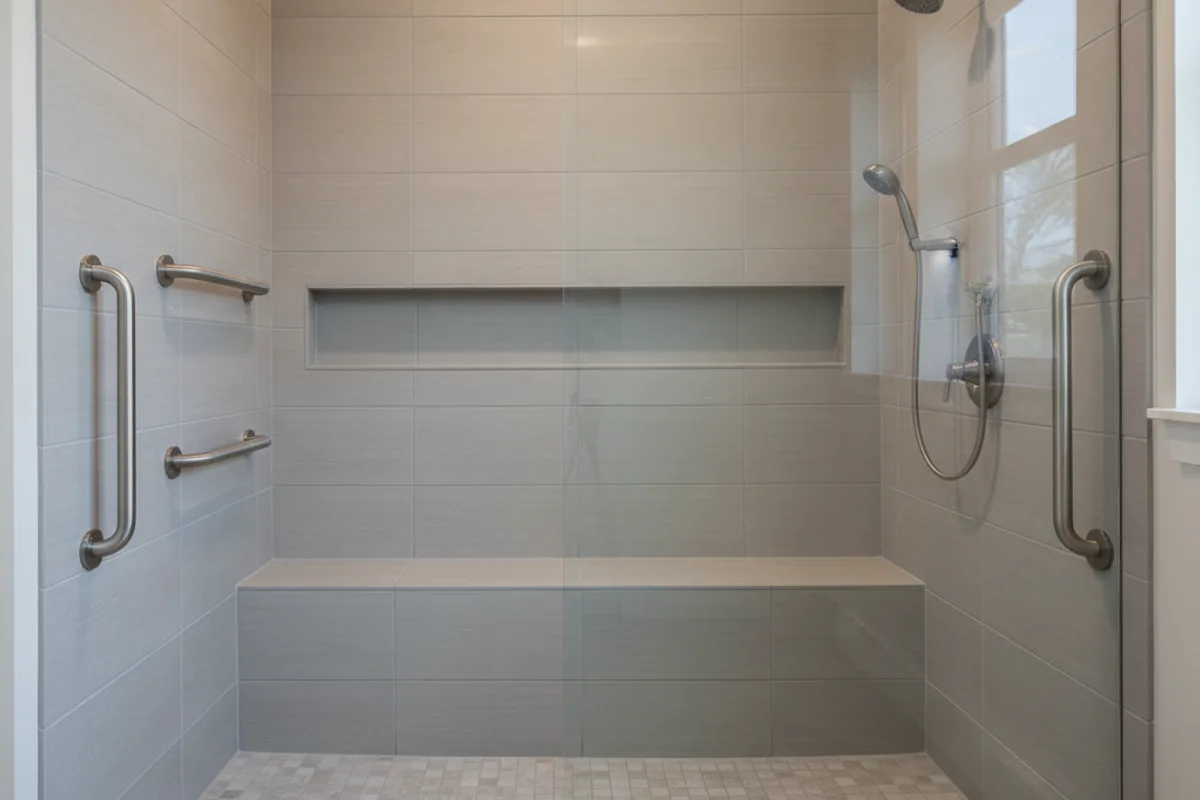
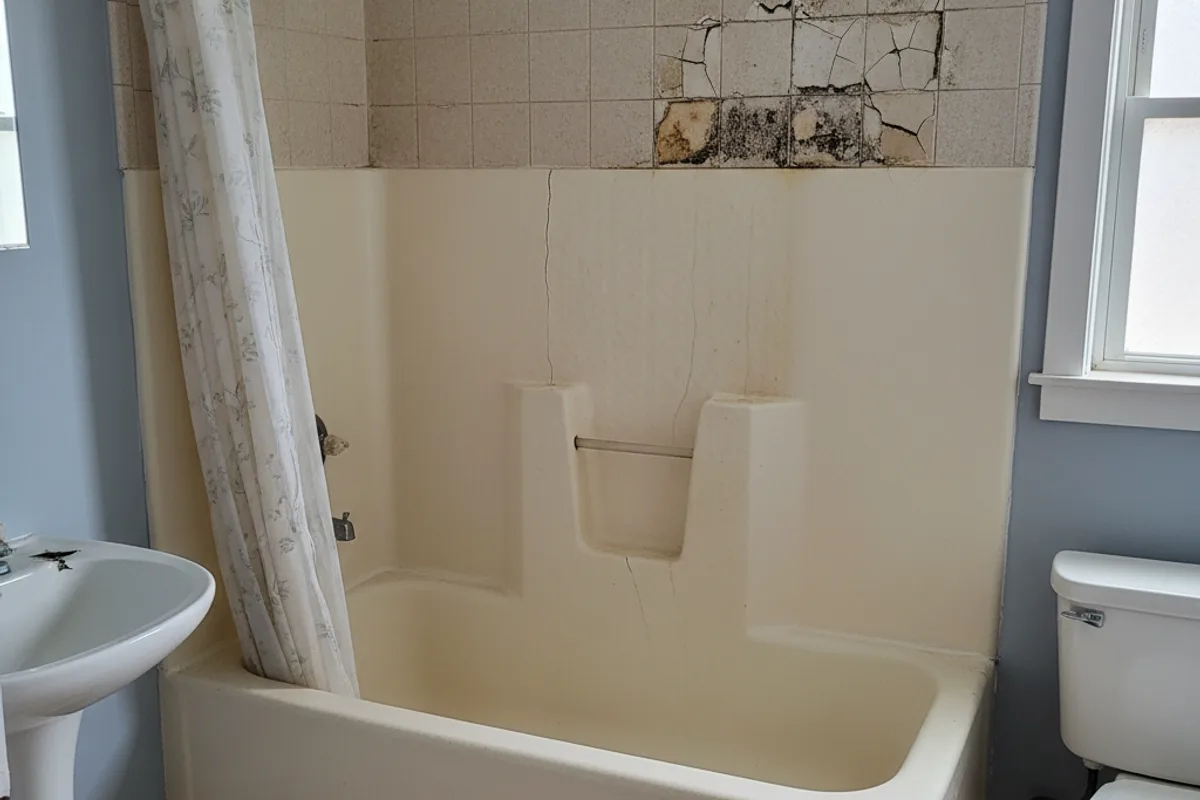
Drag the slider to compare a completed shower remodeling project in Ustick Road area, Caldwell — the same work we bring to Greenleaf homes.
Before
After
This Ustick Road area, Caldwell shower remodeling project is one example of the work we bring to Greenleaf-area homes. See the full case study or browse all our Treasure Valley projects.

Talk to a real project manager
Have Questions? Call Now for a Free In-Home Consultation.
Mon–Fri 7 AM–6 PM · Licensed & insured · No obligation
Russ S. — Project Manager
Russ S. — Project Manager
What remodeling services does Iron Crest Remodel offer in Greenleaf?
Iron Crest Remodel provides kitchen remodeling, bathroom remodeling, whole-home renovations, interior and exterior painting, flooring installation, deck building, siding installation, window replacement, and ADU construction for Greenleaf homeowners.
How much does a home remodel cost in Greenleaf, Idaho?
Remodeling costs in Greenleaf vary by project scope. Bathroom remodels typically range from $15,000 to $45,000, kitchen remodels from $25,000 to $75,000, and whole-home renovations from $80,000 to $250,000 or more. Contact us for a free, detailed estimate for your specific project.
Do I need a permit for remodeling in Greenleaf?
Most structural, electrical, and plumbing work in Greenleaf requires permits from the local building department. Iron Crest Remodel handles all permit applications and inspections as part of our full-service process, so you do not need to manage permits yourself.
How long does a typical remodeling project take in Greenleaf?
Project timelines depend on scope and complexity. A bathroom remodel typically takes 3 to 6 weeks, a kitchen remodel 6 to 12 weeks, and a whole-home renovation 3 to 6 months. We provide a detailed timeline during your free consultation.
Is Iron Crest Remodel licensed and insured in Idaho?
Yes. Iron Crest Remodel holds Idaho RCE License #6681702 and is fully insured to perform residential remodeling work throughout the Boise metropolitan area, including Greenleaf. We carry $2M general liability insurance and workers compensation coverage on every project.
Few Idaho communities can trace their origins as clearly as Greenleaf. Founded by Quaker settlers in the 1860s, Greenleaf is one of the state's oldest planned communities—a town conceived around principles of faith, education, and collective stewardship rather than mining booms or railroad speculation. That founding vision still shapes daily life. The Greenleaf Friends Church remains the social and spiritual center of the village, Greenleaf Friends Academy provides private education from preschool through high school, and the tree-lined residential streets radiate a quiet, intentional orderliness that distinguishes Greenleaf from the faster-growing cities to its east in Canyon County.
With a population of approximately 900, Greenleaf is intimate in a way that larger Treasure Valley communities are not. Neighbors know each other by name, community events are well-attended, and word-of-mouth is the primary way residents find and evaluate contractors. For a remodeling company, earning trust in Greenleaf means delivering exceptional work on every project, because a single homeowner's experience will be discussed at church, at the academy, and across backyard fences for months afterward. Iron Crest takes that reality seriously—we aim to leave every Greenleaf project one that homeowners are proud to show their neighbors.
The agricultural economy that surrounds Greenleaf—onions, sugar beets, hops, dairy, and row crops—also shapes the remodeling landscape. Many homeowners work in agriculture or in supporting industries, and their schedules revolve around planting, irrigation, and harvest seasons. Iron Crest accommodates these rhythms, scheduling major interior projects during winter downtime when homeowners can be more available for decisions, and reserving exterior work for the dry summer months when weather and daylight cooperate. Understanding the agricultural calendar is not optional when working in Greenleaf—it is fundamental to delivering a stress-free remodeling experience.
What drives remodeling demand in Greenleaf is primarily the age and character of the housing stock. Some of Canyon County's oldest homes stand in Greenleaf's village center, with construction dating to the late 1800s and early 1900s. These homes were built with honest materials and solid craftsmanship, but their kitchens, bathrooms, electrical systems, plumbing, and insulation are generations behind modern standards. The challenge is modernization without erasure—upgrading systems, surfaces, and layouts while preserving the character and proportions that make these homes worth keeping. That balance is exactly where Iron Crest excels. We have deep experience working in older homes throughout Canyon County, and we approach every Greenleaf project with respect for what the original builders got right.
Community Heritage
- Founded
- 1860s by Quaker settlers
- Population
- ~900 residents
- County
- Canyon County
- Distance to Boise
- ~43 miles west
Community Anchors
- Greenleaf Friends Church
- Greenleaf Friends Academy (K–12)
- George Fox University connection
- Agricultural economy (onions, beets, hops, dairy)
Housing Snapshot
- Oldest Homes
- Late 1800s Quaker-era
- Common Types
- Historic village, mid-century ranch, rural farmstead
- Lot Sizes
- 0.15 acres (village) to 5+ acres (rural)
Greenleaf's housing stock spans more than a century of construction, from Quaker-era homes built before Idaho achieved statehood to mid-century village houses and sprawling rural farmsteads. Each property type presents distinct remodeling opportunities and challenges that Iron Crest addresses with targeted expertise.
Historic Quaker-Era Homes (Pre-1920)
Greenleaf's oldest homes were built by or for the founding Quaker community, many using locally sourced stone and brick foundations with timber-framed walls, plaster interiors, and steeply pitched roofs designed for Idaho's snow loads. These homes embody a craftsmanship ethos that valued durability over decoration—wide plank floors, solid-core doors, and hand-cut trim details that modern production homes cannot replicate.
Remodeling these properties requires preservation-sensitive methods. Iron Crest works with the existing character—restoring original hardwood floors rather than replacing them, matching trim profiles when adding new millwork, and upgrading electrical and plumbing systems behind existing walls without disturbing the plaster surfaces wherever possible. Kitchen and bathroom renovations in pre-1920 homes focus on fitting modern function into historic footprints: maximizing storage in small spaces, installing period-appropriate fixtures, and integrating modern ventilation without visible ductwork.
Mid-Century Village Homes (1950s–1970s)
The post-war building boom brought a wave of ranch-style and split-level homes to Greenleaf's village center. These 1,000–1,500 square-foot homes sit on modest lots along the village's tree-lined streets, typically featuring three bedrooms, one bathroom, a compact galley kitchen, and an attached single-car garage. Construction is conventional stick-frame on concrete perimeter foundations, with original aluminum windows, compositional roofing, and wood or aluminum siding.
These homes are the workhorses of Greenleaf's housing stock and represent the highest volume of remodeling work in the community. The most common projects include kitchen modernization (removing partition walls, adding counter space, upgrading cabinetry and appliances), bathroom renovation (replacing original fixtures, adding a second bathroom where layout allows), and system upgrades—replacement windows, HVAC efficiency improvements, updated electrical panels, and re-plumbing of original galvanized supply lines with PEX or copper.
Rural Agricultural Properties
Outside the village center, Greenleaf transitions to agricultural parcels—properties of one to twenty-plus acres with farmhouses, barns, equipment sheds, and irrigation infrastructure. These homes range from century-old original farmsteads to 1970s and 1980s ranch houses built when agricultural families modernized. Most rural Greenleaf properties rely on private well water and septic systems, and many have direct irrigation canal access for landscape and livestock use.
Remodeling on agricultural properties requires coordination that goes beyond typical residential work. Iron Crest accounts for well water quality (high mineral content is common in the Greenleaf area, affecting fixtures and appliances), septic system capacity (bathroom additions require septic evaluation and sometimes expansion), and the logistical realities of large-lot properties—material delivery access, distance from utility connections, and working around active farming operations. We also handle outbuilding conversions, turning underused barns or shops into guest quarters, home offices, or recreational spaces with proper insulation, electrical service, and climate control.
Friends Academy Area Homes
The residential area surrounding Greenleaf Friends Academy draws families who prioritize the school's faith-based education and small class sizes. Homes in this zone include a mix of mid-century builds and newer construction from the 1990s through 2010s, typically ranging from 1,200 to 2,200 square feet on quarter-acre to half-acre lots. These are family-oriented properties—three to four bedrooms, two bathrooms, attached two-car garages, and yards sized for children and pets.
Remodeling priorities in the Friends Academy area reflect the family demographic. Kitchen upgrades focus on durability and functionality—quartz countertops that resist staining, soft-close cabinetry, tile backsplashes, and layouts that support family meals and homework stations. Bathroom projects emphasize practical upgrades: double-vanity conversions, tub-to-shower conversions for aging-in-place flexibility, and durable tile flooring. The community's emphasis on permanence means homeowners invest in materials that will serve for decades, not just until the next sale—a philosophy that aligns perfectly with Iron Crest's approach to material selection and installation quality.
Greenleaf's agricultural setting creates construction conditions that general contractors from Boise or Nampa may not anticipate. Iron Crest serves western Canyon County's farming communities and understands how irrigation infrastructure, water quality, dust exposure, and historic preservation requirements affect every phase of a remodeling project.
Irrigation Canal Proximity
Greenleaf's network of irrigation canals and lateral ditches, managed by local irrigation districts, runs through and alongside many residential properties. During irrigation season (typically April through October), these canals carry significant water volume, raising the ambient moisture level in surrounding soils. For remodeling projects, this means foundation drainage is a critical consideration—crawl spaces near canals require vapor barriers, sump pumps, and properly graded exterior drainage to prevent moisture intrusion that can warp flooring, promote mold growth, and compromise structural members.
Iron Crest inspects foundation conditions before beginning any interior finish work on properties near canals. We install French drain systems where needed, upgrade crawl space vapor barriers to 20-mil polyethylene, and specify moisture-resistant subfloor materials for kitchens and bathrooms. Exterior projects near canals require setback awareness—we coordinate with the local irrigation district to confirm easement boundaries before placing scaffolding, staging materials, or excavating for any purpose.
Agricultural Dust & Particulate Exposure
Greenleaf's location amid active farmland means homes are exposed to seasonal dust from tilling, harvesting, and crop transport, as well as particulates from nearby dairy operations. This agricultural dust is not ordinary household dust—it contains organic matter, soil minerals, and sometimes agricultural chemical residue that can accelerate deterioration of exterior finishes, clog HVAC filters, and reduce indoor air quality.
Iron Crest specifies exterior materials for Greenleaf properties with this exposure in mind. Fiber cement siding outperforms wood and vinyl in high-dust environments because it does not absorb moisture-laden particulates or degrade under chemical exposure. Exterior paint systems include high-build primers and satin or semi-gloss topcoats that shed dust and clean easily with seasonal pressure washing. For interior projects, we recommend MERV-13 or higher HVAC filters, properly sealed ductwork, and bathroom exhaust fans that prevent dust infiltration through negative-pressure pathways. Window replacements include high-quality weatherstripping and compression seals that significantly reduce particulate intrusion compared to original single-pane units.
Well Water Quality & Fixture Impact
Most rural Greenleaf properties and some village homes rely on private wells drawing from the shallow aquifer beneath the Snake River Plain. This groundwater is characteristically hard—high in calcium, magnesium, and sometimes iron—which has direct consequences for kitchen and bathroom remodeling decisions. Hard water leaves mineral deposits on fixtures, clouds glass shower doors, reduces water heater efficiency, and shortens the lifespan of dishwashers, washing machines, and faucet cartridges.
Iron Crest recommends water testing before specifying fixtures and appliances for Greenleaf well-water properties. Based on mineral content, we may recommend whole-house water softening or point-of-use filtration, and we select fixtures with ceramic disc cartridges (rather than rubber washers) that resist mineral buildup. For shower enclosures, we specify coated glass or frameless designs that are easier to squeegee and maintain. Water heater selections account for sediment accumulation—tankless units with descaling ports are often the best long-term choice for high-mineral well water. These details are the difference between a bathroom that looks new for two years and one that looks new for twenty.
Historic Preservation Sensitivity
Greenleaf's Quaker heritage means many of its oldest homes are not just residences but tangible links to Idaho's pioneer history. While Greenleaf does not currently have a formal historic preservation ordinance, community sentiment strongly favors maintaining the village's historic character. Homeowners who strip period details from older homes or replace traditional exteriors with visually incompatible modern materials face social disapproval that can affect property values and neighborhood relationships.
Iron Crest approaches historic Greenleaf homes with a preservation-first mindset. We document existing conditions thoroughly before beginning work, salvage and restore original materials wherever feasible (hardwood flooring, trim, built-in cabinetry, exterior millwork), and select replacement materials that are period-appropriate in appearance even when modern in performance. For example, fiber cement siding can replicate the look of original wood clapboard while eliminating the maintenance burden. Interior trim can be milled to match historic profiles. Bathroom and kitchen fixtures are available in traditional styles that complement rather than clash with a home's original architecture. The goal is always modernization that an observer would not notice—systems and surfaces that perform like new while looking like they have always belonged.
Permitting in Greenleaf involves navigating overlapping jurisdictions—the City of Greenleaf for properties within the incorporated village limits, and Canyon County Development Services for the many surrounding properties in unincorporated Canyon County. Iron Crest handles the entire permitting process for every Greenleaf project, from initial application through final inspection sign-off.
Canyon County Development Services
Canyon County Development Services is the primary permitting authority for most Greenleaf properties, especially those outside the small incorporated village boundary. The county requires building permits for structural modifications, electrical work, plumbing changes, and mechanical installations. Plan review typically takes 5–10 business days for residential remodeling projects, and inspections are scheduled through the county's online portal. Iron Crest submits complete permit packages with detailed scope descriptions, material specifications, and site plans that minimize revision requests and keep projects on schedule.
City of Greenleaf vs. Unincorporated County
Properties within the City of Greenleaf's incorporated limits may be subject to city-specific zoning and land-use requirements in addition to county building codes. The distinction matters for setback requirements, lot coverage limits, and any work that changes a property's footprint or use. Iron Crest verifies jurisdictional status for every Greenleaf project before submitting permits, ensuring applications go to the correct authority and avoid delays caused by jurisdictional confusion. For properties near the village boundary, we confirm with Canyon County GIS mapping whether a parcel falls within city or county jurisdiction.
SWDH Coordination for Septic Systems
Rural Greenleaf properties on septic systems require coordination with Southwest District Health (SWDH) for any project that adds fixtures or increases water usage—bathroom additions, kitchen expansions with additional sinks or dishwashers, and laundry room installations. SWDH evaluates whether the existing septic system has sufficient capacity for the increased load and may require a system upgrade, expansion, or new drain field before the county will issue a building permit. Iron Crest initiates SWDH consultation early in the design phase so that septic requirements are resolved before construction begins, preventing the costly mid-project delays that catch less experienced contractors off guard.
Iron Crest's Greenleaf Permit Process
Jurisdictional Verification
Confirm city vs. county jurisdiction via Canyon County GIS
Septic & Well Assessment
SWDH consultation for properties on private systems
Permit Package Preparation
Complete scope, materials, and site plans submitted to Canyon County
Plan Review & Approval
5–10 business day county review; we handle all revisions
Inspection Scheduling
We schedule all required inspections through the county portal
Final Sign-Off & Documentation
Certificate of completion delivered to homeowner for records
Common questions from Greenleaf homeowners about remodeling projects, permitting, costs, and working with Iron Crest in a small agricultural community.
How do you renovate a historic Greenleaf home without losing its character?
We start with a thorough assessment of existing character elements—original hardwood floors, trim profiles, built-in features, and exterior millwork. Our approach is to preserve and restore these elements wherever possible while upgrading the systems behind them. Electrical, plumbing, HVAC, and insulation can all be modernized without altering a home's visible character. When replacement is necessary (deteriorated siding, failed windows, worn flooring), we select materials that match the original in appearance and proportion. Fiber cement siding replicates historic clapboard profiles, new windows are available in period-appropriate styles, and hardwood flooring can be matched in species and width to original planks. The result is a home that feels authentically historic but functions with modern comfort and efficiency.
How does Canyon County permitting compare to Ada County?
Canyon County's permitting process is generally straightforward for residential remodeling, with plan review timelines averaging 5–10 business days compared to Ada County's 10–15 days during peak periods. Fees are comparable. The main difference for Greenleaf properties is jurisdictional clarity—some parcels fall within the City of Greenleaf's incorporated limits while others are unincorporated Canyon County, and the permitting path differs. Iron Crest verifies jurisdiction for every project and submits to the correct authority, so homeowners never encounter surprises or delays caused by misrouted applications.
What do I need to know about well and septic for a bathroom addition?
Adding a bathroom to a Greenleaf property on well and septic involves two additional steps beyond standard permitting. First, Southwest District Health (SWDH) must evaluate whether your existing septic system can handle the increased water volume from additional fixtures. If the system is undersized or aging, SWDH may require an upgrade or new drain field before Canyon County will issue a building permit. Second, well water pressure and quality should be tested—hard water is common in the Greenleaf area, and high mineral content affects fixture selection, water heater type, and whether a water softener should be part of the project scope. Iron Crest coordinates both evaluations early in the design phase so that there are no mid-project surprises.
Can you schedule around our farm operations?
Absolutely. Many Greenleaf homeowners are directly involved in agriculture, and we understand that planting season, irrigation management, and harvest create periods when a major home remodel is impractical. Iron Crest works with agricultural families to schedule interior projects during winter downtime (November through February) when homeowners have more flexibility for design decisions, material selections, and the temporary disruption of living spaces. Exterior work is best scheduled during the dry summer months (June through September) for optimal conditions, but we coordinate timing to avoid conflicts with harvest traffic, equipment movement, and the general demands of an active farming operation.
How do Greenleaf remodeling costs compare to Caldwell or Nampa?
Remodeling costs in Greenleaf are generally comparable to Caldwell and slightly below Nampa, reflecting similar labor markets and material supply chains across Canyon County. The primary cost variable is not location but project complexity—older homes with outdated wiring, galvanized plumbing, or foundation issues require more preparatory work before finish installation can begin, which adds to the total project cost regardless of which Canyon County city the home is in. Iron Crest provides detailed, itemized estimates that separate preparatory/structural work from finish selections, so Greenleaf homeowners can see exactly where their investment goes and make informed decisions about scope and materials.
How does Iron Crest handle scheduling for a community 43 miles from Boise?
Distance is a real factor, and we address it head-on with block scheduling. Rather than sending crews to Greenleaf for a few hours between Boise jobs, we coordinate Greenleaf projects with our work in nearby Homedale, Wilder, and Caldwell to ensure full-day crew presence on-site. This eliminates wasted windshield time and means your project gets concentrated, productive workdays rather than fragmented visits. For active projects, our project manager maintains regular communication via phone, text, and photo updates so that homeowners know exactly what happened each day and what to expect next, even when they are not home during work hours.
Do you handle lead paint and asbestos in older Greenleaf homes?
Yes. Any home built before 1978 may contain lead-based paint, and homes built before 1980 may have asbestos in floor tiles, insulation, or textured ceilings. Before disturbing these materials during a remodel, federal and state regulations require testing and, if present, proper abatement by certified professionals. Iron Crest follows EPA RRP lead-safe work practices and Idaho Department of Environmental Quality protocols for hazardous material handling. We include testing as a standard part of our pre-construction assessment for older Greenleaf homes, so there are no unexpected delays or cost surprises once demolition begins.
Can you convert an agricultural outbuilding into living space?
Outbuilding conversions are one of the most exciting opportunities on Greenleaf's rural properties. Barns, shops, and equipment buildings can be transformed into guest quarters, home offices, art studios, or recreational spaces with proper structural evaluation, insulation, electrical service, plumbing (if needed), and climate control. Canyon County requires permits for change-of-use conversions, and the scope depends on whether the space will include sleeping quarters, bathrooms, or kitchen facilities. SWDH involvement is required if the conversion adds plumbing fixtures to a septic system. Iron Crest has completed outbuilding conversions across western Canyon County and can guide Greenleaf homeowners through the entire process from feasibility assessment through final inspection.
Start Your Greenleaf Remodeling Project
Get a free, no-obligation estimate for your Greenleaf home. Licensed, insured, and ready to build.