
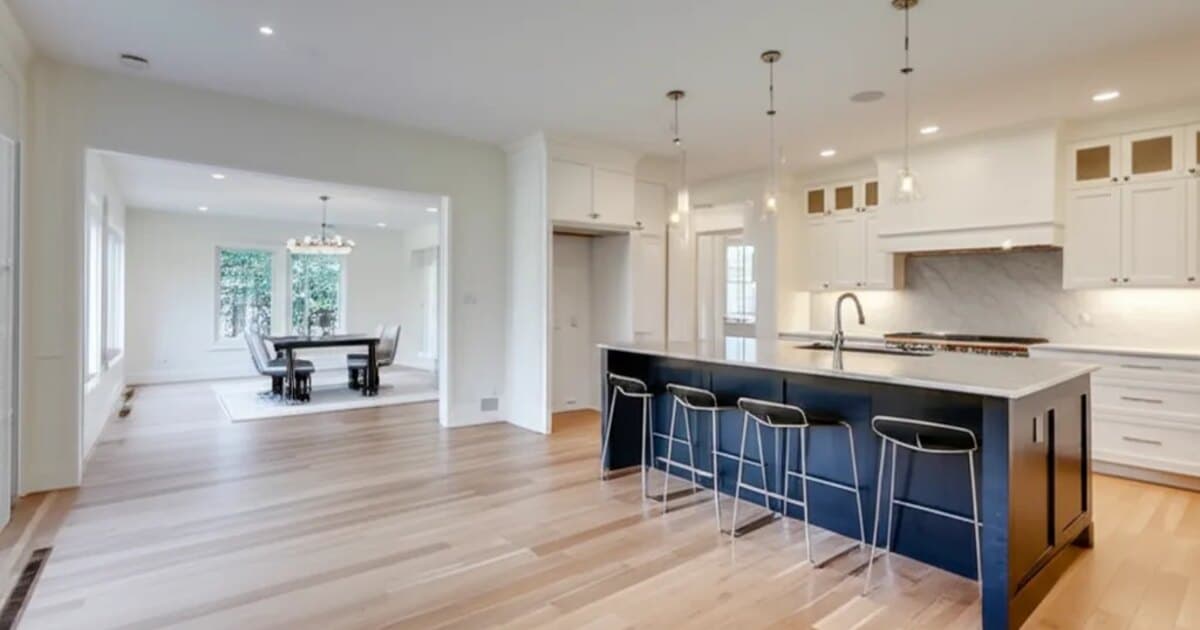
Whole-Home Remodeling Design Ideas for Boise
Get inspired with whole-home remodeling design ideas tailored to Boise homes, from trending styles to practical layout considerations.
Quick answer
We develop a whole-home design package before construction begins — selecting flooring, trim profiles, door hardware, paint colors, lighting fixtures, and plumbing finishes that work together across every room. This ensures a cohesive result rather than a collection of disconnected renovations.
Boise, ID · Whole-Home Remodeling
Planning whole-home remodeling in Boise?
Read the full guide below — or get your project priced now. Free, no-obligation estimates from an Idaho registered local team, backed by a 1-year workmanship warranty.
- Licensed Idaho RCE-6681702
- 1-Year Workmanship Warranty
- $2M Liability Coverage
- Free, No-Obligation Estimates


Boise whole-home remodeling is different from the same service in Treasure Valley cities like Nampa, Meridian, or Eagle in ways that experienced contractors and their clients recognize immediately. Boise's housing stock is older and more architecturally diverse than any other Ada County city. While Meridian and Eagle are dominated by 1990s–2020s tract construction with relatively uniform structural systems and finish packages, Boise contains pre-1900 territorial construction, Craftsman-era homes from the 1910s–1930s, post-war minimal traditional homes from the 1940s–1950s, mid-century ranch and split-level construction from the 1960s–1970s, and every era through the present. This architectural diversity means that a Boise contractor doing whole-home work must be genuinely comfortable across a wide range of structural systems, finish technologies, and regulatory contexts — from historic district review for a North End Craftsman to HOA architectural approval for a Harris Ranch two-story to crawl-space vapor management for a Bench bungalow. Contractors who primarily work in new-construction-adjacent remodeling in Meridian's post-2000 subdivisions are frequently under-prepared for the complexity that Boise's older housing stock presents. Boise's permit environment is also more complex than Meridian's or Nampa's by virtue of the city's geographic and regulatory overlays: the Airport Influence Zone (AIZ) affects properties in significant portions of southwest Boise; the Boise River floodplain creates regulatory constraints in southeast, southwest, and north Boise corridor properties; the North End and Hyde Park historic districts add architectural review requirements; and the city's urban infill policies have specific requirements for properties in the downtown-adjacent neighborhoods that are common whole-home remodel targets. Iron Crest's Boise-specific permitting experience means these overlays are identified and managed from project inception rather than discovered at the plan review stage. The design culture in Boise also skews differently than Meridian or Eagle. Boise's demographic mix of longtime Idaho residents, California and Pacific Northwest transplants, and Boise State University faculty and professional community creates design preferences that blend Mountain West vernacular — exposed wood, natural stone, warm earth tones — with contemporary precision detailing that the transplant community imported from coastal markets. This blend is Boise's design identity, and a whole-home remodel that honors it — rather than importing a generic national trend or defaulting to a generic Idaho ranch aesthetic — produces a house that reads as belonging where it stands.
North End
The North End is Boise's most architecturally significant neighborhood and its most demanding remodel environment — a combination that produces some of the most rewarding whole-home projects Iron Crest executes. These homes, built predominantly between 1900 and 1940, represent Boise's Craftsman heritage: wide covered porches, exposed rafter tails, built-in cabinetry, and original fir floors that have aged into irreplaceable character. A whole-home remodel here is less a renovation and more a stewardship — the goal is to bring the home's infrastructure three or four generations forward without destroying the design language that makes North End properties command a premium in Ada County's market. The infrastructure reality is significant. Knob-and-tube wiring — still present in a meaningful percentage of pre-1940 North End homes — must be replaced before any insulation is added, and it is worth replacing in its entirety rather than in part, because a partial system leaves the original wiring in service behind finished walls — ask your carrier directly what it will and will not insure. The rewire is disruptive but not catastrophic when planned carefully: experienced electricians can pull new romex through original plaster and lathe with minimal wall opening if access points are chosen strategically. Original cast-iron drain lines are similarly life-limited and benefit from replacement during a whole-home project when subfloor access is already established. The kitchen and bath updates in North End Craftsmans require a designer's touch that honors period appropriate materials. Subway tile, apron sinks, shaker cabinetry in painted or natural finish, and oil-rubbed bronze or unlacquered brass hardware deliver the aesthetic continuity these homes deserve. The danger is over-modernizing — installing sleek, handle-less European cabinets or ultra-contemporary lighting in a 1920 Craftsman creates a jarring design dissonance that buyers and appraisers notice negatively. Iron Crest's design consultation process specifically addresses this tension for North End clients, ensuring the finished home feels authentically updated rather than awkwardly hybridized. Permit considerations in the North End require awareness that portions of the neighborhood fall within or adjacent to historic district boundaries. City of Boise Planning and Development Services may require historic review for exterior alterations — window replacement, porch modifications, siding changes — and while purely interior remodels typically don't trigger that review, projects that involve exterior envelope work need to plan for the additional timeline. Iron Crest's familiarity with City of Boise's historic review process means that permit submittals are complete and correctly categorized from the first submittal, avoiding the re-submittal delays that add weeks to project starts. The investment case for North End whole-home remodels rests on something we can describe without inventing a number: the combination of walkability, proximity to Hyde Park and the Foothills trail network, and architecture that cannot be reproduced. A comprehensively updated Craftsman here is not competing against new construction, because there is no new construction of this kind. What that is worth per square foot in today's market is a question for an agent or appraiser working current North End comparables — we have no transaction-level data isolating a remodel from a sale, and any figure we published would be a guess.
Boise Bench
The Boise Bench — the broad, slightly elevated plateau that stretches south of downtown across a swath of mid-century housing — is arguably Boise's most fertile ground for whole-home remodeling. The neighborhood's 1940s through 1970s housing stock offers what discerning buyers increasingly value: solid construction, larger lots than newer subdivisions provide, mature tree canopy, and proximity to downtown and the Boise State University corridor. What these homes lack is the open plan, the updated kitchen and bath finishes, and in older examples the modern electrical and plumbing infrastructure that today's buyers expect. That gap is a remodeling opportunity — and for families who have purchased on the Bench, it is an invitation to build exactly the home they want in a location that cannot be replicated. The structural character of Bench homes varies considerably by era. The 1940s and 1950s construction is typically masonry — brick or concrete block exterior walls — which creates both an asset (thermal mass that moderates Boise's extreme temperature swings) and a challenge (adding insulation to masonry walls requires interior furring rather than blown-in methods, which reduces square footage and requires careful planning to maintain). The 1960s and 1970s Bench homes shifted to wood-frame construction, making them more accessible for the kind of wall removal and structural modification that open-concept conversions require. Whole-home projects on the Bench frequently involve what Iron Crest calls the "utility update sandwich" — the cosmetic renovation that a homeowner wants (new kitchen, updated bathrooms, new flooring) is sandwiched between the utility work that the home needs (electrical panel upgrade, plumbing modernization, HVAC replacement) and the insulation work that Boise's climate demands (attic insulation to R-49, wall insulation to R-15 or better). Doing all three layers in one project — rather than cosmetic first, then discovering the electrical is inadequate when a kitchen remodel triggers inspection — is consistently the most cost-effective path. The Bench's lot elevations and positioning relative to the Boise front create interesting solar opportunities. South-facing Bench properties receive excellent sun exposure, and whole-home projects here increasingly incorporate solar-readiness — conduit from the electrical panel to the roof, sufficient panel capacity for future EV charging and solar inverters — at minimal incremental cost when the electrical work is already open. The Bench's proximity to downtown Boise also means that the ADU (accessory dwelling unit) potential of its larger lots is relevant to project planning: a comprehensive whole-home remodel that also creates a detached garage with living space above, or a basement ADU with a separate entrance, can generate rental income that meaningfully contributes to project cost recovery. Bench homeowners should budget for the likelihood that a whole-home project will uncover deferred maintenance that wasn't visible during purchase inspection: original galvanized water supply lines that have reduced to pencil-width flow by corrosion, undersized electrical subpanels in garage additions, and original single-pane aluminum-frame windows that cannot be made thermally adequate with weatherstripping alone. These discoveries are not surprises to experienced Boise contractors — they are expected features of the housing stock — and Iron Crest's project planning builds contingency into both budget and schedule to address them without derailing the primary project.
Southeast Boise / Harris Ranch
Southeast Boise and Harris Ranch represent Boise's most active whole-home remodel market by volume — a function of the neighborhood's demographics, its housing age, and its position in Ada County's value hierarchy. Harris Ranch specifically is a master-planned community developed primarily between 1990 and 2010, featuring two-story homes of 1,800 to 3,200 square feet on smaller lots with HOA oversight but excellent access to the Boise River greenbelt and southeast foothills trails. The broader SE Boise corridor extends this housing profile across a larger area with more varied construction years. The whole-home remodel opportunity in SE Boise is driven primarily by finish obsolescence rather than structural inadequacy. These homes were built to code and built soundly — the challenge is that 1990s and 2000s construction came with finishes that have aged hard: builder-grade oak cabinets, laminate countertops, cultured marble one-piece shower surrounds, carpet over wood subfloor on the main level, and the popcorn ceilings that defined a construction era and now define a renovation priority. The homes' layouts are also frequently semi-open — a kitchen that faces a family room but is separated by a peninsula rather than truly integrated — and the structural modifications required to fully open these spaces are typically less complex than removing walls in a 1950s Bench home because the framing is accessible and well-documented. Harris Ranch's HOA adds a layer of consideration that North End and Bench projects don't face: exterior modifications, including window replacement, door changes, and any visible structural additions, require HOA architectural review in addition to City of Boise permits. Iron Crest's project management process accounts for HOA submittal timelines — typically 30–45 days for architectural review — when sequencing interior work that can proceed independently while exterior approvals are pending. This parallel-tracking approach prevents the HOA review from becoming a project-delaying bottleneck. The case for an SE Boise whole-home remodel is a competitive one rather than a numeric one. A comprehensively updated interior — open kitchen, quartz countertops, updated baths, new flooring throughout — distinguishes listings in a market where many similar-sized homes still carry original 1990s finishes. Buyers in this price range increasingly have design discernment from online research (Houzz, Instagram, Pinterest) and can immediately identify a home that has been professionally updated versus patched-and-freshened. A whole-home remodel that matches that design discernment removes the objection those buyers would otherwise raise. What it does to sale price and days on market is a question for an agent with current SE Boise comparables. Southeast Boise's elevation and southeast-facing slopes also create compelling deck and outdoor living opportunities that a whole-home project is well-positioned to incorporate: the kitchen expansion that opens onto a new deck, the primary bedroom addition that connects to a private patio, the mudroom addition off the garage that creates the drop zone these 1990s homes lacked. Iron Crest regularly scopes these indoor-outdoor connections as part of whole-home planning, ensuring that the deck or patio framing is coordinated with the interior work rather than tacked on later as a separate, disconnected project.
West Boise
West Boise — the broad suburban corridor extending west from downtown toward Meridian along State Street, Overland Road, and the Five Mile and Ten Mile corridors — encompasses Boise's largest concentration of 1980s and 1990s subdivisions, including established neighborhoods like Five Mile, the Gary Lane corridor, and the areas surrounding Veteran's Memorial Park. These homes typically run 1,600 to 2,800 square feet on modest lots, were built for the growing Boise professional class of their era, and have aged into the "needs updating" category that drives whole-home remodel demand. The West Boise whole-home remodel profile is in many ways the most straightforward in Boise: solid wood-frame construction, accessible attic and crawl space for mechanical and insulation work, layouts that respond well to structural modifications, and finish systems (original carpet, oak cabinets, laminate counters, basic tile bathrooms) that are ready for replacement. The electrical panels in 1980s and early 1990s West Boise homes are frequently 100-amp service — adequate for the appliance load of 1985 but inadequate for modern kitchen appliances, EV chargers, and whole-home generator interlock that today's homeowners want. Panel upgrade to 200-amp service is a routine component of West Boise whole-home projects. What distinguishes West Boise from other Boise neighborhoods for remodeling purposes is the garage relationship. West Boise subdivisions were designed around the car — two-car garages, often with direct kitchen access, and garage walls adjacent to living spaces that transmit cold in Boise winters because they were built without the continuous insulation that modern energy codes require. A whole-home project that addresses the garage-wall thermal boundary — adding rigid foam insulation to the garage side of the shared wall, air-sealing the ceiling plane — meaningfully improves the comfort of the kitchen and family room spaces that are most frequently the focus of the remodel. West Boise's demographics skew toward families with school-age children, which creates a specific occupancy challenge for whole-home remodeling: these families are often least able to vacate the home for an extended period, making Iron Crest's phased, occupied-home remodel approach particularly relevant. The project planning for West Boise occupied remodels typically sequences the secondary bathroom and children's bedroom spaces first — providing a clean, finished refuge — before tackling the kitchen and primary suite. Summer construction start dates align well with school-year calendars, allowing for maximum disruption tolerance when children are less schedule-bound. The case for a West Boise whole-home remodel is the same competitive one as elsewhere in the city, and we are not going to put a premium figure on it — we have no transaction-level data isolating a remodel from a West Boise sale. What is observable is that the corridor sits next to Meridian's employment centres, so an updated home here is competing against other updated homes rather than against a thin field. What that is worth on your street is a question for an agent with current comparables.

The design phase is where your whole-home remodeling goes from a general idea to a specific plan. Good design balances aesthetics, functionality, budget, and the unique characteristics of your home and neighborhood in Boise. Here are the most popular design approaches and trends we see in Boise and the surrounding Treasure Valley.
Boise homeowners tend to favor designs that blend modern functionality with the regional character of Idaho homes. Here are the most requested design elements:
These design factors are specific to whole-home remodeling projects and affect both the look and function of the finished space:
Floor plan flow — ensure natural traffic patterns between kitchen, dining, living, and bedrooms without bottlenecks or wasted hallway space
Flooring continuity — using the same flooring material throughout main living areas creates a seamless, spacious feel and simplifies transitions
Lighting plan — layer ambient, task, and accent lighting in every room; use consistent fixture finishes and consider smart lighting controls
Storage strategy — plan built-in storage, closet systems, and cabinetry for every room to reduce clutter and maximize function
Color palette — select a cohesive whole-home color scheme with complementary tones that flow naturally from room to room
Mechanical system placement — plan HVAC returns, electrical panels, and plumbing access points so they do not conflict with the finished design
The materials and finishes you choose bring your design to life. Here are the options most commonly selected for whole-home remodeling projects in Boise:
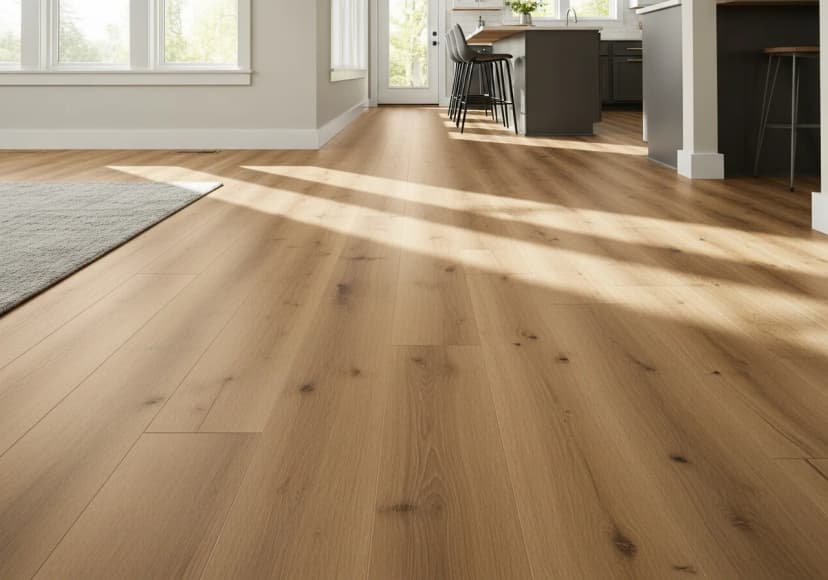
Luxury Vinyl Plank (LVP)
$4–$10 per sq ft installedMain living areas, hallways, bedrooms, and kitchens
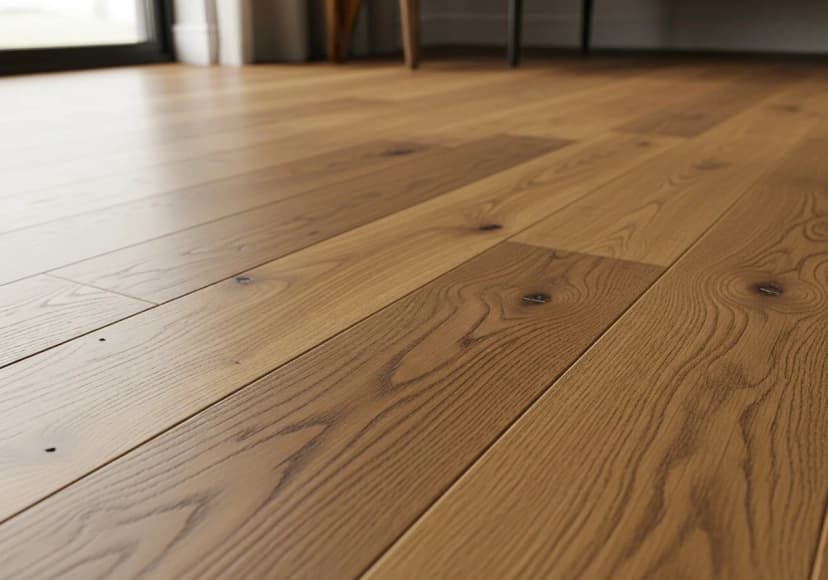
Engineered Hardwood
$8–$16 per sq ft installedLiving rooms, dining rooms, and bedrooms in climate-controlled environments
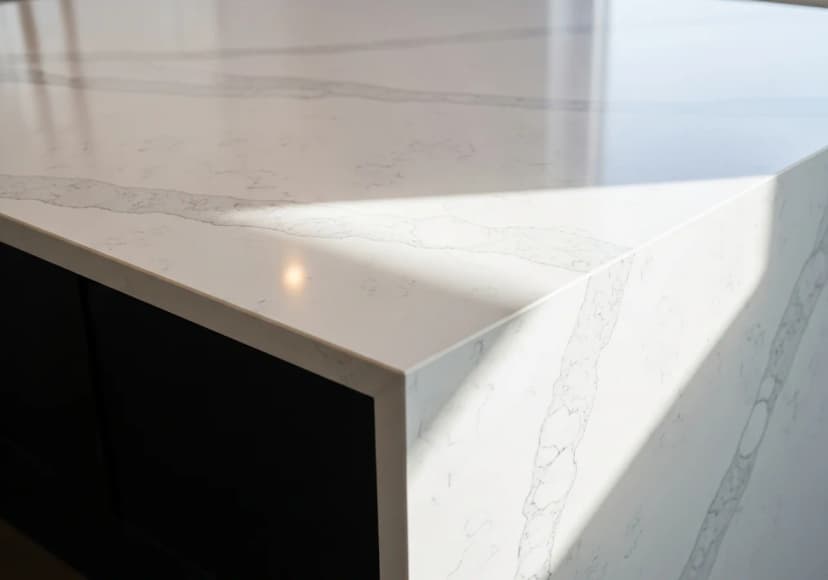
Quartz Countertops
$50–$120 per sq ft fabricated and installedKitchen countertops, bathroom vanities, and laundry surfaces
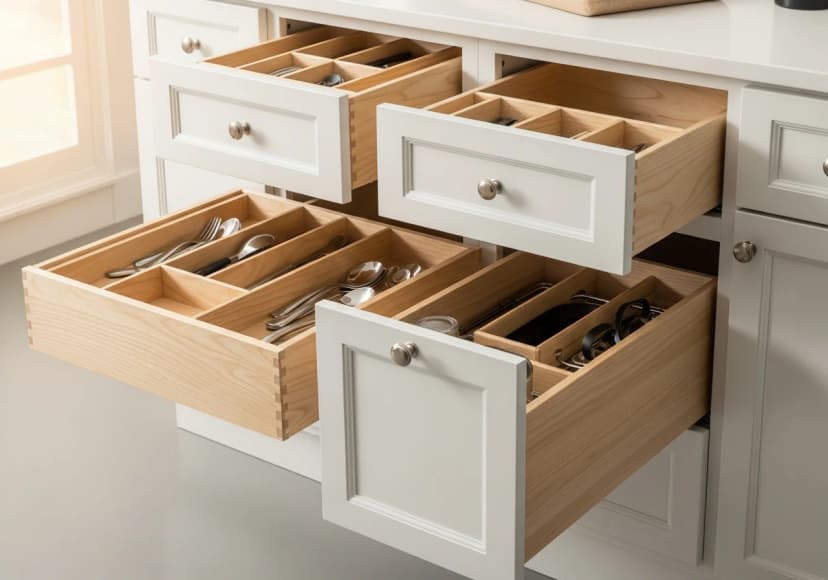
Semi-Custom Cabinetry
$250–$600 per linear foot installedKitchen, bathroom, laundry, and built-in storage throughout the home

Interior Paint — Premium Grade
$3–$6 per sq ft of wall area (labor and material)Every wall and ceiling surface in the home
Learning from others' mistakes saves time and money. Here are the most common whole-home remodeling design pitfalls we see in Boise:
Compartmentalized floor plan with poor flow between rooms
We remove or modify interior walls to create open-concept living areas, install structural headers where needed, and unify flooring and finishes across the connected spaces.
Inconsistent finishes from years of piecemeal updates
A whole-home remodel ensures consistent flooring, trim profiles, paint colors, door hardware, and fixture finishes throughout — eliminating the patchwork look of decades of small projects.
Outdated electrical system that cannot support modern loads
We upgrade the electrical panel, add dedicated circuits for kitchens and bathrooms, install GFCI and AFCI protection where required by code, and add outlets and lighting throughout the home.
Poor insulation and energy inefficiency
During the renovation, we upgrade insulation in walls, attics, and crawlspaces — improving comfort and reducing heating and cooling costs in Boise's hot summers and cold winters.
Deferred maintenance hidden behind walls and under floors
A whole-home renovation exposes framing, plumbing, and wiring that may have been hidden for decades. We identify and repair water damage, pest damage, improper wiring, and failing plumbing during the demolition phase.
For whole-home remodeling projects in Boise, you have two main approaches to the design process: hiring a separate interior designer then a contractor, or working with a design-build firm that handles both under one roof.
Design-build (our approach)
- ✓ Single point of contact
- ✓ Design informed by real construction costs
- ✓ Faster project delivery
- ✓ Budget aligned from day one
Separate designer + contractor
- ● More specialized design expertise
- ● Independent design perspective
- ● Requires coordination between parties
- ● Can result in budget surprises
Local factors — Boise's housing stock and typical construction eras, the climate conditions that drive material and scheduling choices, and permitting through City of Boise Planning and Development Services — are covered in full on our Boise page for this service, alongside 5 common project types.
Whole-Home Remodeling in Boise: housing stock, climate & permits →How do you handle design consistency across rooms?
We develop a whole-home design package before construction begins — selecting flooring, trim profiles, door hardware, paint colors, lighting fixtures, and plumbing finishes that work together across every room. This ensures a cohesive result rather than a collection of disconnected renovations.
What is included in a whole-home remodel?
A comprehensive whole-home remodel typically includes flooring throughout, kitchen renovation, bathroom renovations, paint and trim, lighting and electrical updates, plumbing updates, HVAC improvements, and any layout or structural changes. The exact scope is customized to your goals and budget.
Does the North End have special remodeling rules?
Yes. The North End Historic District has additional design review requirements for exterior modifications. Interior work is not affected, but changes to the exterior appearance — siding, windows, roofing, and additions — may require Historic Preservation Commission review.
Planning whole-home remodeling in Boise?
Get expert guidance and a free estimate for your whole-home remodeling project in Boise, ID.
Get Your Free Estimate