
Siding Installation Design Ideas for Star
Get inspired with siding installation design ideas tailored to Star homes, from trending styles to practical layout considerations.
Quick answer
Star's siding market is defined more by design aspiration than by material necessity, which makes it unique among Treasure Valley cities. Meridian, Nampa, and Caldwell all have siding markets driven primarily by product aging and replacement need.
Star, ID · Siding Installation
Planning siding installation in Star?
Read the full guide below — or get your project priced now. Free, no-obligation estimates from an Idaho registered local team, backed by a 1-year workmanship warranty.
- Licensed Idaho RCE-6681702
- 1-Year Workmanship Warranty
- $2M Liability Coverage
- Free, No-Obligation Estimates


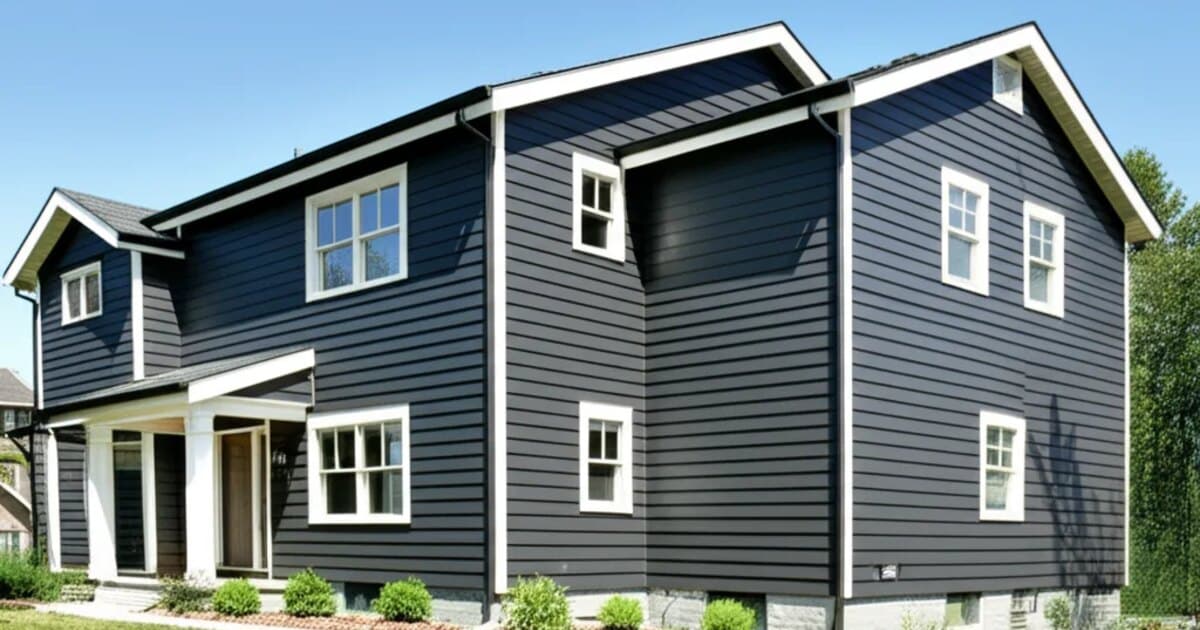
Star's siding market is defined more by design aspiration than by material necessity, which makes it unique among Treasure Valley cities. Meridian, Nampa, and Caldwell all have siding markets driven primarily by product aging and replacement need. Eagle's premium market is driven by both performance demands and aesthetic expectations at the high end. Star's market is primarily driven by homeowners who chose this city partly for its affordability — and who now want their homes to express a vision that the builder's specifications did not deliver. This design-aspiration driver creates a market where Iron Crest's role is part contractor and part design consultant. The question "what siding should I put on my Star home?" is often really "what exterior would actually represent the home I imagined?" and answering it well requires both product knowledge and design literacy. The Hardie ecosystem's mixed-profile flexibility — combining lap, panel, and shake profiles in a single cohesive system — is the tool that makes the design conversation productive, and understanding how different profile combinations read on different Star home architectural footprints is knowledge that comes from project experience, not product catalogs. Star's specific wind environment is the technical differentiator that should inform every installation executed in the city. Contractors who have worked primarily in sheltered Treasure Valley locations — Meridian's eastern subdivisions, Boise's North End — may not instinctively apply the wind-resistant installation details that Star's northwest Ada County position demands. Experience with Star-specific projects builds the muscle memory for these details.
Downtown Star
Downtown Star's residential streets — the blocks near Star Road and State Street at the city's historic center — contain the oldest housing stock in the city, primarily modest homes from the 1970s through 1990s that existed before the post-2010 development wave. These homes are surrounded on all sides by newer development and occupy an interesting position in Star's market: older, more modest in size and original specification, but benefiting from the increased activity and infrastructure investment that Star's growth has brought to the area. Siding projects in downtown Star's older residential core are more similar to Kuna's downtown or Caldwell's working-class neighborhoods than to the newer development that dominates Star's housing stock. Original wood siding, 1990s vinyl re-sides, and builder-grade LP SmartSide from the early 2000s are all present in the older downtown stock, and the approach to each requires the same substrate inspection and honest scope calibration that any older housing market demands. Downtown Star does not have organized HOA governance — the older lots predate the planned community development that characterizes Star's post-2010 subdivisions — giving homeowners design freedom that the newer developments do not offer. For owners of downtown Star's older homes who want to invest in exterior upgrades, this freedom is an opportunity to make bold aesthetic choices without committee approval. Iron Crest has helped downtown Star homeowners execute some of the most design-expressive siding projects in the city.
The Lakes
The Lakes at Star is Star's premium residential address — a planned community built around a series of retention lakes and open water features in the city's southwest quadrant, with home prices and design expectations that position it at the top of Star's real estate hierarchy. The development's water feature adjacency creates a distinctive micro-environment: ambient moisture levels near the lakes are slightly higher than on Star's drier upland streets, and the visual prominence of homes along the lake corridors creates above-average stakes for exterior appearance. Siding in The Lakes is held to a higher standard than in Star's standard production subdivisions, and the homeowner demographic reflects that — these are buyers who paid a premium for their address and have high expectations for their home's visual presence. Fiber cement is the default material specification for any serious siding upgrade in The Lakes, and the profile complexity — mixed lap and panel profiles, detailed trim work, dark contemporary palettes — reflects the design sophistication that distinguishes The Lakes from Star's broader housing stock. The Lakes' HOA architectural review committee is more active and more design-conscious than the review processes in Star's standard subdivisions. Submittals should include material samples, elevation drawings showing the proposed profile distribution, and color evaluations that demonstrate how the proposed scheme will read in the development's specific light environment (including reflections off the adjacent water features). Iron Crest has experience navigating The Lakes' review process and understands the documentation quality that its committee expects. The moisture dimension near The Lakes' water features is modest by Pacific Northwest standards but above average for Star's generally dry semi-arid environment. Fiber cement's impermeability to moisture absorption is a specific advantage in this micro-climate — LP SmartSide's engineered wood substrate is more sensitive to the slightly elevated ambient humidity that lake-adjacent lots experience over time.

The design phase is where your siding installation goes from a general idea to a specific plan. Good design balances aesthetics, functionality, budget, and the unique characteristics of your home and neighborhood in Star. Here are the most popular design approaches and trends we see in Star and the surrounding Treasure Valley.
Star homeowners tend to favor designs that blend modern functionality with the regional character of Idaho homes. Here are the most requested design elements:
These design factors are specific to siding installation projects and affect both the look and function of the finished space:
Siding profile selection — lap (horizontal), board-and-batten (vertical), shake (shingle-style), and panel each create a different architectural character
Mixed materials — combining two siding profiles (e.g., lap siding on main walls with board-and-batten on gable accents) adds visual depth and architectural interest
Color coordination — choose siding color to complement your roof, stone or brick elements, and front door; test large samples on the house in natural light
Trim proportions — wider trim boards around windows and doors create a more substantial, custom look; standard narrow trim is more economical but less distinctive
Reveal and exposure — the amount of siding visible between horizontal rows (the reveal or exposure) affects shadow lines and overall appearance
Regional style — Boise neighborhoods range from modern farmhouse to craftsman to contemporary; your siding choice should complement your home's architecture and neighborhood context
The materials and finishes you choose bring your design to life. Here are the options most commonly selected for siding installation projects in Star:
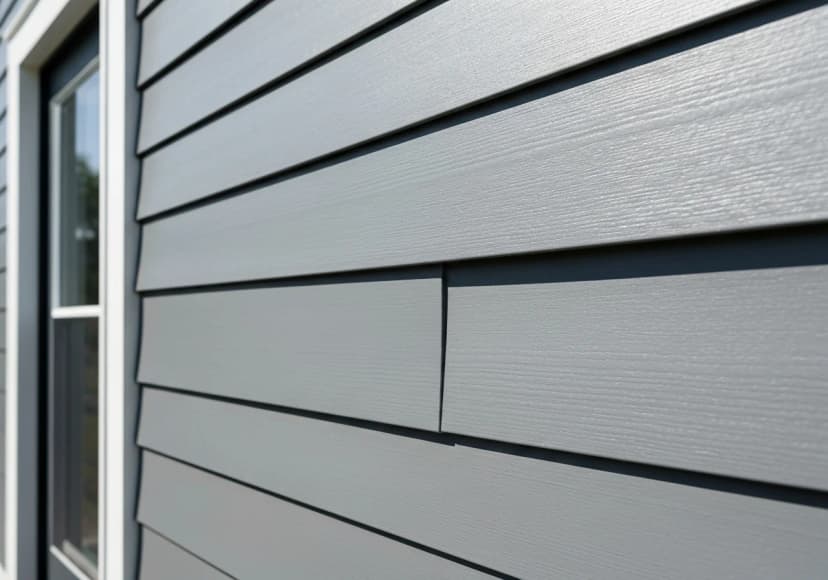
James Hardie HardiePlank Lap Siding
$10–$16 per sq ft installedHomeowners who want maximum durability, fire resistance, and long-term value
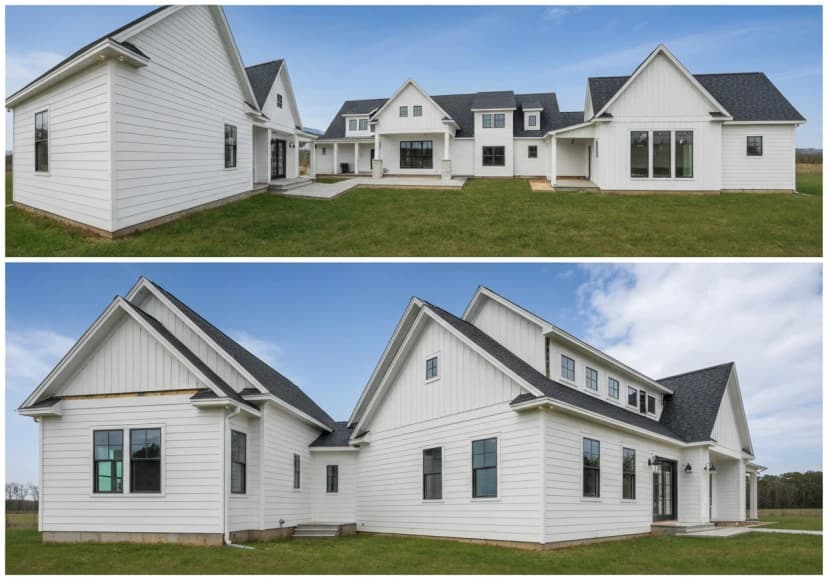
LP SmartSide Engineered Wood Siding
$8–$13 per sq ft installedHomeowners who want wood-grain appearance with engineered durability and lower cost than fiber cement
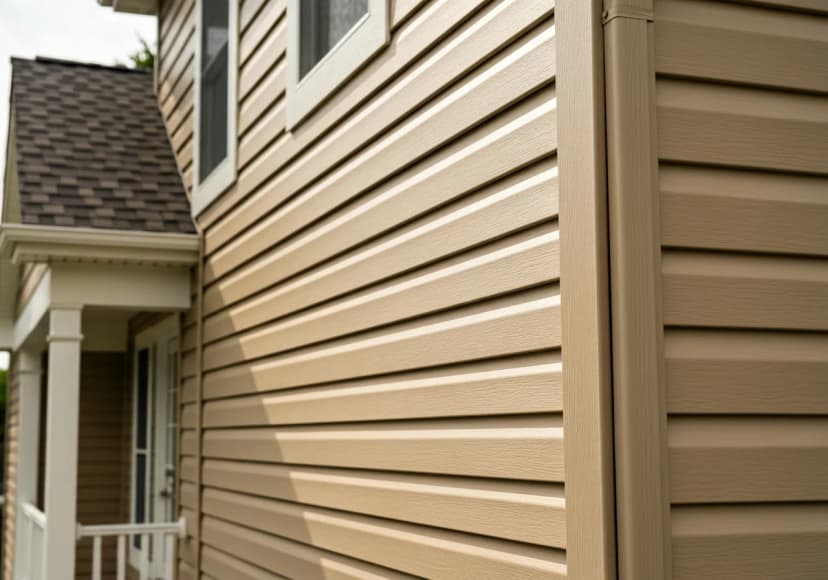
Vinyl Siding
$5–$10 per sq ft installedBudget-conscious projects, rental properties, and homeowners who want zero exterior painting maintenance
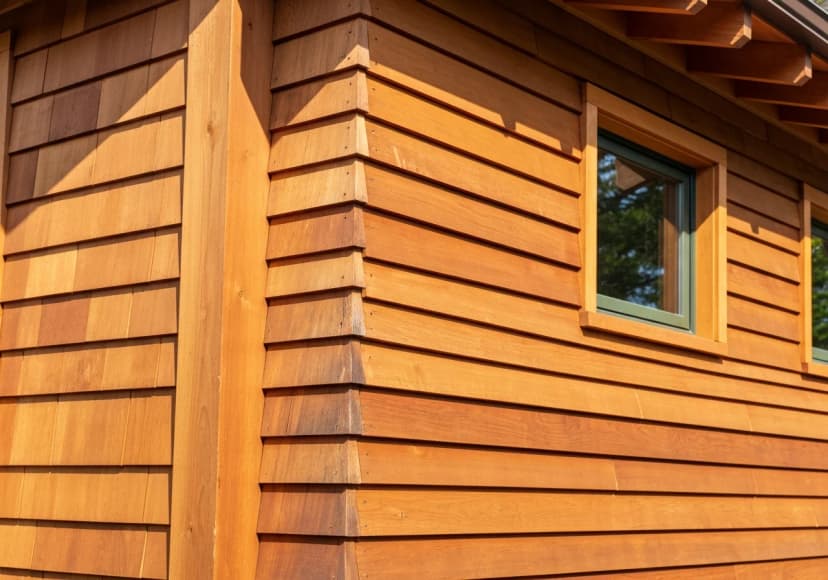
Weather-Resistive Barrier (House Wrap)
$0.50–$1.50 per sq ft installedRequired component beneath all siding installations for moisture and air management
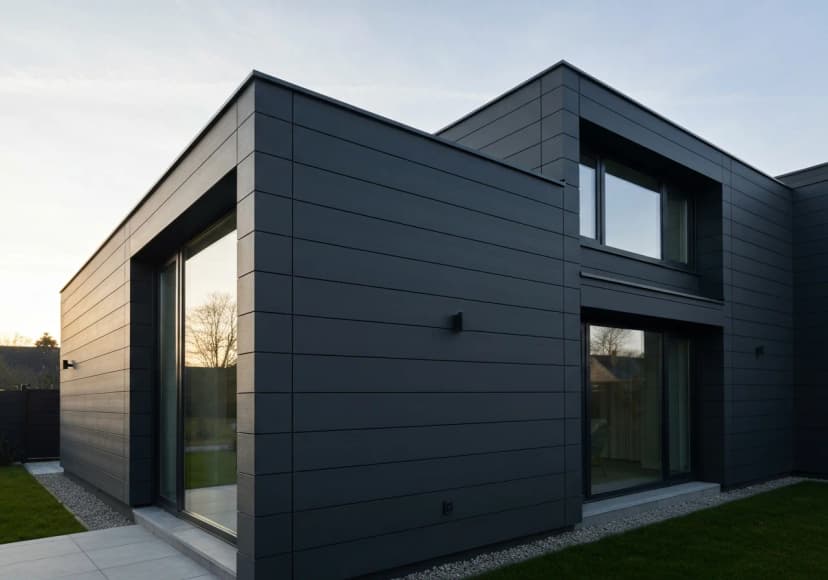
PVC or Fiber Cement Trim
$4–$10 per linear foot installedAll exterior trim applications — especially in areas prone to moisture exposure
Learning from others' mistakes saves time and money. Here are the most common siding installation design pitfalls we see in Star:
Moisture intrusion behind siding causing rot and mold
We remove old siding, repair damaged sheathing and framing, install a proper weather-resistive barrier with correct lapping and sealing, and flash all openings to create a watertight exterior shell.
Fading, warping, or cracking in old vinyl or wood siding
We replace failed siding with modern materials rated for Idaho's UV and temperature extremes. Fiber cement and engineered wood hold their color and shape far longer than older vinyl or untreated wood.
Gaps and failed caulking allowing air and water infiltration
We install siding with manufacturer-specified gapping, use backer rod and premium caulk at all joints and penetrations, and ensure every seam and transition is properly sealed.
Woodpecker damage or pest intrusion in wood or foam-backed siding
We replace damaged sections and install fiber cement or other pest-resistant materials. James Hardie siding is immune to woodpecker damage, termites, and rot.
No weather barrier or inadequate flashing under existing siding
Many older Treasure Valley homes have siding installed directly over sheathing without house wrap or proper flashing. Our complete re-side includes a full weather barrier and flashing system as a standard component.
For siding installation projects in Star, you have two main approaches to the design process: hiring a separate interior designer then a contractor, or working with a design-build firm that handles both under one roof.
Design-build (our approach)
- ✓ Single point of contact
- ✓ Design informed by real construction costs
- ✓ Faster project delivery
- ✓ Budget aligned from day one
Separate designer + contractor
- ● More specialized design expertise
- ● Independent design perspective
- ● Requires coordination between parties
- ● Can result in budget surprises
Local factors — Star's housing stock and typical construction eras, the climate conditions that drive material and scheduling choices, and permitting through City of Star Building Department — are covered in full on our Star page for this service, alongside 5 common project types.
Siding Installation in Star: housing stock, climate & permits →Does siding replacement require a permit?
In most Treasure Valley jurisdictions, full siding replacement requires a building permit — especially if the project involves sheathing repair or weather barrier installation. We handle all permit applications and inspections.
Does new siding improve energy efficiency?
Yes. Removing old siding and installing a proper weather barrier and new siding reduces air infiltration. Adding rigid foam insulation behind the siding further improves R-value and energy efficiency — especially valuable in Boise's hot summers and cold winters.
Planning siding installation in Star?
Get expert guidance and a free estimate for your siding installation project in Star, ID.
Get Your Free Estimate