
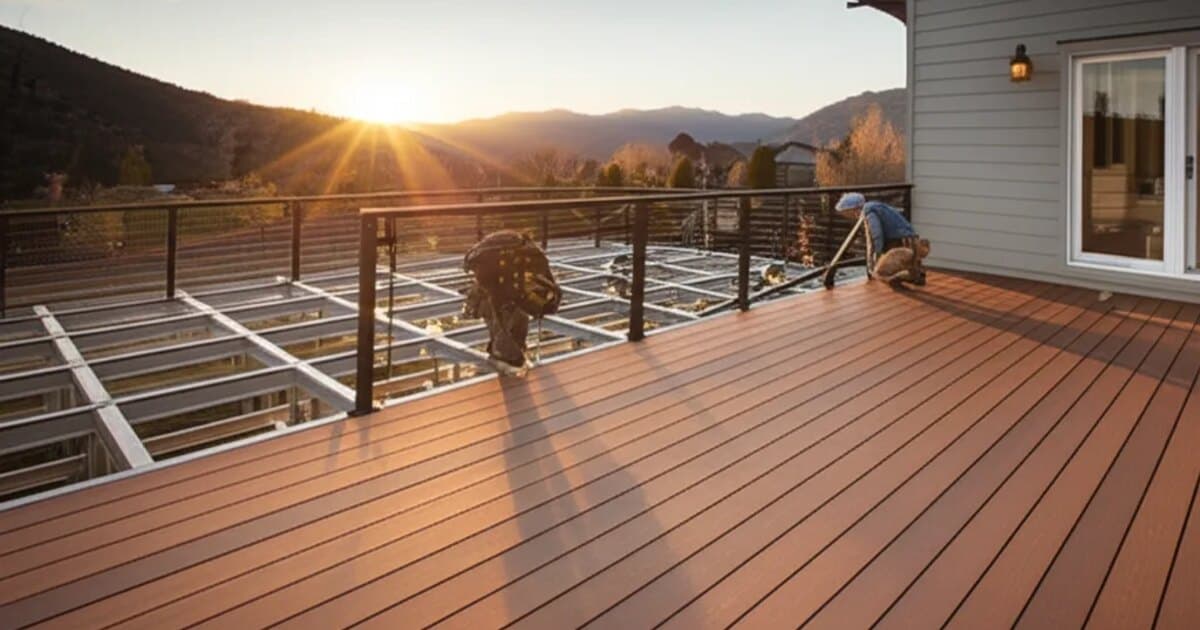
Deck Builder Design Ideas for Eagle
Get inspired with deck building design ideas tailored to Eagle homes, from trending styles to practical layout considerations.
Quick answer
Eagle's outdoor living market differs from every other Treasure Valley community in its scale, its expectations, and its investment capacity — and the combination creates an outdoor living category that genuinely stands alone.
Eagle, ID · Deck Builder
Planning deck building in Eagle?
Read the full guide below — or get your project priced now. Free, no-obligation estimates from an Idaho registered local team, backed by a 1-year workmanship warranty.
- Licensed Idaho RCE-6681702
- 1-Year Workmanship Warranty
- $2M Liability Coverage
- Free, No-Obligation Estimates


Eagle's outdoor living market differs from every other Treasure Valley community in its scale, its expectations, and its investment capacity — and the combination creates an outdoor living category that genuinely stands alone. The lot sizes available in Eagle simply don't exist in comparable quality in Meridian, Nampa, or most of Boise. The larger Banbury and Legacy lots provide room for outdoor living environments that function as full extensions of the home's architectural program. These are not decks — they are outdoor rooms, outdoor kitchens, outdoor living rooms, and outdoor dining rooms that together create a summer lifestyle that would rival resort living. The scope of the work is the second differentiator. An Eagle client who has already put a significant renovation into the interior is generally looking at the outdoor space as the last piece of the same programme, not as a standalone purchase, and the design brief reflects that. What we will not do is put a resale figure on it. Any premium a contractor claims an outdoor kitchen adds at sale is an estimate, not an appraisal, and it is not a number we can verify for a specific Eagle address.
Legacy (Eagle)
Legacy outdoor living projects are the highest-specification deck and patio work in Eagle's market, and they benefit from the planned community's generous lot sizes and design standards. Homes in Legacy were built with the understanding that outdoor living was a primary lifestyle component — many have existing covered patios, outdoor kitchens in early stages, and pool provisions that were never completed. Renovation and expansion of these spaces is extremely common. The design aesthetic for Legacy outdoor spaces has evolved in step with the Tuscan-to-transitional shift inside the homes. The terracotta tile patios, wrought iron furniture, and heavy-timber rustic pergolas that characterized Legacy's original outdoor spaces are being replaced or supplemented with clean composite decking, cable railing, modern structural pergolas, and professional-grade outdoor kitchens with polished stone surfaces. HOA review in Legacy applies to outdoor structures, and the process requires submitting architectural drawings and material specifications for approval before construction begins. Iron Crest prepares HOA submittal packages for every Legacy outdoor project, and we have experience navigating the review process efficiently. HOA approval timelines are set by the association and vary with the completeness of the submittal; we confirm the current window with the management company and build it into the project schedule. Legacy's HOA standards are designed to maintain the neighborhood's premium aesthetic — the review process is a quality control mechanism that actually benefits homeowners who build to the standard. Budget range for Legacy outdoor living projects runs from $60,000 for a composite deck replacement with pergola to $175,000+ for a full outdoor living complex with covered kitchen, multiple pergola structures, and pool surround.
Banbury (Eagle)
Banbury's outdoor living context is unique in Eagle's market: the proximity to the Boise River and canal systems creates a backdrop and lifestyle orientation that makes outdoor spaces feel genuinely connected to the natural environment. Large mature trees provide natural shade canopy, the river creates ambient sound and a sense of cool even on Eagle's hottest summer days, and the lots — often half an acre to over an acre — provide room for outdoor environments that have genuine landscape scale. Outdoor projects in Banbury tend to emphasize the connection to the natural setting more than in Legacy. Organic materials — natural stone pavers, cedar or redwood structural elements, concrete with exposed aggregate or wash finishes — complement the river-adjacent landscape in ways that more formal manufactured materials don't. The outdoor kitchen in a Banbury home might be built into a natural stone surround with a live-edge wood counter section rather than a polished marble surface — a more natural, less formal luxury that suits the setting. Fire features are particularly popular in Banbury given the river proximity and the tendency toward cooler evenings along the waterway. A fire table or built-in fire pit positioned for views of the canal or the treeline creates an evening gathering place that Banbury residents use from April through October. Integrated outdoor audio and evening lighting complete the picture of a space designed for genuine nighttime outdoor living. Banbury projects typically don't require HOA review for outdoor structures (unlike Legacy), which simplifies the permit process to City of Eagle Building Department permits for structural work. Budget range runs $50,000–$150,000 for the full range of Banbury outdoor living investments.
Downtown Eagle / Historic Core
Outdoor living in Downtown Eagle's Historic Core is scaled differently from the larger neighborhood projects but is no less important to the character and value of these homes. The lots are smaller, the setting is more intimate, and the premium is on creating outdoor spaces that maximize the usability of available square footage rather than creating grand expansions. Front porches and entry courtyards are particularly important in the Historic Core, where the walkable street character means front outdoor spaces connect to the neighborhood in ways that backyard-focused outdoor living in Legacy or Banbury doesn't. A well-designed front porch with quality composite decking, craftsman-style posts and railing, and landscape lighting creates curb appeal and community connection simultaneously. Backyard outdoor spaces in Historic Core homes are typically compact but highly functional: a covered patio or pergola that provides shade for afternoon entertaining, a compact outdoor kitchen or grill station, and a low-maintenance hardscape that minimizes yard work while maximizing usable space. The design priority is quality-per-square-foot rather than square footage scale. Budget range for Historic Core outdoor projects is $28,000–$75,000, reflecting the smaller scale while maintaining the quality of materials and construction appropriate for Eagle's market. City of Eagle permits are required for structural work, and the Historic Core's proximity to downtown means neighborhood character guidelines may apply to front-facing structures.

The design phase is where your deck building goes from a general idea to a specific plan. Good design balances aesthetics, functionality, budget, and the unique characteristics of your home and neighborhood in Eagle. Here are the most popular design approaches and trends we see in Eagle and the surrounding Treasure Valley.
Eagle homeowners tend to favor designs that blend modern functionality with the regional character of Idaho homes. Here are the most requested design elements:
These design factors are specific to deck building projects and affect both the look and function of the finished space:
Deck orientation — consider sun exposure patterns; west-facing decks get intense afternoon sun in Boise summers, while east-facing decks offer shaded evening outdoor dining
Access and flow — plan deck access from interior rooms (kitchen, living room, or primary bedroom) for natural indoor-outdoor flow
Board direction and pattern — deck boards can run parallel to the house, perpendicular, or in diagonal or herringbone patterns to create visual interest
Privacy screening — consider the sightlines from neighboring properties and plan privacy screens, lattice panels, or plantings as needed
Lighting plan — integrated LED deck lighting in posts, stair risers, and railings extends usability into the evening and adds safety
Shade strategy — pergolas, sail shades, or covered roof extensions provide relief from Boise's summer sun while maintaining an open feel
The materials and finishes you choose bring your design to life. Here are the options most commonly selected for deck building projects in Eagle:
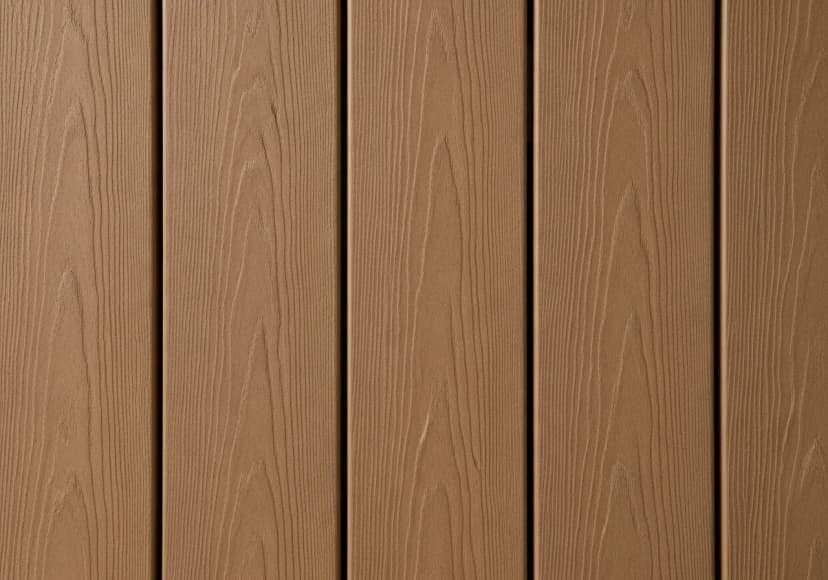
Trex Composite Decking
$8–$16 per sq ft (material only)Homeowners who want a low-maintenance, long-lasting deck surface with consistent color
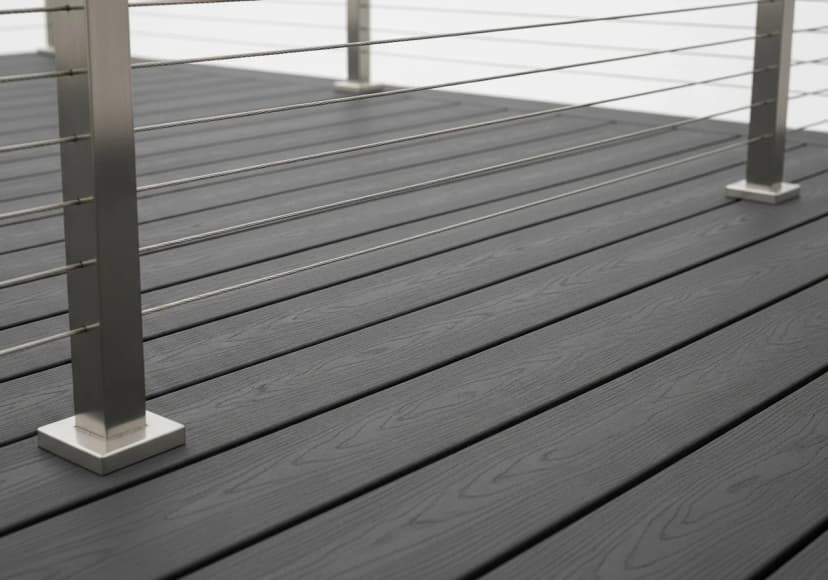
TimberTech / AZEK Composite Decking
$10–$22 per sq ft (material only)Premium projects where appearance, longevity, and warranty are top priorities
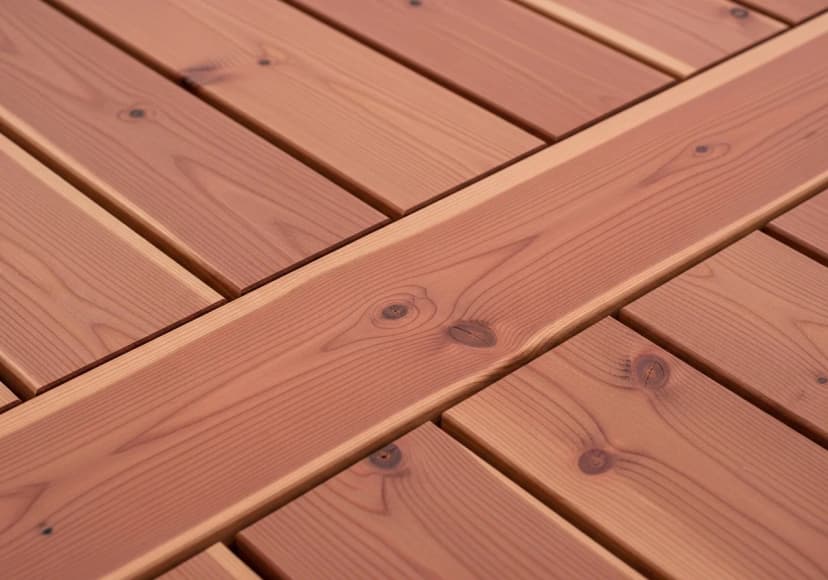
Cedar Decking
$6–$12 per sq ft (material only)Homeowners who prefer natural wood appearance and are willing to maintain it
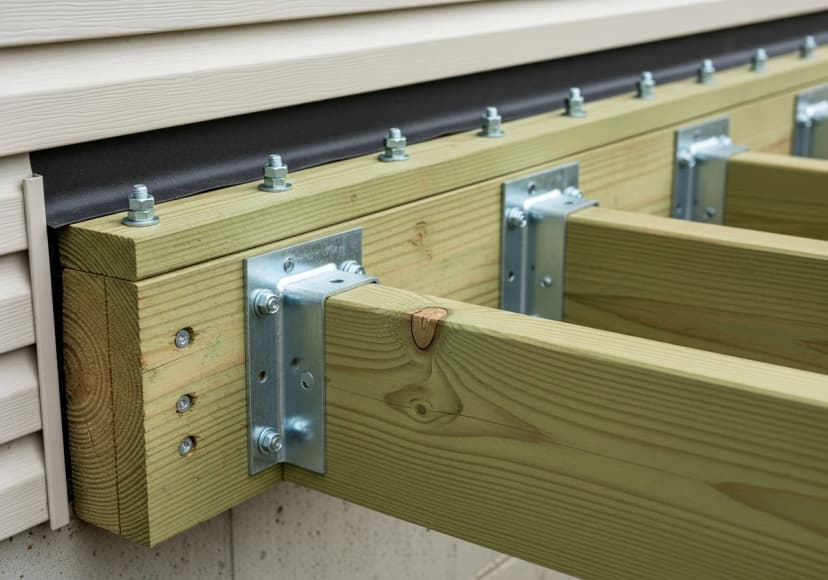
Pressure-Treated Lumber (Framing and Economy Decking)
$3–$6 per sq ft (material only)Deck framing, budget-conscious projects, and utility decks
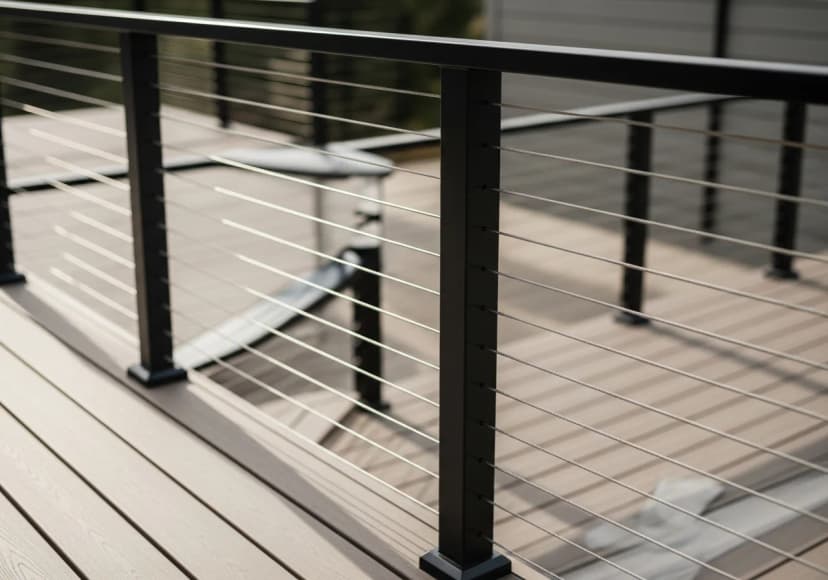
Aluminum or Composite Railing Systems
$30–$80 per linear foot installedAll deck railing applications — especially with composite decking for a unified low-maintenance design
Learning from others' mistakes saves time and money. Here are the most common deck building design pitfalls we see in Eagle:
Existing deck is structurally unsafe with deteriorated framing
We perform a structural assessment, remove the unsafe deck, inspect the ledger connection and house framing, and build a new code-compliant deck from the footings up.
Deck boards are warped, splintered, or graying from weather exposure
For decks with sound framing, we can replace the decking surface and railing with composite materials that resist weathering, fading, and splintering — providing decades of low-maintenance use.
Inadequate footings that shift or settle over time
We excavate new footings below the frost line (24 inches in Boise), pour concrete to proper specifications, and install code-compliant post brackets to prevent settling and movement.
Water intrusion at the ledger board connection
Improper ledger flashing is the leading cause of water damage where decks attach to homes. We install code-required flashing and use approved fastener patterns to create a waterproof connection.
Deck does not meet current building code requirements
We bring the deck up to current code standards including railing height, baluster spacing, stair rise and run, structural connections, and footing depth — often required when replacing or significantly modifying an existing deck.
For deck building projects in Eagle, you have two main approaches to the design process: hiring a separate interior designer then a contractor, or working with a design-build firm that handles both under one roof.
Design-build (our approach)
- ✓ Single point of contact
- ✓ Design informed by real construction costs
- ✓ Faster project delivery
- ✓ Budget aligned from day one
Separate designer + contractor
- ● More specialized design expertise
- ● Independent design perspective
- ● Requires coordination between parties
- ● Can result in budget surprises
Local factors — Eagle's housing stock and typical construction eras, the climate conditions that drive material and scheduling choices, and permitting through City of Eagle Building Department — are covered in full on our Eagle page for this service, alongside 5 common project types.
Deck Builder in Eagle: housing stock, climate & permits →Do I need a permit to build a deck in Boise?
Yes. Most deck construction in Ada County and Canyon County requires a building permit with structural plans. The permit ensures footings, framing, railings, and stairs meet current building code requirements for safety and structural integrity.
Can you add a pergola or cover to my deck?
Yes. We design and build pergolas, shade structures, and covered deck extensions. These features are especially popular in Boise for protection from the intense summer sun and can extend your outdoor living season by weeks in spring and fall.
Planning deck building in Eagle?
Get expert guidance and a free estimate for your deck builder project in Eagle, ID.
Get Your Free Estimate