
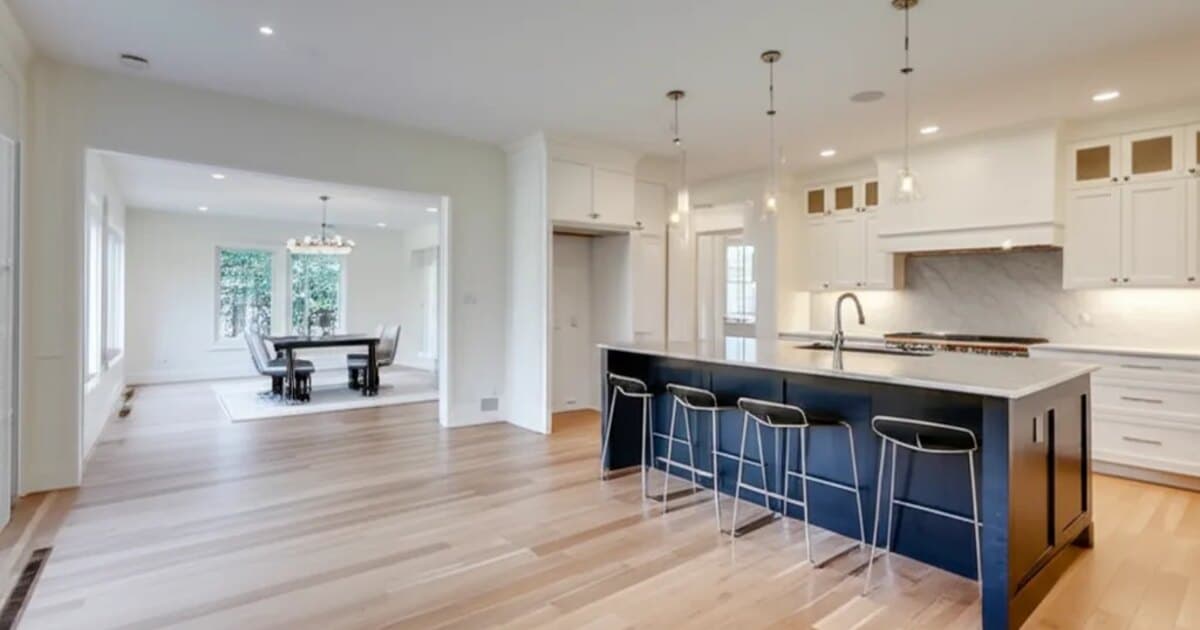
Whole-Home Remodeling Design Ideas for Garden City
Get inspired with whole-home remodeling design ideas tailored to Garden City homes, from trending styles to practical layout considerations.
Quick answer
We develop a whole-home design package before construction begins — selecting flooring, trim profiles, door hardware, paint colors, lighting fixtures, and plumbing finishes that work together across every room. This ensures a cohesive result rather than a collection of disconnected renovations.
Garden City, ID · Whole-Home Remodeling
Planning whole-home remodeling in Garden City?
Read the full guide below — or get your project priced now. Free, no-obligation estimates from an Idaho registered local team, backed by a 1-year workmanship warranty.
- Licensed Idaho RCE-6681702
- 1-Year Workmanship Warranty
- $2M Liability Coverage
- Free, No-Obligation Estimates


Garden City whole-home remodeling is fundamentally about creative problem-solving in compact, character-rich spaces — not about updating generic builder-grade finishes. The design challenge here is harder than in Meridian but more rewarding: converting a 1955 river cottage into a contemporary, fully functional home that still feels connected to its place requires imagination, technical skill, and a genuine understanding of what Garden City is and why people choose to live here. The design standard is also categorically higher. Garden City homeowners are not satisfied with beige walls and contractor-grade LVP — they want design that reflects their aesthetic intelligence and the specific character of the community they chose. Whole-home renovations here must be executed by contractors who can engage with design at a sophisticated level, who understand material quality and specification, and who bring both the creativity to imagine the finished home and the construction skill to build it correctly. The Greenbelt context adds an outdoor dimension to whole-home thinking that is absent in landlocked suburban communities. A successful Garden City whole-home renovation is not just about the interior — it is about creating a home that functions as a base camp for the Greenbelt lifestyle, with the indoor-outdoor connections, the durable materials, and the spatial intelligence to support the active, creative, river-adjacent life that defines Garden City at its best.
Greenbelt Corridor
Whole-home renovation in the Greenbelt Corridor requires treating moisture management as a first-order design problem rather than an afterthought. Before any finish work begins, a thorough assessment of the existing building envelope — crawlspace conditions, exterior wall moisture barriers, window flashing integrity, and roof system condition — should identify any moisture intrusion that could compromise new finishes. River cottages built in the 1950s frequently have vapor barriers (or the complete absence of them) that predate modern building science, and crawlspaces in close proximity to the Boise River can have elevated moisture that requires active ventilation to manage. The indoor-outdoor connection is the most valuable design dimension of Greenbelt Corridor whole-home projects. These properties are typically within walking or cycling distance of the Greenbelt's paved multi-use path, and the outdoor environment — cottonwood shade in summer, fall colors in October, the sound of the river in spring — is a genuine amenity that the interior design should embrace. Adding or expanding sliding glass doors to a rear patio, creating an outdoor living area that extends the main floor living space, and specifying interior finishes that create visual continuity with the natural landscape outside are design moves that connect the renovated home to the specific place it occupies. What a renovated Greenbelt Corridor cottage combines is a compact, maintenance-friendly footprint and Greenbelt access that cannot be reproduced on another lot. What that combination fetches is a question for an agent working current Garden City comparables — we have no transaction data and will not publish a figure in place of one.
Live-Work-Create District
Whole-home renovation in the Live-Work-Create District requires reconciling two seemingly opposed design demands: the industrial character of the building type and the domestic comfort requirements of full-time residential occupation. The most successful projects achieve this reconciliation not through compromise but through strategic contrast — preserving the industrial bones (exposed structure, concrete floors, large windows) while creating deliberately soft and warm domestic spaces within that frame (warm-toned kitchen cabinetry, layered textile and lighting in the bedroom zone, a spa-quality bathroom that provides complete sensory contrast to the industrial shell). Zoning and use classification deserve particular attention in Live-Work-Create District whole-home projects. Some properties in this district have commercial use components that affect permit requirements, utility service specifications, and the long-term flexibility of the space. Iron Crest's pre-construction process in this district includes a review of the property's use classification and identification of any zoning or code requirements that affect the renovation scope. This prevents the scenario where renovation work is completed under a residential permit only to discover that the property's commercial use classification required a commercial permit for certain scope elements.
Garden City Core
Core neighborhood whole-home renovations benefit from the relative simplicity of the mid-century housing stock: these homes were built with rational construction that is generally free of the unusual structural configurations and system surprises that complicate older historic properties. The primary design challenge is overcoming the compartmentalized floor plan that was standard in 1960s and 1970s residential construction — and the primary design opportunity is creating a genuinely contemporary open-plan home from a fundamentally sound mid-century structure. Core neighborhood projects also benefit from full design freedom relative to the Greenbelt Corridor's moisture constraints. Interior finishes, flooring, and cabinetry can be specified with a wider range of materials because the building envelope is generally drier and more stable. Solid hardwood flooring, natural stone countertops, and premium painted cabinetry all perform reliably in core neighborhood homes that have been properly waterproofed and maintained. The resulting whole-home renovation can achieve a higher-spec finish quality at a given budget than an equivalent project on a Greenbelt cottage where moisture management requirements absorb more of the construction budget.
Chinden Corridor
Whole-home renovation in the Chinden Corridor is less common than in other Garden City micro-areas because the properties here are more diverse in type and ownership structure, and the long-term owner-occupants who dominate this area tend to undertake incremental improvements rather than comprehensive renovations. When whole-home projects do occur here, they tend to be driven by change-of-ownership events — new buyers who acquired a significantly below-market property and are investing in a comprehensive renovation to bring it to contemporary standards. These projects require particular attention to the condition of older systems: electrical panels in Chinden Corridor properties from the 1950s and 1960s may be 60-amp fuse boxes or early breaker panels that cannot support modern loads. Galvanized water supply lines — which corrode internally over decades and restrict flow — are common in this era of construction. HVAC systems may be at or past end of life. A whole-home renovation is the correct context in which to address all of these system issues simultaneously, because doing so while walls and floors are already open for cosmetic renovation is far less expensive than returning to address each system individually after the finish work is complete.

The design phase is where your whole-home remodeling goes from a general idea to a specific plan. Good design balances aesthetics, functionality, budget, and the unique characteristics of your home and neighborhood in Garden City. Here are the most popular design approaches and trends we see in Garden City and the surrounding Treasure Valley.
Garden City homeowners tend to favor designs that blend modern functionality with the regional character of Idaho homes. Here are the most requested design elements:
These design factors are specific to whole-home remodeling projects and affect both the look and function of the finished space:
Floor plan flow — ensure natural traffic patterns between kitchen, dining, living, and bedrooms without bottlenecks or wasted hallway space
Flooring continuity — using the same flooring material throughout main living areas creates a seamless, spacious feel and simplifies transitions
Lighting plan — layer ambient, task, and accent lighting in every room; use consistent fixture finishes and consider smart lighting controls
Storage strategy — plan built-in storage, closet systems, and cabinetry for every room to reduce clutter and maximize function
Color palette — select a cohesive whole-home color scheme with complementary tones that flow naturally from room to room
Mechanical system placement — plan HVAC returns, electrical panels, and plumbing access points so they do not conflict with the finished design
The materials and finishes you choose bring your design to life. Here are the options most commonly selected for whole-home remodeling projects in Garden City:
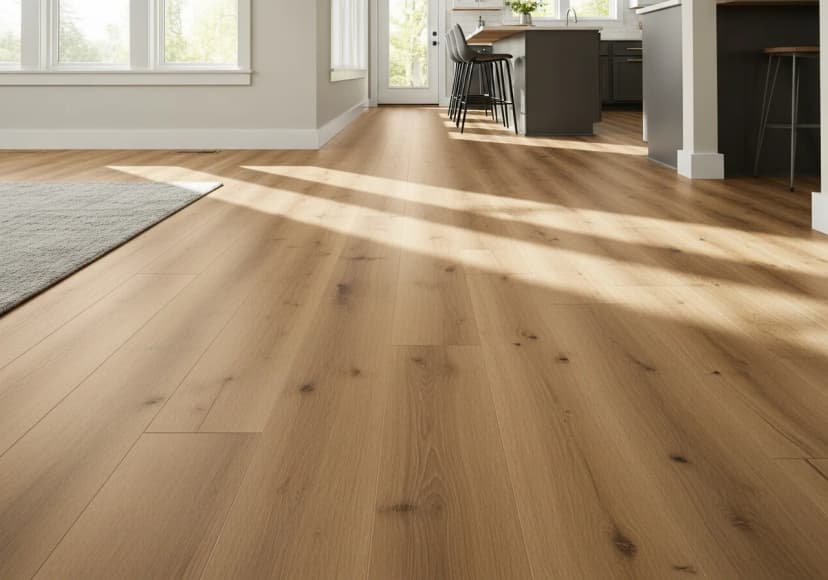
Luxury Vinyl Plank (LVP)
$4–$10 per sq ft installedMain living areas, hallways, bedrooms, and kitchens
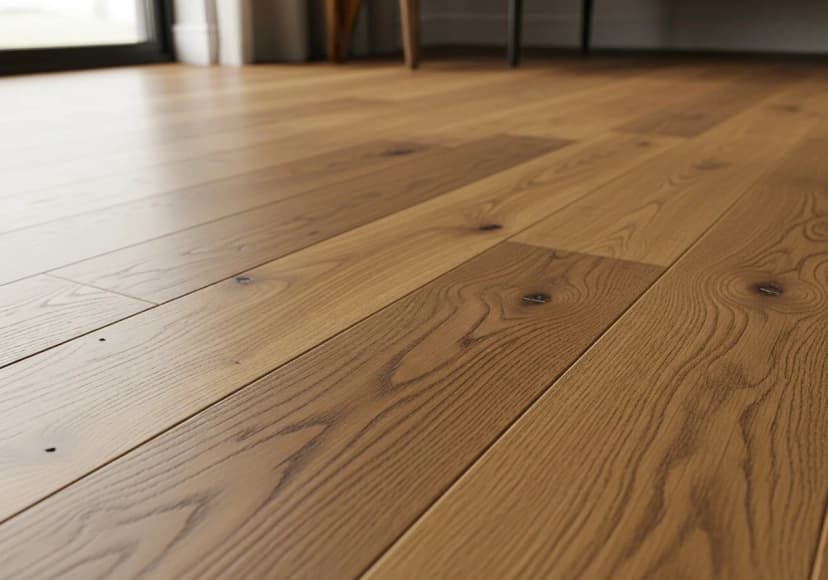
Engineered Hardwood
$8–$16 per sq ft installedLiving rooms, dining rooms, and bedrooms in climate-controlled environments
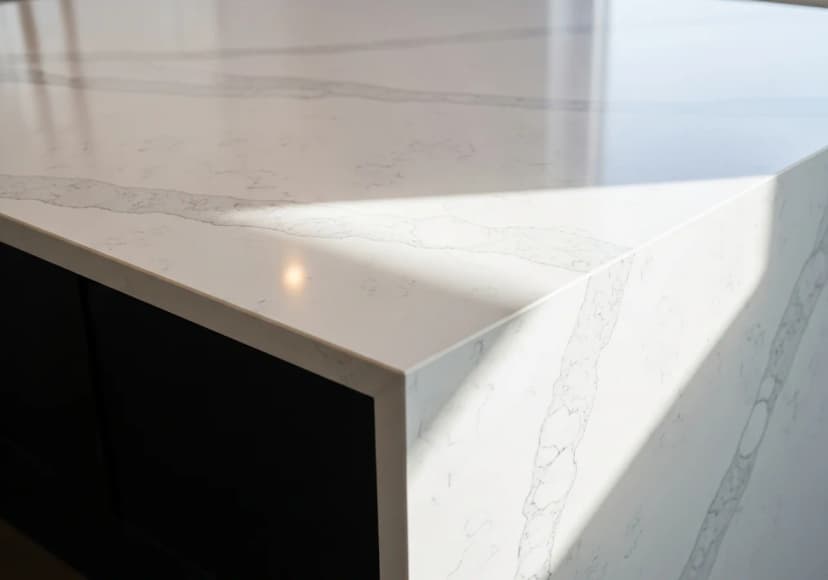
Quartz Countertops
$50–$120 per sq ft fabricated and installedKitchen countertops, bathroom vanities, and laundry surfaces

Semi-Custom Cabinetry
$250–$600 per linear foot installedKitchen, bathroom, laundry, and built-in storage throughout the home

Interior Paint — Premium Grade
$3–$6 per sq ft of wall area (labor and material)Every wall and ceiling surface in the home
Learning from others' mistakes saves time and money. Here are the most common whole-home remodeling design pitfalls we see in Garden City:
Compartmentalized floor plan with poor flow between rooms
We remove or modify interior walls to create open-concept living areas, install structural headers where needed, and unify flooring and finishes across the connected spaces.
Inconsistent finishes from years of piecemeal updates
A whole-home remodel ensures consistent flooring, trim profiles, paint colors, door hardware, and fixture finishes throughout — eliminating the patchwork look of decades of small projects.
Outdated electrical system that cannot support modern loads
We upgrade the electrical panel, add dedicated circuits for kitchens and bathrooms, install GFCI and AFCI protection where required by code, and add outlets and lighting throughout the home.
Poor insulation and energy inefficiency
During the renovation, we upgrade insulation in walls, attics, and crawlspaces — improving comfort and reducing heating and cooling costs in Boise's hot summers and cold winters.
Deferred maintenance hidden behind walls and under floors
A whole-home renovation exposes framing, plumbing, and wiring that may have been hidden for decades. We identify and repair water damage, pest damage, improper wiring, and failing plumbing during the demolition phase.
For whole-home remodeling projects in Garden City, you have two main approaches to the design process: hiring a separate interior designer then a contractor, or working with a design-build firm that handles both under one roof.
Design-build (our approach)
- ✓ Single point of contact
- ✓ Design informed by real construction costs
- ✓ Faster project delivery
- ✓ Budget aligned from day one
Separate designer + contractor
- ● More specialized design expertise
- ● Independent design perspective
- ● Requires coordination between parties
- ● Can result in budget surprises
Local factors — Garden City's housing stock and typical construction eras, the climate conditions that drive material and scheduling choices, and permitting through City of Garden City Building Department — are covered in full on our Garden City page for this service, alongside 5 common project types.
Whole-Home Remodeling in Garden City: housing stock, climate & permits →How do you handle design consistency across rooms?
We develop a whole-home design package before construction begins — selecting flooring, trim profiles, door hardware, paint colors, lighting fixtures, and plumbing finishes that work together across every room. This ensures a cohesive result rather than a collection of disconnected renovations.
What is included in a whole-home remodel?
A comprehensive whole-home remodel typically includes flooring throughout, kitchen renovation, bathroom renovations, paint and trim, lighting and electrical updates, plumbing updates, HVAC improvements, and any layout or structural changes. The exact scope is customized to your goals and budget.
Planning whole-home remodeling in Garden City?
Get expert guidance and a free estimate for your whole-home remodeling project in Garden City, ID.
Get Your Free Estimate