
How Long Does Flooring Installation Take in Boise?
Understand the typical timeline for flooring installation in Boise, from material selection to final walkthrough.
Quick answer
A typical whole-home flooring installation (1,500-2,000 sq ft) takes 5-10 days including removal of existing flooring, subfloor prep, and installation. Single-room projects may take 1-3 days. Tile installations take longer due to setting and grouting time.
Boise, ID · Flooring Installation
Planning flooring installation in Boise?
Read the full guide below — or get your project priced now. Free, no-obligation estimates from an Idaho registered local team, backed by a 1-year workmanship warranty.
- Licensed Idaho RCE-6681702
- 1-Year Workmanship Warranty
- $2M Liability Coverage
- Free, No-Obligation Estimates


How long each type of flooring installation project actually takes in Boise, from our completed work:
| Project | On-site duration |
|---|---|
| Whole-Home LVP Installation — West Boise Family Home | 5–7 days |
| Hardwood Refinishing and Extension — North End Craftsman | 6–8 days (including required drying time between finish coats) |
| Master Bath Tile Installation — Boise Bench Renovation | 5–7 days |
| Carpet Removal and LVP — Full Bench Bungalow Update | 7–10 days |
| Entry, Kitchen, and Mudroom Tile — Harris Ranch New Build Upgrade | 5–7 days |
Scope detail and pricing for each of these is on the Boise flooring installation cost guide.
Understanding the timeline for flooring installation in Boise helps you plan around daily life disruptions, coordinate schedules, and set realistic expectations for when the project will be complete. Every project is different, but most flooring installation projects in Boise follow a predictable sequence of phases.
Consultation and Material Selection
1–2 weeksIn-home measurement, subfloor assessment, material selection, and estimate finalization. Material ordering and delivery may add 1-2 weeks depending on availability.
Material Acclimation
2–5 daysFlooring material is delivered and stored in the home to acclimate to indoor temperature and humidity. Hardwood requires the longest acclimation period; LVP and laminate require less.
Existing Flooring Removal
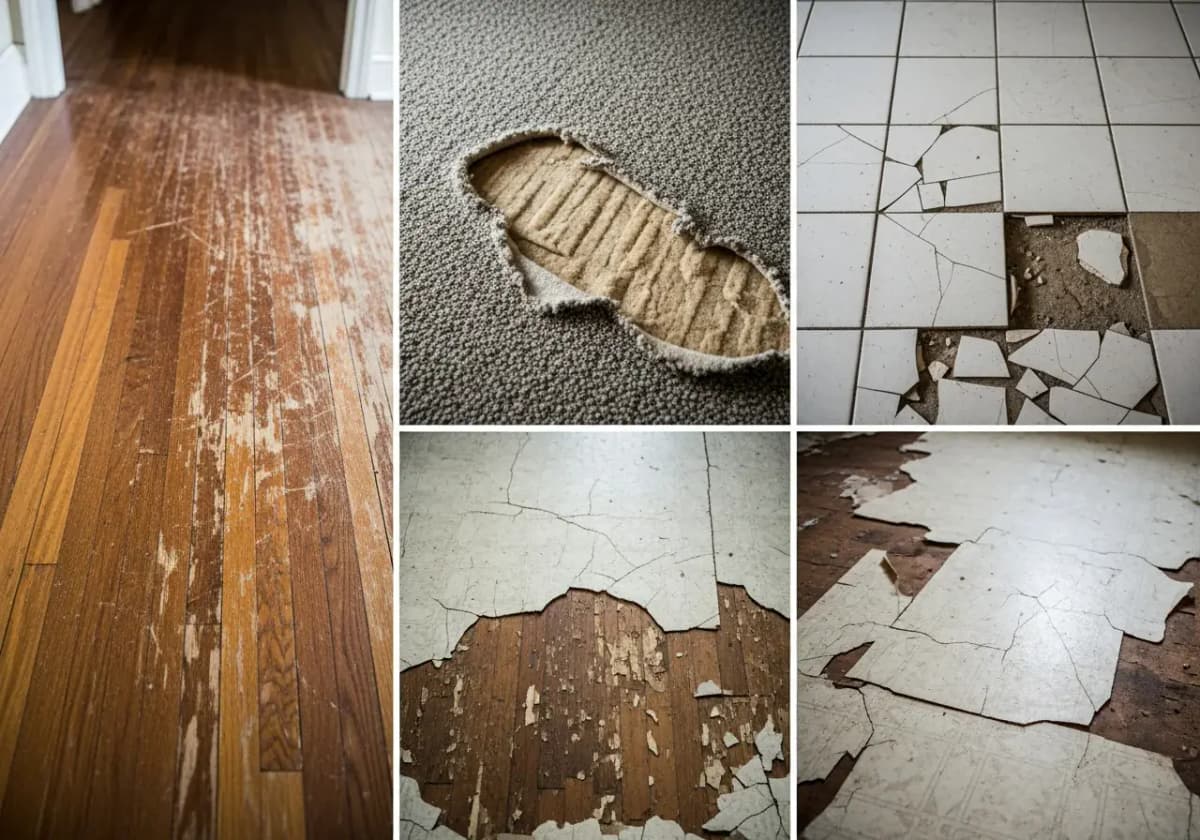
1–3 daysRemoval and disposal of existing flooring. Carpet removal is fast; tile and glued-down flooring removal takes longer.
Subfloor Preparation
1–2 daysLeveling, repairs, moisture barrier installation, and surface preparation. Subfloors in good condition require minimal prep.
Flooring Installation
2–5 daysMaterial installation throughout the home. A typical 1,500-2,000 sq ft LVP or hardwood installation takes 3-5 days. Tile floors take longer due to thin-set curing and grouting.
Trim, Transitions, and Cleanup
1–2 daysBaseboard and transition strip installation, shoe molding, final cleaning, and walkthrough.
Here is the full step-by-step process for a flooring installation in Boise, including what happens at each stage:
Step 1: In-Home Measurement and Consultation
We measure every room, assess the existing subfloor condition, check for moisture issues, discuss your lifestyle needs, and help you select the right flooring material for each area of the home. You receive a detailed estimate with material and labor costs.
Step 2: Material Selection and Ordering
We help you choose flooring from our supplier partners — comparing styles, colors, wear layers, and warranties. We order material with appropriate overage for cuts and waste. Material acclimation time (especially for hardwood) is factored into the schedule.
Step 3: Existing Flooring Removal
We remove existing carpet, tile, vinyl, or laminate and dispose of all material responsibly. Tack strips, staples, adhesive residue, and any damaged subfloor sections are addressed during removal.
Step 4: Subfloor Preparation
This is the most important step. We level the subfloor using self-leveling compound where needed, repair any damaged sections, install moisture barriers where required, and verify the surface is clean, flat, and dry before installation begins.
Step 5: Flooring Installation
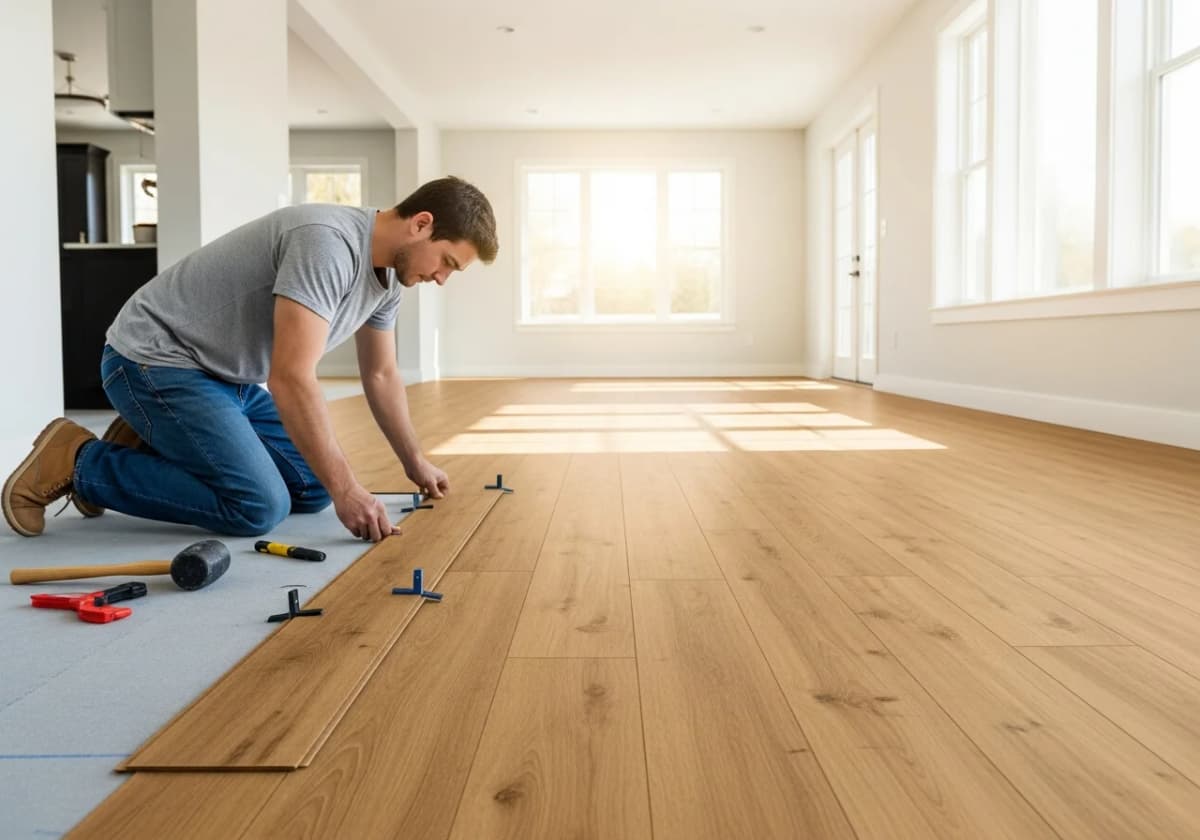
Material is installed with the appropriate method — click-lock floating, nail-down, glue-down, or thin-set for tile. Each plank, board, or tile is precision-cut and placed with consistent spacing, tight seams, and proper expansion gaps at walls.
Step 6: Transitions, Trim, and Completion
Transition strips are installed between different flooring types and at doorways. Baseboards are reinstalled or replaced. Quarter-round or shoe molding covers expansion gaps. A final walkthrough ensures quality and cleanliness.
Several factors specific to Boise and the Treasure Valley can affect your flooring installation timeline:
Material lead times
Custom materials, specialty items, and premium products can have lead times of 4-14 weeks. We order materials as early as possible in the design phase to minimize schedule impact.
Permit processing
City of Boise Planning and Development Services typically processes residential permits in 1-3 weeks. More complex projects with structural changes may take longer. We submit permits immediately after design approval.
Seasonal factors
Boise has a semi-arid, four-season climate with hot, dry summers (90-105°F), cold winters (15-35°F), and low annual precipitation. This climate directly affects material choices, construction scheduling, and long-term durability of remodeling work. Interior remodeling can happen year-round, but projects with exterior components are best scheduled during the building season (March through November).
Existing conditions
Boise has over a century of residential construction, from 1900s Craftsman homes in the North End to 2020s new construction in West Boise and Southeast Boise. This diversity means remodeling contractors encounter a wide range of structural systems, plumbing types, electrical standards, and finish materials. Older homes may reveal unexpected conditions during demolition — water damage, outdated wiring, or structural issues — that add time to the schedule. We build contingency into every project timeline.
Decision-making speed
One of the most common causes of project delays is slow decision-making during the design and material selection phase. Having a clear vision and making timely selections keeps the project on track.
- ✓Complete all material selections before demolition begins — this is the single most important thing you can do
- ✓Make decisions promptly when options or changes are presented during construction
- ✓Avoid making changes to the scope after construction has started — change orders add time and cost
- ✓Plan for materials with long lead times early in the design process
- ✓Work with a contractor who manages the schedule proactively and communicates regularly
Local factors — Boise's housing stock and typical construction eras, the climate conditions that drive material and scheduling choices, and permitting through City of Boise Planning and Development Services — are covered in full on our Boise page for this service, alongside 5 common project types.
Flooring Installation in Boise: housing stock, climate & permits →How long does flooring installation take?
A typical whole-home flooring installation (1,500-2,000 sq ft) takes 5-10 days including removal of existing flooring, subfloor prep, and installation. Single-room projects may take 1-3 days. Tile installations take longer due to setting and grouting time.
Can new flooring be installed over existing flooring?
In some cases, yes. LVP and laminate can often be installed over smooth, level existing floors. However, removing old flooring typically produces a better result because it allows for proper subfloor inspection, repair, and preparation.
Are permits required for remodeling in Boise?
Yes, most remodeling projects that involve plumbing, electrical, structural, or mechanical changes require permits from the City of Boise Planning and Development Services. We handle the entire permit process including application, submission, and inspection coordination.
Planning flooring installation in Boise?
Get expert guidance and a free estimate for your flooring installation project in Boise, ID.
Get Your Free Estimate