
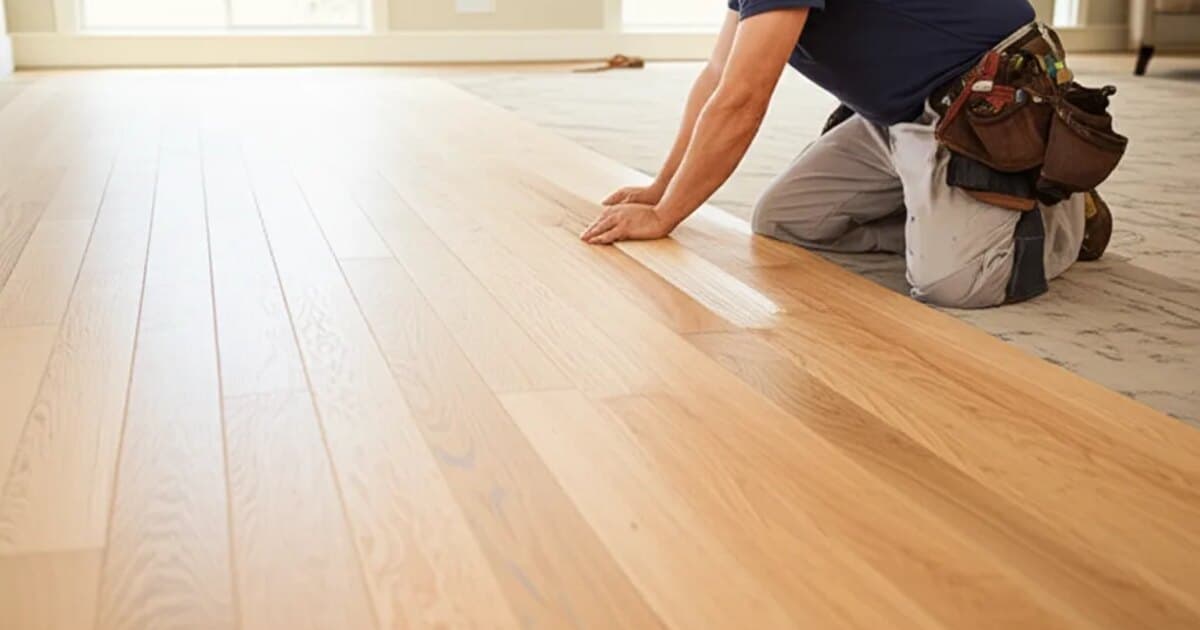
Best Materials for Flooring Installation in Boise
Explore the most popular material options for flooring installation in Boise, with pricing, durability, and style comparisons to help you choose.
Quick answer
LVP is more practical — it is waterproof, scratch-resistant, more affordable, and easier to maintain. Hardwood offers a warmer, more premium feel and can be refinished multiple times. Many homeowners use LVP in high-traffic and wet areas and hardwood in formal living spaces.
Boise, ID · Flooring Installation
Planning flooring installation in Boise?
Read the full guide below — or get your project priced now. Free, no-obligation estimates from an Idaho registered local team, backed by a 1-year workmanship warranty.
- Licensed Idaho RCE-6681702
- 1-Year Workmanship Warranty
- $2M Liability Coverage
- Free, No-Obligation Estimates
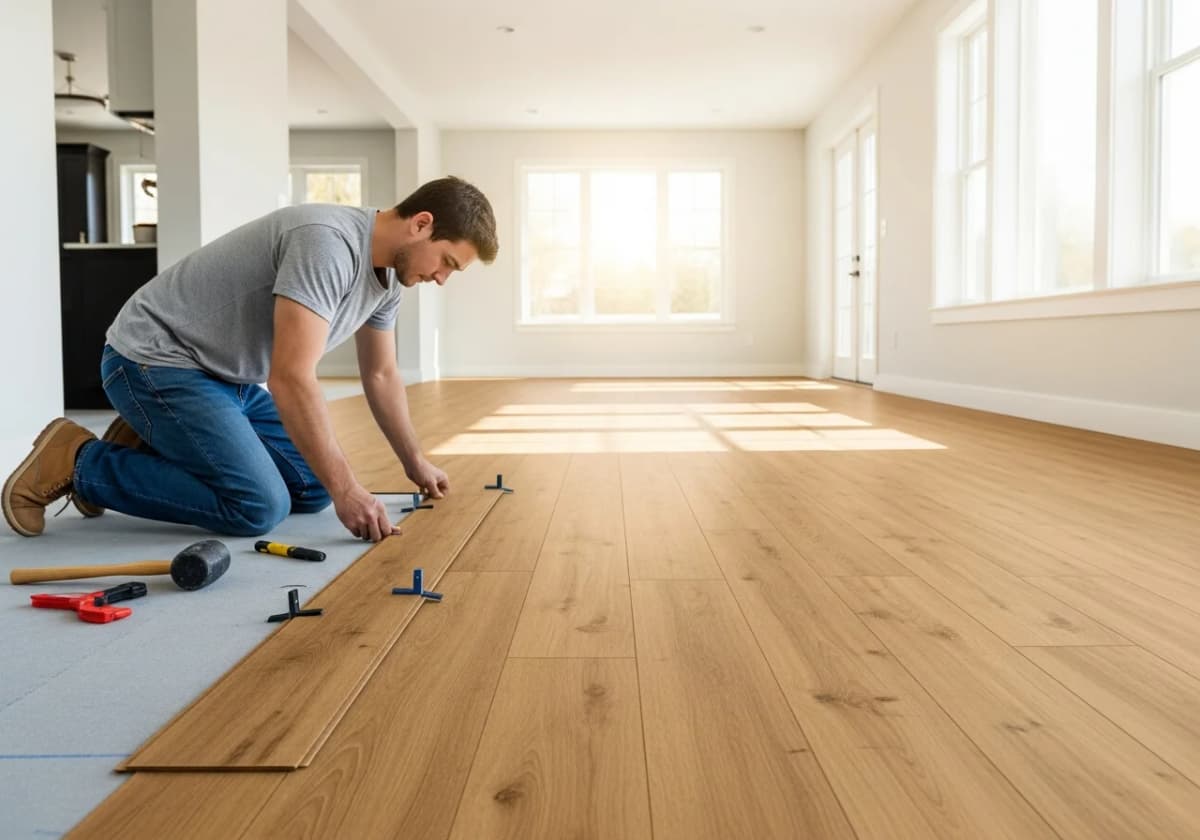


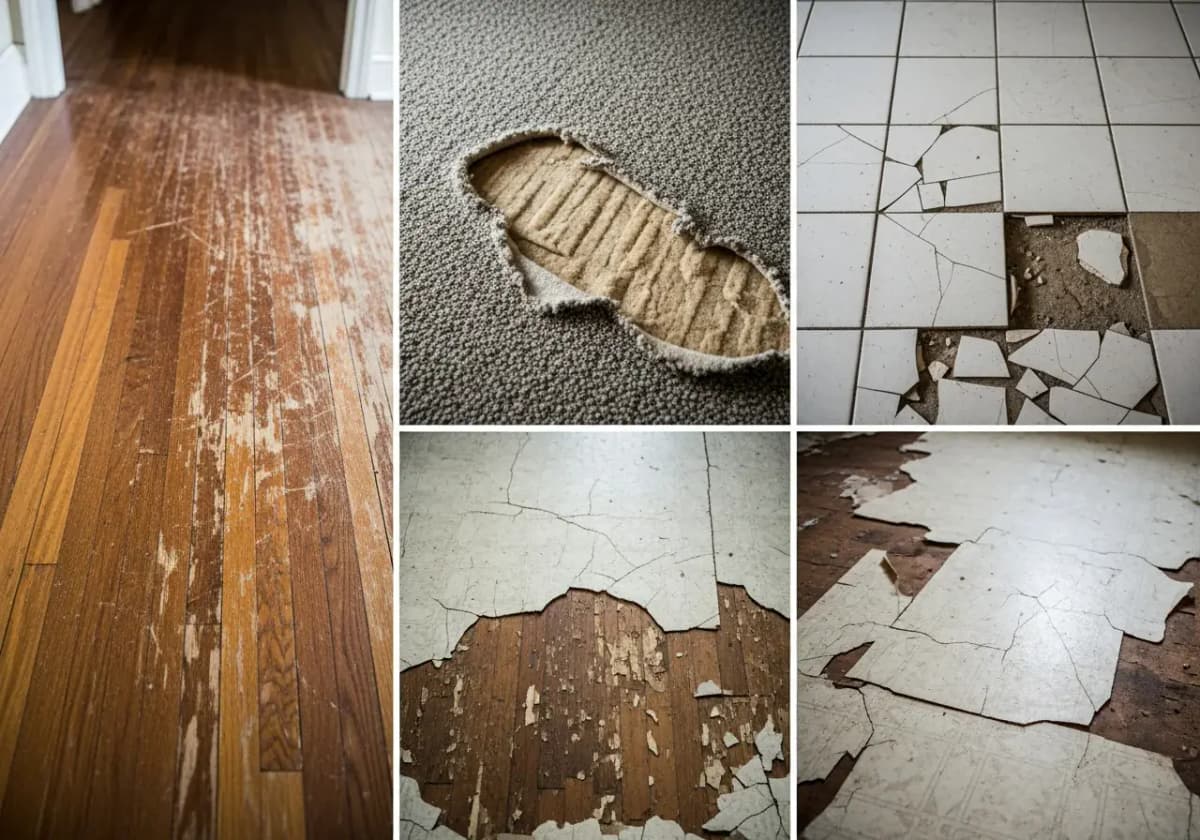
Material selection for Boise flooring projects is fundamentally shaped by the city's semi-arid climate, and a recommendation that would be appropriate for a Seattle or Portland home may be entirely wrong for the same application in Boise. Here is a detailed look at how the major flooring categories perform in Boise's specific conditions. Luxury vinyl plank (LVP) is the dominant material in Boise's flooring market and the default recommendation for most main-level applications. The dimensional stability of LVP — it does not expand or contract with humidity changes the way wood and wood-based products do — makes it ideal for Boise's extreme humidity swings. When selecting LVP for a Boise project, thickness and wear layer are the primary quality indicators: for main living areas with typical family traffic, a 6mm to 8mm total thickness with a 12-mil wear layer is the minimum recommended; for high-traffic areas or homes with large dogs, 8mm to 12mm total thickness with a 20-mil wear layer provides meaningfully better dent and scratch resistance. Rigid core LVP (also marketed as SPC — stone plastic composite) is preferable to traditional flexible LVP for Boise applications because it provides better sound deadening on hard subfloors and handles the temperature cycling that occurs in Boise garages and sunrooms (which can reach 110°F in summer) without warping. Solid hardwood is not recommended as the primary flooring choice for most Boise main-level applications, particularly in single-story homes where the main level is over a slab or over an unconditioned crawlspace. The humidity extremes in Boise exceed the acclimation and performance specifications of most solid hardwood products. That said, solid hardwood can perform well in Boise when installed in second-floor applications (where the conditioned space above and below the floor moderates humidity fluctuations), when a whole-home humidification system maintains indoor RH between 35 and 55 percent year-round, and when properly acclimated before installation (typically 7 to 14 days at Boise's indoor conditions). The Janka hardness rating of species selection also matters in Boise's active family market: hickory (1820 Janka), white oak (1360 Janka), and hard maple (1450 Janka) outperform softer species like pine (870 Janka) and cherry (950 Janka) in day-to-day dent and scratch resistance. Engineered hardwood is a better choice than solid hardwood for most Boise applications where a real wood product is desired. The cross-ply construction of engineered hardwood reduces the seasonal movement that causes solid hardwood to gap and buckle in Boise's humidity extremes. When selecting engineered hardwood for Boise, look for products with a minimum 3mm hardwood wear layer (which allows one to two professional refinishes over the product's life), a total plank thickness of 3/4 inch or greater, and a species/finish combination rated for low-humidity environments. Before specifying any engineered product for a Boise home, read the manufacturer's own installation specification for the acceptable indoor relative-humidity range and hold the house inside it; the brands differ, and the spec sheet governs the warranty. Porcelain and ceramic tile are excellent performers in Boise's dry climate, as the absence of freeze-thaw cycles inside conditioned spaces eliminates the moisture-driven grout cracking that plagues tile installations in wetter climates. The primary challenge for tile in Boise is subfloor preparation — particularly in the pre-1980s housing stock where wood subfloors over joists require significant reinforcement to meet the deflection standards required for tile. Grout selection for Boise tile projects should favor unsanded grout for joints under 1/8 inch and polymer-modified sanded grout for larger joints; epoxy grout is recommended for kitchen and shower installations where staining resistance is important. Carpet remains a valid choice for Boise bedrooms, home offices, and basement media rooms where comfort and acoustics are priorities. However, the market for whole-home carpet installation in Boise has nearly evaporated as LVP has become available in quality tiers that satisfy the aesthetic expectations of buyers across all price points. When carpet is selected for Boise bedrooms, a nylon or triexta fiber product with a stain treatment is the best choice for the market — wool carpet, while luxurious, requires careful humidity management that Boise's climate doesn't always provide.
Choosing the right materials is one of the most important decisions in any flooring installation project. The materials you select affect the look, durability, maintenance requirements, and overall cost of the finished project. Here is a detailed look at the most popular material options for flooring installation in Boise and the Treasure Valley.
These are the most commonly used materials for flooring installation projects in Boise. Each has different characteristics that affect cost, durability, and style:

Luxury Vinyl Plank (LVP)
$4–$10 per sq ft installedWaterproof, scratch-resistant, and available in hundreds of realistic wood and stone patterns. Modern LVP features rigid core construction, attached underlayment, and click-lock installation. The most popular flooring choice in the Treasure Valley.
Best for: Whole-home installations, kitchens, bathrooms, basements, and high-traffic areas

Engineered Hardwood
$8–$16 per sq ft installedReal wood veneer over a plywood or HDF core provides authentic hardwood appearance with better dimensional stability than solid hardwood. Available in oak, hickory, walnut, and maple with prefinished or site-finished options.
Best for: Living rooms, dining rooms, bedrooms, and hallways

Solid Hardwood
$10–$20 per sq ft installedTraditional solid wood planks (typically 3/4 inch thick) that can be sanded and refinished multiple times over their lifespan. Oak, hickory, and maple are the most popular species in the Boise market.
Best for: Main living areas in homes with controlled humidity and on-grade or above-grade subfloors

Porcelain Floor Tile
$8–$20 per sq ft installedDense, water-resistant tile available in wood-look, stone-look, and modern geometric patterns. Large-format tiles (12x24 and larger) create a seamless, contemporary look with fewer grout lines.
Best for: Bathrooms, entryways, kitchens, and laundry rooms

Laminate Flooring
$3–$7 per sq ft installedA budget-friendly floating floor with a photographic wear layer over an HDF core. Modern laminate offers improved scratch resistance, realistic patterns, and easy click-lock installation.
Best for: Budget-conscious projects, rental properties, and bedrooms

Boise has a semi-arid, four-season climate with hot, dry summers (90-105°F), cold winters (15-35°F), and low annual precipitation. This climate directly affects material choices, construction scheduling, and long-term durability of remodeling work.
Temperature Extremes (15°F to 105°F range)
Exterior materials must handle dramatic temperature swings. Windows need strong thermal performance. Interior comfort depends on insulation quality and HVAC sizing.
Low Humidity and Dry Air
Wood materials can dry, shrink, and crack. Hardwood floors may develop gaps in winter. Bathroom ventilation is still critical because bathrooms create localized high-humidity environments.
Freeze-Thaw Cycles
Exterior tile, concrete, and masonry must handle freezing and thawing without cracking. Foundation work has specific frost-depth requirements in the Boise area.
UV Exposure (300+ sunny days)
Exterior paint, siding, and stain fade faster under constant UV. South-facing and west-facing surfaces require UV-resistant materials and more frequent maintenance.
Construction Season
Foundation and exterior work is best scheduled March through November. Interior remodeling can happen year-round. Winter concrete pours require special cold-weather precautions.
In Boise, the combination of dry summers, cold winters, and variable humidity levels means that material selection should prioritize durability and climate resistance. We recommend choosing materials rated for the temperature extremes and moisture conditions typical of Ada County.
Material availability affects both timeline and cost. Standard materials are typically available within 1-2 weeks from local suppliers in Boise. Custom or specialty materials may have lead times of 4-14 weeks. We recommend selecting materials early in the design phase to avoid schedule delays.
Typical lead times
- ● Standard/stock materials: 1-2 weeks
- ● Semi-custom orders: 3-6 weeks
- ● Full custom/specialty items: 6-14 weeks
- ● Imported or artisan materials: 8-16+ weeks
Local factors — Boise's housing stock and typical construction eras, the climate conditions that drive material and scheduling choices, and permitting through City of Boise Planning and Development Services — are covered in full on our Boise page for this service, alongside 5 common project types.
Flooring Installation in Boise: housing stock, climate & permits →Is LVP or hardwood better?
LVP is more practical — it is waterproof, scratch-resistant, more affordable, and easier to maintain. Hardwood offers a warmer, more premium feel and can be refinished multiple times. Many homeowners use LVP in high-traffic and wet areas and hardwood in formal living spaces.
How do you handle transitions between different flooring types?
We use manufacturer-matched transition strips — T-moldings, reducers, and thresholds — to create clean, level connections between different flooring materials. Proper transitions are both functional (no tripping hazards) and aesthetic (clean visual lines).
What are the most popular remodeling projects in Boise?
Kitchen remodels, primary bathroom remodels, ADU construction, and whole-home renovations of 1980s-1990s homes are the most common projects we complete in Boise. Open-concept kitchen conversions and walk-in shower installations are especially popular.
Planning flooring installation in Boise?
Get expert guidance and a free estimate for your flooring installation project in Boise, ID.
Get Your Free Estimate