
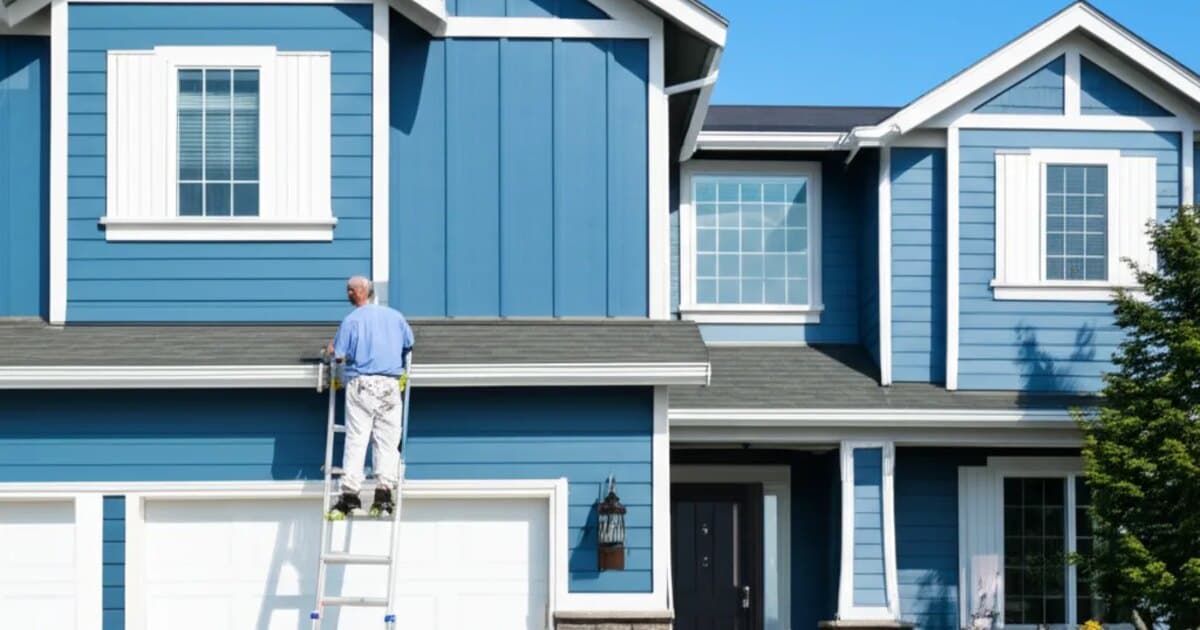
Exterior Painting Design Ideas for Nampa
Get inspired with exterior painting design ideas tailored to Nampa homes, from trending styles to practical layout considerations.
Quick answer
Nampa's exterior painting market is distinguished by the convergence of three factors that don't exist in the same combination anywhere else in the Treasure Valley: housing stock age diversity (early 1900s through current construction), agricultural environment demands (dust, UV, and temperature extremes), and a value-conscious market that expects quality outcomes at Canyon County pricing.
Nampa, ID · Exterior Painting
Planning exterior painting in Nampa?
Read the full guide below — or get your project priced now. Free, no-obligation estimates from an Idaho registered local team, backed by a 1-year workmanship warranty.
- Licensed Idaho RCE-6681702
- 1-Year Workmanship Warranty
- $2M Liability Coverage
- Free, No-Obligation Estimates


Nampa's exterior painting market is distinguished by the convergence of three factors that don't exist in the same combination anywhere else in the Treasure Valley: housing stock age diversity (early 1900s through current construction), agricultural environment demands (dust, UV, and temperature extremes), and a value-conscious market that expects quality outcomes at Canyon County pricing. The agricultural context is specifically Nampa's. Boise's urban and suburban neighborhoods don't experience the same levels of agricultural dust infiltration and UV intensity as Canyon County's farmland-adjacent communities. Exterior paint systems in Nampa are working harder than equivalent systems in Boise — the UV, the dust, and the temperature cycling combine to create a more demanding service environment that rewards premium products and penalizes budget choices more severely than in the Boise market. The Downtown Nampa revitalization narrative adds a community dimension to exterior painting decisions that is unique in Canyon County. Homeowners who invest in thoughtful exterior color schemes and well-executed paint jobs in Downtown Nampa's historic core are contributing to a neighborhood aesthetic that has real momentum. The collective quality of exterior maintenance in a revitalizing neighborhood matters — each well-painted home raises the baseline expectation and makes the next homeowner's investment more justifiable.
South Nampa
South Nampa's exterior painting market is largely driven by the 10-15 year aging cycle of fiber cement siding systems on 2000-2016 production homes. A significant percentage of these homes are now reaching the point where their original field-applied paint system — typically builder-grade products applied over factory primer — is showing the characteristic signs of imminent failure: chalk that wipes off on contact, color fading that has reached the gray end of the spectrum, peeling at horizontal board joints and cut edges, and visible gap at caulk joints. The critical nuance for South Nampa fiber cement repaints is that the performance of the refinished surface depends almost entirely on surface preparation and product selection — not on the cost of the labor. We do not publish a service life in years for either approach — no source we can cite gives one, and the manufacturers do not publish one either. What is certain is the proportion: on a repaint the material is the smaller share of the bill and the prep and labour are the larger share, so a coating that gives out early makes you buy that labour twice. That is the whole argument for doing the preparation and the product properly the first time. Exterior color trends in South Nampa have evolved meaningfully in the past five years. The builder palette of tan, beige, and dark brown that dominated 2000-2015 construction has given way to lighter, more contemporary choices — warm whites, light grays, soft sage, and navy accents — that reflect the modern farmhouse aesthetic popular throughout the Treasure Valley. Homeowners who change their exterior color during a repaint substantially improve their home's curb appeal and competitiveness with newer construction, which uses these contemporary palettes as a matter of course. HOA color approval requirements apply in many South Nampa subdivision communities. Iron Crest's pre-project process includes confirming HOA color palette restrictions and obtaining any required approvals before paint purchase.
Northwest Nampa
Northwest Nampa's exterior painting challenges are the most technically demanding in Nampa because the housing stock spans the widest range of siding types and conditions. 1950s and 1960s homes often have original wood siding in varying states of preservation — some remarkably intact, others showing decades of deferred maintenance. 1970s homes frequently have hardboard siding (Masonite-type products) that is particularly vulnerable to moisture infiltration and can swell, delaminate, and lose its painted surface entirely in areas that have been exposed to persistent moisture. The single most important pre-painting assessment in Northwest Nampa is rot and moisture damage identification. Ground-level landscaping, irrigation systems, and splash-back from rain against siding are the primary moisture infiltration pathways. Lower courses of siding, corner boards at ground level, and horizontal surfaces like windowsills and door thresholds are the highest-risk locations. Painting over active rot is a waste of money — the paint can fail within a season or two and the rot will continue progressing behind it. Every rot-affected area must be fully excavated and repaired (with epoxy consolidant, epoxy filler, or board replacement as the damage extent warrants) before painting. Northwest Nampa's revitalization dynamic creates a specific exterior painting opportunity. Homeowners who are investing in their properties as part of the neighborhood's improvement arc are finding that updated exterior colors — moving away from the tired browns and tans of the original construction — are contributing meaningfully to their home's curb appeal and neighborhood image. A well-painted home with a contemporary color scheme signals investment and care in a neighborhood where that signal is increasingly being heard by buyers and other investors. Lead paint is a significant concern in Northwest Nampa's pre-1978 homes. Once exterior prep disturbs more than 20 square feet of painted surface on a pre-1978 home, the minor repair and maintenance exemption at 40 CFR 745.83 no longer applies: EPA's RRP Rule then requires a Lead-Safe certified firm using ground containment, HEPA exhaust on power sanding, and controlled disposal, with no open-flame removal and no heat gun above 1100°F. Iron Crest works to those practices on pre-1978 exterior projects; verify any bidder's EPA firm certification number through EPA's public lookup.
Downtown Nampa
Downtown Nampa's exterior painting market occupies a unique position in Canyon County: homes where the paint itself is part of the architectural heritage, where color selection communicates belonging to a specific cultural and historical context, and where the technical challenges of century-old wood substrates demand skills that not every painter in the market possesses. Original wood siding on Downtown Nampa farmhouses and bungalows is often in better condition than it appears at first glance — a fact that surprises homeowners who assume that century-old wood siding must be rotten throughout. Well-maintained or even moderately maintained old-growth wood siding from the early 1900s has a grain density and resin content that modern lumber cannot match. It has outlasted multiple paint systems precisely because the wood itself is sound. The painting challenge is managing the paint system that has accumulated on top of it. Paint layer accumulation on Downtown Nampa historic homes creates specific technical considerations. When multiple paint layers are present and the bottom layers are oil-based (as they typically are in pre-1960 applications), the surface behavior under subsequent coats is complex. Adhesion testing — literally making test cuts and applying tape to assess adhesion strength — helps determine whether the existing paint system can accept new topcoats or whether stripping is required. This assessment is essential before pricing an exterior paint project on a Downtown Nampa historic home. The exterior color palettes for Downtown Nampa historic homes deserve thoughtful design consideration beyond generic 'curb appeal' advice. The Historic Color Collections from Sherwin-Williams and Benjamin Moore offer period-appropriate palettes specifically developed for 1900-1940s residential architecture. These palettes use the deeper, more saturated body colors with contrasting trim and accent colors that characterized the era's residential painting practices — and they look dramatically better on these homes than the modern neutral palettes that work well on contemporary construction.

The design phase is where your exterior painting goes from a general idea to a specific plan. Good design balances aesthetics, functionality, budget, and the unique characteristics of your home and neighborhood in Nampa. Here are the most popular design approaches and trends we see in Nampa and the surrounding Treasure Valley.
Nampa homeowners tend to favor designs that blend modern functionality with the regional character of Idaho homes. Here are the most requested design elements:
These design factors are specific to exterior painting projects and affect both the look and function of the finished space:
Color scheme coordination — choose siding, trim, and accent colors that complement your roof color, stone or brick elements, and the neighborhood aesthetic
Sun exposure impact — south- and west-facing walls receive the most UV and heat; choose fade-resistant colors and expect these surfaces to weather faster
Sheen selection — flat or matte for siding to hide imperfections, satin or semi-gloss for trim and doors for durability and visual contrast
Historical or HOA guidelines — some Boise neighborhoods and HOAs have exterior color restrictions; verify compliance before committing to colors
Front door as focal point — a bold, contrasting front door color adds character and curb appeal without the commitment of painting the entire house a dramatic color
Seasonal timing — exterior painting in Boise is best done between mid-April and mid-October when temperatures stay above 50°F and humidity is low
The materials and finishes you choose bring your design to life. Here are the options most commonly selected for exterior painting projects in Nampa:
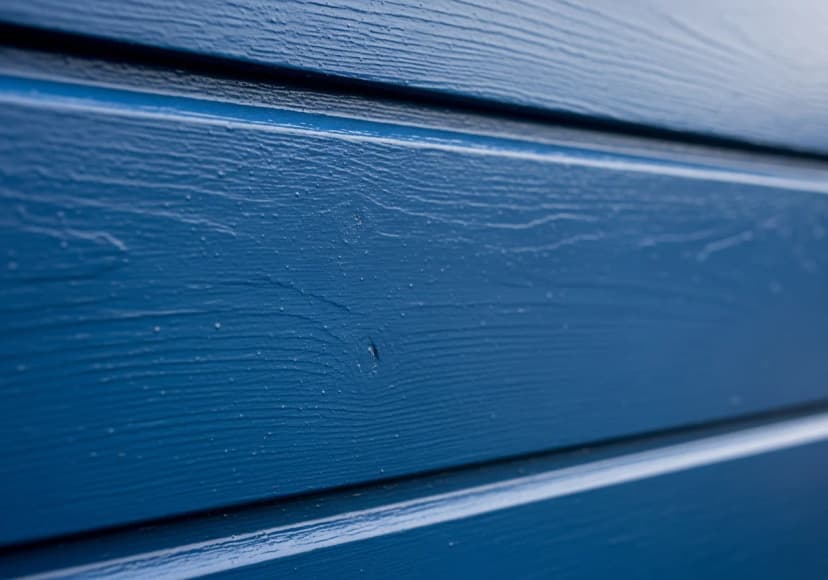
Sherwin-Williams Duration Exterior
$65–$85 per gallonSiding and large exterior surfaces that need maximum weather resistance
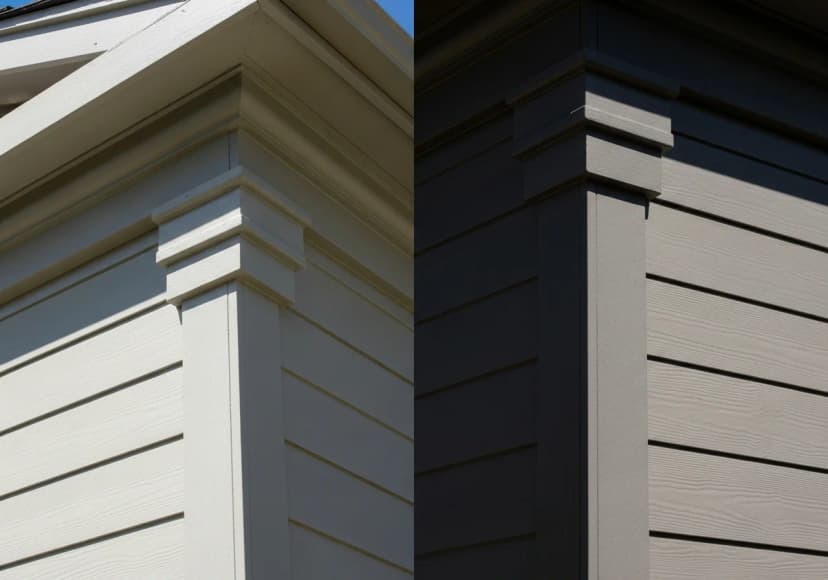
Benjamin Moore Aura Exterior
$70–$90 per gallonSouth- and west-facing walls that receive intense Boise sun exposure
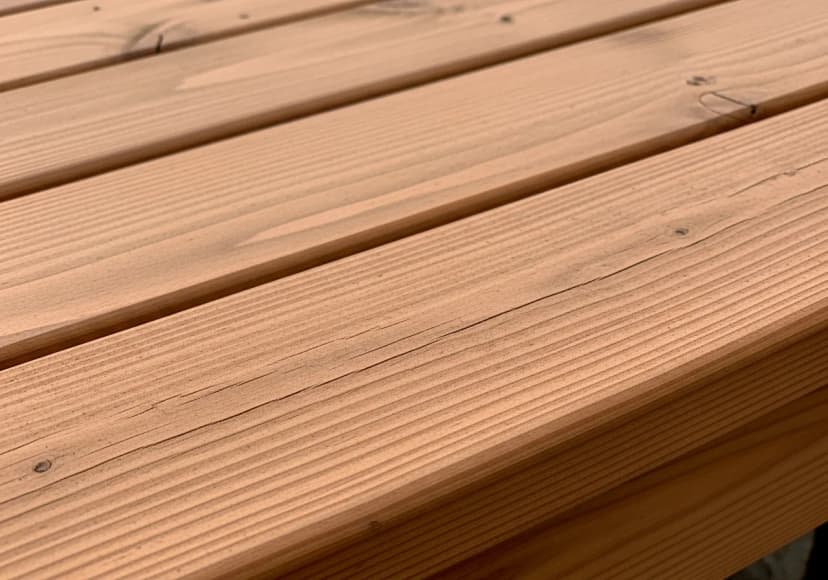
Sherwin-Williams SuperDeck Stain
$45–$65 per gallonWood decks, fences, pergolas, and horizontal wood surfaces
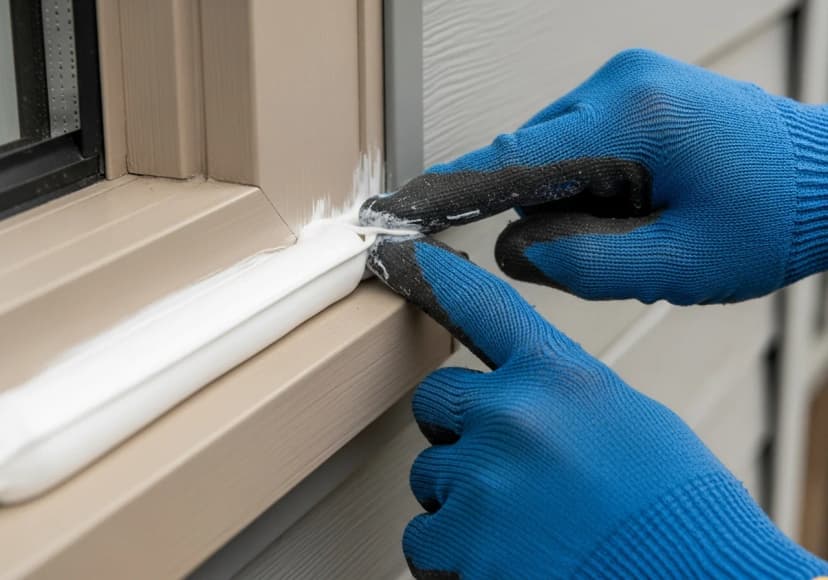
Exterior Caulk — DAP Dynaflex Ultra or OSI Quad
$6–$12 per tubeTrim joints, window frames, siding gaps, and penetration sealing
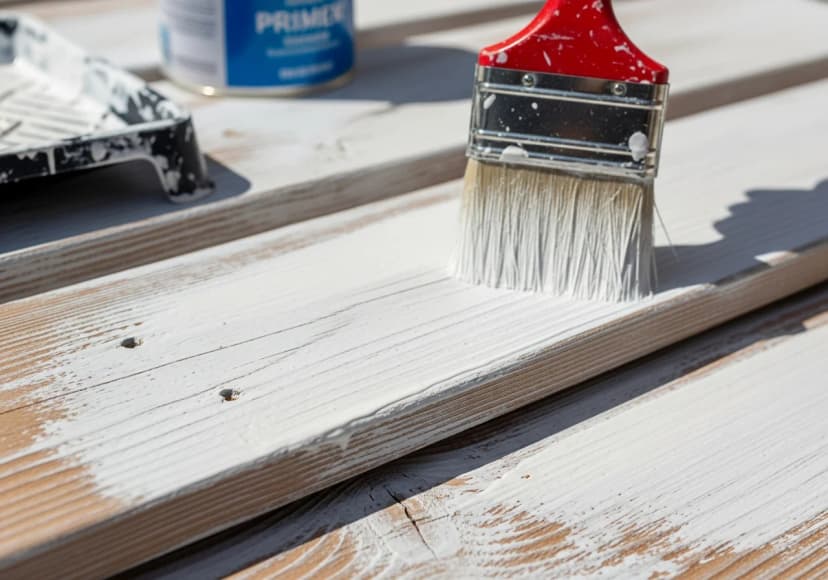
Exterior Primer — Zinsser Cover Stain or Kilz Original
$30–$50 per gallonBare wood, cedar trim, stain-blocking, and tannin-prone surfaces
Learning from others' mistakes saves time and money. Here are the most common exterior painting design pitfalls we see in Nampa:
Peeling and flaking paint caused by poor surface preparation
We scrape all loose paint to a firm edge, sand transitions smooth, apply bonding primer, and build up new paint film from a solid substrate — ensuring long-term adhesion.
Fading and chalking from Idaho's intense UV exposure
We use premium exterior paints with UV-resistant pigments and fade-resistant technology specifically rated for high-altitude, high-UV environments like the Treasure Valley.
Caulk failure around windows, doors, and trim joints
We remove failed caulk, clean the joints, and apply premium flexible exterior caulk that can handle Idaho's temperature range from -10°F to 110°F without cracking or separating.
Mildew and algae growth on north-facing or shaded surfaces
Power washing removes existing mildew, and premium exterior paints with built-in mildewcide prevent regrowth. Proper surface preparation ensures the mildew-resistant coating adheres properly.
Wood rot at trim, fascia, and window sills
We identify and repair or replace rotted wood before painting. Minor rot can be treated with wood hardener and filled with exterior wood filler; significant rot requires board replacement.
For exterior painting projects in Nampa, you have two main approaches to the design process: hiring a separate interior designer then a contractor, or working with a design-build firm that handles both under one roof.
Design-build (our approach)
- ✓ Single point of contact
- ✓ Design informed by real construction costs
- ✓ Faster project delivery
- ✓ Budget aligned from day one
Separate designer + contractor
- ● More specialized design expertise
- ● Independent design perspective
- ● Requires coordination between parties
- ● Can result in budget surprises
Local factors — Nampa's housing stock and typical construction eras, the climate conditions that drive material and scheduling choices, and permitting through City of Nampa Building Department — are covered in full on our Nampa page for this service, alongside 5 common project types.
Exterior Painting in Nampa: housing stock, climate & permits →Can you paint fiber cement (HardiePlank) siding?
Yes. Fiber cement siding accepts paint very well and is one of the best substrates for exterior painting. We use 100% acrylic exterior paint that bonds to the cementitious surface and provides long-lasting color and protection.
Do you repair wood rot before painting?
Yes. We identify all rot during the prep phase and repair or replace damaged wood before any paint is applied. Painting over rot without repair leads to continued deterioration and premature paint failure.
Planning exterior painting in Nampa?
Get expert guidance and a free estimate for your exterior painting project in Nampa, ID.
Get Your Free Estimate