
Interior Painting Design Ideas for Eagle
Get inspired with interior painting design ideas tailored to Eagle homes, from trending styles to practical layout considerations.
Quick answer
We offer color consultation as part of our service. We consider your existing furnishings, flooring, natural light, and personal style to recommend colors that will work well in your specific spaces. We always recommend testing samples on the wall before final selection.
Eagle, ID · Interior Painting
Planning interior painting in Eagle?
Read the full guide below — or get your project priced now. Free, no-obligation estimates from an Idaho registered local team, backed by a 1-year workmanship warranty.
- Licensed Idaho RCE-6681702
- 1-Year Workmanship Warranty
- $2M Liability Coverage
- Free, No-Obligation Estimates


Interior painting in Eagle occupies a premium market position that is immediately apparent in the client conversations, material specifications, and quality expectations involved. The most fundamental difference is the reference point Eagle clients bring. These homeowners have often experienced Farrow & Ball interiors in travel, in editorial photography, and in the homes of friends and colleagues in other luxury markets. They come to the color selection process with genuine visual literacy — they know the difference between a Farrow & Ball Dead Salmon and a standard paint brand's approximation of the same tone, and they're willing to pay for the real thing. This client sophistication elevates the entire project. The sheer scale of Eagle homes creates a painting context where quality differences between providers are dramatically more visible than in smaller homes. In a modest Nampa ranch house, the difference between adequate and excellent painting is easy to overlook. In a 4,500 SF Legacy home with an 18-foot entry, coffered ceilings, and an open floor plan that creates 30-foot sight lines, the quality of every cut-in line, every ceiling plane, and every sheen consistency decision is fully visible from multiple vantage points. Excellence is not optional in this environment — it's mandatory. Eagle clients also approach interior painting in the context of their total renovation spend. Our published Eagle bands run $55,000–$175,000+ for a kitchen and $30,000–$120,000+ for a bathroom; a homeowner who has just finished either of those is not going to accept mediocre paint execution on the walls that surround them. The paint is the frame around the art — it has to be worthy of what it surrounds.
Legacy (Eagle)
Legacy interior painting projects are characterized by the scale and complexity of the homes involved. Entries with 18-foot ceilings, coffered ceilings in great rooms and studies, elaborate crown molding throughout, and open floor plans with long sight lines create a painting environment where quality and precision are immediately apparent and where deficiencies are equally visible. A painter who produces a satisfactory result in a standard 8-foot ceiling home will not necessarily produce a satisfactory result in a Legacy home — the elevated conditions require both skilled technique and proper equipment. The color transition happening throughout Legacy is dramatic and rewarding. Homes that were painted in the warm, saturated Tuscan palette are being transformed with comprehensive paint packages that create completely different interiors: warm whites and soft greiges throughout the main level, deep navy or forest green in offices and primary bedrooms, sage or soft charcoal in dining rooms, and bold, dramatic colors in powder rooms. The transformation is often larger than homeowners anticipate before seeing it, because paint is the only scope that touches every room at once. Iron Crest's color consultation process for Legacy projects includes whole-home palette development, with every color decision considered in relationship to every adjacent space. In Legacy's open floor plans, the color on the kitchen accent wall is visible from the dining room, which is visible from the living room, which transitions to the entry — a palette that coheres throughout these connected spaces requires a systems-level color design approach.
Banbury (Eagle)
Banbury interiors offer some of the most interesting painting environments in Eagle's market. The 1990s–2005 era construction means that many Banbury homes have original paint — or paint applied once, perhaps twice — that is now fifteen to twenty years old and showing its age in both color and condition. Original colors that seemed fresh and current in 1998 now look yellowed, faded, or simply mismatched with the quality of furniture, art, and textiles that have accumulated over the years. The Banbury design aesthetic in interior painting leans toward warm naturals that connect to the river-adjacent setting. Warm whites (Benjamin Moore White Dove, Sherwin-Williams Alabaster), greige and taupe tones on accent walls, and warm wood-inspired neutrals in bedrooms create a cohesive palette that feels organic and connected to the outdoors. The primary bedrooms in Banbury homes frequently get the deep-color treatment — a rich clay, warm terracotta (the modern version, not the 2002 Tuscan version), or deep sage that creates an enveloping, cocoon-like quality. These color choices feel appropriate to the Banbury landscape in a way that more contemporary gray-blue palettes do not. Banbury homes also often feature original wood paneling or architectural millwork details that deserve careful treatment. Painted wood paneling — done properly with full prep and a factory-smooth painted finish — is a beautiful contemporary application of a classic material. Done improperly, it looks like someone painted over wood paneling without adequate prep, and the grain telegraphs through every light-grazing angle.
Downtown Eagle / Historic Core
The Historic Core's interior painting context is distinctive for its architectural character and the opportunity to honor the original design language of older homes while bringing their color and finish completely current. Homes from the 1960s through 1990s in Downtown Eagle's walkable core often have original molding profiles, built-in cabinetry, and architectural details that deserve to be highlighted rather than obscured by indifferent color choices. The design approach in Historic Core painting projects is often more layered and complex than in the newer master-planned communities. Trim-color choices matter here in a way they don't in drywall-and-crown-molding Legacy homes: original oak baseboards, door casings with detailed profiles, and built-in cabinetry with historical proportions can be painted a warm white to create a fresh, cohesive interior, or can be painted in contrasting colors to create intentional highlight-and-shadow drama. Color boldness in Historic Core homes often reads more authentically than in newer construction. A dining room painted in a deep, rich Farrow & Ball color, with white built-in cabinetry and original hardwood floors, creates a sophisticated, layered interior that feels connected to the home's history. The small-town, community-connected character of Downtown Eagle supports design confidence — these are not spec-builder neutral palette homes, and paint is one of the most available tools for expressing their individual character.

The design phase is where your interior painting goes from a general idea to a specific plan. Good design balances aesthetics, functionality, budget, and the unique characteristics of your home and neighborhood in Eagle. Here are the most popular design approaches and trends we see in Eagle and the surrounding Treasure Valley.
Eagle homeowners tend to favor designs that blend modern functionality with the regional character of Idaho homes. Here are the most requested design elements:
These design factors are specific to interior painting projects and affect both the look and function of the finished space:
Sheen selection — flat or matte for ceilings, eggshell or satin for walls, semi-gloss for trim and doors; each serves a functional and aesthetic purpose
Color flow — adjacent rooms should use complementary or related colors to create natural visual flow throughout the home
Accent wall placement — choose a focal wall that draws the eye without overwhelming the room; typically the wall behind a bed, fireplace, or main seating area
Lighting impact — always test paint samples on the actual wall in both natural daylight and evening artificial lighting before committing to a color
Trim and wall coordination — white or off-white trim is classic, but painted trim in complementary colors can add depth and character to the design
Ceiling color — a slightly lighter shade or pure white on the ceiling makes rooms feel taller; dark ceiling paint can create a cozy, dramatic effect in specific rooms
The materials and finishes you choose bring your design to life. Here are the options most commonly selected for interior painting projects in Eagle:
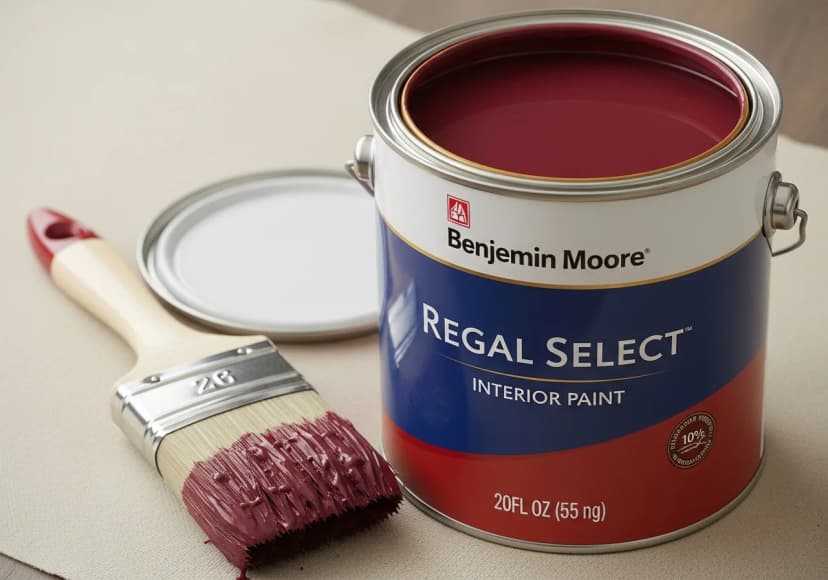
Benjamin Moore Regal Select
$55–$75 per gallonWalls and ceilings in main living areas and bedrooms
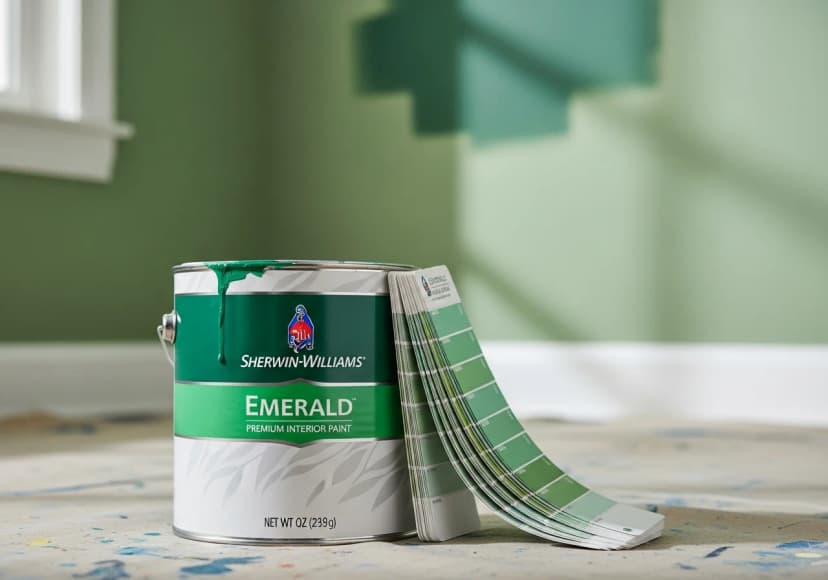
Sherwin-Williams Emerald
$75–$95 per gallonHigh-traffic hallways, family rooms, kitchens, and bathrooms
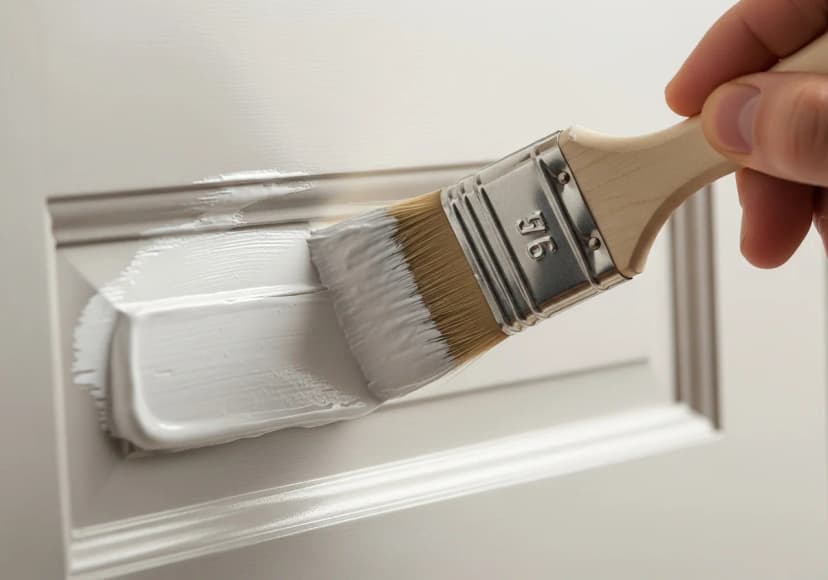
Benjamin Moore Advance (Trim and Cabinet Paint)
$55–$70 per gallonTrim, baseboards, doors, and cabinet painting
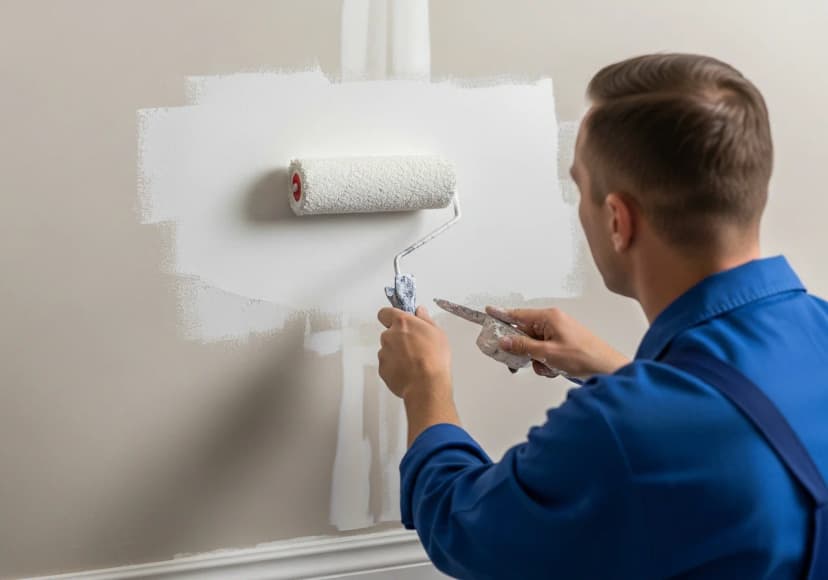
Primer — Zinsser or Kilz Professional
$25–$50 per gallonStain blocking, new drywall, patched areas, and color-change priming
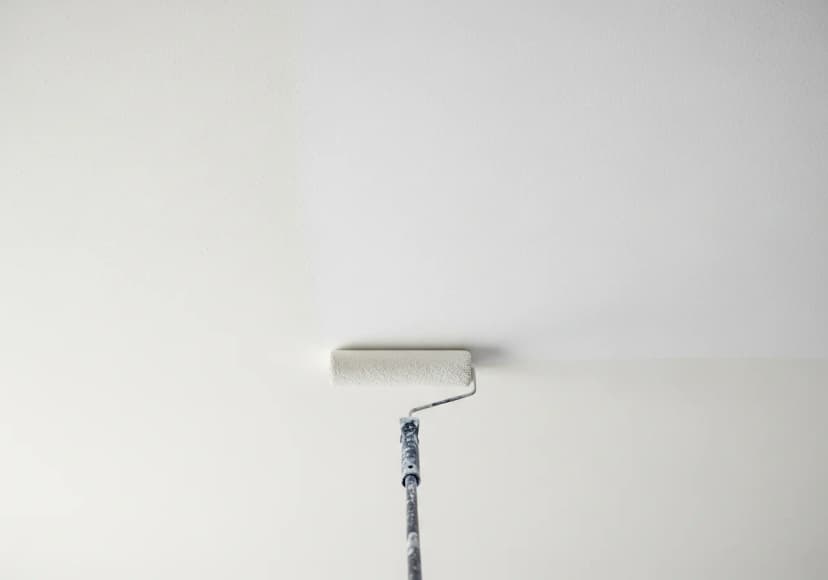
Specialty Ceiling Paint (Flat/Ultra-Matte)
$35–$55 per gallonAll ceiling surfaces throughout the home
Learning from others' mistakes saves time and money. Here are the most common interior painting design pitfalls we see in Eagle:
Patchy, inconsistent coverage from previous DIY painting
We sand, prime, and apply two full coats of premium paint with proper technique to achieve even coverage and consistent color depth across every wall.
Peeling or flaking paint on walls or ceilings
We scrape loose paint, sand edges smooth, apply bonding primer to ensure adhesion, and repaint with durable finish coats that will last for years.
Dark, dated paint colors that make rooms feel small
We help select modern, lighter color palettes that open up spaces and work with your natural and artificial lighting. Light colors and consistent tones between rooms create a spacious, cohesive feel.
Visible drywall seams, nail pops, and texture inconsistencies
Our prep process includes skim-coating seams, resetting nail pops, and feathering patches so repairs are invisible under the finished paint.
Yellowed or dirty trim that contrasts poorly with fresh walls
We recommend painting or repainting trim along with walls for a complete, cohesive refresh. Properly prepped and painted trim frames the room and elevates the entire result.
For interior painting projects in Eagle, you have two main approaches to the design process: hiring a separate interior designer then a contractor, or working with a design-build firm that handles both under one roof.
Design-build (our approach)
- ✓ Single point of contact
- ✓ Design informed by real construction costs
- ✓ Faster project delivery
- ✓ Budget aligned from day one
Separate designer + contractor
- ● More specialized design expertise
- ● Independent design perspective
- ● Requires coordination between parties
- ● Can result in budget surprises
Local factors — Eagle's housing stock and typical construction eras, the climate conditions that drive material and scheduling choices, and permitting through City of Eagle Building Department — are covered in full on our Eagle page for this service, alongside 5 common project types.
Interior Painting in Eagle: housing stock, climate & permits →How do I choose the right paint colors?
We offer color consultation as part of our service. We consider your existing furnishings, flooring, natural light, and personal style to recommend colors that will work well in your specific spaces. We always recommend testing samples on the wall before final selection.
Can you paint over dark colors?
Yes. Dark-to-light color changes require a high-quality tinted primer to block the existing color, followed by two coats of finish paint. This ensures full coverage without bleed-through and avoids the need for excessive coats.
Planning interior painting in Eagle?
Get expert guidance and a free estimate for your interior painting project in Eagle, ID.
Get Your Free Estimate