
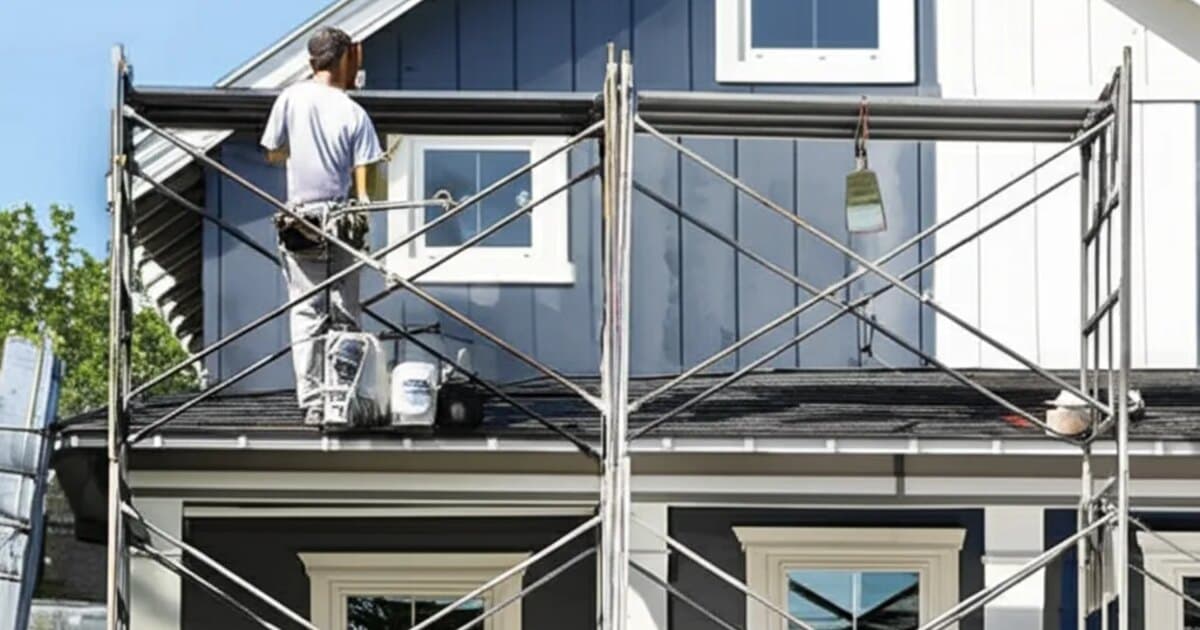
Interior Painting Design Ideas for Nampa
Get inspired with interior painting design ideas tailored to Nampa homes, from trending styles to practical layout considerations.
Quick answer
We offer color consultation as part of our service. We consider your existing furnishings, flooring, natural light, and personal style to recommend colors that will work well in your specific spaces. We always recommend testing samples on the wall before final selection.
Nampa, ID · Interior Painting
Planning interior painting in Nampa?
Read the full guide below — or get your project priced now. Free, no-obligation estimates from an Idaho registered local team, backed by a 1-year workmanship warranty.
- Licensed Idaho RCE-6681702
- 1-Year Workmanship Warranty
- $2M Liability Coverage
- Free, No-Obligation Estimates


Nampa's interior painting market occupies a distinct position in the Treasure Valley that no other city quite replicates. It is a market where painting investment is both more practically necessary (because the existing housing stock carries significant cosmetic and surface-condition updating needs across virtually every era of construction) and more frequently repeated (because the competitive rental market and active real estate activity keep turning homes over) than in the more homogeneous suburban markets to the east. The diversity of Nampa's housing stock means that interior painting here demands genuine technical versatility. A painting contractor who is excellent on new-construction drywall but has never skim-coated plaster is the wrong choice for a Downtown Nampa historic home. A specialist in historic preservation who moves slowly and charges restoration-level pricing may be overkill for a South Nampa subdivision pre-listing refresh. The Nampa market requires contractors who can operate confidently and efficiently across the full spectrum: plaster repair and bonding primer work in the Downtown core; texture matching and patch blending in South Nampa production homes; lead paint management and complex surface preparation in Northwest Nampa's older stock; and cabinet spray painting with proper alkyd systems throughout the city. Iron Crest works across all of those contexts and scopes each one for what it actually is. The Downtown Nampa revitalization narrative adds a dimension to the city's interior painting market that is genuinely unique in Canyon County. Homeowners who are investing in historic homes as part of the neighborhood's renewal arc are not just refreshing paint — they are making intentional design decisions that contribute to the neighborhood's character, that differentiate their properties in a market where thoughtful renovation is still relatively rare, and that carry a certain civic pride in preserving what makes Downtown Nampa architecturally distinctive. That's a different kind of painting project than a rental-turnover refresh, and it calls for a different kind of contractor relationship.
South Nampa
South Nampa's interior painting market is defined by a very specific starting condition: the builder palette that characterized Canyon County production home construction from approximately 2000 through 2015. This palette — a family of warm beiges and tans with a brownish undertone, applied in flat latex in a single thin coat over drywall finished to a standard orange-peel or knockdown texture — made complete economic sense for builders completing hundreds of homes annually on thin margins. It makes very little aesthetic or practical sense for families living in those homes today. The transformation delivered by a professional interior repaint in a South Nampa subdivision home is genuinely dramatic, and it is consistently surprising to homeowners who have lived with the builder palette for years. Moving from builder-beige walls with white ceilings to warm white walls, bright white ceilings, and crisp semi-gloss trim throughout makes these homes feel larger, cleaner, and more contemporary without changing a single fixture, appliance, or built surface. The same square footage, the same floor plan, the same flooring — but a completely different emotional experience. We do not publish a showings, offer or days-on-market effect for that change; no Canyon County dataset we can cite supports one. What we will say is that a house still wearing its build-year palette reads as its build year, and buyers comparing several homes in a weekend notice. The practical painting challenge specific to South Nampa is texture consistency. Production builders in Canyon County applied orange-peel or knockdown texture to walls using automated spray equipment at a consistent pressure and distance — an application method that is essentially impossible to replicate perfectly when spot-patching areas that were repaired after the original construction. Touch-up patches from previous drywall repairs, from television mounting, from picture hanging, or from normal household damage rarely match the surrounding original texture exactly, and these mismatches become visible under fresh paint as light catches the surface at low angles. A professional painter identifies all texture mismatches before painting and addresses them — whether by re-texturing individual patches or by feathering the texture transition zone — to ensure that a fresh coat of paint reveals a smooth, consistent surface rather than a map of every previous repair. For South Nampa homeowners planning to sell, the most impactful budget allocation in an interior paint project is the main living areas — the entry, living room, dining room, and kitchen — which are the spaces buyers form their first and strongest impressions in. A skilled painter can complete these spaces first so the rest of the project can be assessed against the transformation they deliver.
Northwest Nampa
Northwest Nampa's interior painting challenges are shaped by the era diversity that defines the neighborhood. Homes from the 1960s and 1970s frequently have walls that carry six or eight or ten layers of paint applied over the decades — sometimes with flat oil-based products that are nearly incompatible with modern water-based paints without specific preparation. 1980s homes often feature textured treatments — popcorn ceilings, swirl or skip-trowel wall texture, faux marble touches on bathroom surfaces — that were standard at the time but have aged into visual datedness. And 1990s to early-2000s homes in Northwest Nampa run the full spectrum from well-maintained homes that need only a cosmetic refresh to properties that have been neglected or occupied by rental tenants and require comprehensive surface preparation before any new paint will look or last. Popcorn ceiling removal is one of the most frequently requested add-on services in Northwest Nampa interior painting projects, and it deserves a serious safety conversation. Acoustic spray texture was applied universally to residential ceilings from roughly 1965 through the mid-1980s, and its removal visually modernizes a room more dramatically than almost any other single change a homeowner can make. The critical caution: EPA banned spray-applied asbestos-containing surfacing material for fireproofing and insulating in 1973 and extended the ban to other purposes in 1978 (40 CFR Part 61, Subpart M), but existing stock kept being installed afterwards — so age alone does not clear a ceiling, only a lab test does. We test as a standard first step before any popcorn removal project in an older Northwest Nampa home. If asbestos is confirmed, removal is abatement work for a certified asbestos abatement contractor, not painting prep. The cost of a test is not a place to cut corners. The underlying paint condition in Northwest Nampa's older homes varies enormously. Some have been maintained with quality products and thoughtful upkeep; others have accumulated three or four decades of inconsistent-quality paints, resulting in surfaces that show crazing, peeling at seams, chalking in the field, and poor adhesion between layers. Surface preparation in these homes requires more than a light sand and prime: it may require stripping problem areas back to clean substrate, skim-coating irregular surfaces where previous patches are telegraphing through, and applying a penetrating or bonding primer designed for difficult adhesion situations. This preparation work is not cheap or fast — but it is the difference between a paint job that holds for a decade and one that begins failing within eighteen months. Northwest Nampa's ongoing neighborhood revitalization adds investment motivation for interior painting improvements. As the neighborhood attracts owner-occupant buyers and investors, the homes that present well are the ones that read as looked-after — though we do not publish a price or days-on-market figure for that, because no local dataset we can cite supports one.
Downtown Nampa
Downtown Nampa's interior painting market is its own distinct category — and it requires a specific skill set, specific materials knowledge, and specific patience that not every Canyon County painter possesses. The early-1900s homes in this neighborhood were built with architectural character that demands skilled, careful work: picture rails running near the ceiling for art hanging without wall damage, wide crown moldings and window casings with deep profiles, built-in bookcases flanking fireplaces with detailed millwork, original paneling in dining rooms, and in some homes, original plaster medallions on ceilings. These details are what buyers pay a premium for in the Downtown Nampa market — and they require a painter who respects the material and takes the time to do them justice. The plaster walls of Downtown Nampa homes are the most technically demanding and, when painted correctly, the most rewarding interior painting substrate in the Nampa market. Original plaster — three-coat construction over wood lath — is in many ways a superior wall surface compared to modern drywall: denser, more sound-absorbing, and capable of achieving incredibly smooth, near-perfect finishes when in good condition. But it requires specific knowledge to paint successfully. The alkalinity of old plaster can cause saponification of oil-based primers, leading to adhesion failure of topcoats. Cracks in old plaster require flexible patching compounds rather than standard drywall joint compound, which tends to crack again as the plaster continues its natural seasonal movement. Hairline cracks should be slightly widened before patching to ensure the compound bonds fully into the crack body rather than bridging a void that will open again with the first winter freeze-thaw cycle. Lead paint is essentially universal in Downtown Nampa's housing stock. The neighborhood's homes were built and renovated through multiple eras in which lead-containing paint was the standard. Past the six-square-feet-per-room threshold at 40 CFR 745.83, EPA RRP work practices by an EPA Lead-Safe certified firm are required for prep that disturbs pre-1978 painted surfaces. Homeowners here should budget for lead testing as an early project step and should verify any contractor's EPA firm certification number against EPA's public lookup — registration with Idaho DOPL is a different thing and does not cover this. The color palette for Downtown Nampa historic homes requires aesthetic sensitivity that goes beyond choosing a swatch from the chip rack. Deep, historically grounded colors — rich navy, forest green, terracotta clay, warm ochre — feel appropriate in a 1925 craftsman bungalow dining room in a way they simply would not in a 2008 production home. Many Downtown Nampa homeowners are drawn to historically appropriate palettes: Benjamin Moore Salamander or Sherwin-Williams Rookwood Deep Red in a dining room, soft creams and warm whites in living areas, aged blues or sage greens in bedrooms. These choices differentiate Downtown Nampa homes in a market where most inventory presents in the same generic neutral palette — and they connect buyers emotionally to the historical identity of these remarkable old homes.

The design phase is where your interior painting goes from a general idea to a specific plan. Good design balances aesthetics, functionality, budget, and the unique characteristics of your home and neighborhood in Nampa. Here are the most popular design approaches and trends we see in Nampa and the surrounding Treasure Valley.
Nampa homeowners tend to favor designs that blend modern functionality with the regional character of Idaho homes. Here are the most requested design elements:
These design factors are specific to interior painting projects and affect both the look and function of the finished space:
Sheen selection — flat or matte for ceilings, eggshell or satin for walls, semi-gloss for trim and doors; each serves a functional and aesthetic purpose
Color flow — adjacent rooms should use complementary or related colors to create natural visual flow throughout the home
Accent wall placement — choose a focal wall that draws the eye without overwhelming the room; typically the wall behind a bed, fireplace, or main seating area
Lighting impact — always test paint samples on the actual wall in both natural daylight and evening artificial lighting before committing to a color
Trim and wall coordination — white or off-white trim is classic, but painted trim in complementary colors can add depth and character to the design
Ceiling color — a slightly lighter shade or pure white on the ceiling makes rooms feel taller; dark ceiling paint can create a cozy, dramatic effect in specific rooms
The materials and finishes you choose bring your design to life. Here are the options most commonly selected for interior painting projects in Nampa:
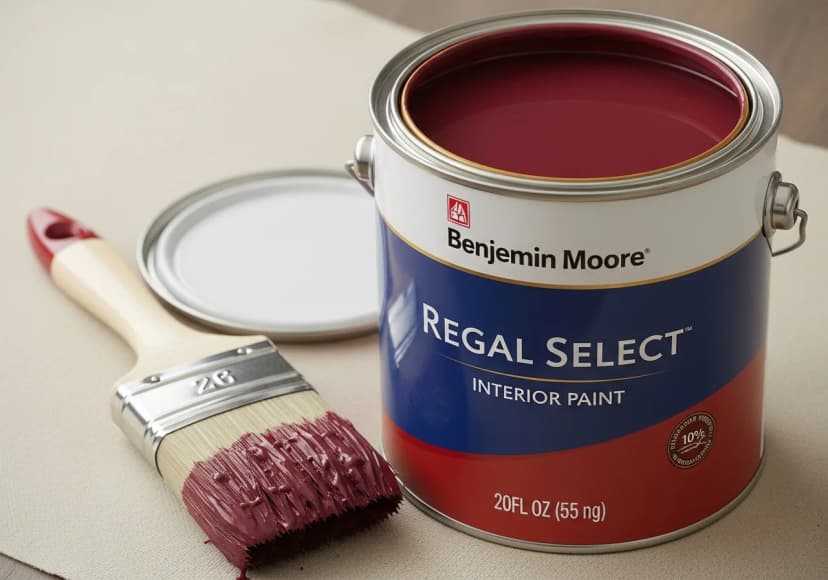
Benjamin Moore Regal Select
$55–$75 per gallonWalls and ceilings in main living areas and bedrooms
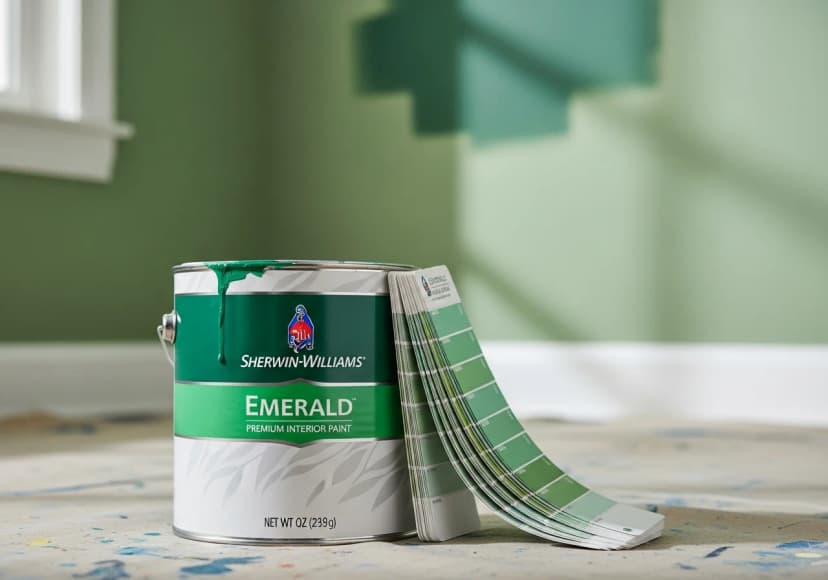
Sherwin-Williams Emerald
$75–$95 per gallonHigh-traffic hallways, family rooms, kitchens, and bathrooms
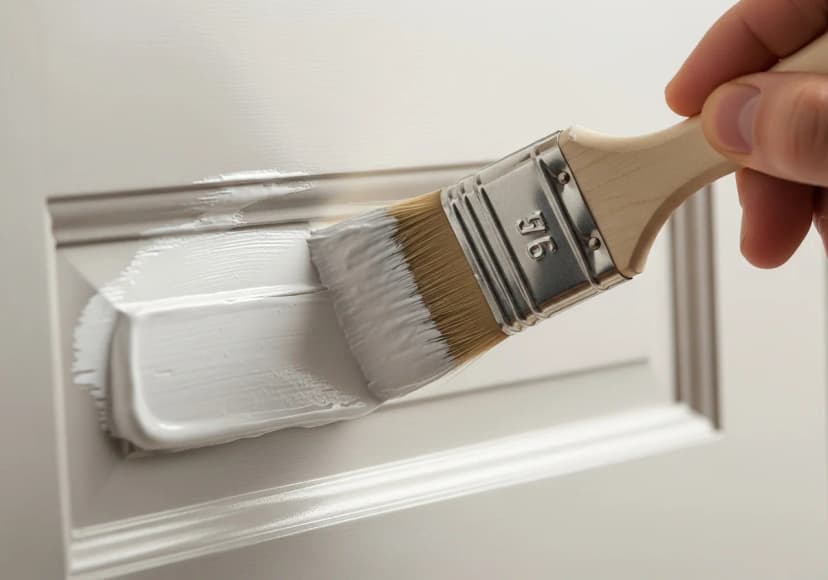
Benjamin Moore Advance (Trim and Cabinet Paint)
$55–$70 per gallonTrim, baseboards, doors, and cabinet painting
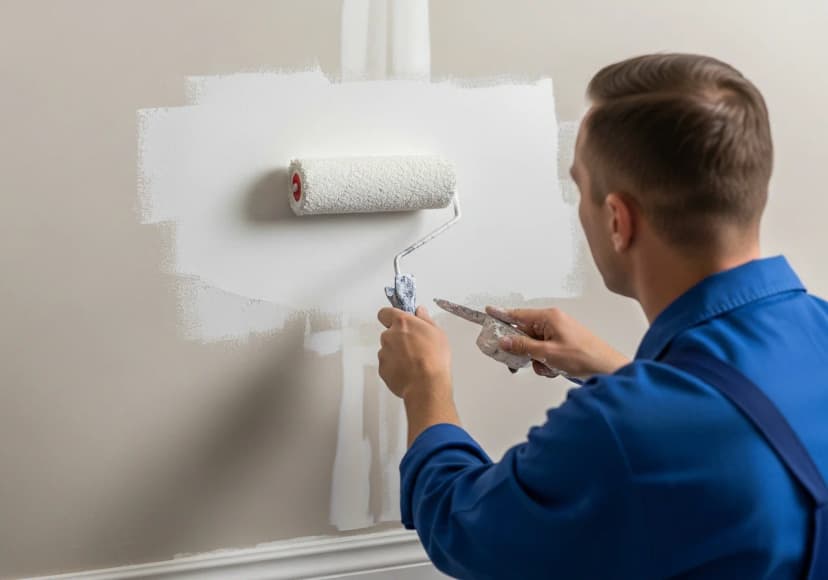
Primer — Zinsser or Kilz Professional
$25–$50 per gallonStain blocking, new drywall, patched areas, and color-change priming
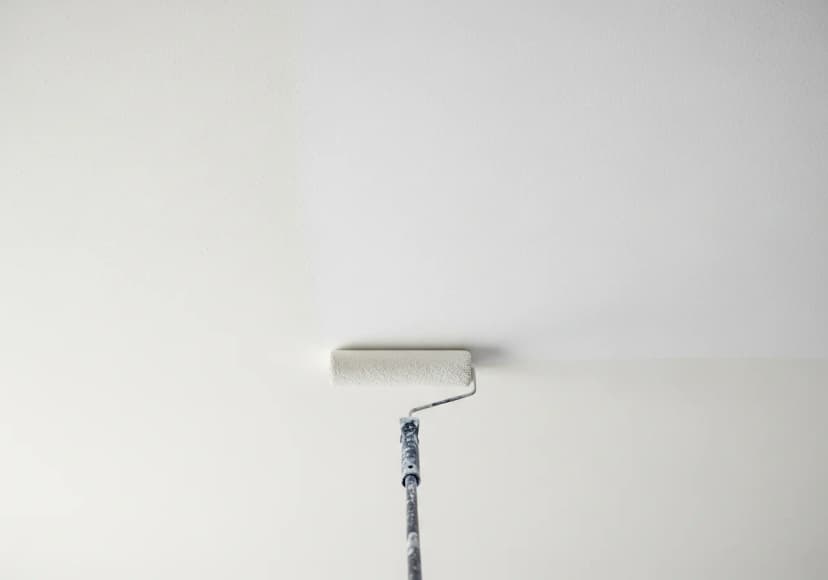
Specialty Ceiling Paint (Flat/Ultra-Matte)
$35–$55 per gallonAll ceiling surfaces throughout the home
Learning from others' mistakes saves time and money. Here are the most common interior painting design pitfalls we see in Nampa:
Patchy, inconsistent coverage from previous DIY painting
We sand, prime, and apply two full coats of premium paint with proper technique to achieve even coverage and consistent color depth across every wall.
Peeling or flaking paint on walls or ceilings
We scrape loose paint, sand edges smooth, apply bonding primer to ensure adhesion, and repaint with durable finish coats that will last for years.
Dark, dated paint colors that make rooms feel small
We help select modern, lighter color palettes that open up spaces and work with your natural and artificial lighting. Light colors and consistent tones between rooms create a spacious, cohesive feel.
Visible drywall seams, nail pops, and texture inconsistencies
Our prep process includes skim-coating seams, resetting nail pops, and feathering patches so repairs are invisible under the finished paint.
Yellowed or dirty trim that contrasts poorly with fresh walls
We recommend painting or repainting trim along with walls for a complete, cohesive refresh. Properly prepped and painted trim frames the room and elevates the entire result.
For interior painting projects in Nampa, you have two main approaches to the design process: hiring a separate interior designer then a contractor, or working with a design-build firm that handles both under one roof.
Design-build (our approach)
- ✓ Single point of contact
- ✓ Design informed by real construction costs
- ✓ Faster project delivery
- ✓ Budget aligned from day one
Separate designer + contractor
- ● More specialized design expertise
- ● Independent design perspective
- ● Requires coordination between parties
- ● Can result in budget surprises
Local factors — Nampa's housing stock and typical construction eras, the climate conditions that drive material and scheduling choices, and permitting through City of Nampa Building Department — are covered in full on our Nampa page for this service, alongside 5 common project types.
Interior Painting in Nampa: housing stock, climate & permits →How do I choose the right paint colors?
We offer color consultation as part of our service. We consider your existing furnishings, flooring, natural light, and personal style to recommend colors that will work well in your specific spaces. We always recommend testing samples on the wall before final selection.
Can you paint over dark colors?
Yes. Dark-to-light color changes require a high-quality tinted primer to block the existing color, followed by two coats of finish paint. This ensures full coverage without bleed-through and avoids the need for excessive coats.
Planning interior painting in Nampa?
Get expert guidance and a free estimate for your interior painting project in Nampa, ID.
Get Your Free Estimate