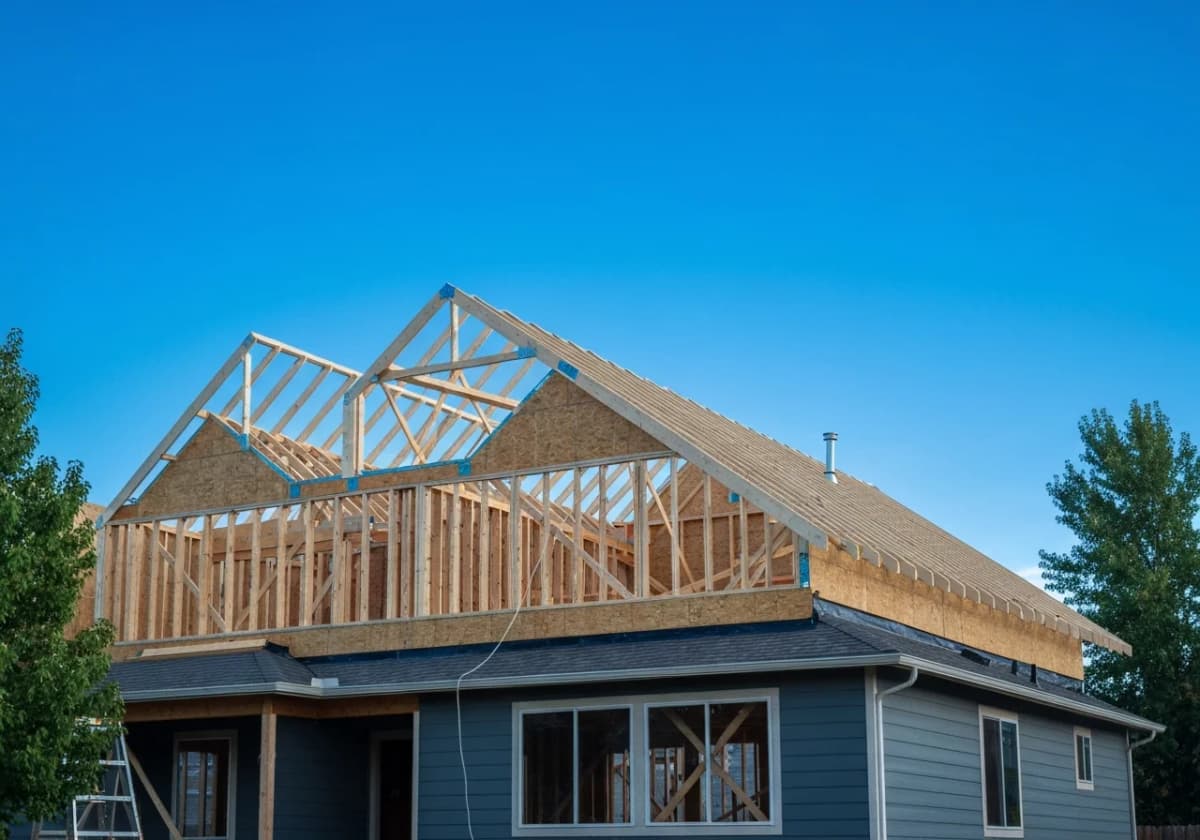
Home Additions in Meridian, ID
Whether you need an extra bedroom, a primary suite, a home office, or expanded living space — we handle design, engineering, permitting, and construction.
Meridian families are outgrowing their production homes faster than the local real estate market can absorb them — and Iron Crest Remodel builds the additions that let them stay in the neighborhoods they've invested in. From expanding a cramped Bridgetower kitchen to adding a primary suite above the garage in Paramount, we design and build home additions that are architecturally compatible with Meridian's production-home aesthetic, structurally sound for Idaho's 36-inch frost depth, and thoughtfully planned to maximize the space families actually need. With Meridian's median home value above $475,000 and the cost of moving up significantly higher than the cost of adding on, a well-planned addition is the most financially sound path to more space in Ada County's fastest-growing city.
Expand your home with a well-planned addition designed around flow, structure, and long-term livability.
Licensed general contractor with home addition experience in IdahoStructural engineering partnerships for safe, code-compliant designComplete project management from design through certificate of occupancyDetailed architectural plans included in every addition project
A home addition is one of the most significant and valuable improvements you can make to your property. Unlike a remodel that works within existing walls, an addition expands the building footprint — which means foundation work, structural engineering, roofline integration, exterior finish matching, and careful connection to existing mechanical systems. The most common additions in the Treasure Valley include primary suite additions (bedroom + bathroom + closet), family room or great room additions, second-story additions over existing structures, bump-out additions for kitchens or dining rooms, and sunroom or four-season room additions. Every addition project requires careful planning around your existing home's foundation type, roof structure, siding material, and HVAC capacity. A well-designed addition looks like it was always part of the house — matching rooflines, siding profiles, window styles, and interior finishes so there is no visible seam between old and new.
Meridian's housing paradox is one of the most common family problems in the Treasure Valley: the production home that was the right size when you bought it is no longer the right size for the household you've built, but the cost of selling and moving up — at today's prices and interest rates — is significantly higher than the cost of adding the space you need to the home you already own.
The math is compelling. A Meridian family in a 1,800-square-foot home that needs 2,400 square feet faces a choice: sell their home at today's value ($450,000–$500,000), absorb transaction costs ($25,000–$35,000), purchase a 2,400-square-foot Meridian home at current prices ($575,000–$650,000), and finance the difference at today's rates — adding $1,000 to $1,800 per month to their mortgage payment. Alternatively: add 600 square feet of high-quality addition at $120,000 to $160,000, keep the existing mortgage rate, and stay in the neighborhood, school district, and community they chose. The addition is the superior financial decision by a wide margin for most Meridian families in this position.
Meridian's production-home housing stock creates specific addition demand patterns. The builder-grade floor plans that defined most Meridian construction from 1995 to 2015 were efficient but generic — designed to satisfy median buyer preferences at affordable price points rather than to serve any particular family's actual needs. Master bedrooms that are smaller than the bed-and-dresser combination they need to hold, kitchens that couldn't accommodate a dining table if the family grew, and home offices that were afterthoughts rather than genuine working spaces are the most common triggers for addition consultations in Meridian.
The work-from-home shift has amplified the home office addition demand specifically. A significant portion of Meridian's professional population now works partially or fully from home, and the bedroom-converted-to-office is a solution that satisfies neither use case. A proper home office addition — with dedicated HVAC, adequate electrical capacity, soundproofing, and the right relationship to the rest of the home — is a project that has moved from nice-to-have to genuinely necessary for households where two adults are simultaneously working from home.
Meridian homeowners pursue home additions for a variety of reasons. Here are the most common situations we see:
- ✓Growing families who have outgrown their current floor plan but love their neighborhood and lot
- ✓Homeowners who need a primary suite addition — separate bedroom, walk-in closet, and bathroom
- ✓Remote workers who need a dedicated home office with separation from living spaces
- ✓Homeowners caring for aging parents who need an in-law suite or ground-floor bedroom addition
- ✓Anyone who would rather add square footage than sell and move in the current housing market
Not every home addition project is the same. Here are the most common project types we complete in Meridian:
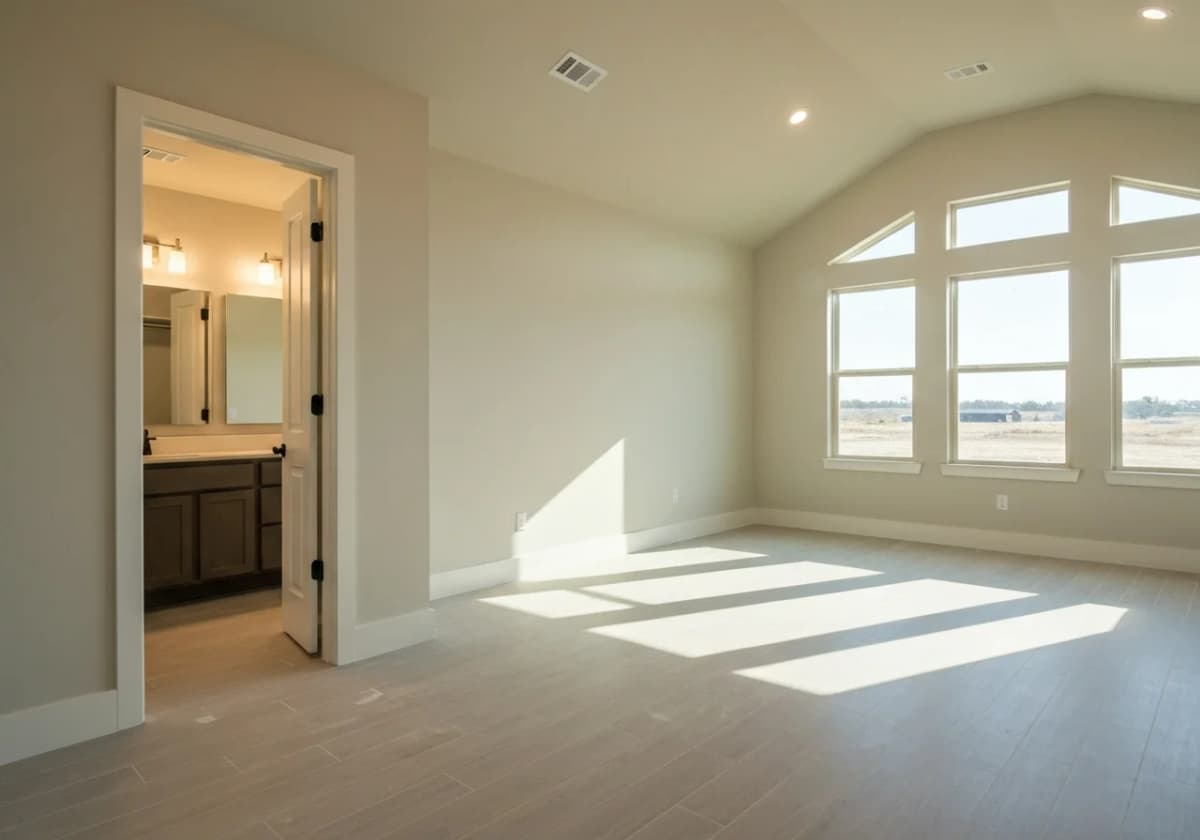
Primary Suite Addition
Add a new primary bedroom, walk-in closet, and private bathroom. This is the most popular addition type and typically adds 400-700 square feet to the home.
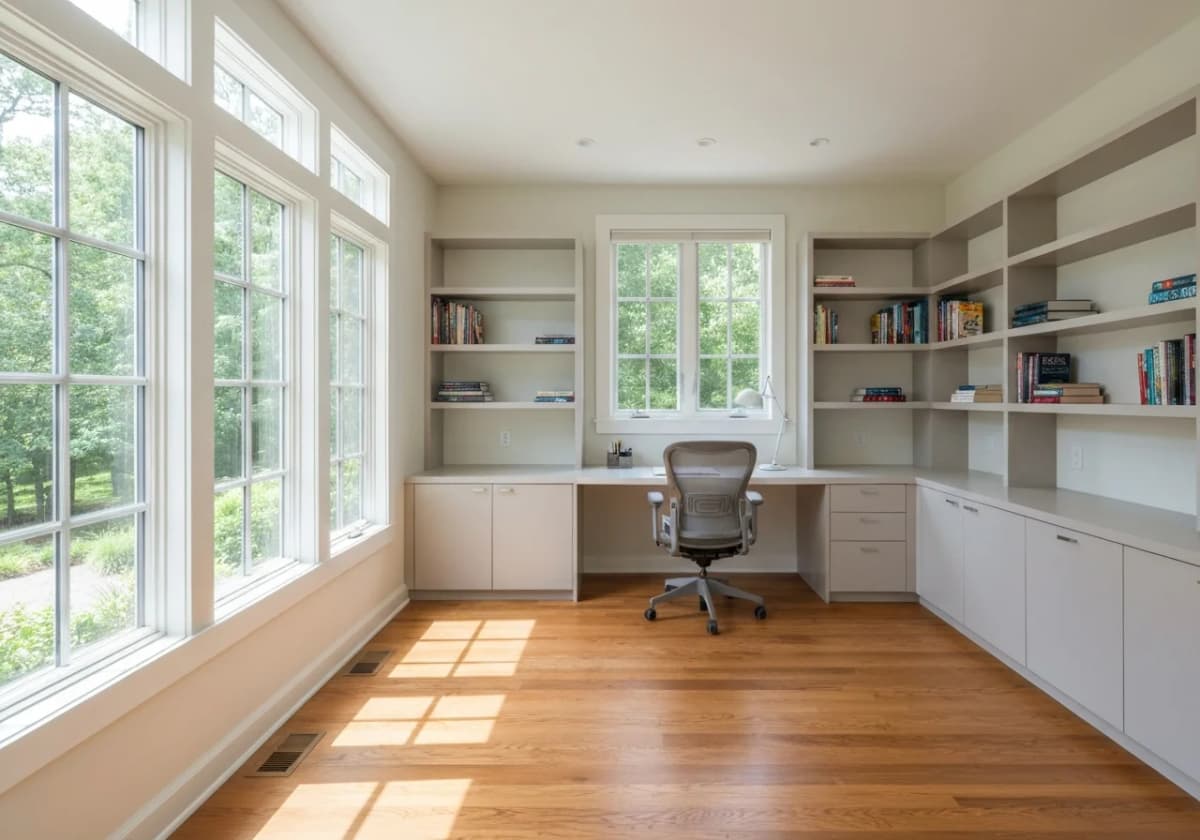
Room Addition (Bedroom, Office, Family Room)
Add a single room or open living space to the home. Room additions range from 150-500 square feet and can be configured as a bedroom, office, playroom, or flex space.
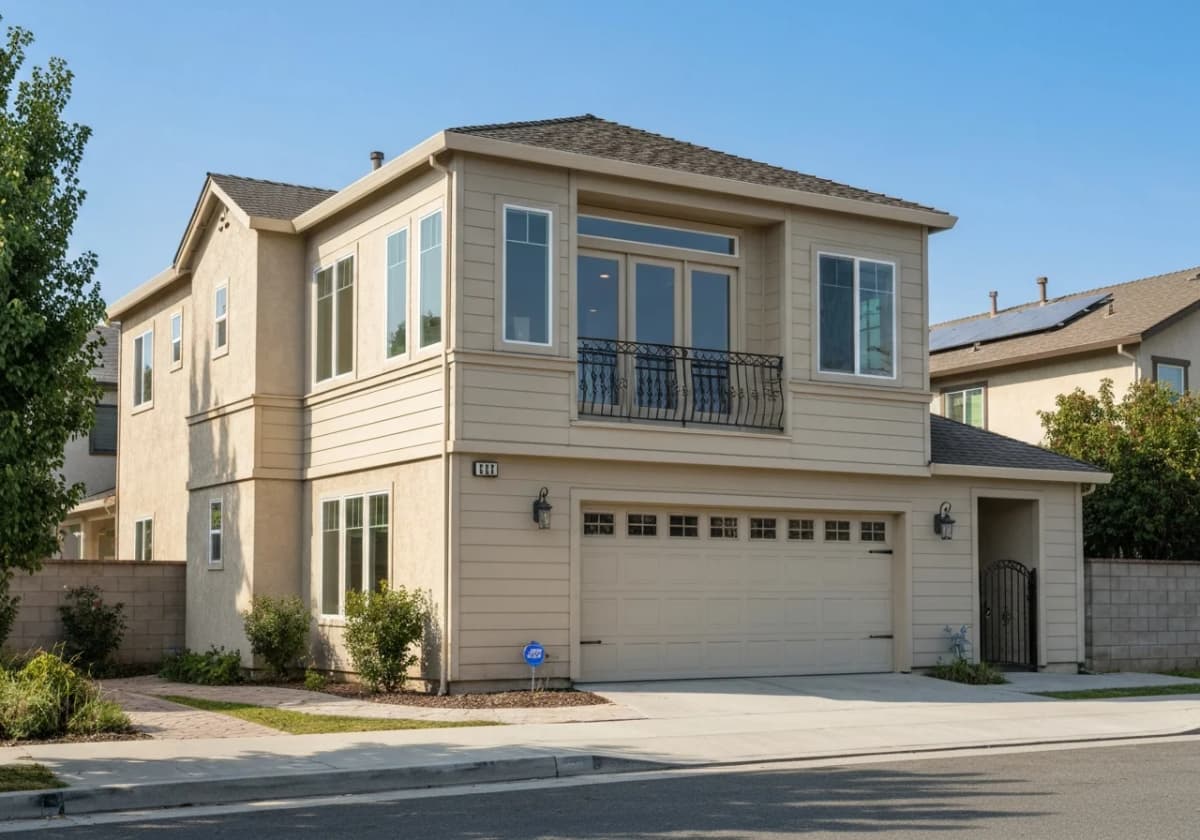
Second-Story Addition
Build up instead of out by adding a second floor over an existing single-story structure. Requires structural evaluation of the existing foundation and framing to ensure they can support the additional load.
Kitchen or Dining Bump-Out
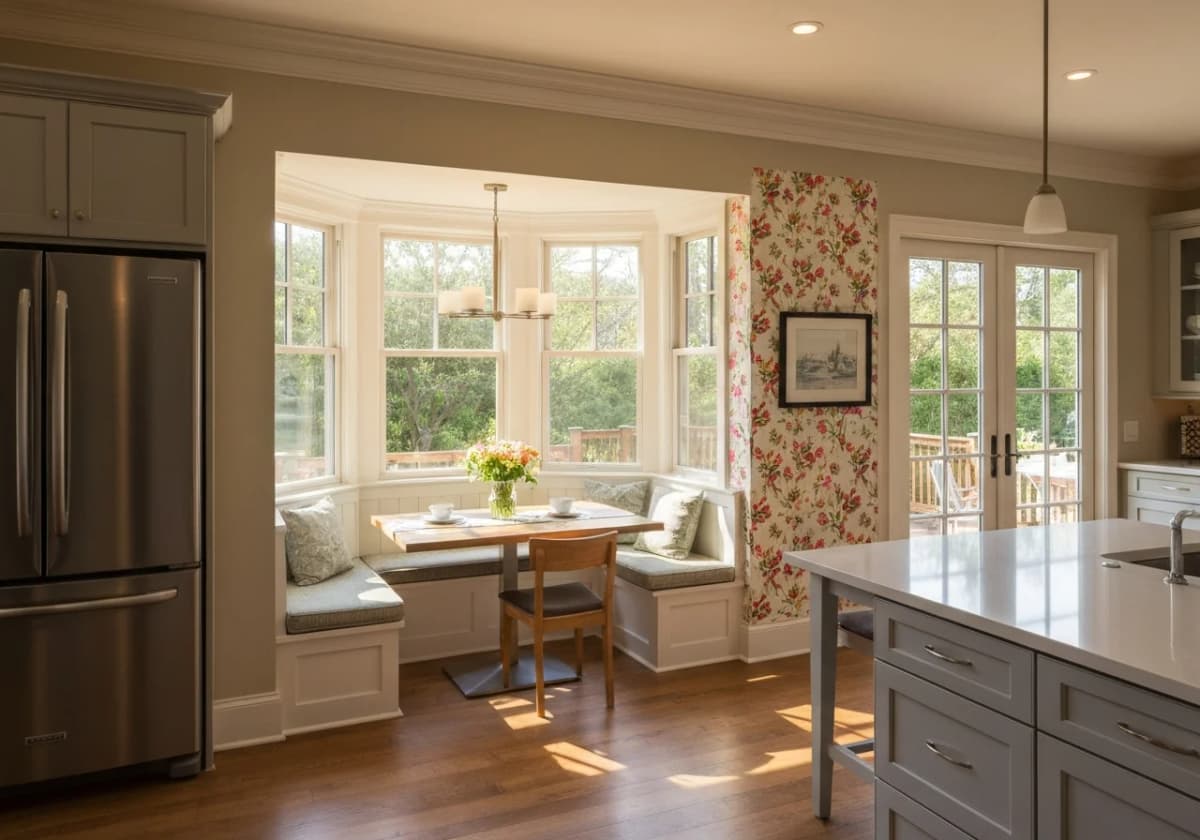
Extend an exterior wall by 4-12 feet to create more kitchen counter space, a breakfast nook, or a larger dining area. A bump-out is less complex than a full addition and can transform a cramped kitchen.
In-Law Suite or Multigenerational Addition
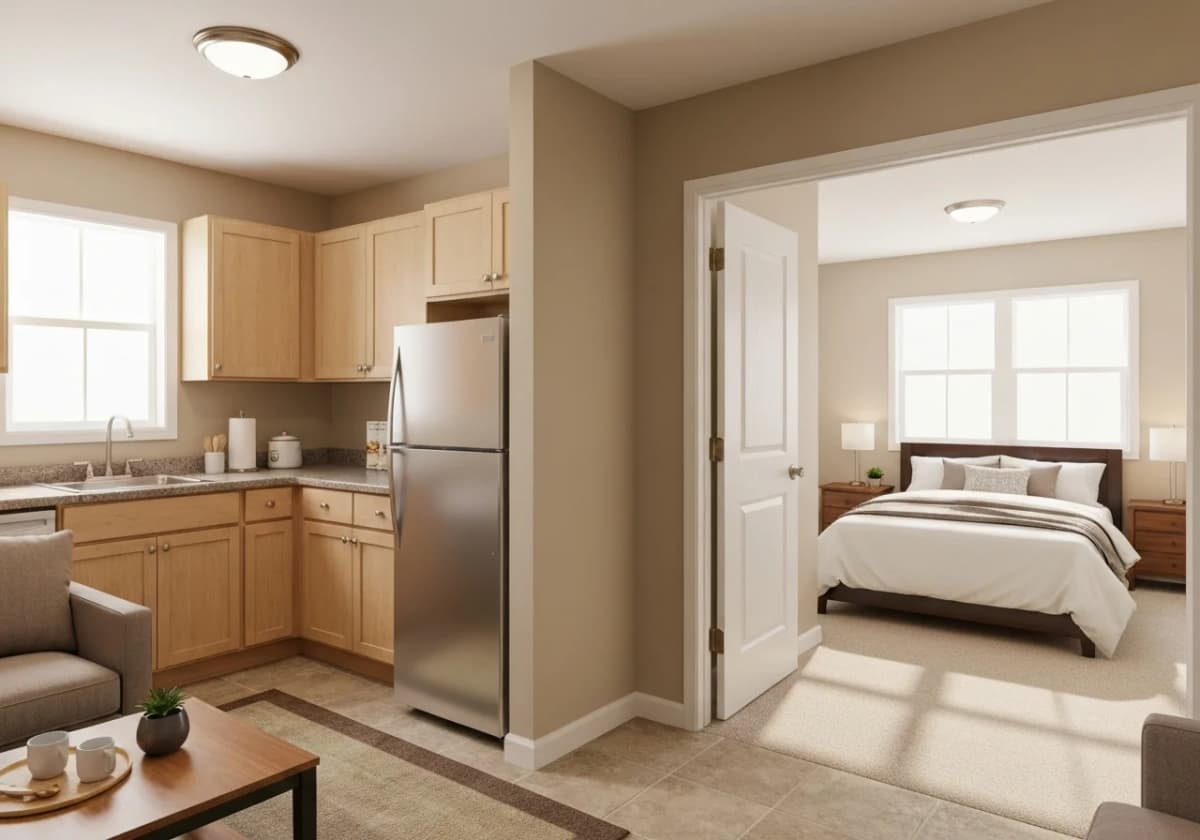
A semi-independent living space with a bedroom, bathroom, kitchenette, and separate entrance designed for aging parents or adult family members. May include accessibility features.
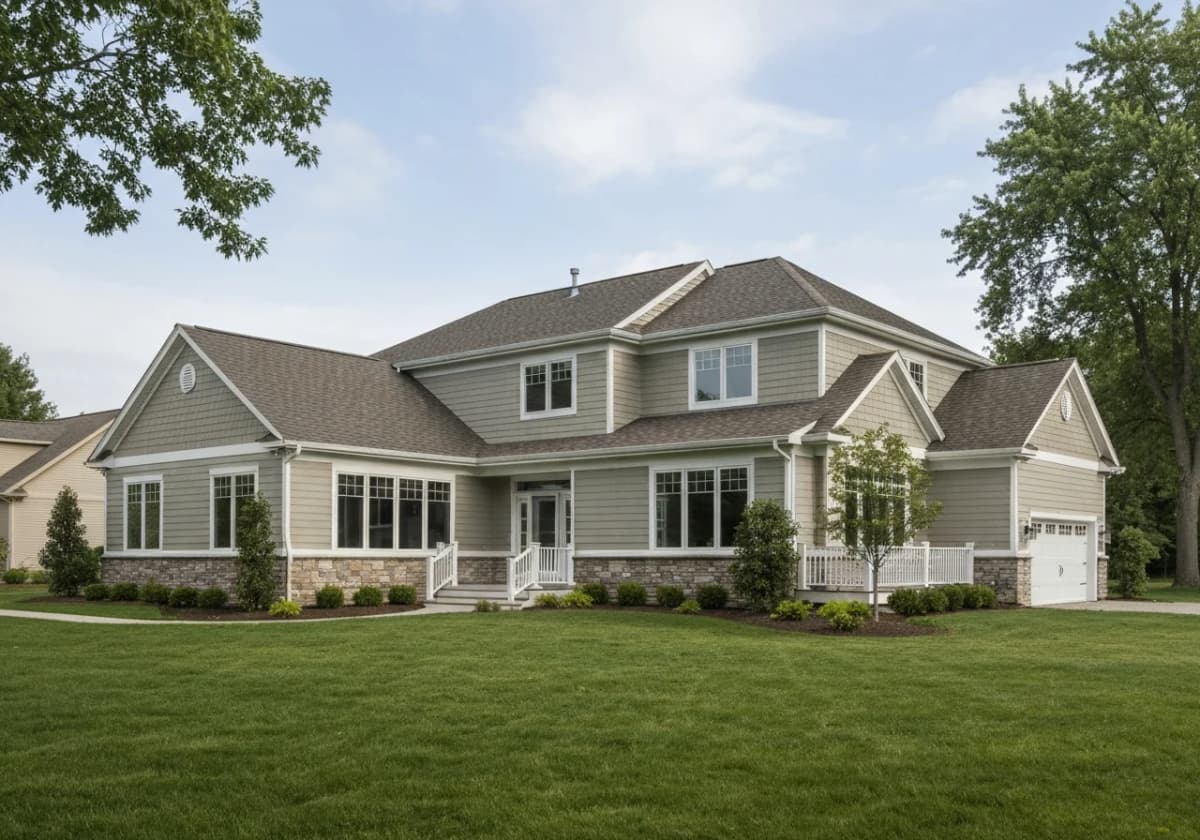
Meridian's housing stock is predominantly post-1990 construction. The majority of homes feature PEX plumbing, 200-amp electrical panels, and energy-efficient windows — but with builder-grade interior finishes that homeowners upgrade as the homes age.
1990s (North Meridian)
Early subdivision homes with standard 90s finishes: oak cabinets, laminate countertops, carpet throughout, and basic tile in bathrooms. These homes are 25-35 years old and are the most common full-remodel candidates.
2000s–2010s (South Meridian, Paramount)
Larger homes with better floor plans but still builder-grade finishes. Many have slab granite installed during the granite boom but are now dated. Cabinets, fixtures, and flooring are the primary upgrade targets.
2015–present (South Meridian expansion)
Newer construction with open floor plans and modern systems. Homeowners typically upgrade finishes 3-7 years after purchase — replacing builder-grade countertops, cabinet hardware, lighting, and flooring.
Common issues in Meridian homes
- •Builder-grade cabinets with particle board shelves and basic hinges wearing out
- •Outdated builder-selected finishes (honey oak, Tuscan tile, slab granite) that feel dated
- •Closed-off floor plans in 1990s homes with walls between kitchen and living areas
- •Insufficient kitchen storage and counter space for today's cooking and entertaining
- •Basic builder lighting that does not adequately illuminate kitchens and bathrooms
- •Original carpet throughout that homeowners want to replace with hard flooring
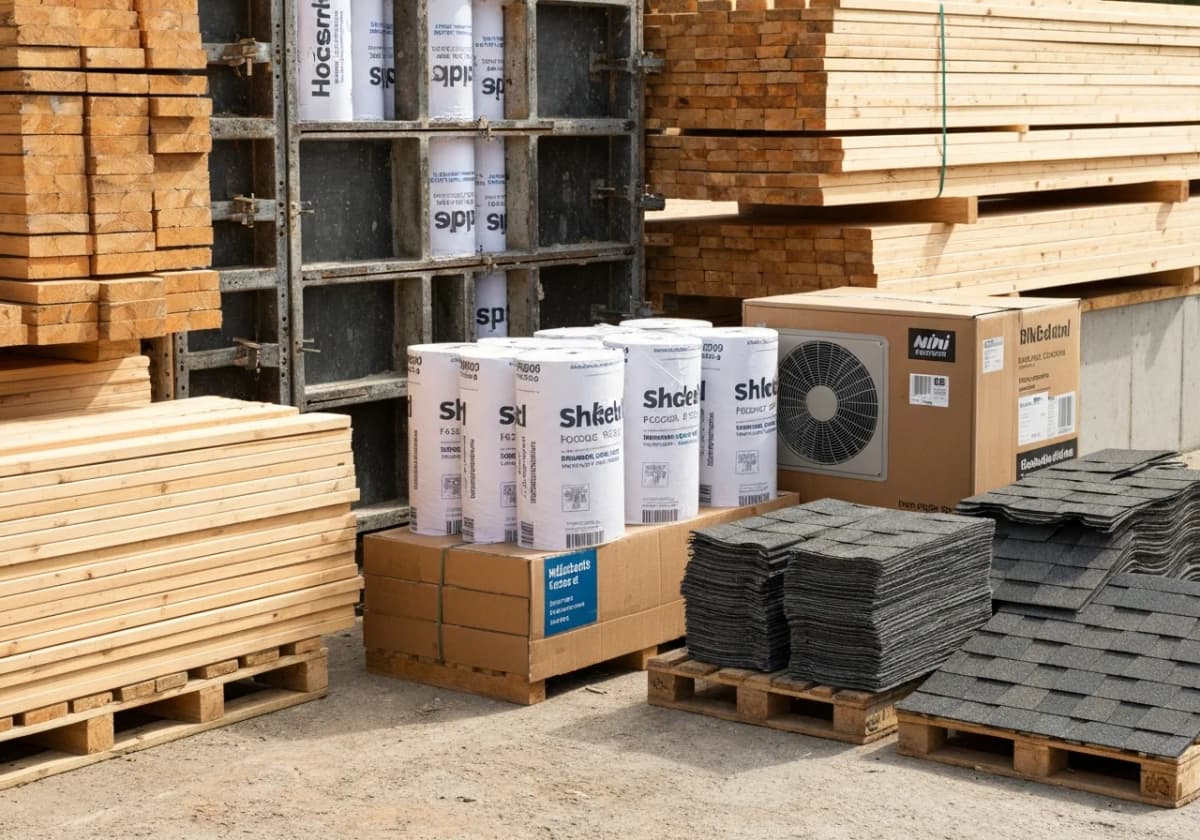
Material selection affects the look, durability, and cost of your home addition. Here are the most popular options we install in Meridian:
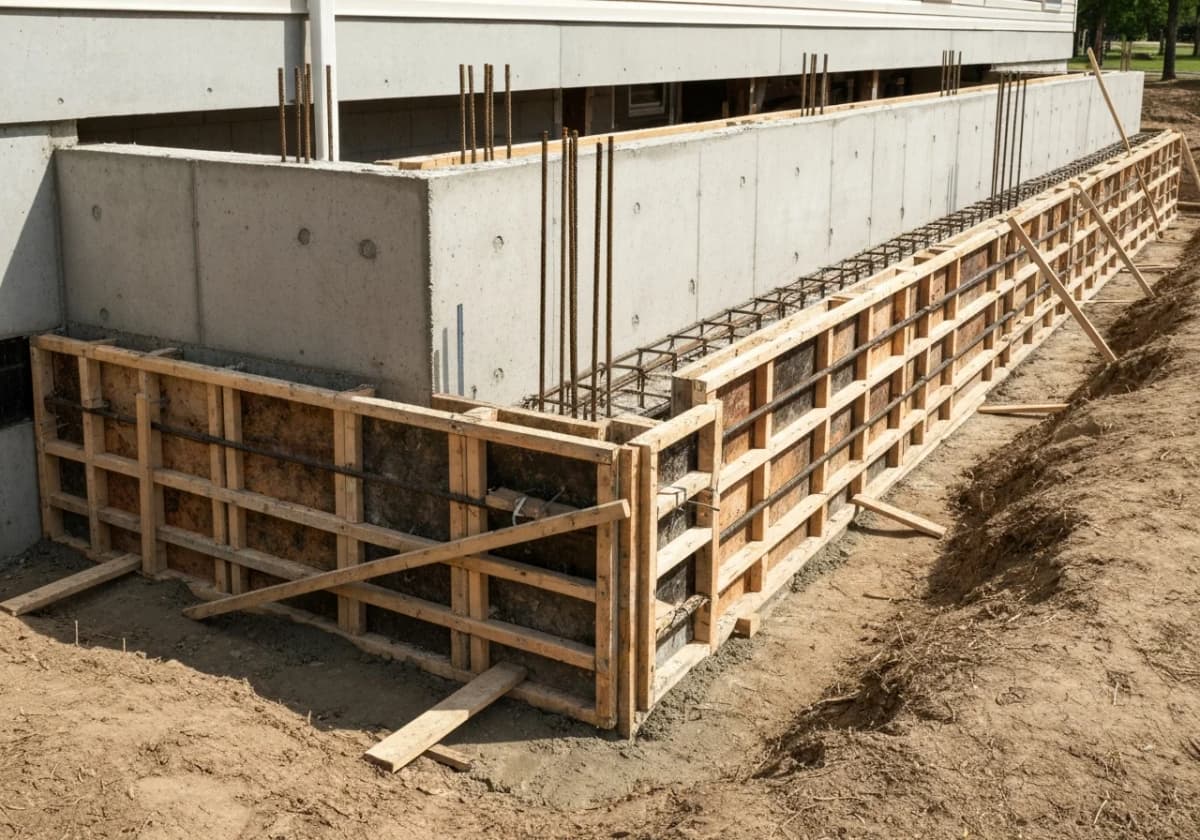
Concrete Foundation (Stem Wall or Slab)
$8,000–$25,000 depending on sizeMost Idaho home additions use a concrete stem wall foundation with a crawl space, matching the existing home's foundation type. Slab-on-grade is used in some applications. The foundation must be engineered to match soil conditions and frost depth requirements.
Best for: All home additions in Idaho
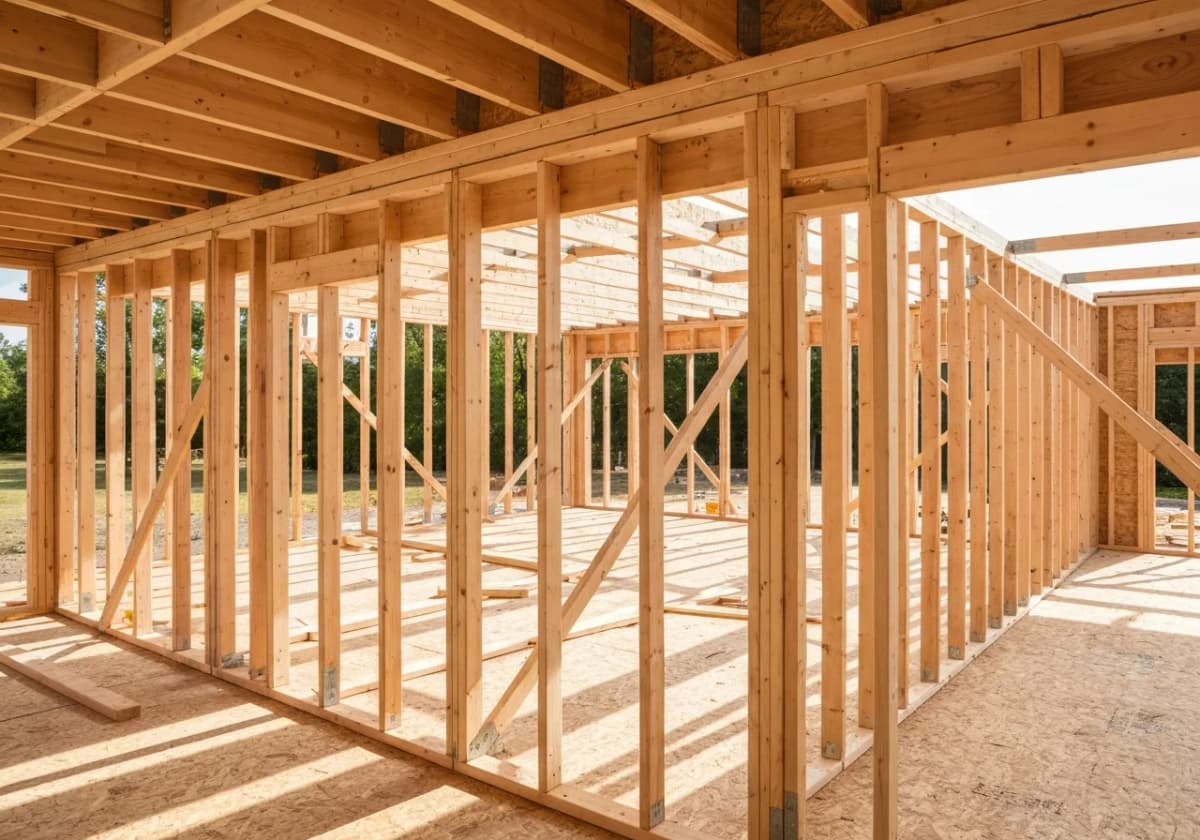
Dimensional Lumber Framing
$15–$25 per sq ft framedStandard 2x4 or 2x6 wood framing for walls, with engineered trusses or rafters for the roof. The framing system must integrate with the existing home's structure at the connection point.
Best for: Standard room additions and second stories
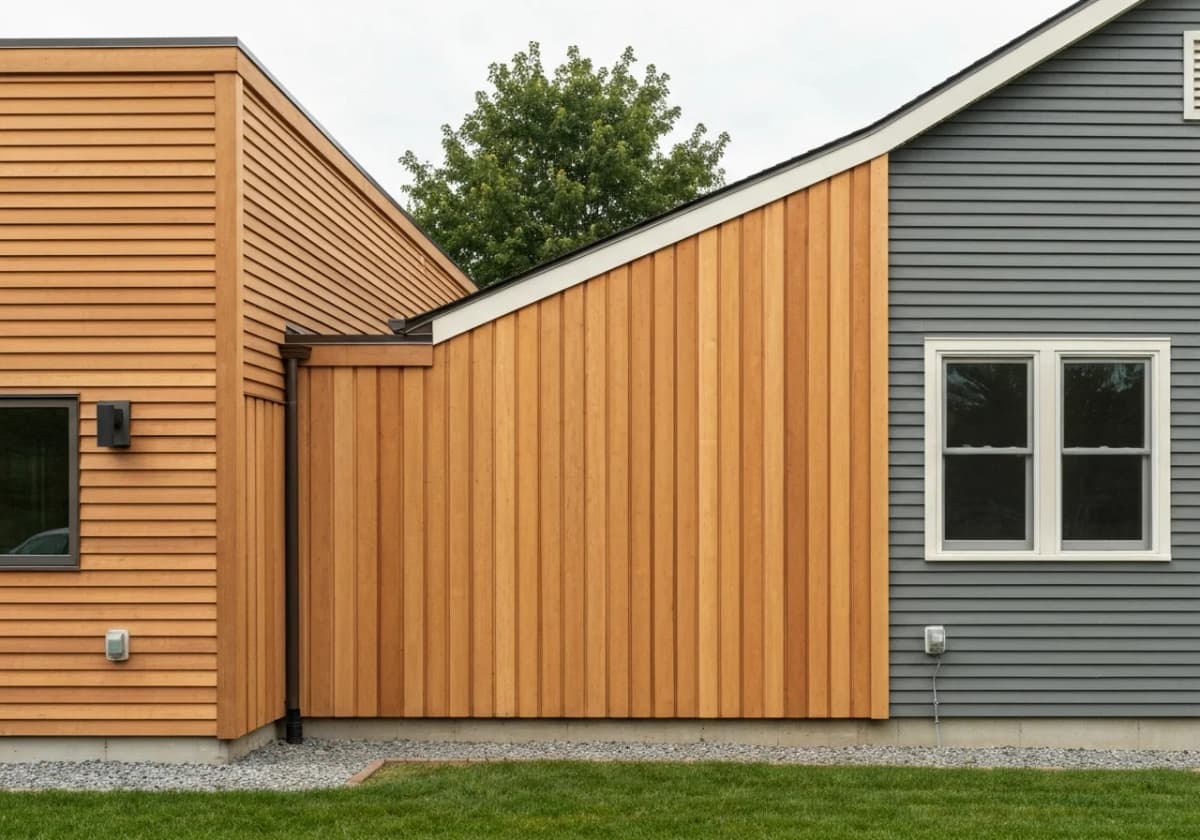
Matching Exterior Siding
$5–$15 per sq ft installedThe addition's exterior must match the existing home. This may involve ordering the same siding profile, doing a partial re-side to blend old and new, or selecting a complementary material for a planned contrast.
Best for: Seamless visual integration
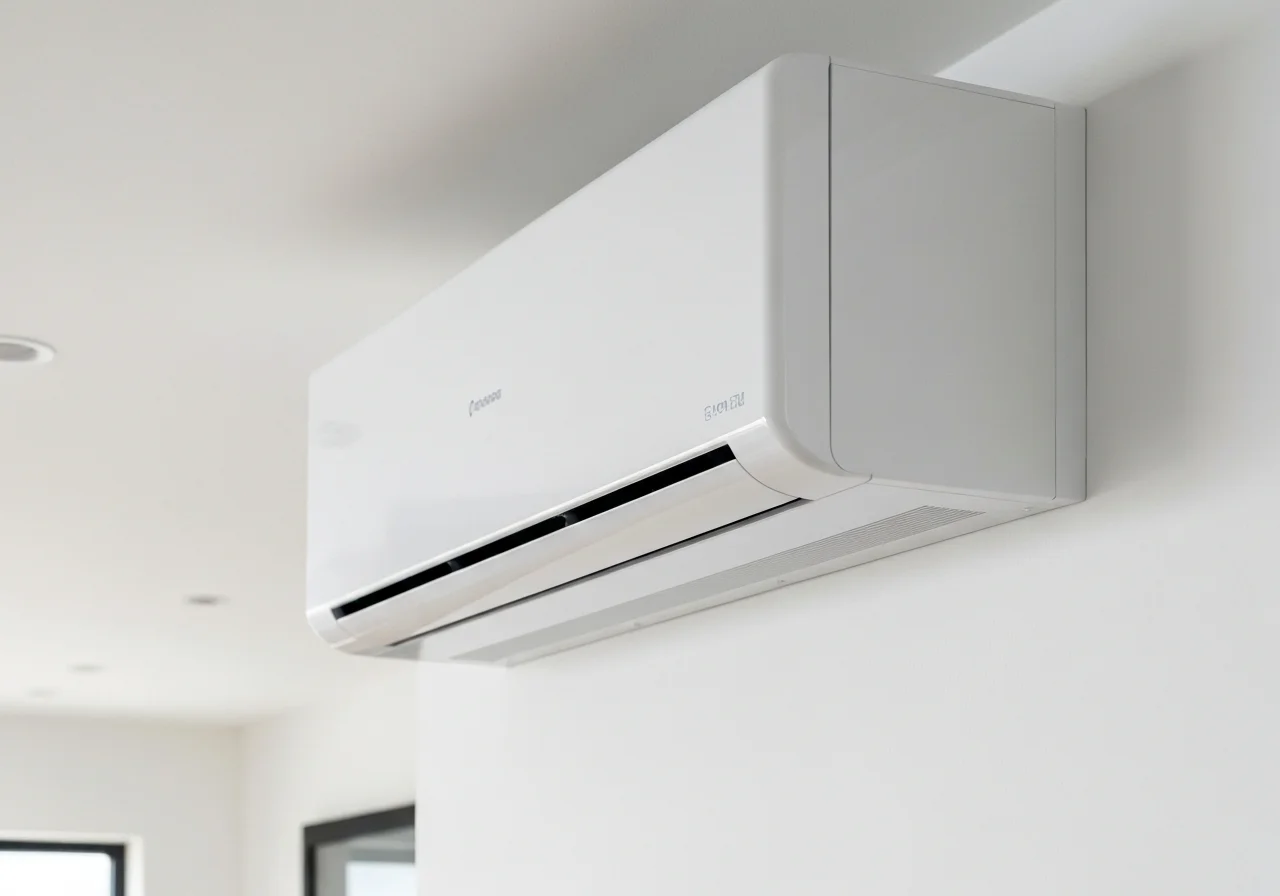
Mini-Split HVAC System
$3,000–$6,000 per zone installedA ductless mini-split system is often the most practical way to heat and cool an addition without extending the existing HVAC system. Mini-splits are efficient, quiet, and provide independent temperature control for the new space.
Best for: Additions where extending existing ductwork is impractical
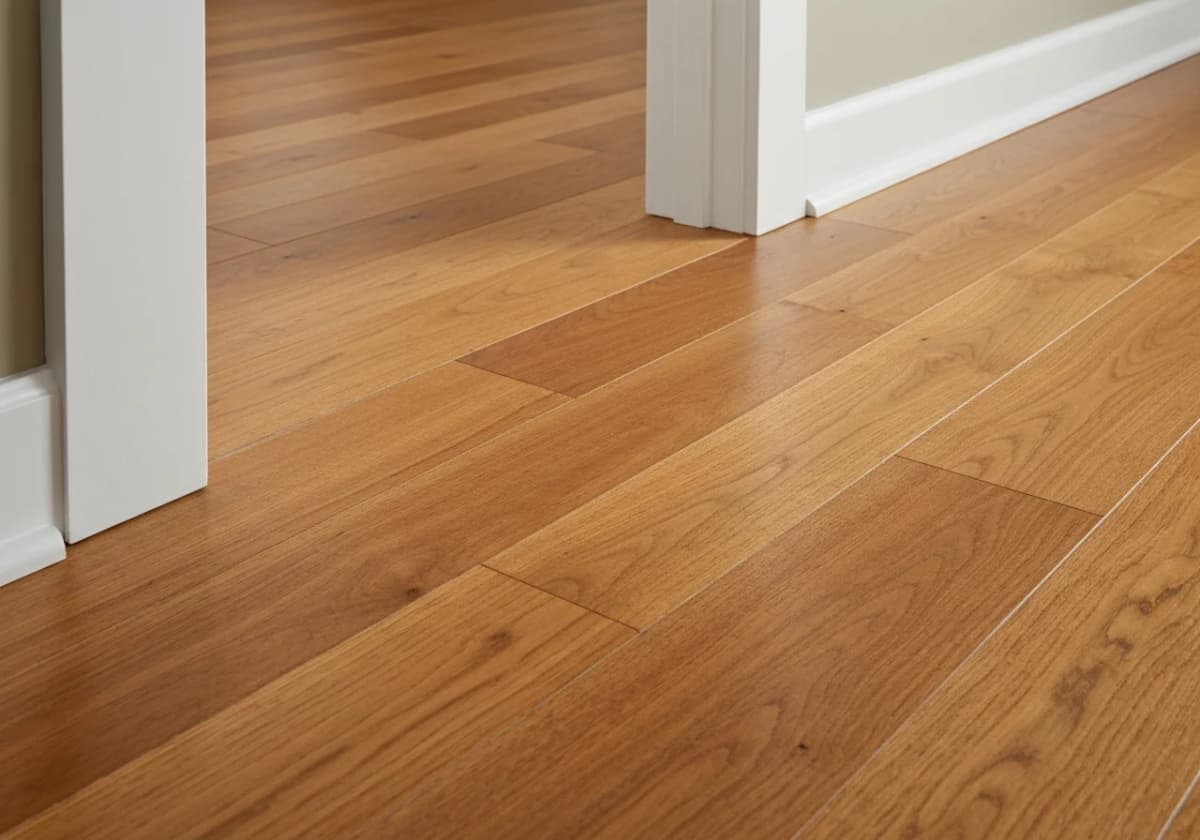
Engineered Hardwood or LVP Flooring
$5–$15 per sq ft installedFlooring in the addition should match or complement existing home flooring. Engineered hardwood can match existing real hardwood. LVP is durable, waterproof, and available in realistic wood looks.
Best for: Matching existing home flooring
Meridian home addition materials are governed by Ada County's climate requirements, the city's production-home architectural context, and the HOA compatibility standards of Meridian's planned communities.
Foundation materials for Meridian additions must meet Ada County's 36-inch frost depth requirement. Poured concrete perimeter foundations or isolated footings designed by a licensed Idaho structural engineer are the standard for any new foundation work in Meridian. Slab-on-grade additions with insulated perimeter protection are appropriate for certain ground-floor addition configurations.
Framing for Meridian additions uses engineered lumber products — LVL beams, I-joists, and LSL headers — for all structural applications. Idaho's dry climate causes conventional dimensional lumber to lose moisture after installation, producing the shrinkage, squeaking, and nail pops that are more common in Treasure Valley construction than in humid-climate markets. Engineered lumber's dimensional stability eliminates this post-construction settling.
Exterior Cladding Compatibility: Meridian HOA architectural standards require that addition exterior materials match the primary home's siding type, color, and profile. Most Meridian production homes use vinyl siding, stucco, or James Hardie fiber cement — and the addition exterior must use the same material from the same manufacturer in a matching or closely coordinated color. Iron Crest coordinates siding material matching for every Meridian addition project.
Roofing tie-in materials must match the existing home's roofing in brand, style, and color. Most Meridian homes carry 30-year architectural asphalt shingles from GAF, CertainTeed, or Owens Corning, and matching profiles are readily available. The roofing tie-in is one of the most visible aspects of a home addition's architectural integration, and precise attention to shingle profile and color matching prevents the "tacked-on" appearance that poor roofing tie-ins create.
HVAC Extension or Addition: Meridian's production homes have HVAC systems sized for the original square footage, and extending them to serve a home addition typically requires either ductwork extension with appropriate capacity additions at the air handler or the installation of a supplemental mini-split system for the new space. The choice depends on the size of the addition and the capacity of the existing HVAC system — Iron Crest provides a mechanical engineer's assessment for every addition project that involves more than 300 square feet of new conditioned space.
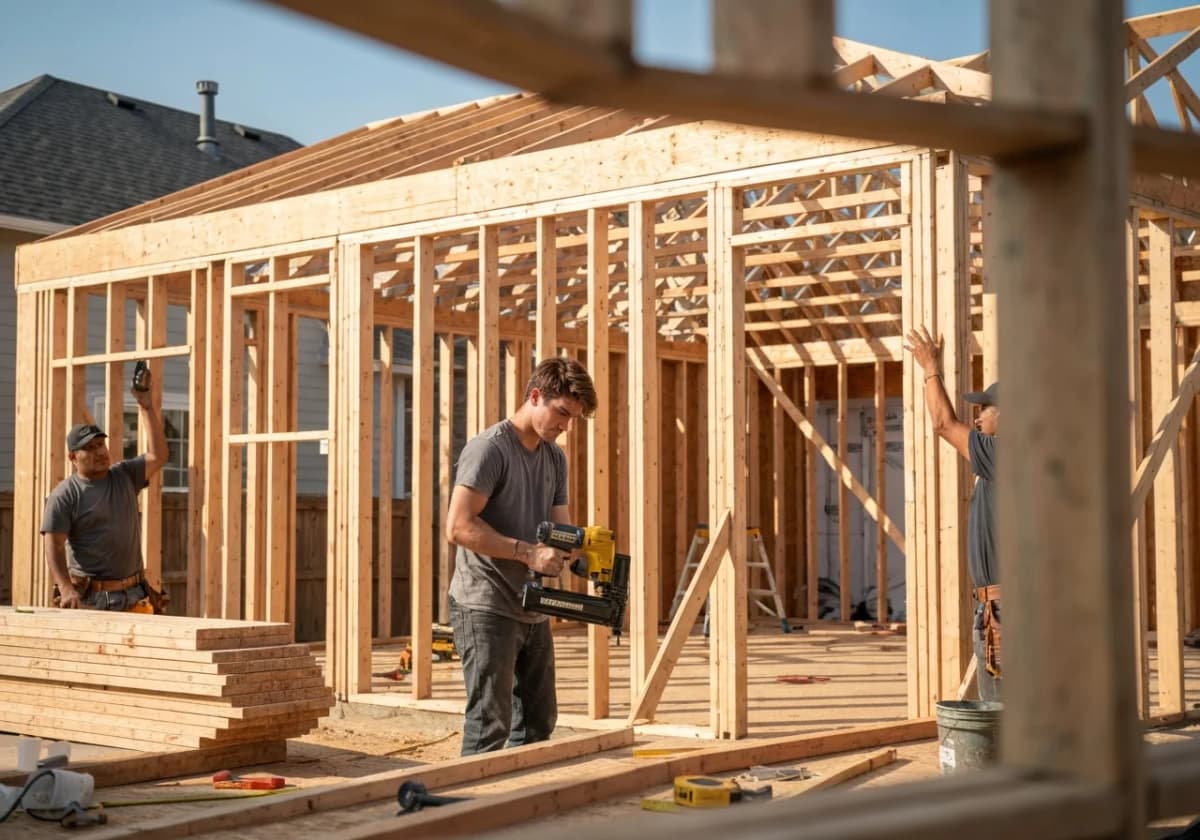
Here is how a typical home addition project works from first contact to final walkthrough:
1
Feasibility Assessment and Site Evaluation
We evaluate your lot size, setback requirements, existing foundation type, roof structure, utility connections, and zoning restrictions to determine what type and size of addition is possible on your property.
2
Architectural Design and Engineering
We create detailed architectural plans including floor plans, elevations, structural engineering, roofline integration, and mechanical system connections. Plans must meet local building codes and zoning requirements.
3
Permitting and Plan Review
Home additions require building permits, plan review, and multiple inspections. We submit plans to the local building department, respond to any review comments, and manage the approval process.
4
Foundation and Framing
Excavation and foundation work (typically concrete stem wall or slab-on-grade in Idaho) is completed first. Once the foundation is inspected, framing begins — walls, roof structure, and connection to the existing home.
5
Mechanical, Electrical, and Plumbing (MEP)
HVAC ductwork or mini-split installation, electrical wiring, plumbing rough-in (if the addition includes a bathroom or kitchenette), and insulation are completed before drywall.
6
Exterior Finish and Roofing
Roofing, siding, windows, and exterior trim are installed and integrated with the existing home's exterior. We match materials, colors, and profiles so the addition looks seamless.
7
Interior Finish and Final Details
Drywall, paint, flooring, trim, doors, fixtures, and all interior finish work is completed. The connection point between old and new is finished to be invisible. Final inspections are passed and a walkthrough is conducted.
Here is what to expect for project duration when planning a home addition in Meridian:
| Phase | Duration | Details |
|---|---|---|
| Design and Engineering | 4–8 weeks | Architectural design, structural engineering, and plan preparation. This phase is longer than a remodel because additions require engineered plans. |
| Permitting and Plan Review | 2–6 weeks | Building department plan review, permit issuance, and any revisions. More complex additions may require multiple review cycles. |
| Foundation | 1–3 weeks | Excavation, forming, concrete pour, and curing. Weather conditions in Idaho can affect foundation scheduling, especially in winter months. |
| Framing and Roofing | 2–4 weeks | Wall framing, roof structure, windows, and exterior sheathing. The addition begins to take shape during this phase. |
| Mechanical, Electrical, Plumbing, and Insulation | 2–3 weeks | All mechanical rough-in, insulation, and inspection. This must be complete before drywall begins. |
| Interior and Exterior Finish | 3–6 weeks | Drywall, paint, flooring, trim, siding, fixtures, and final details. The connection between old and new is completed during this phase. |
Meridian range: $65,000 – $380,000
Most Meridian projects: $140,000
Meridian home addition costs are shaped by Ada County's 36-inch frost depth requirement, Meridian's active permit and inspection process, and the architectural compatibility requirements of the city's HOA-governed communities. A ground-floor room addition — a family room bump-out or home office addition with its own foundation, framing, roofline tie-in, and HVAC extension — typically runs $65,000 to $110,000. A larger primary suite addition or expanded kitchen-and-dining addition runs $95,000 to $175,000. Second-story additions over an existing Meridian ranch or first-floor addition run $180,000 to $320,000 depending on structural complexity and finish level. In-law suites with private entrances and kitchenettes run $130,000 to $220,000. HOA approval processes add $2,000 to $5,000 in submittal preparation costs and 4 to 8 weeks to the pre-construction timeline for most Meridian addition projects.
The final cost of your home addition in Meridian depends on several factors. Here are the biggest cost drivers:
Size of the Addition (Square Footage)
high impactHome additions in Idaho typically cost $150-350 per square foot depending on complexity and finish level. A 400 sq ft primary suite addition might cost $60,000-140,000.
Foundation Work
high impactThe type and complexity of foundation work depends on soil conditions, existing foundation type, and addition size. Rocky soil or high water table conditions increase excavation costs.
Structural Complexity and Roofline Integration
high impactTying a new roofline into an existing roof is one of the most critical and costly aspects. Complex rooflines, multiple valleys, and hip-to-gable transitions require skilled framing.
Plumbing and HVAC Requirements
medium impactAdditions with bathrooms require new plumbing lines. HVAC may require ductwork extension, a new zone, or a mini-split system. These mechanical systems add $5,000-15,000 to the budget.
Interior Finish Level
medium impactBuilder-grade finishes vs. premium finishes (hardwood floors, custom trim, tile, quartz counters in a bathroom) can swing interior finish costs by $20-50+ per square foot.
Permit and Engineering Fees
medium impactHome additions require architectural plans, structural engineering, and building permits. Plan preparation and engineering typically cost $3,000-8,000. Permits add $500-2,000+.
These are the real-world projects we see most often from Meridian homeowners:
Meridian Primary Suite Addition — Reclaiming the Bedroom You Deserve
The most common home addition scope in Meridian is a primary suite expansion that adds 200 to 400 square feet to a production home's primary bedroom. These additions create a true primary suite — a bedroom large enough for a king bed and nightstands, a walk-in closet with real organization capacity, and a full bathroom with a custom tile shower, soaking tub if desired, and dual vanity. The structural tie-in to the existing home involves connecting the new addition's framing to the existing exterior wall, tying the new roofline into the existing roof, and extending the existing HVAC system or adding a mini-split for the new square footage. HOA approval is required in most Meridian communities, and Iron Crest manages the submittal process as a standard project component.
Typical cost: $105,000–$180,000Timeline: 3–5 months
Kitchen and Dining Room Expansion — The Most-Used Space in the Home
Meridian's production kitchens were sized for functionality, not for the way families actually live: cooking together, gathering at the island, eating casually near the cooking area, and managing the full spectrum of food storage that a modern family generates. A kitchen expansion of 150 to 250 square feet — extending the kitchen into the backyard with a new foundation and a roofline that ties cleanly into the existing rear elevation — transforms the home's social center. These additions require careful structural planning (removing or modifying exterior bearing walls), precise roofline design to prevent water management problems at the tie-in, and coordination with the kitchen remodel scope that typically accompanies the addition.
Typical cost: $85,000–$145,000Timeline: 3–4 months
Dedicated Home Office Addition
Meridian's work-from-home professional population has created sustained demand for dedicated home office additions that provide the space, infrastructure, and acoustic separation that shared bedroom offices cannot. A proper home office addition — 150 to 250 square feet with dedicated electrical circuits for multiple workstations, ethernet runs, soundproofing between the office and the rest of the home, a separate entry from the home's common areas, and HVAC zoned independently — is a professional workspace, not a converted bedroom. These additions are typically sited at the rear of the home or above the garage, minimizing their visual footprint on the street elevation and maximizing their acoustic separation from family living areas.
Typical cost: $75,000–$130,000Timeline: 3–4 months
Second-Story Addition in Meridian
Meridian's single-story production homes on lots where lateral expansion is limited by HOA setback requirements or by yard space that the family wants to retain are candidates for second-story additions that add 600 to 1,200 square feet of bedroom and bathroom space above the existing first floor. These projects require structural assessment of the existing foundation and exterior walls, engineered beam additions at key bearing points, and precise waterproofing and roofing work where the new second-story framing meets the existing structure. The result is a transformed home — one that has grown into the size the family actually needs without relocating or compromising the outdoor space that Meridian families value.
Typical cost: $190,000–$320,000Timeline: 5–7 months
In-Law Suite Addition for Meridian's Multigenerational Families
Meridian's strong family culture is manifesting in increasing demand for in-law suite additions that bring aging parents into the homeowner's property ecosystem without sacrificing anyone's independence. A ground-floor in-law suite addition includes a bedroom, an accessible bathroom with a walk-in shower, a kitchenette, and a private exterior entrance — designed so that the parent can live independently while being 30 feet from their adult children and grandchildren. These projects require specific attention to accessible design: zero-threshold shower, wider doorways, grab bar blocking, and kitchen design that accommodates reduced mobility.
Typical cost: $135,000–$215,000Timeline: 4–5 months
Problem: Not enough bedrooms for a growing family
Solution: We design bedroom additions that integrate with the existing floor plan, adding space without disrupting current room flow or outdoor living areas.
Problem: No primary suite — just a standard bedroom with a hall bath
Solution: We add a primary suite wing with a private bathroom, walk-in closet, and direct access. This is the most requested addition type in the Treasure Valley.
Problem: Need a home office but no room to create one
Solution: A dedicated office addition provides separation from household activity, proper lighting, electrical for equipment, and the quiet workspace remote professionals need.
Problem: Aging parents need ground-floor living space
Solution: We design in-law suites with bedroom, bathroom, kitchenette, and potentially a separate entrance for independence and privacy.
Problem: Cramped kitchen or living area with no room to expand
Solution: A bump-out addition of 4-12 feet can transform a cramped kitchen or living room, adding counter space, a dining nook, or a seating area.
Meridian shares Boise's semi-arid climate with hot summers, cold winters, and low humidity. The same material and construction considerations apply — UV resistance for exterior materials, freeze-thaw durability, and proper insulation.
Hot Summers (90-105°F)
Exterior materials and finishes must resist UV degradation. West-facing windows and walls get the most sun exposure. Proper insulation and HVAC sizing are critical for comfort.
Cold Winters (15-30°F)
Frost depth requirements affect foundation work for additions and ADUs. Plumbing in exterior walls and crawl spaces needs freeze protection.
Wind and Dust
Meridian's open terrain means more wind and dust exposure than central Boise. Exterior finish quality and window sealing matter for long-term durability.
Low Precipitation
Less rain means less exterior moisture exposure, which is favorable for siding and paint longevity. However, irrigation and ground moisture around foundations still require attention.
South Meridian
The largest and fastest-growing area, with subdivisions built from 2005 to present. Homes range from 1,500 to 3,500+ square feet with builder-grade finishes that homeowners customize over time.
Common projects in South Meridian:
- •Kitchen remodels upgrading builder cabinets and countertops
- •Bathroom remodels converting tub/shower combos to walk-in showers
- •Outdoor living — decks, patios, and pergolas
- •Flooring upgrades replacing builder carpet with LVP or hardwood
North Meridian
Established neighborhoods with homes from the 1990s and early 2000s. These homes are 20-30+ years old and ready for comprehensive updates.
Common projects in North Meridian:
- •Full kitchen renovations with layout changes
- •Primary bathroom remodels
- •Whole-home remodels bringing homes to current standards
- •Home additions for growing families
Paramount / Lochsa Falls
Mid-to-upper market subdivisions with larger homes (2,500-4,000+ sq ft). Homeowners here often pursue higher-end finishes and design-focused remodels.
Common projects in Paramount / Lochsa Falls:
- •Premium kitchen remodels with custom or semi-custom cabinetry
- •Luxury bathroom remodels with freestanding tubs and custom tile
- •Basement finishing for entertainment and living space
- •Home office additions or conversions
Every Meridian neighborhood has different housing stock, homeowner priorities, and project considerations. Here is what home addition looks like in each area:
Bridgetower and Paramount
Bridgetower and Paramount are the highest-volume Meridian home addition markets because their combination of large homeowner populations, production-home floor plans with consistent addition demand triggers, and active HOA governance creates a well-defined project category: the addition that addresses a specific floor plan deficiency while complying with the community's architectural standards.
The addition project pipeline in these communities is remarkably consistent. Primary suite additions that expand undersized original bedrooms, kitchen extensions that open cramped cooking areas to dining space, and home office additions for work-from-home professionals are the three categories that constitute most of Bridgetower and Paramount's addition volume. Each of these project types has a well-established design and execution approach in Iron Crest's Meridian portfolio, and the HOA compatibility requirements are manageable with proper pre-construction planning.
The HOA coordination dimension deserves explicit attention. Both Bridgetower and Paramount have formal ARB processes with specific submittal requirements — site plans, architectural elevations showing how the addition integrates with the existing home, material specifications with manufacturer names and colors, and sometimes a design narrative explaining the design approach. Iron Crest prepares these submittals as a standard project service and has experience with the specific reviewers and preferences of these communities' ARBs.
Tuscany and Spurwing
Tuscany and Spurwing represent Meridian's premium subdivision segment, and home addition projects in these communities trend toward the most scope-ambitious in the city. Homeowners here have larger original floor plans than Bridgetower or Paramount, more equity available for investment, and aesthetic expectations that are closer to Eagle's market than to standard Meridian production.
Primary suite additions in Tuscany and Spurwing frequently combine a bedroom expansion with a full primary bathroom renovation — the two scopes are naturally complementary, and executing them together produces a cohesive result that staged individual projects cannot. Kitchen additions in these communities often extend to full kitchen remodels that address the cabinetry, countertops, and appliances simultaneously with the new square footage.
The return on investment for Tuscany and Spurwing additions is strong because these homes are in price ranges where additional square footage adds directly to appraised value and because the buyer pool for these communities is sophisticated enough to recognize and value a well-executed addition.
Older Meridian (Lochsa Falls, Spring Wood)
Meridian's older subdivisions — those built in the late 1980s and 1990s before the planned community model became dominant — are home to the addition projects that require the most structural assessment and the most careful design attention. These homes are older than the rest of Meridian's housing stock, their construction standards were less uniform than later production, and their original floor plans were more varied.
HOA governance in older Meridian subdivisions is less consistent than in the newer planned communities — some Lochsa Falls and Spring Wood properties have no active HOA, others have HOAs with dormant ARB processes, and a few have active HOAs with current review requirements. Confirming HOA status and requirements before beginning any addition design is essential for older Meridian properties.
The return on investment for older Meridian additions is also compelling because these homes have more appreciation room — they are priced below the newer Bridgetower and Tuscany equivalents despite comparable location quality, and a well-executed addition moves them closer to the higher price tier that their location supports.
Permit authority: City of Meridian Building Department
Online portal: https://meridiancity.org/building
- ✓Permits required for plumbing, electrical, structural, and mechanical work
- ✓HOA approval may be required before city permits for exterior changes
- ✓Online permit portal available for application and tracking
- ✓Standard residential permit processing is typically 1-2 weeks
- ✓ADU construction follows specific zoning criteria with additional review
- ✓Impact fees apply to additions and ADUs that increase square footage
- ●Roofline integration — the addition's roof must tie into the existing roof seamlessly to prevent leaks and visual disconnection
- ●Exterior material matching — siding, trim, window style, and paint color must match or intentionally complement the existing home
- ●Interior flow — the hallway, doorway, and room transition from the existing home into the addition should feel natural, not awkward
- ●Foundation matching — the addition's foundation type should match the existing home (crawl space, slab, basement) when possible
- ●Mechanical system capacity — evaluate whether existing HVAC, electrical panel, and plumbing main can support the additional load
- ●Natural light — plan window placement for light quality, views, and energy efficiency; additions on the north side need more interior lighting
Here are the design trends we see most often in Meridian home addition projects:
- →White and light gray kitchen cabinets replacing dark or honey oak
- →Quartz countertops replacing outdated granite slab installations
- →Open-concept kitchen and living room conversions
- →Walk-in showers with frameless glass in primary bathrooms
- →Luxury vinyl plank flooring throughout main living areas
- →Modern farmhouse and transitional design aesthetics
- →Large kitchen islands with seating and storage
- →Outdoor living spaces — covered patios, pergolas, and fire features
Meridian's real estate market has grown dramatically, with median home values rising alongside Boise's. The city's family-friendly reputation and strong school district make it one of the most desirable markets in Idaho. Homeowners who remodel in Meridian see strong returns — updated kitchens and bathrooms are the top features buyers look for in this market.
✓Licensed general contractor with home addition experience in Idaho
✓Structural engineering partnerships for safe, code-compliant design
✓Complete project management from design through certificate of occupancy
✓Detailed architectural plans included in every addition project
✓All trades licensed and insured — framing, electrical, plumbing, HVAC
✓Workmanship warranty on construction and finish work
Meridian's home addition market is differentiated by the uniformity of its housing stock, the consistency of its HOA governance structure, and the specific economic logic that makes additions the financially superior alternative to moving up in Meridian's current real estate market.
The production-home uniformity means that Meridian addition projects have a more predictable design vocabulary and a more consistent set of architectural compatibility requirements than in Boise's diverse housing stock. The HOA governance means that every Meridian addition project involves a dual-track approval process — city permits and HOA ARB — that requires specific experience to navigate efficiently. The economic logic — stay in your Meridian home and add space rather than paying moving-up premiums at today's prices and rates — is more universally applicable in Meridian than in any other Treasure Valley market because the production-home price tier creates the largest gap between current mortgage costs and new mortgage costs for comparable space.
Meridian's continued growth also amplifies the long-term value of addition investments. A city that adds thousands of new residents every year, anchored by major employers that have committed to long-term presence, is a city where residential real estate investment is supported by fundamentals rather than speculation — and where the space and quality improvements that additions provide are recognized in appraised value and buyer preference.
Meridian home additions involve Ada County building code requirements, City of Meridian permit and inspection processes, and — for most Meridian properties — HOA architectural review board approval.
Ada County Building Permits: Home addition projects in Meridian require building permits from the City of Meridian's building department. Permit applications must include site plans, structural drawings, and architectural drawings sufficient for building department review. Permit review timelines for Meridian residential addition projects are typically 3 to 6 weeks. Iron Crest manages all permit application preparation and submission as a standard project service.
HOA Approval: The vast majority of Meridian residential properties are HOA-governed, and HOA ARB approval is required for home addition projects that modify the home's exterior appearance. The ARB process requires a formal submittal with architectural drawings, material specifications, and site plan documentation. Iron Crest prepares all HOA submittal materials and manages the ARB approval process for every Meridian addition project in HOA-governed communities.
Ada County Frost Depth: All new foundation work in Meridian must comply with Ada County's 36-inch frost depth requirement. This requirement adds concrete and excavation cost to any addition that involves new foundation construction, and it must be reflected in both the addition design and the project budget from the beginning.
Meridian-Specific Setback Requirements: Meridian's Unified Development Code establishes setback requirements for each zoning district that determine how close an addition can be built to property lines. These requirements may be more restrictive than a homeowner expects, particularly in rear yard areas where many ground-floor additions are sited. Iron Crest confirms setback compliance for every proposed addition footprint before design investment is made.
Meridian home addition investment delivers financial returns that are supported by three concurrent factors: the city's ongoing appreciation trajectory, the premium that buyers pay for updated and expanded floor plans in a market where competing homes have production-standard layouts, and the cost avoidance of not trading up at today's elevated prices and interest rates.
The appreciation trajectory is well-established. Meridian's home values have risen consistently for more than a decade, and the employment base that supports this appreciation — Micron, St. Luke's, Blue Cross, and a growing roster of tech and logistics companies — is committed to long-term Meridian presence. An addition investment participates in the appreciation of a market that has demonstrated consistent growth.
The floor plan premium is real and measurable. A Meridian home with a full primary suite (king bed, walk-in closet, spa-quality bathroom) sells demonstrably faster and at a measurably higher price than a comparable home without one. Real estate professionals in Meridian consistently identify primary suite quality as one of the top three buyer evaluation criteria in the $450,000 to $650,000 price range.
The move-up cost avoidance is the most immediate and most significant return element for most Meridian families. Keeping a 3 percent mortgage on a $450,000 home and adding $140,000 at a home equity line rate is profoundly less expensive than selling and buying a $600,000 home at today's rates — and the community, school district, and neighbor relationships that the stay-in-place decision preserves have genuine value that financial modeling typically understates.
Avoid these common pitfalls Meridian homeowners encounter with home addition projects:
Mistake: Starting a Meridian addition without HOA approval in hand
Better approach: Beginning construction on a Meridian home addition without HOA ARB approval is a significant mistake — it risks an HOA-mandated stop-work order, potentially requiring removal of completed work if the ARB denies the design. Always obtain written HOA approval before initiating construction, and allow adequate time in the project schedule for the HOA review process.
Mistake: Underestimating the structural engineering requirement for a Meridian second-story addition
Better approach: Second-story additions require structural engineering that is more extensive for production homes than for custom-built homes because production homes were designed with load calculations that do not include a second story. The structural reinforcement required — additional bearing points, engineered beam additions, foundation assessment — must be identified and priced before a second-story addition budget is considered reliable.
Mistake: Siting the addition in the side setback area to maximize square footage
Better approach: Meridian's Unified Development Code establishes side setback requirements (typically 5 feet in most residential districts) that are strictly enforced by the building department. An addition designed to maximize square footage by approaching the setback minimum requires a survey-confirmed property line location and precise construction to stay within compliance. Iron Crest confirms proposed addition footprints against current property surveys before any design investment is made.
Mistake: Choosing addition materials without confirming HOA compatibility
Better approach: Meridian HOA compatibility requirements for additions go beyond generic "architectural compatibility" descriptions — they often specify manufacturer, product line, and color matching requirements that must be addressed in the ARB submittal. Selecting materials before confirming HOA requirements risks a redesign requirement from the ARB. Iron Crest obtains the specific HOA material requirements before any material specification is finalized.
Mistake: Underestimating the HVAC implications of adding significant square footage
Better approach: Meridian's production home HVAC systems were sized for the original square footage with limited excess capacity. Adding 400 or more square feet of conditioned space may exceed the existing system's capacity, requiring either a ductwork extension with an added air handler or a supplemental mini-split system for the new space. Iron Crest assesses HVAC capacity for every Meridian addition project that adds more than 300 square feet and includes mechanical upgrades in the project scope when needed.
Meridian is Idaho's fastest-growing city and the second-largest in the state. The majority of Meridian's housing stock was built after 1990, with massive subdivision development through the 2000s, 2010s, and continuing today. This means most Meridian homeowners are dealing with builder-grade finishes — stock cabinets, laminate countertops, basic carpet, and standard fixtures — rather than the structural or system issues common in older Boise homes. Meridian remodeling projects tend to focus on upgrading finishes to match the homeowner's taste and needs: replacing builder kitchens with custom layouts, converting tub/shower combos to walk-in showers, opening up floor plans, and adding outdoor living spaces. The city's permit process is straightforward and well-documented through the Meridian Building Department.
Most popular remodeling projects in Meridian
- ✓Kitchen remodels upgrading builder-grade finishes
- ✓Primary bathroom remodels with walk-in shower conversion
- ✓Open-concept kitchen conversions
- ✓Flooring replacement throughout the home
- ✓Basement finishing
- ✓Deck and outdoor living construction
- ✓Home additions for primary suites
- ✓Garage-to-ADU conversions
Bathroom Remodeling Cost in MeridianHow Long Does Bathroom Remodeling Take in Meridian?Best Materials for Bathroom Remodeling in MeridianBathroom Remodeling Design Ideas for Meridian HomesKitchen Remodeling Cost in MeridianHow Long Does Kitchen Remodeling Take in Meridian?Best Materials for Kitchen Remodeling in MeridianKitchen Remodeling Design Ideas for Meridian HomesHome Additions Cost in MeridianHow Long Does Home Additions Take in Meridian?
Is it worth adding onto a Meridian production home rather than selling and buying a larger one?
For most Meridian families, yes — emphatically. The cost of selling your current Meridian home, buying a larger one at today's prices ($575,000–$700,000 for a meaningful upgrade), and financing the difference at current interest rates typically adds $1,000 to $2,000 per month to your carrying costs while you also pay real estate commissions on both sides of the transaction. A $140,000 home addition that adds the same square footage adds far less to monthly costs — typically $700 to $950 per month on a home equity line — and keeps you in your neighborhood, school district, and community. For families with existing low-rate mortgages, the cost of moving up is especially high, and the addition case is especially strong.
How does HOA approval work for a Meridian home addition?
Most Meridian HOAs require an architectural review board submittal for any modification that changes the home's exterior appearance, including additions. The submittal typically includes a site plan showing the addition's footprint relative to property lines, architectural elevation drawings showing how the addition integrates with the existing home, and material specifications identifying the siding, roofing, and window products to be used. The ARB reviews the submittal and issues a decision — approval, approval with conditions, or denial requiring redesign — within 4 to 8 weeks. Iron Crest prepares all HOA submittal documentation as a standard project service.
What is the typical timeline for a Meridian home addition project?
From project initiation to construction completion, a Meridian home addition typically takes 5 to 9 months — 6 to 8 weeks for design and permit preparation, 4 to 8 weeks for parallel HOA and permit review, and 3 to 5 months for construction depending on scope. A ground-floor room addition runs 3 to 4 months of construction; a full primary suite addition runs 4 to 5 months; a second-story addition runs 5 to 7 months. Iron Crest provides a project-specific schedule at the proposal stage with milestone dates for each phase.
Do I need to move out during my Meridian home addition?
For most Meridian additions, no — the construction is confined to the addition area, and the existing home remains livable throughout the project. The exception is during the roof tie-in phase, when the existing home's roofline is temporarily open to the weather, and during any period when an interior wall is removed to connect the addition to the existing home. Iron Crest plans and executes these critical phases to minimize the duration of weather exposure and interior disruption, and we discuss the specific disruption points for your project in the pre-construction planning meeting.
Can I add a second story to my single-story Meridian production home?
Yes, but with important caveats. Second-story additions require structural assessment of the existing foundation, bearing walls, and framing to confirm capacity for additional loads. Meridian's production homes were built to specific load calculations, and adding a second story exceeds those calculations in ways that require engineered reinforcement — typically including LVL beam additions, sistered floor joists, and sometimes supplemental foundation footings. The structural assessment and engineering phase adds $3,500 to $8,000 to the project cost and is non-negotiable for any second-story addition. Iron Crest coordinates the structural engineering assessment as a standard component of every second-story addition project.
How do I know if a home addition is worth it?
That depends on available lot space, budget, current home layout, and whether the extra square footage solves a long-term need. In the Treasure Valley's housing market, adding square footage to a well-located home is often more cost-effective than buying a larger home — especially when you factor in moving costs, higher property taxes, and the appreciation of your current location.
How much does a home addition cost per square foot in Idaho?
Home additions in the Boise area typically cost $150-350 per square foot, depending on foundation type, structural complexity, finish level, and whether the addition includes plumbing (bathroom) or specialized systems. A simple room addition is on the lower end; a primary suite with full bathroom is on the higher end.
Do home additions require permits?
Yes. All home additions require building permits, plan review, and multiple inspections — foundation, framing, mechanical, electrical, plumbing, insulation, and final. We handle the entire permitting process.
How long does a home addition take to build?
A typical home addition takes 3 to 6 months from start of construction to completion. Including design, engineering, and permitting, the total project timeline is 5 to 9 months. Weather, permit timelines, and material availability all affect the schedule.
Will the addition match my existing home?
Yes. We carefully match rooflines, siding, windows, trim profiles, and interior finishes so the addition looks like it was always part of the house. This is one of the most important aspects of addition design.
Can I add a second story to my single-story home?
It is possible, but requires a structural evaluation of the existing foundation and framing to confirm they can support the additional load. Second-story additions are more complex and costly than ground-level additions but preserve outdoor space.
Do I need to move out during construction?
Most homeowners stay in the home during an addition project. The construction area is sealed from the living space with dust barriers. Temporary disruptions to utilities are typically brief and scheduled in advance.
Start your home addition in Meridian
Get a free, no-obligation estimate for home additions in Meridian, ID. We handle design, permits, and every detail of construction.
Get Your Free Estimate