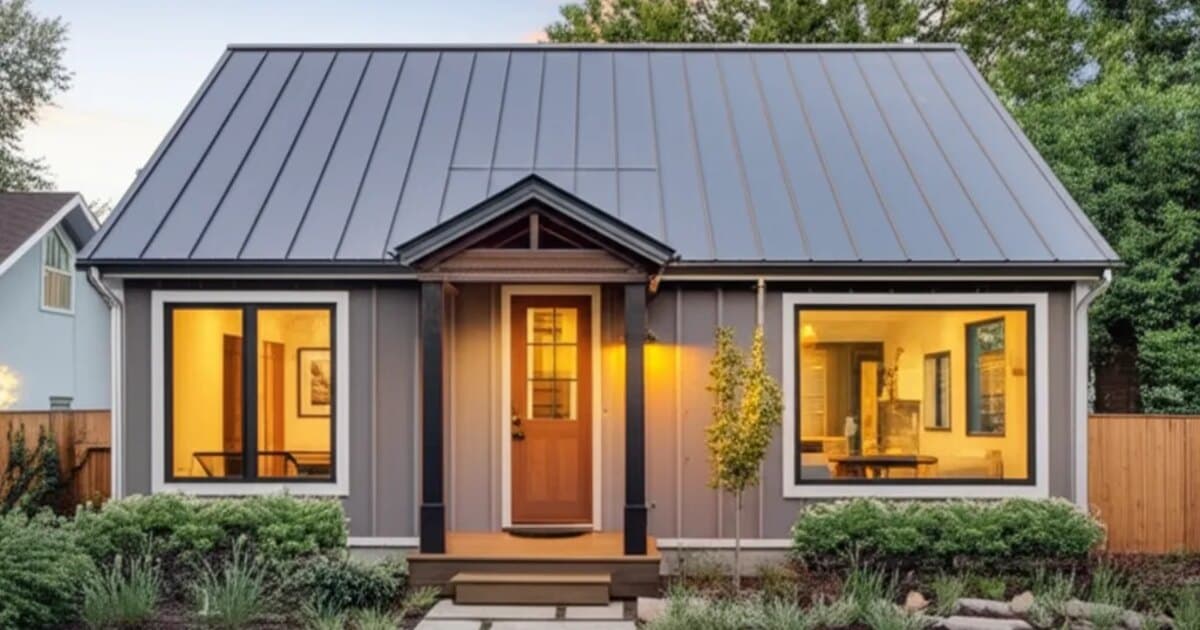
See the expected timeline for ADU construction in Boise, from planning and approvals through construction.
Boise, ID · ADU Construction
Read the full guide below — or get your project priced now. Free, no-obligation estimates from a licensed local crew, backed by a 3-year workmanship warranty.


Typical timelines for actual ADU builder projects we complete in Boise:
The North End's alley-accessed lots frequently feature detached garages at the rear of the property that are underused as vehicle storage and ideally positioned for ADU conversion. These structures — typically 20 by 24 feet or larger — can accommodate a studio or one-bedroom ADU with a full kitchen, bathroom, and private entrance without requiring new foundation construction. The conversion scope includes: structural assessment and reinforcement as needed, insulation of walls and ceiling to meet Idaho Energy Code minimums, HVAC installation (typically a mini-split system for the ADU's independent climate control), kitchen and bathroom installation, window additions for egress and natural light compliance, electrical panel upgrade or subpanel addition, and finish work to a habitability standard appropriate for rental or family use. City of Boise ADU design standards require that detached ADUs match the primary home's architectural character in key ways — siding material, roofline style, window proportion — which the North End's Craftsman aesthetic accommodates beautifully.
Bench ranches on lots larger than the typical 6,000 square feet — lots of 8,500 square feet or larger that are common in certain Bench blocks — have room to add a new detached ADU without eliminating the yard space that makes these properties desirable. A new detached ADU built from a poured concrete foundation provides complete architectural independence from the primary home while generating rental income or family housing on land already owned. Design requirements for new detached ADUs in Boise are more stringent than for garage conversions — foundation depth of 36 inches minimum, energy code compliance for all wall, roof, and window assemblies, full utility connections, and architectural compatibility with the primary dwelling — and the permit and inspection process is more involved. Iron Crest manages the full design-permit-build sequence for new detached ADUs and has a streamlined process for Bench projects that reflects experience with the specific site conditions common in that neighborhood.
West Boise two-story homes with attached two-car garages often have structural capacity for a second-story addition above the garage — an attached ADU configuration that adds living space without requiring lot coverage for a new detached structure. These projects require structural assessment of the existing garage framing, engineered beam and bearing upgrades where needed, stair construction for exterior access (to maintain the ADU's separate entrance requirement), and full finish work to meet Boise's ADU habitability standards. Above-garage ADUs in West Boise are well-suited to in-law suite use because they are connected to the main home's structure while maintaining a private entrance and independent utilities. The above-garage configuration also adds equity value to the property in a way that many lenders are beginning to recognize in appraisals.
North End bungalows on lots where a rear detached structure is not feasible — due to tree root systems, setback constraints, or lot dimensions — can often accommodate an attached ADU addition off the rear of the primary home, with its own private exterior entrance, kitchen, bathroom, and living area. These attached additions require more design creativity than detached structures to maintain the visual integrity of the primary home while providing functional independence for the ADU occupant. In the North End, where Boise's design review standards require architectural compatibility with the neighborhood's historic character, attached ADU additions must be designed with the same care given to any addition in an architecturally sensitive area. Iron Crest's experience with North End design review ensures that attached ADU additions are approved rather than flagged for redesign.
East Boise neighborhoods — foothills-adjacent properties in Harris Ranch, Southeast Boise, and the Boise Bench's eastern extension — increasingly host multigenerational ADU projects where the goal is providing quality independent housing for a family member rather than generating rental income. These ADUs are typically specified to a higher finish quality than market-rate rental units: quartz countertops, tile showers, hardwood or LVP flooring, and quality cabinetry selections that match the standard of the primary home. The scope, timeline, and cost are similar to market-rate ADU construction, but the finish selections and livability features (wider doorways, grab bar blocking, accessible shower configuration) are tailored to the specific family member who will occupy the unit.
Understanding the timeline for adu construction in Boise helps you plan around daily life disruptions, coordinate schedules, and set realistic expectations for when the project will be complete. Every project is different, but most ADU builder projects in Boise follow a predictable sequence of phases.
Confirm the property qualifies for an ADU under current zoning, identify setback and size constraints, and determine utility connection feasibility.
Architectural plans, structural engineering, site plan, and mechanical design. ADU designs must meet full building code requirements.
Plan review, permit issuance, and any required revisions. ADU permitting timelines vary by jurisdiction in the Treasure Valley.
Excavation, utility trenching, foundation pour, and curing. Weather-dependent in Idaho, especially during winter months.
Framing, roof installation, windows, exterior sheathing, electrical, plumbing, HVAC, and insulation. All rough-in inspections are completed.
Drywall, paint, flooring, kitchen, bathroom, fixtures, and all finish details. Final inspections and certificate of occupancy.
Here is the full step-by-step process for a ADU builder in Boise, including what happens at each stage:
We research your property's zoning designation, lot size, setback requirements, maximum ADU size allowed, parking requirements, and any HOA restrictions. Not every lot qualifies for an ADU, so this step is critical before investing in design.
Based on feasibility findings, we develop a concept design including floor plan, placement on the lot, utility connection points, and exterior style. You receive a preliminary budget range to confirm the project is viable.
Detailed architectural plans are prepared including floor plans, elevations, structural engineering, mechanical systems, and site plan. These plans must meet local building codes and will be submitted for permit review.
We submit plans for permit review, coordinate utility connections (water, sewer, electrical, gas), and manage any required inspections or reviews. ADU permitting can take 4-8 weeks depending on the jurisdiction.
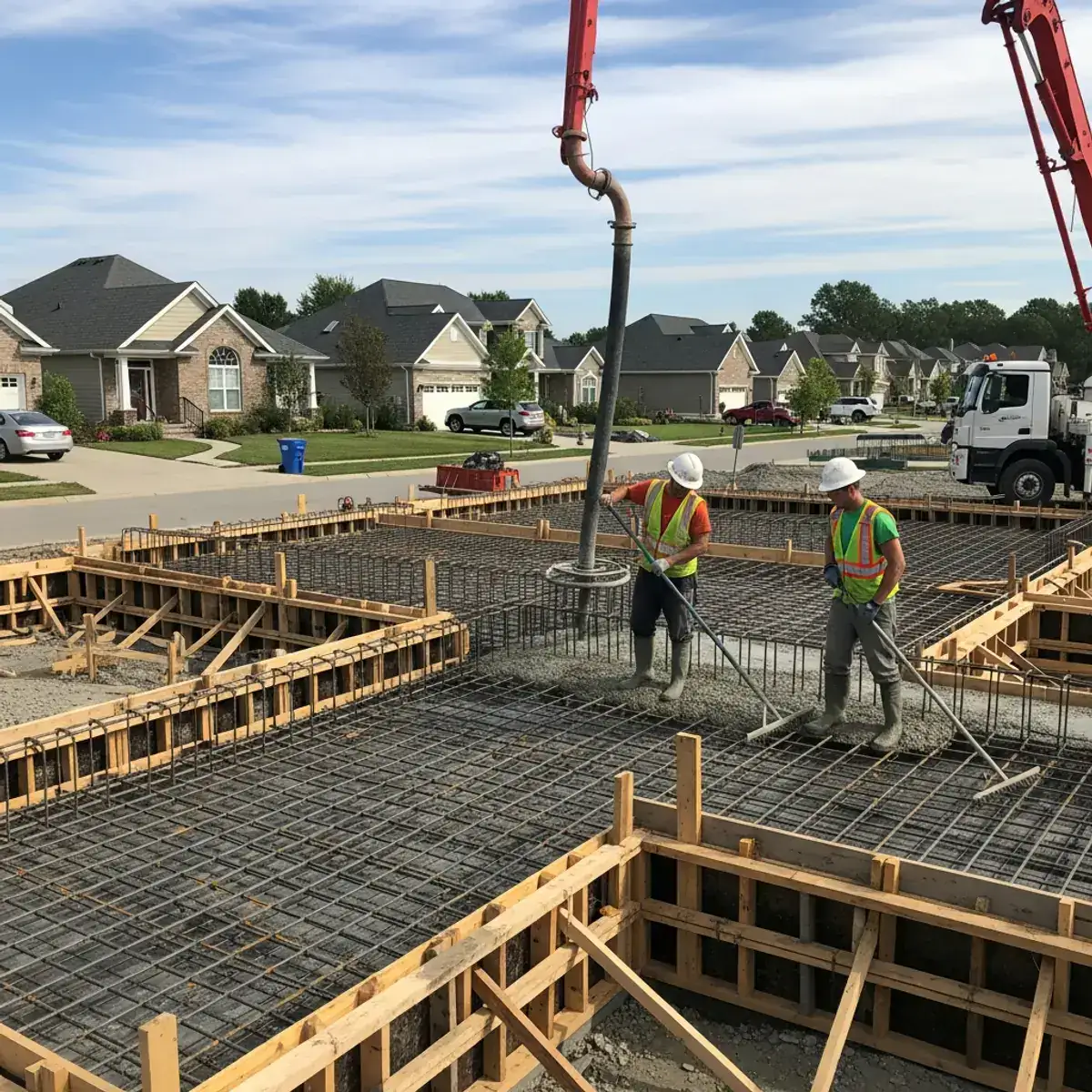
Excavation, grading, utility trenching, and foundation work. For detached ADUs, this typically means a new concrete foundation. Garage conversions may require foundation modifications.
Complete construction including framing, roofing, siding, windows, insulation, drywall, flooring, kitchen, bathroom, HVAC, electrical, plumbing, and all finish work. The ADU is built to the same code standards as a primary residence.
All required inspections are passed, the certificate of occupancy is issued, and the ADU is ready for use. We provide a complete walkthrough and all warranty documentation.
Several factors specific to Boise and the Treasure Valley can affect your ADU builder timeline:
Custom materials, specialty items, and premium products can have lead times of 4-14 weeks. We order materials as early as possible in the design phase to minimize schedule impact.
City of Boise Planning and Development Services typically processes residential permits in 1-3 weeks. More complex projects with structural changes may take longer. We submit permits immediately after design approval.
Boise has a semi-arid, four-season climate with hot, dry summers (90-105°F), cold winters (15-35°F), and low annual precipitation. This climate directly affects material choices, construction scheduling, and long-term durability of remodeling work. Interior remodeling can happen year-round, but projects with exterior components are best scheduled during the building season (March through November).
Boise has over a century of residential construction, from 1900s Craftsman homes in the North End to 2020s new construction in West Boise and Southeast Boise. This diversity means remodeling contractors encounter a wide range of structural systems, plumbing types, electrical standards, and finish materials. Older homes may reveal unexpected conditions during demolition — water damage, outdated wiring, or structural issues — that add time to the schedule. We build contingency into every project timeline.
One of the most common causes of project delays is slow decision-making during the design and material selection phase. Having a clear vision and making timely selections keeps the project on track.
The specific type of ADU builder project affects the timeline significantly. Here are the most common project types in Boise:

A standalone structure built on your property — typically 400-1,000 square feet with a bedroom, bathroom, kitchen, and living area. This is the most popular ADU type and offers the most design flexibility.

Convert an existing attached or detached garage into a living space. Includes insulation, drywall, flooring, plumbing, electrical, HVAC, kitchen, and bathroom installation within the existing structure.

Build an ADU that shares one or more walls with the main home but has its own entrance, kitchen, bathroom, and living space. Similar to a home addition but designed as an independent unit.

Convert an existing basement into a separate dwelling unit with its own entrance, kitchen, bathroom, and living area. Requires egress windows, fire separation, and independent utility metering in most jurisdictions.
As Idaho's capital and largest city, Boise has a residential landscape that spans from early 1900s Craftsman bungalows in the North End to modern custom homes in the Southeast Boise foothills. The city's rapid growth over the past decade has increased property values substantially, making home remodeling an increasingly smart investment. Boise homeowners remodel for a mix of reasons: updating outdated finishes in 1980s and 1990s homes, expanding square footage for growing families, improving energy efficiency in older homes, and increasing property value in a competitive market. The city's four-season climate, with hot dry summers and cold winters, creates specific material and design considerations for both interior and exterior projects. Boise's building department is well-organized and responsive, but permit requirements are thorough — especially for structural work, plumbing changes, and ADU construction. The North End Historic District has additional design review requirements for exterior modifications.
Boise has over a century of residential construction, from 1900s Craftsman homes in the North End to 2020s new construction in West Boise and Southeast Boise. This diversity means remodeling contractors encounter a wide range of structural systems, plumbing types, electrical standards, and finish materials.
Craftsman bungalows, Tudor revivals, and foursquare homes with plaster walls, old-growth fir floors, knob-and-tube wiring (in some), galvanized plumbing, and brick or stone foundations. Remodeling these homes requires sensitivity to historic character while updating systems.
Post-war ranch homes and split-levels with hardwood floors, original tile bathrooms, copper plumbing, and 100-amp electrical panels. These homes often need kitchen and bathroom updates, electrical upgrades, and insulation improvements.
Subdivision homes with drywall, builder-grade cabinets, laminate countertops, carpet throughout, and basic builder fixtures. Most plumbing is copper or early PEX. These are the most common candidates for kitchen and bathroom remodels.
Modern construction with PEX plumbing, 200-amp panels, energy-efficient windows, and open floor plans. Remodeling in these homes typically focuses on upgrading builder-grade finishes rather than updating systems.

Boise has a semi-arid, four-season climate with hot, dry summers (90-105°F), cold winters (15-35°F), and low annual precipitation. This climate directly affects material choices, construction scheduling, and long-term durability of remodeling work.
Exterior materials must handle dramatic temperature swings. Windows need strong thermal performance. Interior comfort depends on insulation quality and HVAC sizing.
Wood materials can dry, shrink, and crack. Hardwood floors may develop gaps in winter. Bathroom ventilation is still critical because bathrooms create localized high-humidity environments.
Exterior tile, concrete, and masonry must handle freezing and thawing without cracking. Foundation work has specific frost-depth requirements in the Boise area.
Exterior paint, siding, and stain fade faster under constant UV. South-facing and west-facing surfaces require UV-resistant materials and more frequent maintenance.
Foundation and exterior work is best scheduled March through November. Interior remodeling can happen year-round. Winter concrete pours require special cold-weather precautions.
Permit authority: City of Boise Planning and Development Services
Yes. ADU projects require building permits, plan review, and multiple inspections. In most Boise-area jurisdictions, ADUs also require zoning compliance review to confirm lot size, setbacks, and parking requirements are met. We handle the entire permitting process.
A detached new-construction ADU typically costs $120,000-200,000+ in the Boise area, depending on size, finish level, and site conditions. A garage conversion is typically $80,000-150,000. Costs include design, engineering, permitting, construction, and utility connections.
From start of design to move-in, a typical ADU project takes 6 to 12 months. This includes design (4-8 weeks), permitting (4-8 weeks), and construction (3-5 months). Garage conversions are faster; detached new construction takes longer.
In most Boise-area jurisdictions, yes. ADUs can be rented as long-term rentals. Short-term rental rules (Airbnb, VRBO) vary by city and may have additional restrictions. Check local regulations before planning a short-term rental strategy.
A well-built one-bedroom ADU in the Boise area can generate $800-1,500+ per month in rental income, depending on location, size, finish level, and market conditions. This income can offset or exceed the monthly cost of financing the ADU construction.
Maximum ADU size varies by jurisdiction. In Boise, detached ADUs can be up to 1,000 square feet or 10% of the lot area, whichever is less. Other cities in the Treasure Valley have different size limits. We confirm the specific rules for your property during the feasibility phase.
Owner-occupancy requirements vary by jurisdiction. Some cities require the property owner to live in either the primary home or the ADU. Others have relaxed or eliminated owner-occupancy requirements. We confirm the rules for your specific location.
Yes. A permitted, well-constructed ADU typically adds $100,000-200,000+ to property value in the Boise area — often more than the construction cost. ADUs also make a property more attractive to buyers who value rental income potential or multigenerational living flexibility.
Get expert guidance and a free estimate for your adu construction project in Boise, ID.
Get Your Free Estimate