Deck Builder Design Ideas for Meridian
Get inspired with deck building design ideas tailored to Meridian homes, from trending styles to practical layout considerations.
Quick answer
Meridian decks face a specific combination of challenges that distinguish them from deck projects in other Treasure Valley cities. The semi-arid climate — intense UV, low humidity, dramatic temperature swings — is harder on outdoor building materials than the more temperate climate of the Pacific Northwest.
Meridian, ID · Deck Builder
Planning deck building in Meridian?
Read the full guide below — or get your project priced now. Free, no-obligation estimates from an Idaho registered local team, backed by a 1-year workmanship warranty.
- Licensed Idaho RCE-6681702
- 1-Year Workmanship Warranty
- $2M Liability Coverage
- Free, No-Obligation Estimates


Meridian decks face a specific combination of challenges that distinguish them from deck projects in other Treasure Valley cities. The semi-arid climate — intense UV, low humidity, dramatic temperature swings — is harder on outdoor building materials than the more temperate climate of the Pacific Northwest. Materials that perform adequately in Seattle or Portland fail faster in Meridian. The HOA overlay in Meridian is also more pervasive than in Boise's established neighborhoods, where HOAs are the exception rather than the rule. The majority of Meridian's housing stock is in subdivisions with active HOAs — meaning virtually every deck project in Meridian has an HOA component in addition to the building permit. Contractors who don't understand the HOA landscape in specific Meridian subdivisions create delays and compliance issues for their clients. Meridian's younger housing stock (predominantly post-1990) also means that when a deck needs replacement, the structural connection to the home is the most critical factor — and one that requires careful inspection rather than assumptions. A home built in 2003 with an original PT deck is now 20+ years old, and the ledger connection is the highest-risk element.
South Meridian
South Meridian's newer subdivisions (2005–present) have a specific deck profile: many homes were sold with a basic concrete patio pad, and homeowners are now adding decks to create the outdoor living spaces they want. HOA design review is active in virtually every South Meridian subdivision, with specific requirements that vary by community. Movado Estates and Bellingham Park have detailed architectural guidelines covering deck materials, railing types, pergola heights, and colors. Submitting to HOA design review before signing a contractor contract is essential — each association sets its own review window, and we confirm it before committing to a start date. New deck additions in South Meridian's newer homes require special attention to the ledger connection. These homes have OSB sheathing and housewrap systems that require specific flashing details (metal flashing with sealant, not just housewrap alone) per IRC Section R507. Iron Crest uses a ledger flashing detail that exceeds code minimums because the penalty for improper flashing — rim joist rot — is expensive and slow to manifest. South Meridian's lots tend to be smaller (typically 6,000–8,500 sq ft) with setback requirements that constrain deck footprints. Rear and side setbacks vary by parcel and zoning district, and on a small lot they can consume much of the yard depth behind the home. Requirements vary by parcel, zoning district, and project configuration; we verify the applicable requirements during project planning, and maximizing the remaining space requires careful design.
North Meridian
North Meridian's 1990s–2000s housing stock is where the most deck replacement work is concentrated in Meridian today. Original PT decks from this era are aging out rapidly — 20-year-old pressure-treated lumber in Idaho's climate is past its prime in most cases. These replacement projects require careful structural assessment before any construction begins. The ledger connection is the most critical inspection point in North Meridian deck replacements. 1990s-era ledger flashing details were often inadequate by today's standards, and 20+ years of water infiltration can create rim joist rot that isn't visible until the old deck is removed. Iron Crest includes a structural assessment of the ledger and rim joist condition in every North Meridian deck replacement quote — we won't start surface installation until we've verified the structural connection is sound. Lot sizes in North Meridian tend to be larger than South Meridian (often 8,000–12,000 sq ft), giving more flexibility for expanded deck designs. Many North Meridian homeowners who are replacing a small original deck take the opportunity to expand the footprint significantly — adding a covered area, hot tub section, or multi-level design that wasn't part of the original build. These expanded projects still require permits and HOA review where applicable, but the larger lots give more room to work.
Paramount / Lochsa Falls
Paramount and Lochsa Falls are where Meridian's premium deck projects happen. Homeowners in these master-planned communities expect materials and design that match the quality of their homes — which means composite decking from Trex Transcend or TimberTech Azek, aluminum railing with cable or glass infill, integrated LED lighting, and often outdoor kitchen elements. Both communities have active HOAs with detailed architectural guidelines. Paramount's design review process requires material samples and design drawings for deck projects — not just a description. Iron Crest prepares complete submittal packages including material samples, dimensioned plan drawings, and elevation sketches to support HOA review. This level of documentation typically results in faster approvals and fewer revision requests. Paramount and Lochsa Falls homes tend to have larger rear yard exposures and are often designed with specific outdoor living in mind — covered patio foundations, gas stub-outs for outdoor kitchens, and electrical conduit for future outdoor lighting are common in these homes. Building on this infrastructure makes deck and outdoor living projects here more efficient. The premium investment in deck materials and design fits these neighbourhoods because the rest of the house is built to that standard; a builder-grade deck on a Paramount home reads as the odd element.

The design phase is where your deck building goes from a general idea to a specific plan. Good design balances aesthetics, functionality, budget, and the unique characteristics of your home and neighborhood in Meridian. Here are the most popular design approaches and trends we see in Meridian and the surrounding Treasure Valley.
Meridian homeowners tend to favor designs that blend modern functionality with the regional character of Idaho homes. Here are the most requested design elements:
These design factors are specific to deck building projects and affect both the look and function of the finished space:
Deck orientation — consider sun exposure patterns; west-facing decks get intense afternoon sun in Boise summers, while east-facing decks offer shaded evening outdoor dining
Access and flow — plan deck access from interior rooms (kitchen, living room, or primary bedroom) for natural indoor-outdoor flow
Board direction and pattern — deck boards can run parallel to the house, perpendicular, or in diagonal or herringbone patterns to create visual interest
Privacy screening — consider the sightlines from neighboring properties and plan privacy screens, lattice panels, or plantings as needed
Lighting plan — integrated LED deck lighting in posts, stair risers, and railings extends usability into the evening and adds safety
Shade strategy — pergolas, sail shades, or covered roof extensions provide relief from Boise's summer sun while maintaining an open feel
The materials and finishes you choose bring your design to life. Here are the options most commonly selected for deck building projects in Meridian:
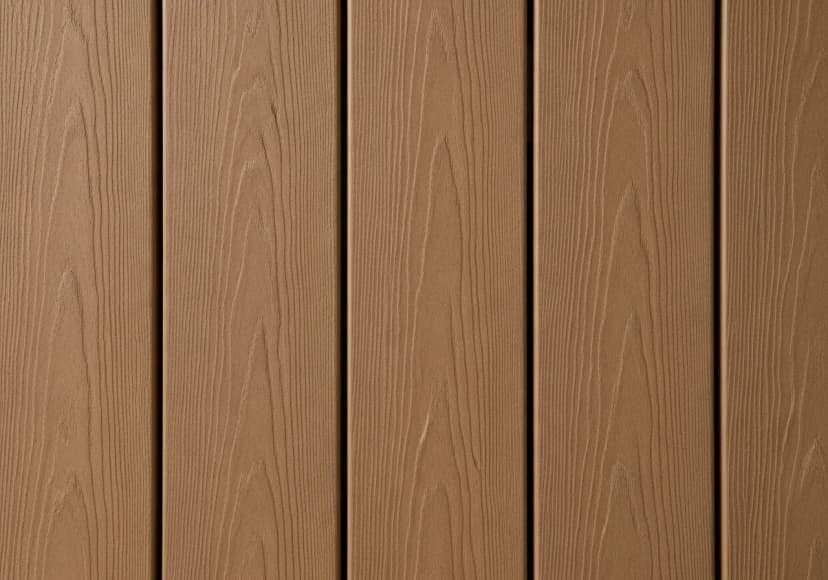
Trex Composite Decking
$8–$16 per sq ft (material only)Homeowners who want a low-maintenance, long-lasting deck surface with consistent color
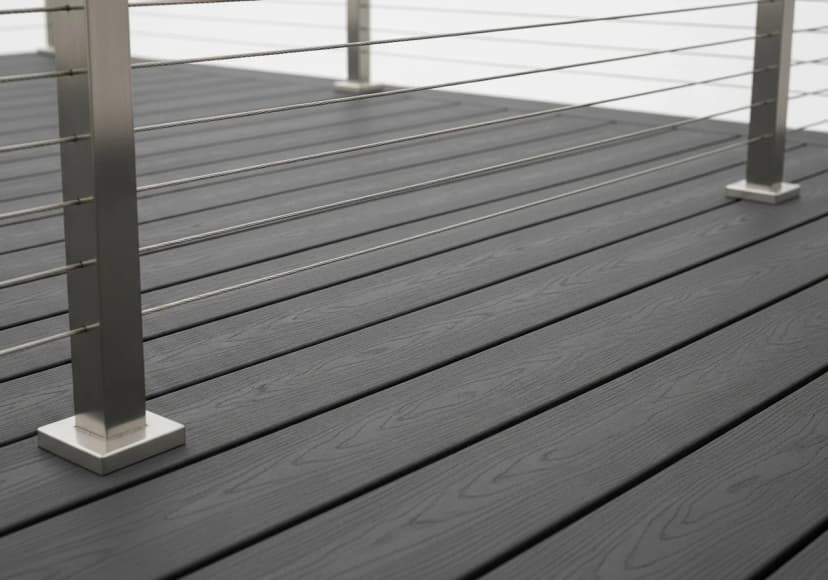
TimberTech / AZEK Composite Decking
$10–$22 per sq ft (material only)Premium projects where appearance, longevity, and warranty are top priorities
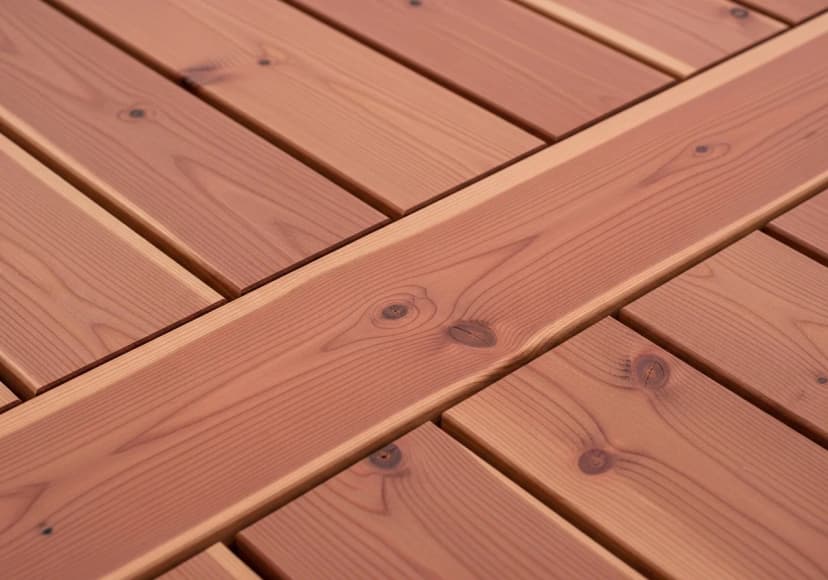
Cedar Decking
$6–$12 per sq ft (material only)Homeowners who prefer natural wood appearance and are willing to maintain it
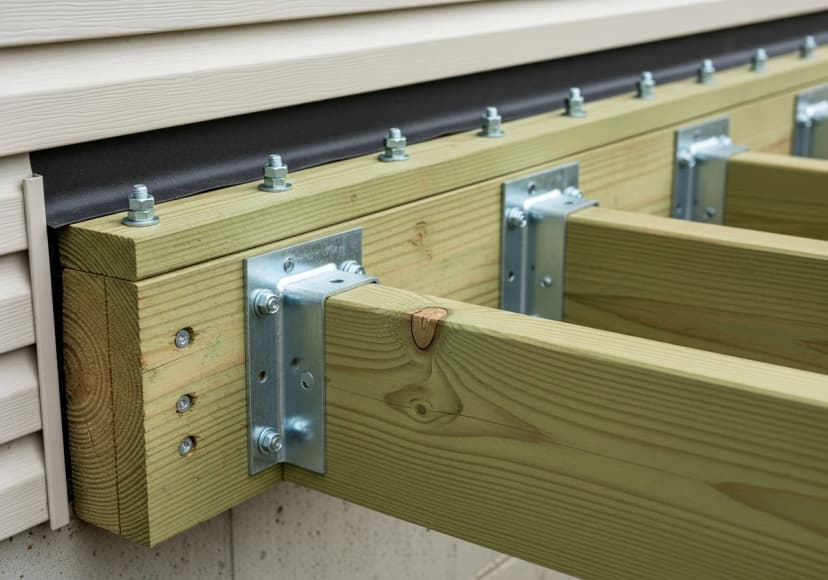
Pressure-Treated Lumber (Framing and Economy Decking)
$3–$6 per sq ft (material only)Deck framing, budget-conscious projects, and utility decks
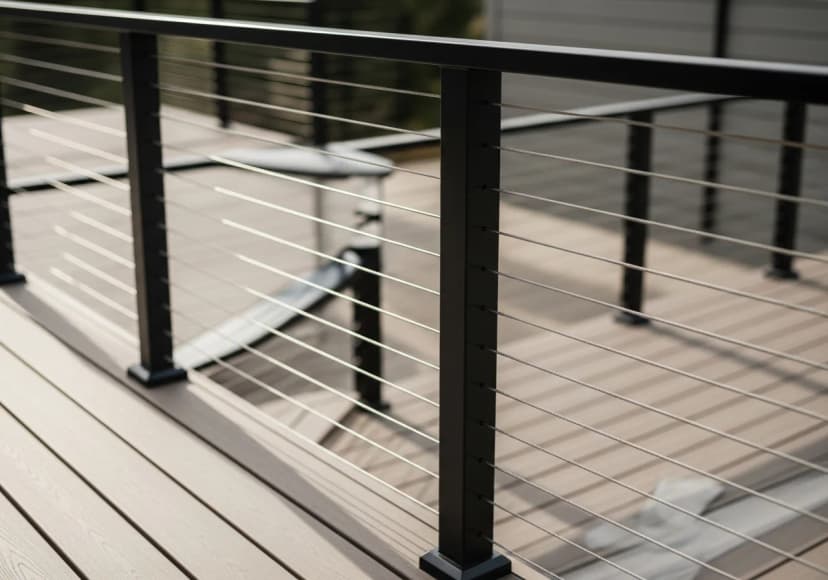
Aluminum or Composite Railing Systems
$30–$80 per linear foot installedAll deck railing applications — especially with composite decking for a unified low-maintenance design
Learning from others' mistakes saves time and money. Here are the most common deck building design pitfalls we see in Meridian:
Existing deck is structurally unsafe with deteriorated framing
We perform a structural assessment, remove the unsafe deck, inspect the ledger connection and house framing, and build a new code-compliant deck from the footings up.
Deck boards are warped, splintered, or graying from weather exposure
For decks with sound framing, we can replace the decking surface and railing with composite materials that resist weathering, fading, and splintering — providing decades of low-maintenance use.
Inadequate footings that shift or settle over time
We excavate new footings below the frost line (24 inches in Boise), pour concrete to proper specifications, and install code-compliant post brackets to prevent settling and movement.
Water intrusion at the ledger board connection
Improper ledger flashing is the leading cause of water damage where decks attach to homes. We install code-required flashing and use approved fastener patterns to create a waterproof connection.
Deck does not meet current building code requirements
We bring the deck up to current code standards including railing height, baluster spacing, stair rise and run, structural connections, and footing depth — often required when replacing or significantly modifying an existing deck.
For deck building projects in Meridian, you have two main approaches to the design process: hiring a separate interior designer then a contractor, or working with a design-build firm that handles both under one roof.
Design-build (our approach)
- ✓ Single point of contact
- ✓ Design informed by real construction costs
- ✓ Faster project delivery
- ✓ Budget aligned from day one
Separate designer + contractor
- ● More specialized design expertise
- ● Independent design perspective
- ● Requires coordination between parties
- ● Can result in budget surprises
Local factors — Meridian's housing stock and typical construction eras, the climate conditions that drive material and scheduling choices, and permitting through City of Meridian Building Department — are covered in full on our Meridian page for this service, alongside 5 common project types.
Deck Builder in Meridian: housing stock, climate & permits →Do I need a permit to build a deck in Boise?
Yes. Most deck construction in Ada County and Canyon County requires a building permit with structural plans. The permit ensures footings, framing, railings, and stairs meet current building code requirements for safety and structural integrity.
Can you add a pergola or cover to my deck?
Yes. We design and build pergolas, shade structures, and covered deck extensions. These features are especially popular in Boise for protection from the intense summer sun and can extend your outdoor living season by weeks in spring and fall.
Planning deck building in Meridian?
Get expert guidance and a free estimate for your deck builder project in Meridian, ID.
Get Your Free Estimate