
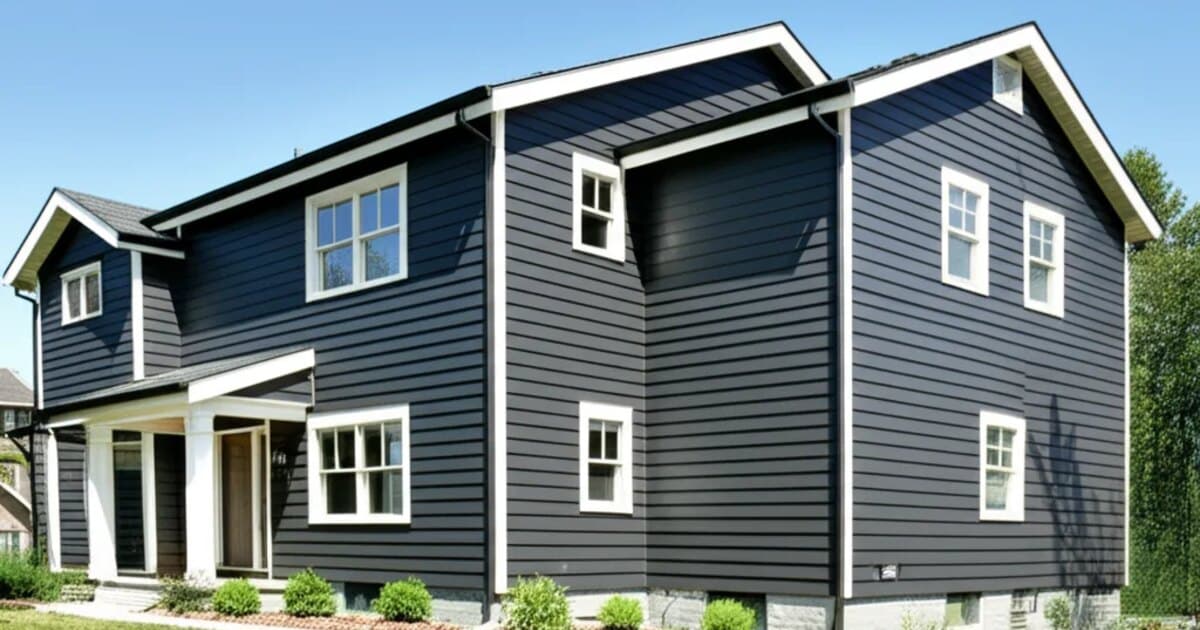
Siding Installation Design Ideas for Boise
Get inspired with siding installation design ideas tailored to Boise homes, from trending styles to practical layout considerations.
Quick answer
Boise's siding environment is materially different from other Treasure Valley cities in several ways that drive both product selection and installation approach. Nampa and Caldwell, to the west, share the freeze-thaw cycle but sit at lower elevation and have marginally less UV intensity.
Boise, ID · Siding Installation
Planning siding installation in Boise?
Read the full guide below — or get your project priced now. Free, no-obligation estimates from an Idaho registered local team, backed by a 1-year workmanship warranty.
- Licensed Idaho RCE-6681702
- 1-Year Workmanship Warranty
- $2M Liability Coverage
- Free, No-Obligation Estimates


Boise's siding environment is materially different from other Treasure Valley cities in several ways that drive both product selection and installation approach. Nampa and Caldwell, to the west, share the freeze-thaw cycle but sit at lower elevation and have marginally less UV intensity. Eagle and Meridian have similar climates to Boise but newer housing stock that reduces the frequency of substrate remediation work. Boise is unique in having a substantial inventory of pre-1960 homes — primarily in the North End, Bench, and downtown-adjacent neighborhoods — that combines historic architectural value with aging substrates and original siding systems that have reached the end of their service lives. The North End historic district is the most distinctive element of Boise's siding market. No other Treasure Valley city has a comparable concentration of architecturally significant pre-war homes where siding selection and profile detailing must balance modern performance requirements against historical character preservation. This demands a level of product knowledge and installation craftsmanship — specifically in reproducing original trim profiles in fiber cement and integrating modern flashing details into hundred-year-old framing systems — that distinguishes experienced Boise siding contractors from those primarily practiced in suburban production work. Boise's dry, cloudless summers are also harder on painted surfaces than the maritime and Midwest climates many new arrivals come from, so repaint intervals and product-life expectations imported from those markets do not transfer cleanly to this one.
North End
The North End is Boise's most architecturally distinctive residential neighborhood, and it demands the most thoughtful siding approach of any area in the city. Homes here were built predominantly between 1900 and 1945, with Craftsman bungalows, Foursquares, and early Tudor Revival cottages lining tree-canopied streets between Hill Road and State Street. The architectural character of this neighborhood is defined by its original millwork detailing: wide corner boards, deep frieze bands, decorative rafter tails, porch column detailing, and lap siding profiles with specific exposure widths that varied by decade of construction. When we approach a North End siding project, the first step is always documentation. We photograph and measure the original siding profile, corner board dimensions, frieze board height, and trim configurations before any removal begins. This allows us to specify James Hardie products — particularly HardiePlank, HardieTrim, and HardiePanel — in dimensions that closely replicate the original wood details. The goal is a finished home that reads as period-appropriate from the sidewalk while delivering 21st-century moisture protection and a warranty that the original wood never offered. North End homes also present unique substrate challenges. Many have been resided once or twice already — original wood lap siding covered by a 1970s or 1980s layer of vinyl or aluminum siding. When we remove those later layers, we frequently expose the original fir or cedar lap siding in varying states of preservation, and behind it, original board sheathing (rather than modern plywood) that requires careful inspection. Soft spots, rot pockets around windows and at the base course, and compromised original window flashing are common discoveries that add remediation scope. We build this inspection phase into every North End project estimate and provide written documentation of any substrate conditions requiring repair before the new siding installation begins. The mature tree canopy of the North End also creates specific exposure conditions. North-facing walls under tree cover can develop moss and lichen more readily than in open suburban settings, making the anti-organic properties of fiber cement particularly valuable. Overhanging branches can also create abrasion on upper courses — a detail we address during installation by ensuring adequate clearance and recommending periodic tree trimming as part of the maintenance conversation.
Boise Bench
The Boise Bench occupies the elevated plateau south of downtown and north of the Boise Airport, containing a mix of housing built from the 1930s through the 1970s. Bench homes are workhorses — unpretentious in their architecture but significant in their aggregate contribution to Boise's housing stock and increasingly valuable as the city's urban core has gentrified. Ranch-style homes on generous lots, modest Cape Cods, and small-footprint bungalows define the streetscape, and siding conditions on the Bench reflect the full range of deferred maintenance that accumulates over 50 to 80 years of ownership transitions. The most common Bench scenario we encounter is the 1990s vinyl re-side that has run its course. When original wood siding was covered in vinyl 25–35 years ago, the wood underneath was often left in place as a substrate. That wood — already aged at the time of the vinyl installation — has continued to absorb moisture through any gaps in the vinyl installation, and by now frequently has soft spots and rot that must be addressed before any new siding goes on. We remove the vinyl, inspect and remediate the wood substrate, and in most cases apply a new layer of housewrap directly over the original wood (if it is structurally sound) before installing the new siding. This approach allows us to preserve the original plaster wall system inside without disturbing it, which matters on older Bench homes where the alternative — opening the walls — would require significant interior repair. Bench homes also tend to have lower soffits and tighter clearances between the bottom course of siding and the concrete foundation or patio slabs that were added over the decades. Proper clearance between the bottom siding course and grade (minimum 6 inches per fiber cement installation standards) sometimes requires creative solutions on homes where patios and walkways were poured directly against the house. We address this in the design phase of every project rather than discovering it mid-installation. From a color and style standpoint, Bench homeowners increasingly use siding replacement as an opportunity to modernize their homes' exteriors. The Ranch-style bones of most Bench homes respond well to contemporary horizontal lap profiles in darker palettes — Iron Gray, Aged Pewter, and Boothbay Blue from the Hardie ColorPlus line are consistent sellers in this neighborhood — and the addition of board-and-batten gable accents can transform a flat-roofed Ranch into something with real visual interest.
West Boise
West Boise encompasses a broad range of subdivision development from the 1970s through the 2010s, primarily west of Cole Road and extending toward the Meridian city limit. The defining characteristic of West Boise's housing stock from a siding perspective is the prevalence of builder-grade materials applied during the development boom years — specifically the large subdivisions developed in the 1990s and 2000s that used thin vinyl lap siding, T1-11 plywood on gable ends, and minimal exterior trim detailing as standard practice. These homes are now 15–30 years old, and the siding is approaching or at the end of its useful life in many cases. The West Boise siding market has also been shaped by hail. Boise's geographic position on the edge of the Snake River Plain means it sits in the path of spring and early-summer convective weather systems that occasionally produce hail significant enough to crack vinyl siding and dent metal trim. Several West Boise neighborhoods experienced notable hail events in recent years, and the resulting wave of insurance claims — and the contractor activity that followed — has made West Boise homeowners more aware of their siding's vulnerability than homeowners in other parts of the city. When we work in West Boise, we frequently encounter the upgrade-at-insurance-claim scenario: the insurance payout covers the replacement of damaged vinyl with equivalent vinyl, but the homeowner uses the event as an opportunity to upgrade to fiber cement or LP SmartSide at their own cost delta. That is often a sound decision in West Boise, where the original construction was modest and the exterior is doing most of the work on first impressions. A West Boise home with a fresh fiber cement installation in a current colour palette photographs better than its vinyl-clad neighbours. West Boise projects also tend to move more efficiently than North End or Bench projects because the homes are newer, the substrates are in better condition, and the architectural profiles are simpler. This makes West Boise siding projects some of the better value propositions in our service area — significant aesthetic and protective improvement at a relatively predictable cost.
SE Boise / Harris Ranch
Southeast Boise and the Harris Ranch development represent Boise's most dynamic growth corridor of the 2000s and 2010s, with custom and semi-custom homes on larger lots along the Boise Foothills and in the planned community east of Warm Springs Avenue. Harris Ranch in particular attracts a buyer profile that expects elevated finish quality, and the siding decisions made at initial construction — or made now on homes entering their second decade — reflect that expectation. Harris Ranch homes were built with more variation and generally higher specification than the tract-built West Boise subdivisions, but the original builder-grade choices still apply. Fiber cement was the default product for many Harris Ranch builders, but installation quality varied — some of the early installations show joint sealant failures, inadequate caulking at windows and trim transitions, and paint system issues that required attention long before the substrate failed. We see a meaningful number of Harris Ranch projects that are not full siding replacements but rather comprehensive repair and repaint scopes: replacing failed joints, re-caulking all penetrations, repairing damaged trim boards, and applying a fresh paint system over the existing fiber cement. For Harris Ranch homeowners undertaking full replacements or new construction style-outs, the mixed-material exterior is the dominant design direction. Horizontal lap siding on the main body combined with board-and-batten panels on gable ends, accent walls, or garage facades creates the visual depth that distinguishes Harris Ranch homes from more generic suburban production. James Hardie's full product ecosystem — HardiePlank, HardiePanel, and HardieTrim in coordinating profiles and colors — makes single-manufacturer mixed-material installations straightforward and warranty-clean. SE Boise homes on south and west-facing hillside lots also have an above-average UV exposure profile given their elevation and aspect. ColorPlus factory finishes are essentially mandatory on these elevations — the baked-on finish system holds color noticeably longer than field-painted fiber cement on the most exposed walls, and in a neighborhood where exterior appearance is a significant driver of property value, that longevity matters.

The design phase is where your siding installation goes from a general idea to a specific plan. Good design balances aesthetics, functionality, budget, and the unique characteristics of your home and neighborhood in Boise. Here are the most popular design approaches and trends we see in Boise and the surrounding Treasure Valley.
Boise homeowners tend to favor designs that blend modern functionality with the regional character of Idaho homes. Here are the most requested design elements:
These design factors are specific to siding installation projects and affect both the look and function of the finished space:
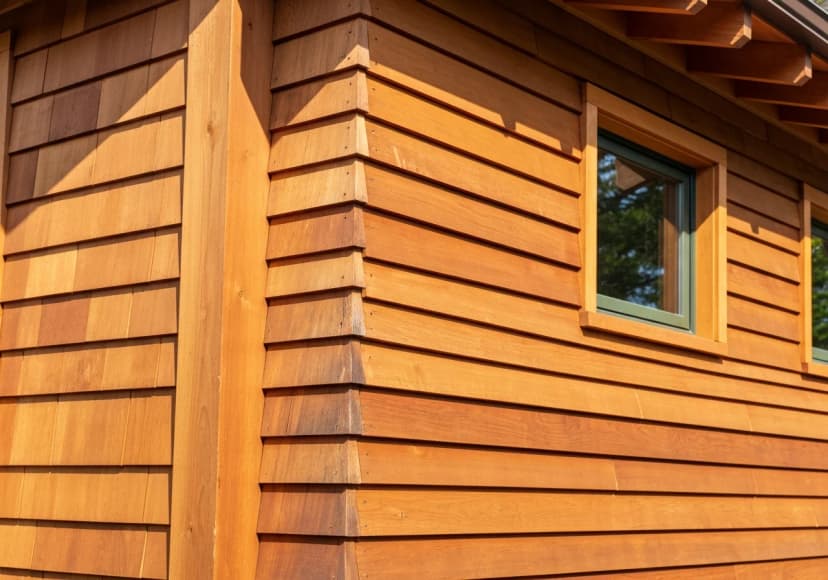
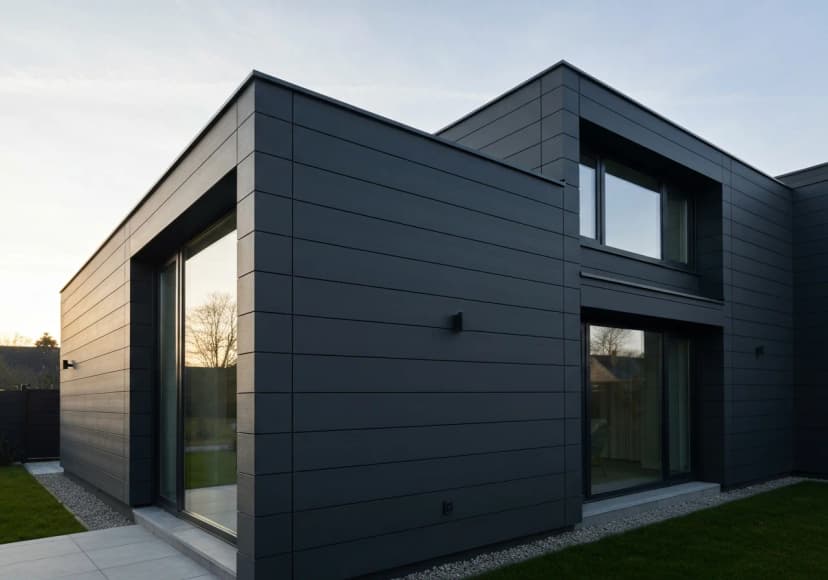
Siding profile selection — lap (horizontal), board-and-batten (vertical), shake (shingle-style), and panel each create a different architectural character
Mixed materials — combining two siding profiles (e.g., lap siding on main walls with board-and-batten on gable accents) adds visual depth and architectural interest
Color coordination — choose siding color to complement your roof, stone or brick elements, and front door; test large samples on the house in natural light
Trim proportions — wider trim boards around windows and doors create a more substantial, custom look; standard narrow trim is more economical but less distinctive
Reveal and exposure — the amount of siding visible between horizontal rows (the reveal or exposure) affects shadow lines and overall appearance
Regional style — Boise neighborhoods range from modern farmhouse to craftsman to contemporary; your siding choice should complement your home's architecture and neighborhood context
The materials and finishes you choose bring your design to life. Here are the options most commonly selected for siding installation projects in Boise:
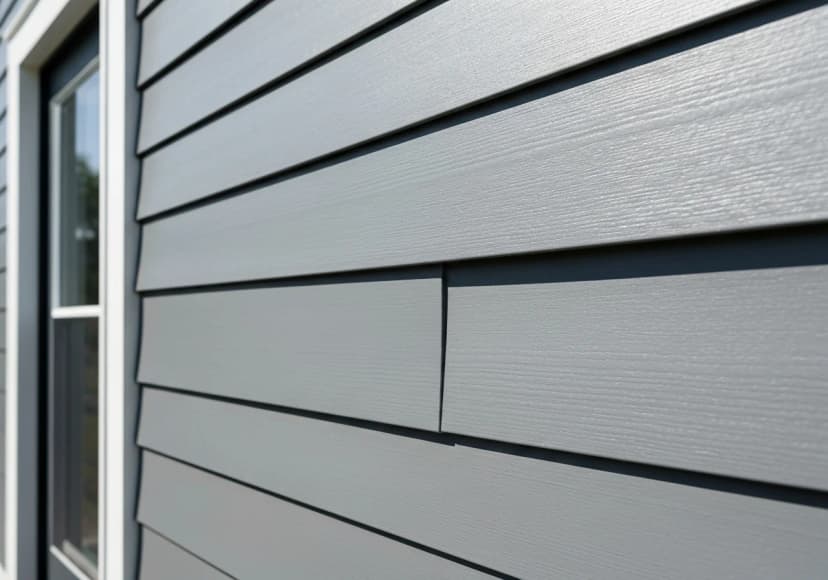
James Hardie HardiePlank Lap Siding
$10–$16 per sq ft installedHomeowners who want maximum durability, fire resistance, and long-term value
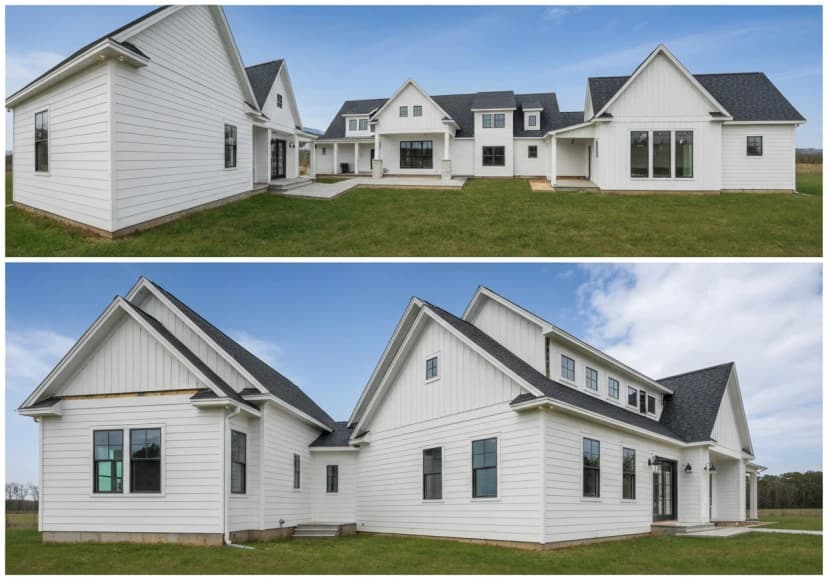
LP SmartSide Engineered Wood Siding
$8–$13 per sq ft installedHomeowners who want wood-grain appearance with engineered durability and lower cost than fiber cement
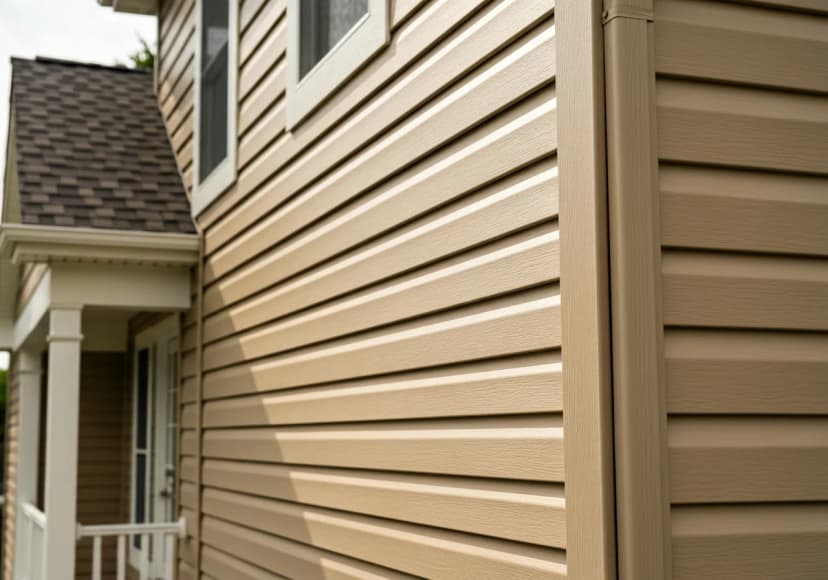
Vinyl Siding
$5–$10 per sq ft installedBudget-conscious projects, rental properties, and homeowners who want zero exterior painting maintenance
Weather-Resistive Barrier (House Wrap)
$0.50–$1.50 per sq ft installedRequired component beneath all siding installations for moisture and air management
PVC or Fiber Cement Trim
$4–$10 per linear foot installedAll exterior trim applications — especially in areas prone to moisture exposure
Learning from others' mistakes saves time and money. Here are the most common siding installation design pitfalls we see in Boise:
Moisture intrusion behind siding causing rot and mold
We remove old siding, repair damaged sheathing and framing, install a proper weather-resistive barrier with correct lapping and sealing, and flash all openings to create a watertight exterior shell.
Fading, warping, or cracking in old vinyl or wood siding
We replace failed siding with modern materials rated for Idaho's UV and temperature extremes. Fiber cement and engineered wood hold their color and shape far longer than older vinyl or untreated wood.
Gaps and failed caulking allowing air and water infiltration
We install siding with manufacturer-specified gapping, use backer rod and premium caulk at all joints and penetrations, and ensure every seam and transition is properly sealed.
Woodpecker damage or pest intrusion in wood or foam-backed siding
We replace damaged sections and install fiber cement or other pest-resistant materials. James Hardie siding is immune to woodpecker damage, termites, and rot.
No weather barrier or inadequate flashing under existing siding
Many older Treasure Valley homes have siding installed directly over sheathing without house wrap or proper flashing. Our complete re-side includes a full weather barrier and flashing system as a standard component.
For siding installation projects in Boise, you have two main approaches to the design process: hiring a separate interior designer then a contractor, or working with a design-build firm that handles both under one roof.
Design-build (our approach)
- ✓ Single point of contact
- ✓ Design informed by real construction costs
- ✓ Faster project delivery
- ✓ Budget aligned from day one
Separate designer + contractor
- ● More specialized design expertise
- ● Independent design perspective
- ● Requires coordination between parties
- ● Can result in budget surprises
Local factors — Boise's housing stock and typical construction eras, the climate conditions that drive material and scheduling choices, and permitting through City of Boise Planning and Development Services — are covered in full on our Boise page for this service, alongside 5 common project types.
Siding Installation in Boise: housing stock, climate & permits →Does siding replacement require a permit?
In most Treasure Valley jurisdictions, full siding replacement requires a building permit — especially if the project involves sheathing repair or weather barrier installation. We handle all permit applications and inspections.
Does new siding improve energy efficiency?
Yes. Removing old siding and installing a proper weather barrier and new siding reduces air infiltration. Adding rigid foam insulation behind the siding further improves R-value and energy efficiency — especially valuable in Boise's hot summers and cold winters.
Does the North End have special remodeling rules?
Yes. The North End Historic District has additional design review requirements for exterior modifications. Interior work is not affected, but changes to the exterior appearance — siding, windows, roofing, and additions — may require Historic Preservation Commission review.
Planning siding installation in Boise?
Get expert guidance and a free estimate for your siding installation project in Boise, ID.
Get Your Free Estimate