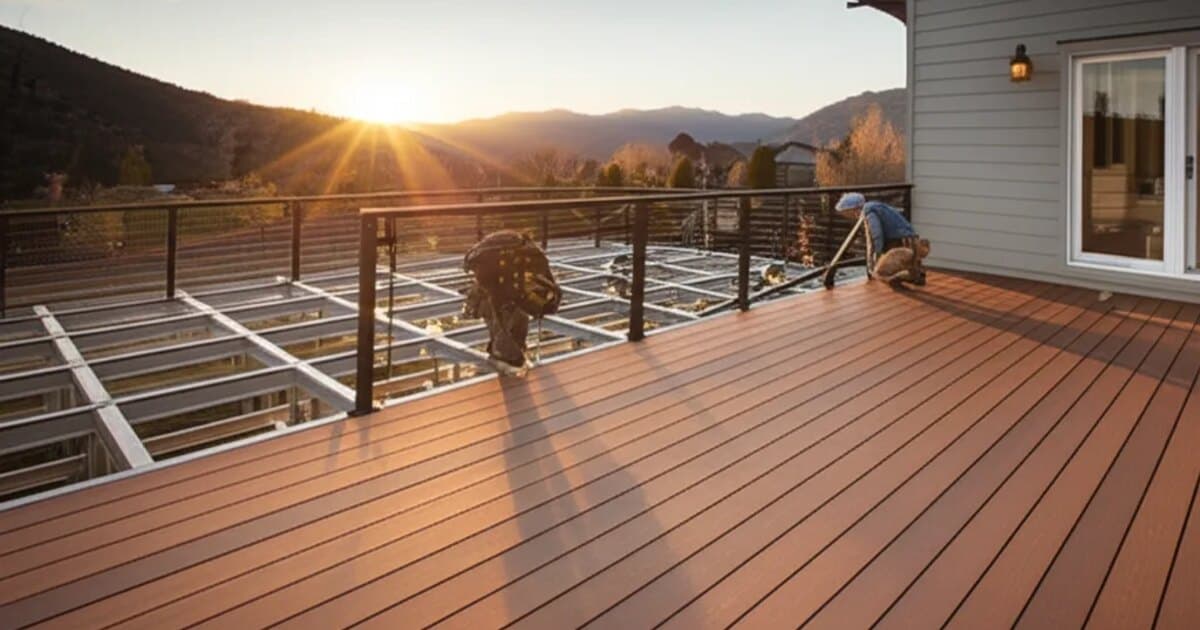
Deck Builder Design Ideas for Garden City
Get inspired with deck building design ideas tailored to Garden City homes, from trending styles to practical layout considerations.
Quick answer
Garden City deck building is shaped by three forces that don't exist in the same combination anywhere else in the Treasure Valley: the Greenbelt lifestyle that makes outdoor space genuinely special, the compact housing stock that makes decks disproportionately valuable, and the design culture that sets a higher standard for what an outdoor space should look and feel like.
Garden City, ID · Deck Builder
Planning deck building in Garden City?
Read the full guide below — or get your project priced now. Free, no-obligation estimates from an Idaho registered local team, backed by a 1-year workmanship warranty.
- Licensed Idaho RCE-6681702
- 1-Year Workmanship Warranty
- $2M Liability Coverage
- Free, No-Obligation Estimates


Garden City deck building is shaped by three forces that don't exist in the same combination anywhere else in the Treasure Valley: the Greenbelt lifestyle that makes outdoor space genuinely special, the compact housing stock that makes decks disproportionately valuable, and the design culture that sets a higher standard for what an outdoor space should look and feel like. The Greenbelt access is irreplaceable. Decks in communities without a trail system at their doorstep are nice amenities. Decks in the Greenbelt Corridor are lifestyle infrastructure — they are the transitional spaces between the indoor home and the outdoor network that makes Garden City worth living in. This context elevates the value and the design expectations for every deck project along the Greenbelt. The compact housing stock amplifies the effect. Adding 350 square feet of outdoor living to a 1,000-square-foot cottage changes the proportions of the whole property. No other single improvement to a compact Garden City home adds this much usable space for this cost. The design standard is simply higher here. Garden City contractors who build decks with standard pressure-treated lumber, aluminum balusters, and no design ambition are not serving this market — they are serving the suburban Treasure Valley market in the wrong zip code. Iron Crest builds decks in Garden City that reflect the community's design culture: composite in careful color choices, cable or aluminum railings with clean lines, pergola structures that create outdoor rooms rather than just shade, and integrated elements that make the deck feel designed and intentional.
Greenbelt Corridor
Decks in the Greenbelt Corridor serve a function that goes beyond the physical platform — they are the connection point between the interior home and the outdoor lifestyle that the Greenbelt enables. A well-designed Greenbelt Corridor deck positions the homeowner to engage with the cottonwood canopy, the morning light, the sound of the river in spring, and the steady stream of cyclists and walkers on the Greenbelt path that makes this community feel alive in a way that no suburban neighborhood can replicate. Structural considerations for Greenbelt Corridor decks include the elevated moisture environment near the river and, for some properties, potential floodplain considerations. Iron Crest checks FEMA flood zone maps for all Greenbelt properties before designing deck footings, because some properties near the river may have restrictions on below-grade construction within the flood fringe area. When floodplain considerations apply, deck design may favor elevated deck systems with proper flood-resistant construction rather than footings that extend into the flood-fringe soil. This is a solvable engineering problem — it simply requires knowing it exists before design begins. The privacy dimension is also relevant in the Greenbelt Corridor. Properties close to the Greenbelt path may have more pedestrian traffic in their immediate vicinity than properties in conventional residential neighborhoods, and deck design should incorporate appropriate privacy screening — through pergola panels, built-in planter screens, or landscape integration — that creates comfortable outdoor occupancy without the fishbowl feeling that a completely open platform would produce.
Live-Work-Create District
Decks and outdoor structures in the Live-Work-Create District often need to reconcile the industrial character of the building type with the residential comfort needs of the occupants. The most successful outdoor spaces in this district lean into the industrial aesthetic: cable railing with steel posts, composite or Ipe hardwood decking in dark tones, steel pergola structures rather than wood, and outdoor furniture with an urban rather than suburban sensibility. Some live-work properties in this district have outdoor areas that were originally designed for commercial loading, staging, or storage — concrete aprons, gravel pads, or unimproved exterior spaces that have more square footage than a standard residential backyard but none of the landscaping or amenity investment. Transforming these spaces into functional and beautiful outdoor living areas requires creativity and sometimes significant site work — grading, drainage, and hardscape before any deck structure goes up. The result, when done well, is an outdoor room that matches the design quality of the live-work interior and adds a genuinely distinctive amenity to an already unusual property.
Garden City Core
Core neighborhood decks serve the practical function of extending modest ranch and mid-century homes into the outdoor space that their footprints and lot sizes can support. These are working decks rather than design statements — built for outdoor dining, grilling, kids' play space, and the kind of relaxed backyard living that is a fundamental Idaho quality of life. That said, Garden City Core clients are generally more design-aware than equivalent homeowners in Meridian or Nampa, and they consistently upgrade beyond the minimum on composite decking selection, railing system, and pergola specifications. The core neighborhood's mature tree canopy — most 1960s and 1970s properties have large shade trees that have grown for 50-plus years — creates both a shading opportunity and a structural consideration. Root systems from large trees can interfere with footing placement, and any deck design near a large tree must locate footings to avoid root damage. Iron Crest's design process for core neighborhood decks includes a site survey that identifies tree root zones and positions footings to avoid them — protecting both the tree and the deck's structural foundation.
Chinden Corridor
Deck projects in the Chinden Corridor tend to be practical and value-focused, consistent with the economic diversity of this transitional zone. The most common request is a well-built, durable outdoor platform that extends the home's livable space without the premium specifications of a full outdoor room build. Pressure-treated deck structures with composite decking — a combination that balances cost-effectiveness with long-term durability — are appropriate for this market. Aluminum railings provide a maintenance-free alternative to wood that holds up well in the area's light industrial character without the premium cost of cable railing systems. The Chinden Corridor's urban location and proximity to commercial activity creates some additional privacy considerations for deck design. Properties backing up to commercial or light-industrial neighbors may benefit more from privacy screening in their outdoor spaces than properties in residential-only contexts. Built-in privacy panels, pergola lattice walls, or strategic planting integration can create the outdoor sanctuary that homeowners in this area are seeking despite the urban nature of their immediate surroundings.

The design phase is where your deck building goes from a general idea to a specific plan. Good design balances aesthetics, functionality, budget, and the unique characteristics of your home and neighborhood in Garden City. Here are the most popular design approaches and trends we see in Garden City and the surrounding Treasure Valley.
Garden City homeowners tend to favor designs that blend modern functionality with the regional character of Idaho homes. Here are the most requested design elements:
These design factors are specific to deck building projects and affect both the look and function of the finished space:
Deck orientation — consider sun exposure patterns; west-facing decks get intense afternoon sun in Boise summers, while east-facing decks offer shaded evening outdoor dining
Access and flow — plan deck access from interior rooms (kitchen, living room, or primary bedroom) for natural indoor-outdoor flow
Board direction and pattern — deck boards can run parallel to the house, perpendicular, or in diagonal or herringbone patterns to create visual interest
Privacy screening — consider the sightlines from neighboring properties and plan privacy screens, lattice panels, or plantings as needed
Lighting plan — integrated LED deck lighting in posts, stair risers, and railings extends usability into the evening and adds safety
Shade strategy — pergolas, sail shades, or covered roof extensions provide relief from Boise's summer sun while maintaining an open feel
The materials and finishes you choose bring your design to life. Here are the options most commonly selected for deck building projects in Garden City:
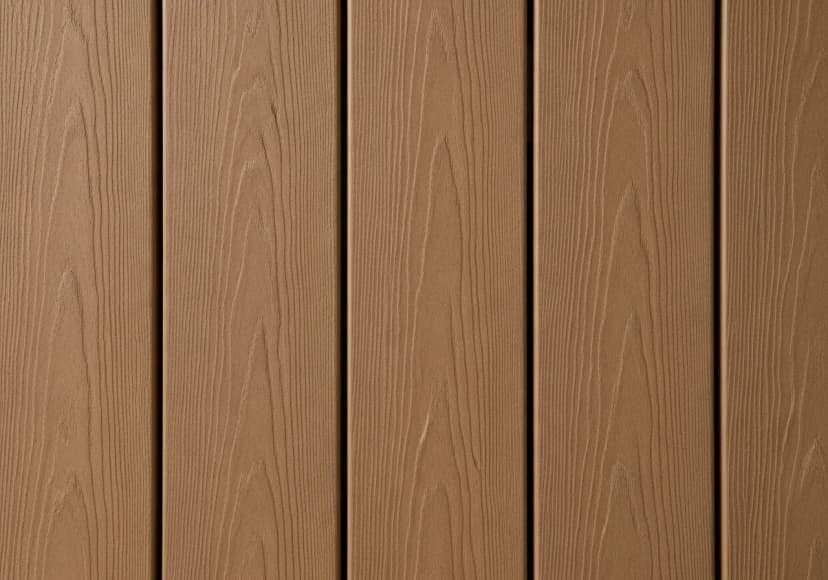
Trex Composite Decking
$8–$16 per sq ft (material only)Homeowners who want a low-maintenance, long-lasting deck surface with consistent color
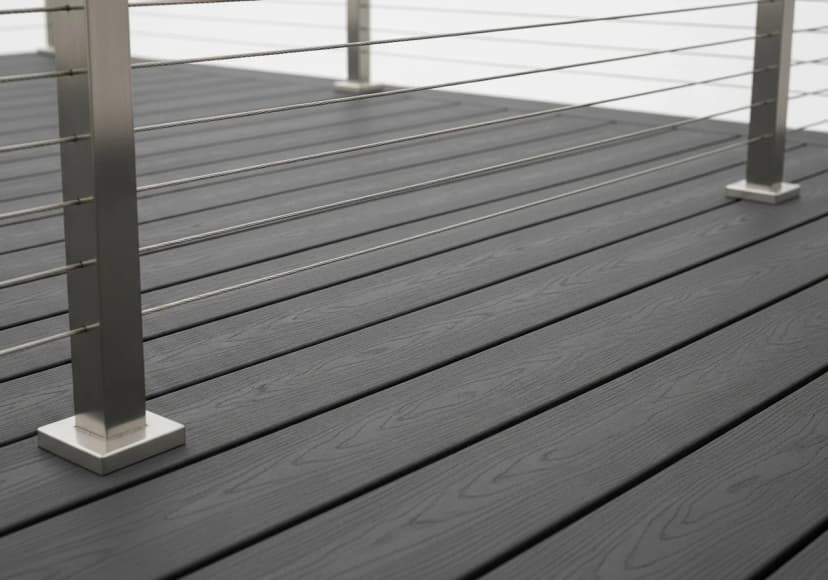
TimberTech / AZEK Composite Decking
$10–$22 per sq ft (material only)Premium projects where appearance, longevity, and warranty are top priorities
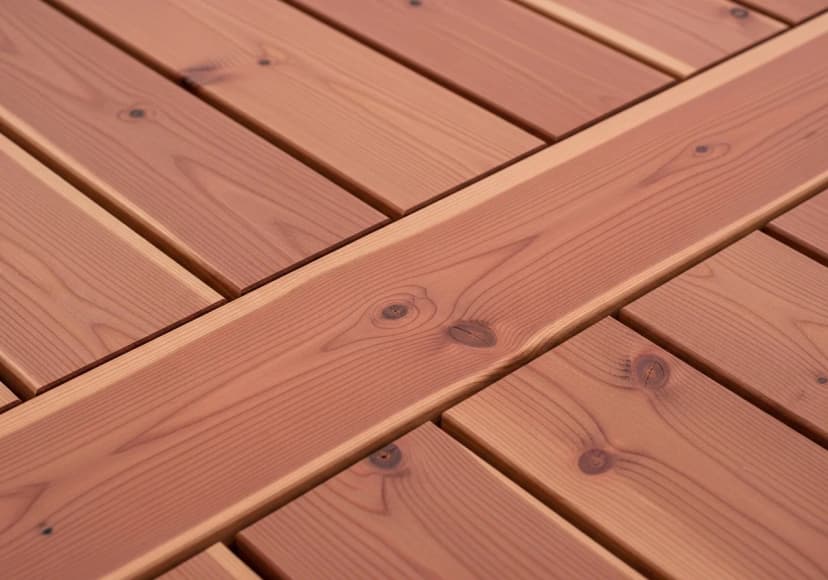
Cedar Decking
$6–$12 per sq ft (material only)Homeowners who prefer natural wood appearance and are willing to maintain it
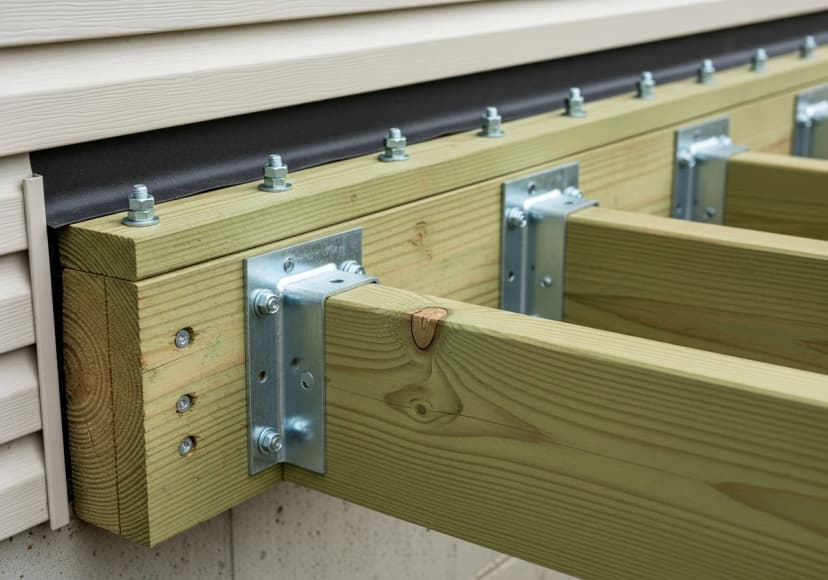
Pressure-Treated Lumber (Framing and Economy Decking)
$3–$6 per sq ft (material only)Deck framing, budget-conscious projects, and utility decks
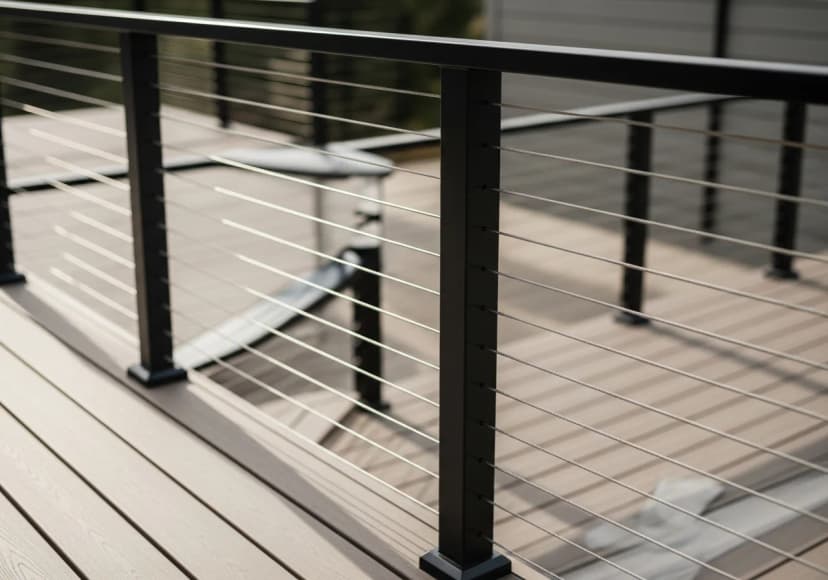
Aluminum or Composite Railing Systems
$30–$80 per linear foot installedAll deck railing applications — especially with composite decking for a unified low-maintenance design
Learning from others' mistakes saves time and money. Here are the most common deck building design pitfalls we see in Garden City:
Existing deck is structurally unsafe with deteriorated framing
We perform a structural assessment, remove the unsafe deck, inspect the ledger connection and house framing, and build a new code-compliant deck from the footings up.
Deck boards are warped, splintered, or graying from weather exposure
For decks with sound framing, we can replace the decking surface and railing with composite materials that resist weathering, fading, and splintering — providing decades of low-maintenance use.
Inadequate footings that shift or settle over time
We excavate new footings below the frost line (24 inches in Boise), pour concrete to proper specifications, and install code-compliant post brackets to prevent settling and movement.
Water intrusion at the ledger board connection
Improper ledger flashing is the leading cause of water damage where decks attach to homes. We install code-required flashing and use approved fastener patterns to create a waterproof connection.
Deck does not meet current building code requirements
We bring the deck up to current code standards including railing height, baluster spacing, stair rise and run, structural connections, and footing depth — often required when replacing or significantly modifying an existing deck.
For deck building projects in Garden City, you have two main approaches to the design process: hiring a separate interior designer then a contractor, or working with a design-build firm that handles both under one roof.
Design-build (our approach)
- ✓ Single point of contact
- ✓ Design informed by real construction costs
- ✓ Faster project delivery
- ✓ Budget aligned from day one
Separate designer + contractor
- ● More specialized design expertise
- ● Independent design perspective
- ● Requires coordination between parties
- ● Can result in budget surprises
Local factors — Garden City's housing stock and typical construction eras, the climate conditions that drive material and scheduling choices, and permitting through City of Garden City Building Department — are covered in full on our Garden City page for this service, alongside 5 common project types.
Deck Builder in Garden City: housing stock, climate & permits →Do I need a permit to build a deck in Boise?
Yes. Most deck construction in Ada County and Canyon County requires a building permit with structural plans. The permit ensures footings, framing, railings, and stairs meet current building code requirements for safety and structural integrity.
Can you add a pergola or cover to my deck?
Yes. We design and build pergolas, shade structures, and covered deck extensions. These features are especially popular in Boise for protection from the intense summer sun and can extend your outdoor living season by weeks in spring and fall.
Planning deck building in Garden City?
Get expert guidance and a free estimate for your deck builder project in Garden City, ID.
Get Your Free Estimate