
Interior Painting Design Ideas for Boise
Get inspired with interior painting design ideas tailored to Boise homes, from trending styles to practical layout considerations.
Quick answer
We offer color consultation as part of our service. We consider your existing furnishings, flooring, natural light, and personal style to recommend colors that will work well in your specific spaces. We always recommend testing samples on the wall before final selection.
Boise, ID · Interior Painting
Planning interior painting in Boise?
Read the full guide below — or get your project priced now. Free, no-obligation estimates from an Idaho registered local team, backed by a 1-year workmanship warranty.
- Licensed Idaho RCE-6681702
- 1-Year Workmanship Warranty
- $2M Liability Coverage
- Free, No-Obligation Estimates


Boise's interior painting market is distinct from Nampa, Meridian, Caldwell, and other Treasure Valley cities for several compounding reasons. First, the sheer age and architectural diversity of Boise's housing stock creates a technical complexity that doesn't exist in suburban markets dominated by post-2000 construction. Painting a North End Craftsman requires genuinely different skills, materials, and judgment than painting a new-build in Meridian, and contractors who work primarily in the newer suburbs often struggle with the prep demands of Boise's older housing. Second, the substrate mix inside a single Boise house is unusually varied. Plaster, orange-peel drywall, knockdown, and Level 5 smooth finishes all turn up within a few miles of each other, and several of them turn up on the same wall in a home that has been added to. That forces per-surface decisions — primer, roller nap, sheen — that a single spec sheet cannot cover. Third, buyers arriving from larger West Coast metros brought familiarity with premium paint lines and with color consultation as a normal part of the job. That has raised the baseline expectation across the Boise market for material selection and precision execution, which is the standard we work to.
North End
The North End is Boise's most architecturally distinctive neighborhood, and interior painting here is genuinely different work than anywhere else in the city. The housing stock is predominantly Craftsman bungalows and American Foursquares built between 1900 and 1940, and the original interior details — built-in bookshelves flanking fireplaces, wide picture-rail moldings, original fir floors, and multi-paned divided-light windows — define the character that buyers pay a premium for. Interior painting in the North End is as much about preservation as renovation, and that starts with understanding original plaster. Most North End homes have lathe-and-plaster construction in the original rooms, with drywall additions tacked on during the 1970s and 1980s remodels. Plaster in these homes is typically 90-plus years old and has been repainted many times, which means layers of old oil-based paint, latex over oil (which can delaminate), and in some homes, lead-based paint that requires testing and proper handling before work begins. Iron Crest always recommends a lead paint test on pre-1978 North End homes as a first step. The color palettes appropriate for North End homes reflect the neighborhood's historic character but have been updated for contemporary Boise buyers. Deep, rich trim colors — creamy whites, warm taupes, and soft sage greens — work far better than the bright whites applied to newer homes. Accent walls in muted, earthy tones complement the warm wood tones of original fir and oak trim. North End buyers are sophisticated and will notice if a paint color fights the architecture rather than honoring it. One detail that separates excellent interior painting work in the North End from acceptable work: picture rails. These horizontal moldings run near the ceiling in most original North End rooms and were designed for hanging art without nailing into plaster walls. They're a significant character detail but are frequently buried under multiple coats of paint, losing their definition. We cut in carefully around these details, restoring their visual presence and keeping clean lines between the rail, wall, and ceiling. That precision is the difference between a repaint that respects the architecture and one that flattens it.
Boise Bench
The Boise Bench encompasses a wide range of mid-century housing built primarily between 1945 and 1975, including post-war bungalows, split-levels, and early ranch homes. Interior painting on the Bench presents a unique set of challenges rooted in the era's building practices: drywall was introduced to residential construction in the 1950s and was used inconsistently alongside plaster, meaning many Bench homes have a patchwork of surfaces on the same wall. A typical 1962 Bench bungalow might have original plaster in the living room and dining room, drywall installed during a 1970s addition in a back bedroom, and a bathroom tiled in the 1980s remodel with knockdown-texture drywall on the non-tiled surfaces. Each of these surfaces requires a different primer strategy and absorbs topcoat paint at a different rate. Bench homes also frequently feature popcorn ceilings — the textured spray-applied finish that was the default from the 1960s through the 1990s — and many homeowners are choosing to have these removed before painting. This is a significant prep step, and we strongly recommend an asbestos test before proceeding. EPA banned spray-applied asbestos-containing surfacing material for fireproofing and insulating in 1973 and extended the ban to other purposes in 1978 (40 CFR Part 61, Subpart M), but existing stock kept being installed afterward, so age alone does not clear a ceiling — only a lab test does. If the result is positive, removal is abatement work, not painting prep. The Bench neighborhood is also home to a large number of investment and rental properties that are frequently repainted between tenants using the cheapest possible materials. When these homes are eventually owner-occupied or sold to owner-occupants, the previous layers of cheap flat paint create adhesion and coverage challenges for quality painting work. Iron Crest typically recommends a test patch in these homes before committing to a finish strategy, as heavily repainted surfaces sometimes require a full skim coat to achieve a satisfactory result. The Bench has been experiencing a significant renovation wave, with younger buyers purchasing undervalued homes and updating them with contemporary palettes. Warm whites, charcoal gray, and terracotta are popular choices that update the mid-century bones without overwhelming them.
West Boise (Eagle Road Corridor, Meridian Border)
West Boise's interior painting market is defined by its housing era — the vast majority of homes here were built between 1985 and 2015, during which drywall construction was universal, textured finishes (orange-peel and knockdown) were the norm, and builder-grade paint was applied at move-in and never meaningfully upgraded. The result is a neighborhood full of homes with sound bones but interiors that are cosmetically dated, functionally mediocre, and ready for a full paint upgrade. The most common challenge in west Boise interior painting is texture matching. When drywall repairs are made in orange-peel or knockdown textured rooms — whether from nail pops, door handle impacts, or plumbing access holes — achieving a seamless texture match is genuinely difficult. The original texture was applied by a spray gun at a specific air pressure, distance, and material consistency that is nearly impossible to replicate exactly. Iron Crest's painters carry multiple spray tip sizes and texture materials to get as close as possible, and in cases where the repair area is large, they'll re-texture an entire wall rather than attempt a patch that will be visible at low-angle light. West Boise households skew toward young families with children and pets, which drives demand for durable, washable finishes. Sherwin-Williams Emerald in eggshell is the finish we most often recommend for west Boise main living areas — it stands up to crayon, paw prints, and the constant scuffing of family life far better than the builder flat it replaces, and it can actually be wiped down without burnishing. Cabinet refinishing is a common west Boise project, where the maple and oak flat-panel cabinets installed by builders between 1995 and 2010 have aged into visual obsolescence. Painting them in current colors — navy, sage green, white, or black — changes the look of the whole main level for a fraction of what replacing sound boxes would cost.
Southeast Boise / Harris Ranch
Southeast Boise and the Harris Ranch development are the newest segment of Boise's owner-occupied housing market, with homes built primarily between 2010 and 2025. Interior painting expectations here are correspondingly high — these homeowners expect paint work to match the quality of the finishes around it: wide-plank hardwood floors, quartz countertops, custom tile, and high-end fixtures. The smooth Level 5 drywall finish that is standard in Harris Ranch homes is both a blessing and a challenge for painters. On one hand, there are no texture irregularities to work around. On the other hand, a smooth finish telegraphs every imperfection in the paint application itself — roller texture, lap marks, brush strokes, and thin spots are all immediately visible, particularly in the abundant natural light these south- and west-facing homes receive. Iron Crest uses a 3/8-inch nap roller exclusively on Level 5 surfaces (rather than the 1/2-inch nap used on textured walls) to minimize stipple, and always applies two full topcoats regardless of coverage. The color palettes in this submarket trend toward sophisticated neutrals with confident accent choices: warm white throughout the main living areas, a deep charcoal or navy in the office or dining room, and muted greens or warm clay tones in the primary bedroom. These are consequential color decisions, and color consultation is part of our interior painting service — we work through the relationship between the paint colors, the natural light exposure, and the existing finishes before anything is ordered. Pre-sale painting is a common request in this corridor. We do not publish a figure for what it returns, because there is no southeast Boise dataset we can cite; what we can say is that a cohesive, current palette removes the single most visible objection a buyer can form from the listing photos.

The design phase is where your interior painting goes from a general idea to a specific plan. Good design balances aesthetics, functionality, budget, and the unique characteristics of your home and neighborhood in Boise. Here are the most popular design approaches and trends we see in Boise and the surrounding Treasure Valley.
Boise homeowners tend to favor designs that blend modern functionality with the regional character of Idaho homes. Here are the most requested design elements:
These design factors are specific to interior painting projects and affect both the look and function of the finished space:
Sheen selection — flat or matte for ceilings, eggshell or satin for walls, semi-gloss for trim and doors; each serves a functional and aesthetic purpose
Color flow — adjacent rooms should use complementary or related colors to create natural visual flow throughout the home
Accent wall placement — choose a focal wall that draws the eye without overwhelming the room; typically the wall behind a bed, fireplace, or main seating area
Lighting impact — always test paint samples on the actual wall in both natural daylight and evening artificial lighting before committing to a color
Trim and wall coordination — white or off-white trim is classic, but painted trim in complementary colors can add depth and character to the design
Ceiling color — a slightly lighter shade or pure white on the ceiling makes rooms feel taller; dark ceiling paint can create a cozy, dramatic effect in specific rooms
The materials and finishes you choose bring your design to life. Here are the options most commonly selected for interior painting projects in Boise:
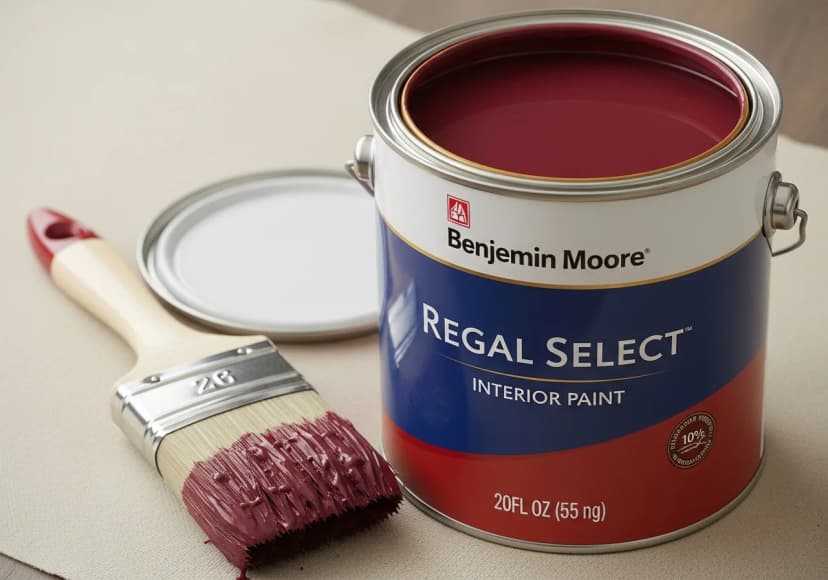
Benjamin Moore Regal Select
$55–$75 per gallonWalls and ceilings in main living areas and bedrooms
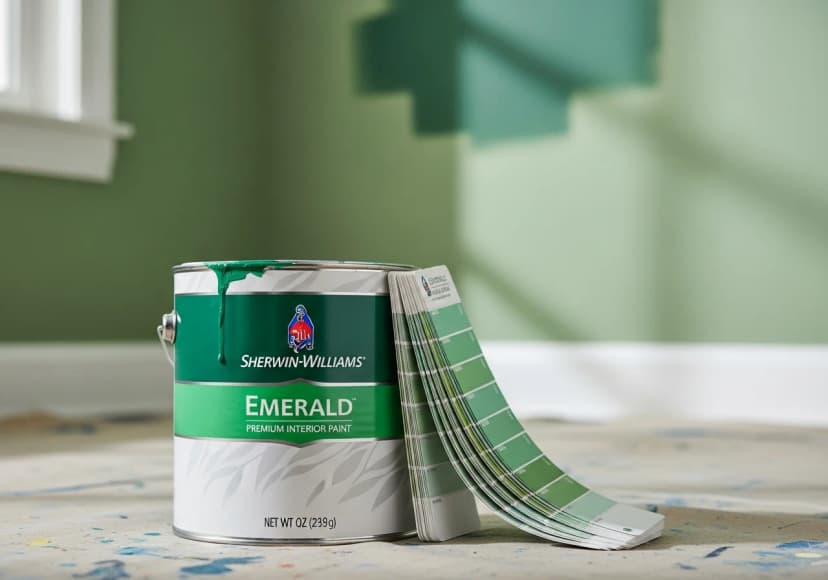
Sherwin-Williams Emerald
$75–$95 per gallonHigh-traffic hallways, family rooms, kitchens, and bathrooms
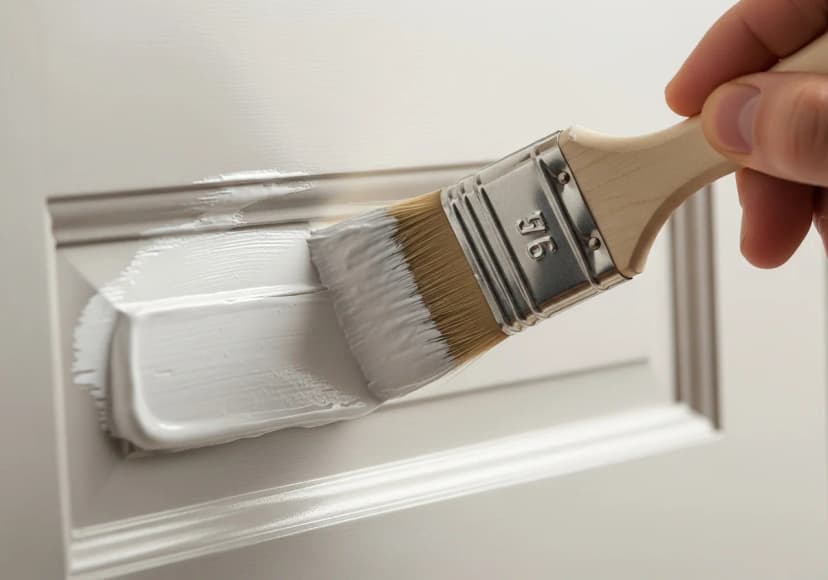
Benjamin Moore Advance (Trim and Cabinet Paint)
$55–$70 per gallonTrim, baseboards, doors, and cabinet painting
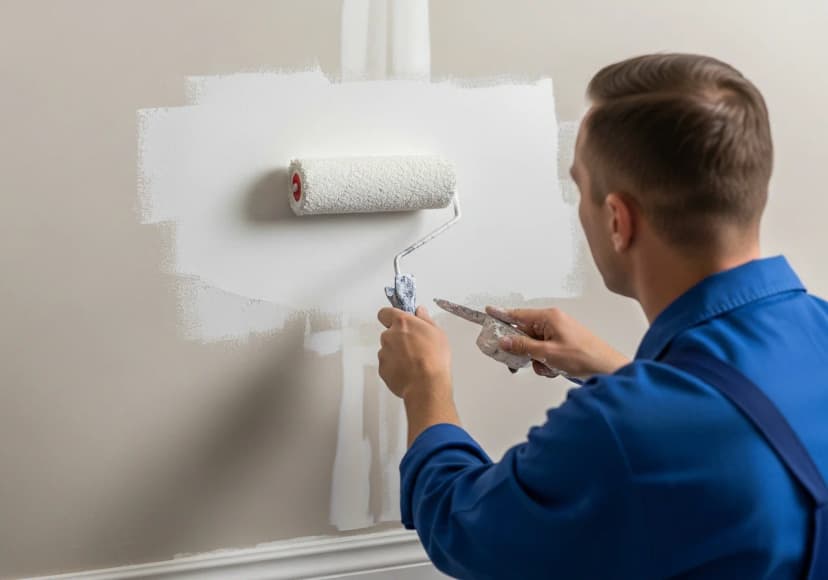
Primer — Zinsser or Kilz Professional
$25–$50 per gallonStain blocking, new drywall, patched areas, and color-change priming
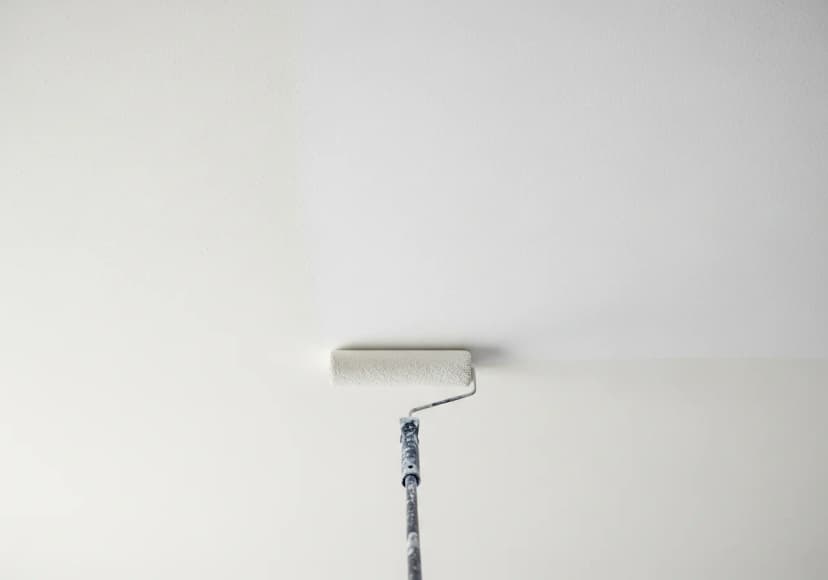
Specialty Ceiling Paint (Flat/Ultra-Matte)
$35–$55 per gallonAll ceiling surfaces throughout the home
Learning from others' mistakes saves time and money. Here are the most common interior painting design pitfalls we see in Boise:
Patchy, inconsistent coverage from previous DIY painting
We sand, prime, and apply two full coats of premium paint with proper technique to achieve even coverage and consistent color depth across every wall.
Peeling or flaking paint on walls or ceilings
We scrape loose paint, sand edges smooth, apply bonding primer to ensure adhesion, and repaint with durable finish coats that will last for years.
Dark, dated paint colors that make rooms feel small
We help select modern, lighter color palettes that open up spaces and work with your natural and artificial lighting. Light colors and consistent tones between rooms create a spacious, cohesive feel.
Visible drywall seams, nail pops, and texture inconsistencies
Our prep process includes skim-coating seams, resetting nail pops, and feathering patches so repairs are invisible under the finished paint.
Yellowed or dirty trim that contrasts poorly with fresh walls
We recommend painting or repainting trim along with walls for a complete, cohesive refresh. Properly prepped and painted trim frames the room and elevates the entire result.
For interior painting projects in Boise, you have two main approaches to the design process: hiring a separate interior designer then a contractor, or working with a design-build firm that handles both under one roof.
Design-build (our approach)
- ✓ Single point of contact
- ✓ Design informed by real construction costs
- ✓ Faster project delivery
- ✓ Budget aligned from day one
Separate designer + contractor
- ● More specialized design expertise
- ● Independent design perspective
- ● Requires coordination between parties
- ● Can result in budget surprises
Local factors — Boise's housing stock and typical construction eras, the climate conditions that drive material and scheduling choices, and permitting through City of Boise Planning and Development Services — are covered in full on our Boise page for this service, alongside 5 common project types.
Interior Painting in Boise: housing stock, climate & permits →How do I choose the right paint colors?
We offer color consultation as part of our service. We consider your existing furnishings, flooring, natural light, and personal style to recommend colors that will work well in your specific spaces. We always recommend testing samples on the wall before final selection.
Can you paint over dark colors?
Yes. Dark-to-light color changes require a high-quality tinted primer to block the existing color, followed by two coats of finish paint. This ensures full coverage without bleed-through and avoids the need for excessive coats.
Does the North End have special remodeling rules?
Yes. The North End Historic District has additional design review requirements for exterior modifications. Interior work is not affected, but changes to the exterior appearance — siding, windows, roofing, and additions — may require Historic Preservation Commission review.
Planning interior painting in Boise?
Get expert guidance and a free estimate for your interior painting project in Boise, ID.
Get Your Free Estimate