

Exterior Remodeling Services in Boise, Idaho
Upgrade your home's curb appeal and protection with expert exterior renovations.
Iron Crest Remodel provides comprehensive exterior remodeling services for homeowners across the Boise metro area. Idaho's climate demands durable, weather-resistant materials and expert installation — we deliver both.
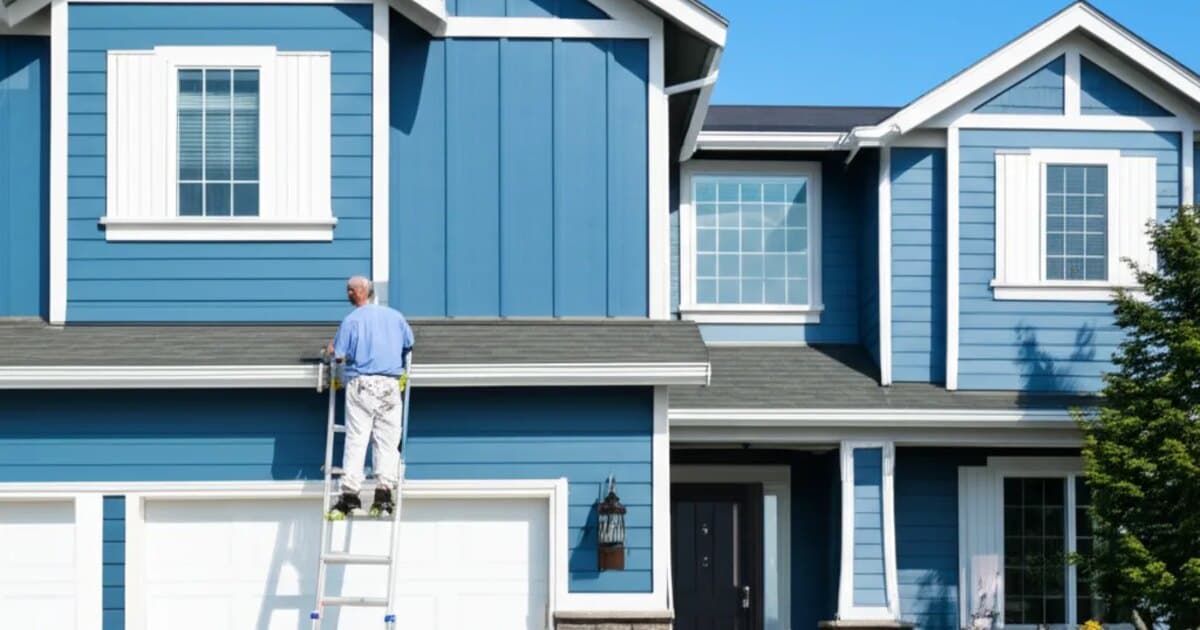
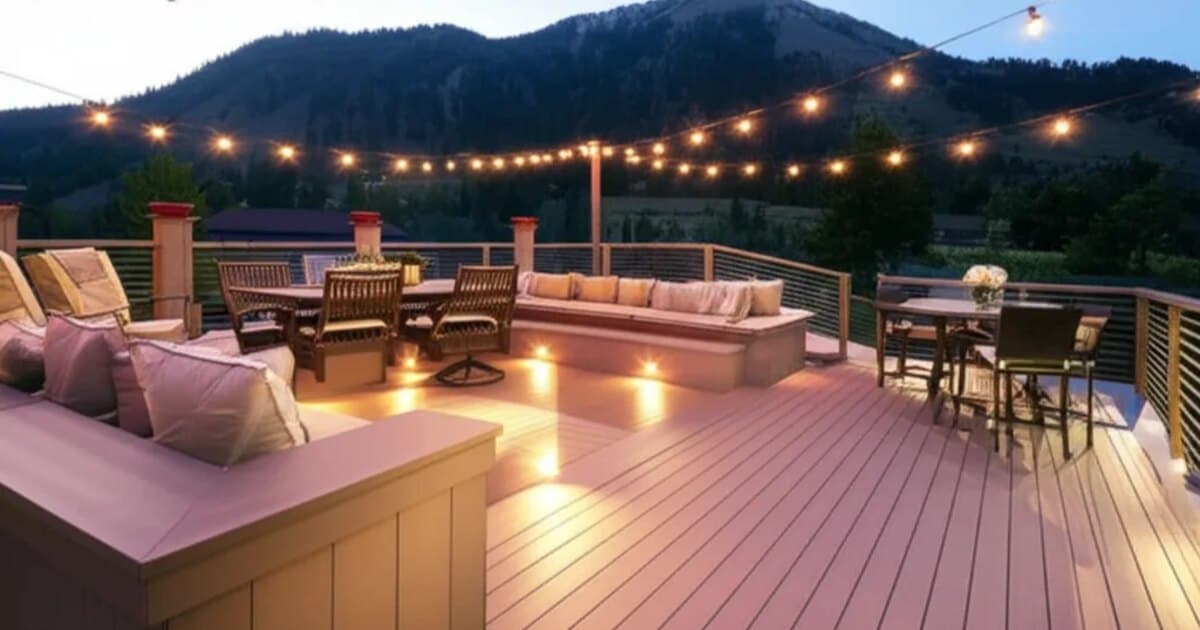
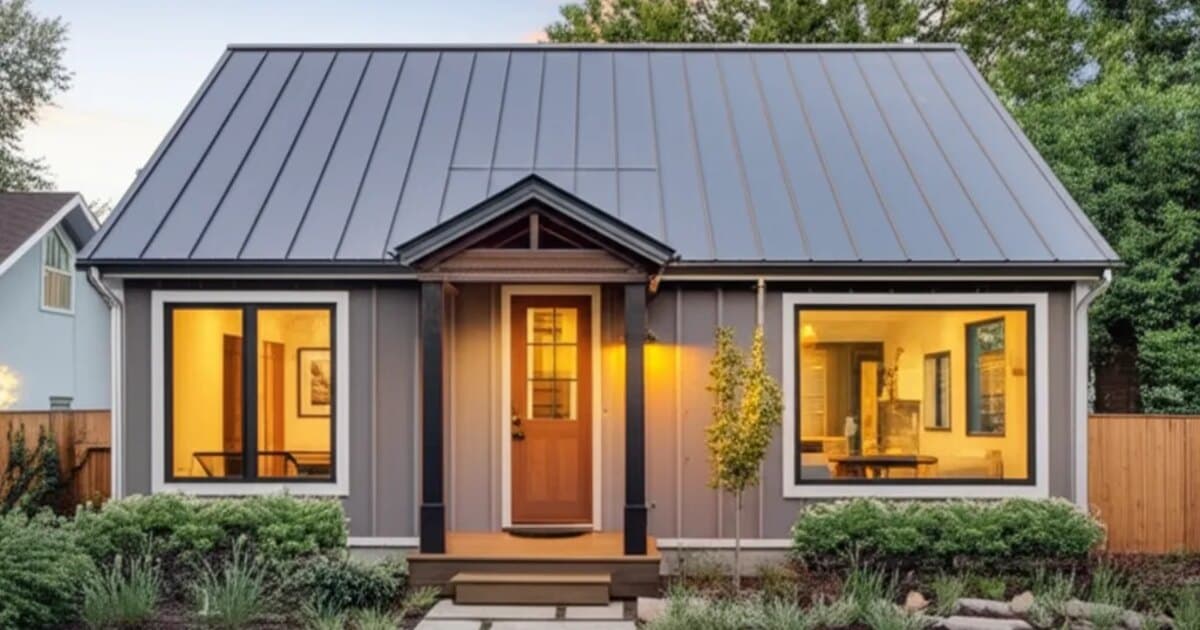
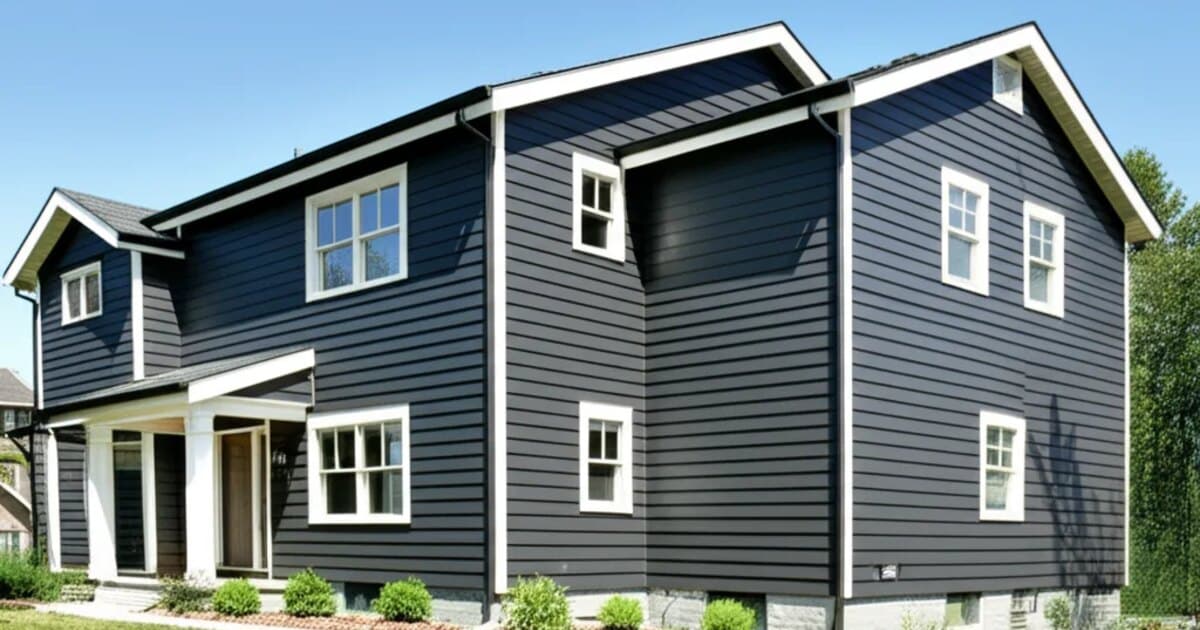
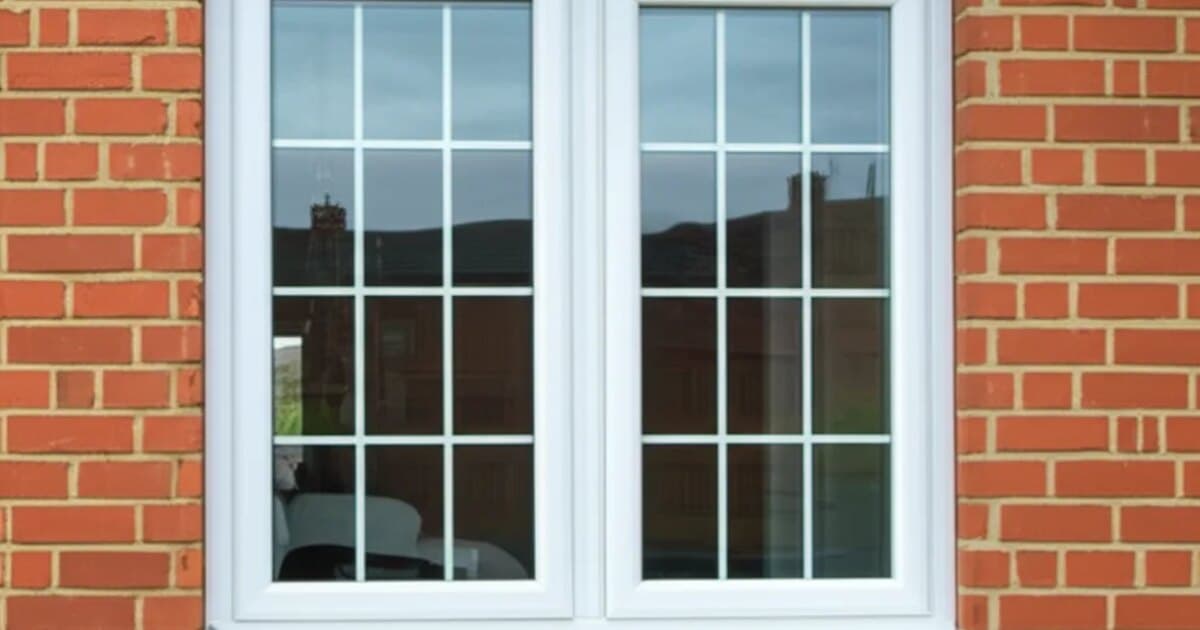
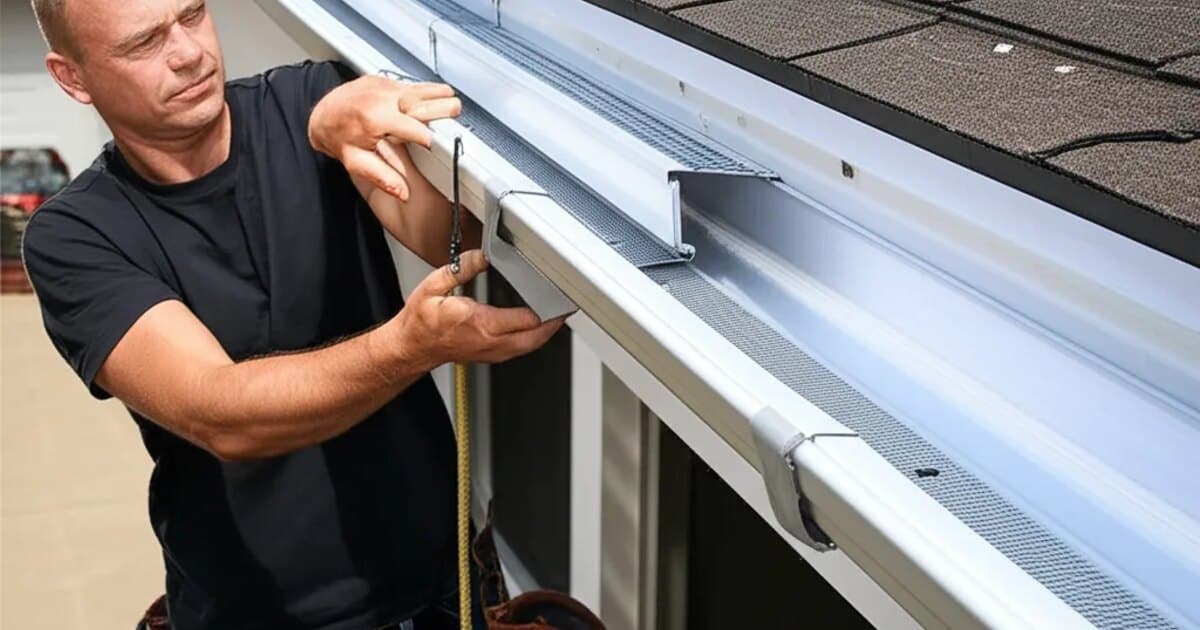
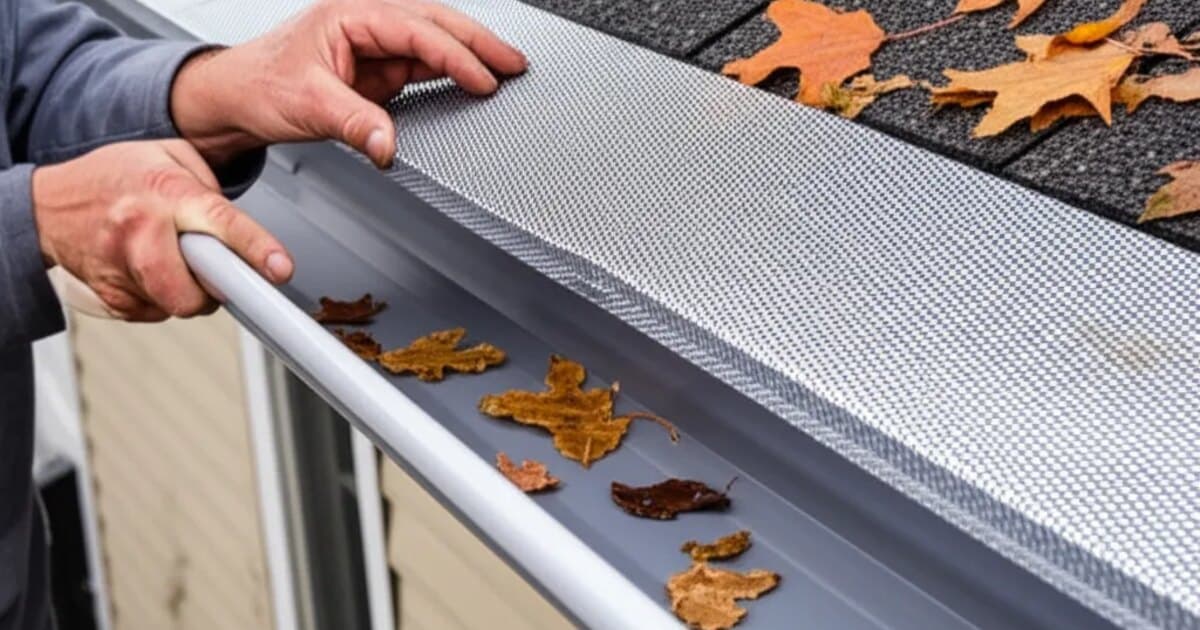
Planning a full exterior renovation? Our comprehensive guide covers project sequencing, bundling savings, seasonal timing, and Boise-specific requirements.
Your home's exterior is its first line of defense against Boise's demanding climate — and it's the first thing neighbors, guests, and potential buyers see. The Treasure Valley's combination of intense summer UV, winter freeze-thaw cycles, dry wind, and occasional heavy snow puts constant stress on siding, paint, windows, and drainage systems. Deferred exterior maintenance doesn't just hurt curb appeal; it leads to moisture intrusion, energy loss, and structural damage that costs significantly more to repair later.
A well-planned exterior remodel addresses multiple systems at once — siding protects the envelope, windows manage energy transfer, gutters control water, paint seals surfaces, and decks extend livable square footage. When these components work together, the result is a home that looks better, performs better, and holds its value in Boise's competitive real estate market.
Climate Protection
Materials rated for Boise's 0°F to 105°F temperature range, UV resistance, and freeze-thaw durability.
Verifiable Energy Specs
Boise (Ada County) sits in the ENERGY STAR Northern zone, where v7.0 certification requires a whole-window U-factor of 0.22 or lower and an SHGC of at least 0.17. Every certified unit carries an NFRC label, so the spec is checkable at delivery.
Moisture Defense
Proper flashing, drainage, and vapor barriers prevent the water damage that Idaho's spring runoff can cause.

Boise sits at roughly 2,700 feet elevation in a high-desert climate zone. That combination creates specific material challenges that homeowners in other regions don't face. Understanding these factors is key to choosing materials that last.
Temperature Extremes and Thermal Cycling
Boise regularly sees temperature swings of 40–50 degrees in a single day during spring and fall. Over a year, materials endure a range from below zero to over 100 °F. This thermal cycling causes expansion and contraction that stresses fasteners, caulk joints, and material bonds. Fiber cement siding handles this well because its expansion rate is minimal. Vinyl siding can warp or buckle if installed without proper expansion gaps. Wood products need adequate sealing to prevent moisture absorption during temperature changes.
UV Exposure and Sun Damage
At Boise's elevation and latitude, UV radiation is more intense than many homeowners realize. South-facing and west-facing surfaces take the hardest hit. Paint fades faster on these exposures — sometimes 2–3 years sooner than north-facing walls. When selecting exterior paint, we specify products with UV-resistant pigments and recommend lighter colors for high-exposure surfaces. For composite decking, we use brands with multi-layer UV protection (Trex Transcend, TimberTech Advanced PVC) that resist fading and surface degradation.
Freeze-Thaw and Moisture
While Boise is drier than Pacific Northwest cities, freeze-thaw cycles still matter. Water that enters cracks in caulk, behind improperly flashed windows, or into deck joist pockets can freeze and expand, causing splits, rot, and fastener failure. Our installation details include back-flashing on all window and door openings, kick-out flashing at roof-to-wall transitions, and proper slope on all horizontal surfaces. These details prevent the slow moisture damage that shortens the life of exterior assemblies.
Wind and Dust
The Treasure Valley experiences periodic high winds, particularly in spring. Wind-driven dust and debris can abrade painted surfaces and deposit grime in gutter systems. Wind loads also matter for deck structures: railings, pergolas, and shade sails need to be engineered for local wind conditions. Our gutter installations account for prevailing wind direction to optimize downspout placement and prevent overflow during wind-driven rain.
Exterior remodeling costs in the Boise metro area depend on the scope of work, material grade, home size, and site conditions. Below are typical Treasure Valley ranges. These are estimates — your actual investment depends on your specific home and selections.
| Service | Boise Low | Boise Average | Boise High |
|---|---|---|---|
| Siding Replacement | $8,500 | $16,500 | $32,000 |
| Window Replacement | $6,500 | $13,500 | $28,000 |
| Deck Construction | $18,000 | $32,000–$55,000 | $95,000+ |
| Exterior Painting | $2,800 | $6,500 | $18,000 |
| Gutters + Guards | $1,500 | $3,500 | $6,000+ |
| ADU (Detached) | $95,000 | $165,000 | $320,000 |
* Low and high are the Boise range we publish for each service, and the middle column is our average Boise project — not a separate “mid-range” band. Material costs, home size, access difficulty, and finish selections shift the final number. Gutters + Guards is the one line here without a published Boise range, so treat it as indicative until we have quoted your roofline. See our full exterior remodeling cost guide for a detailed breakdown by component.

Every exterior project follows a structured process designed to protect your home, your budget, and your time. Here's what to expect from initial contact through project completion.
Property Assessment & Scope
We inspect the exterior of your home — siding condition, window performance, drainage, paint adhesion, and structural elements. We document findings, discuss your priorities, and identify which projects deliver the best value for your situation. You receive a written scope of work and estimate, and we tell you at the visit when it will land.
Material Selection & Planning
We present material options with samples, warranty details, and cost comparisons. For siding, we discuss fiber cement vs. engineered wood vs. vinyl. For windows, we cover frame types, glass packages, and energy ratings. For decks, we compare composite brands and wood species. You make selections with full information — no upsell pressure.
Permits & Scheduling
Iron Crest Remodel handles all permit applications with the City of Boise or Ada County. We coordinate material deliveries, trade scheduling, and weather-dependent sequencing. You receive a project calendar with daily expectations before work begins.
Site Preparation & Protection
Before any demolition, we protect landscaping, walkways, and adjacent surfaces. Drop cloths, masking, and debris containment are set up. We establish clean access paths for crews and materials, and confirm utility locations.
Installation & Quality Checks
The work is executed according to manufacturer specifications and local code requirements. Supervisors perform in-progress quality checks at critical points: flashing details, fastener patterns, caulk joints, and alignment. We photograph key installation details for your records.
Final Walkthrough & Warranty Documentation
We walk the completed project with you, reviewing every surface and detail. Punch list items are addressed on the spot. You receive a project folder with warranty cards, maintenance schedules, care instructions, and before-and-after photos.
Exterior projects in Boise follow a seasonal rhythm. Understanding typical timelines helps you plan ahead and coordinate multiple projects efficiently.
Exterior Painting
5–10 days
Weather-dependent. Best scheduled May–October. Includes 1–3 days of prep.
Siding Replacement
1–3 weeks
Depends on home size and material. Fiber cement takes longer than vinyl due to cutting and installation method.
Window Replacement
1–3 days (standard)
Same-size replacements are fast. Resizing openings adds 2–3 days per window.
Deck Construction
2–4 weeks
Includes footing excavation, framing, decking, railings, and stairs. Permit inspection at footing stage.
Gutter Installation
1–2 days
Seamless gutters are fabricated on-site. Guard installation adds a few hours.
Bundled Exterior Package
3–8 weeks
Phased scheduling coordinates trades to minimize total duration and cost.
Not every exterior project requires a building permit, but many do — and getting it wrong can create problems at inspection or resale. Here's a practical overview of what typically does and doesn't need a permit in the Boise area.
Typically Requires a Permit
- Re-siding — issued under Boise Permit 428, Residential Roofing, Siding and Windows
- Window replacement — including like-for-like in the same opening; Boise lists 'new, replacement windows or door openings' under building permits
- Decks and patios more than 12 inches above grade
- ADU construction (full building permit + plan review)
- 110-volt outdoor lighting, new circuits and outlets (low-voltage outdoor lighting is exempt)
- Structural modifications (load-bearing wall removal, header changes)
- Retaining walls 4 feet or more from the bottom of the footing to the top of the wall, or a 2-foot wall carrying a slope or surcharge
- Fences more than seven feet high
- Detached sheds and stand-alone pergolas or gazebos over 200 square feet
Typically Permit-Exempt
- Exterior painting and staining
- Gutter installation and replacement
- Low-voltage outdoor lighting
- Decks and patios 12 inches or less above grade
- Detached sheds 200 square feet or less — but over 120 square feet you still confirm setbacks with Planning, and a shed in a flood plain always needs a permit
- Fences seven feet or lower (setback and sight-triangle rules still apply, and check HOA rules separately)
Iron Crest Remodel handles all permit applications and inspection scheduling for every project that requires them. Boise does not price permits by project type: the building permit fee is calculated from the declared project valuation on Table 1-A of the city's adopted Building Code Fee Schedule, with residential plan review added at 20% of that fee, and trade permits charged separately per fixture. We price the permit line from the actual valuation and fixture count on your scope, and it is itemised in the estimate. In a historic district, windows and siding also need a Certificate of Appropriateness from the Planning division before the building permit application. On a hillside or Wildland Urban Interface address, Boise requires siding and roof coverings to be fire-resistive and/or non-combustible under the Fire Prevention Code — that constrains the material list before anything else does.

Boise's residential architecture is evolving. Here are the exterior trends we see gaining traction across the Treasure Valley — and which ones deliver lasting value versus short-term appeal.
Mixed-Material Facades
Combining fiber cement lap siding with stone veneer, board-and-batten accents, or metal panel details adds depth and visual interest. This approach works well on Boise's mix of ranch, split-level, and contemporary homes. The key is balancing no more than 2–3 materials to avoid a busy appearance.
Modern Farmhouse and Mountain Contemporary
Dark siding colors (deep charcoal, navy, forest green) paired with natural wood accents and black-framed windows continue to be popular in Boise neighborhoods from the North End to Southeast Boise. This style photographs well and has strong resale appeal in the current market.
Outdoor Living Integration
Boise homeowners are expanding outdoor living space with multi-zone decks, covered patios, and outdoor kitchens. In a dry high-desert valley the limiting factor on a deck is shade in July and light in October, so decks that include shade structures and integrated lighting get used across far more of the year than an open platform does.
Energy Performance Upgrades
Beyond aesthetics, many Boise homeowners are prioritizing energy performance. Triple-pane windows, insulated siding systems, and air-sealing details reduce heating costs during cold January nights and cooling costs during 100 °F August afternoons. Idaho Power's residential rebate programs cover heating and cooling equipment, air-conditioner load management and shade trees — not windows or insulation. The case for an envelope upgrade in Boise is the utility bill and the comfort, not an incentive cheque, so we specify to ENERGY STAR U-factor targets for the Northern climate zone and check the NFRC labels on delivered units against the written specification.

Exterior work is exposed to the elements from day one. There's no hiding behind drywall — every detail is visible and every joint is tested by weather. That's why our exterior quality standards are strict.
- Manufacturer-specified installation methods on every product — no shortcuts on fastener patterns, overlap requirements, or flashing details
- Premium caulks and sealants rated for Boise's temperature extremes (NP1, OSI Quad Max, or equivalent)
- Back-priming of all fiber cement siding before installation to maximize paint adhesion and moisture resistance
- Stainless steel or hot-dipped galvanized fasteners to prevent rust staining and corrosion
- Proper ventilation gaps behind siding to allow moisture vapor to escape
- In-progress photo documentation of concealed details (flashing, drainage planes, framing connections)
- Final inspection by project supervisor before scheduling your walkthrough
Change Order Management
Exterior projects occasionally reveal hidden conditions — rot behind siding, damaged sheathing under windows, or undersized framing at deck connections. When we discover something unexpected, we stop, document it with photos, explain the issue and options, and get your written approval before any additional work begins. No surprise charges, no scope creep without your knowledge.
Every one of these is a real Iron Crest job with before-and-after photography, the scope we actually ran, and the budget band it landed in. They are the fastest way to calibrate what an exterior project looks like on a Treasure Valley house.
Explore our in-depth guides to plan your exterior remodeling project with confidence.
What exterior remodeling projects add the most value to a Boise home?
Siding replacement, window upgrades and a well-built deck are the three we are asked for most often, and they are the three that change how a Boise house presents from the street. We do not publish recoup percentages for any of them: there is no Boise-specific resale study behind the figures that circulate, and national cost-versus-value averages do not transfer to one address in one neighbourhood. What is measurable rather than estimated is energy performance — every certified replacement window carries an NFRC label stating its rated U-factor, so that part of the case can be checked rather than believed.
How does Boise's climate affect exterior remodeling decisions?
Boise's semi-arid climate with hot, dry summers and cold winters with occasional snow creates specific demands on exterior materials. Temperature swings from below 0 °F to over 100 °F mean materials must handle thermal expansion and contraction. Low humidity reduces moisture risk compared to coastal areas, but freeze-thaw cycles can damage improperly flashed siding, windows, and deck footings. UV exposure on south-facing and west-facing surfaces accelerates paint and composite fading, so product selection should account for sun orientation.
Do I need permits for exterior remodeling in Boise?
More often than homeowners expect. In the City of Boise, re-siding and window replacement both require a building permit — they are issued together under Permit 428, Residential Roofing, Siding and Windows, and Boise's Homeowner's Guide lists 'new, replacement windows or door openings' under building permits, so a like-for-like window swap is not exempt. A deck needs a permit once it is more than 12 inches above grade. ADU construction, structural modifications, and electrical, plumbing or mechanical work all require permits. Exterior painting and gutter work do not. Iron Crest Remodel handles the applications, plan submissions and inspection scheduling as part of our standard process.
Can I bundle multiple exterior projects to save money?
Yes, and the reason is mechanical rather than promotional: mobilisation, scaffolding, dumpster and site protection get paid for once instead of twice, and the flashing details where siding meets a window opening get detailed by one crew instead of two. Siding with windows is the pairing where it matters most, because doing windows after the siding means cutting back into a finished wall. We price the bundle against the separate scopes on your own estimate rather than quoting a blanket percentage.
What is the best time of year for exterior remodeling in Boise?
The primary exterior construction season in Boise runs from April through October, when daytime temperatures are consistently above 50 °F and rain is infrequent. Painting, siding, and deck projects benefit from the warm, dry months. Deck construction and window installation can often extend into November if temperatures cooperate. We recommend booking exterior projects 4–6 weeks in advance during peak season (May–August) to secure your preferred timeline.
How long do exterior remodeling projects typically take?
Timelines vary by project type. Exterior painting usually takes 5–10 days. Siding replacement runs 1–3 weeks depending on home size and material. Window replacement averages 1–3 days for standard projects. Deck construction takes 2–4 weeks. Gutter installation is often completed in 1–2 days. For bundled exterior projects, we create a phased schedule that coordinates trades efficiently to minimize total project duration.
How do I choose between repairing and replacing exterior materials?
It turns on three things: how far the damage has spread, whether the existing material is still made in a matching profile, and whether the substrate behind it is sound. Scattered damage on a product you can still source is a repair. Damage spread across multiple elevations, a discontinued profile, or moisture that has reached the sheathing is a replacement — at that point patching buys a season and costs the tear-off twice. For paint, the test is whether the failure is in the coating or in the wood underneath. We open a representative area and tell you which one it is before quoting either.
What warranties come with exterior remodeling work?
Two layers, and they are separate things. Iron Crest provides a 3-year workmanship warranty on our labour and installation. On materials, the manufacturer's terms govern and we quote them from the manufacturer's own document rather than from memory — James Hardie fiber cement carries a 30-year non-prorated limited substrate warranty with 15 years on the ColorPlus finish, and LP SmartSide carries a 5/50 prorated limited warranty (100% labour and material for five years, then prorated material through year 50). Window and paint warranties vary by product line; we give you the actual warranty document for what you selected, in your project folder at completion.
Plan Your Exterior Remodel
Get a free, detailed estimate for your exterior remodeling project. We serve Boise, Meridian, Eagle, Nampa, Kuna, and the entire Treasure Valley.