
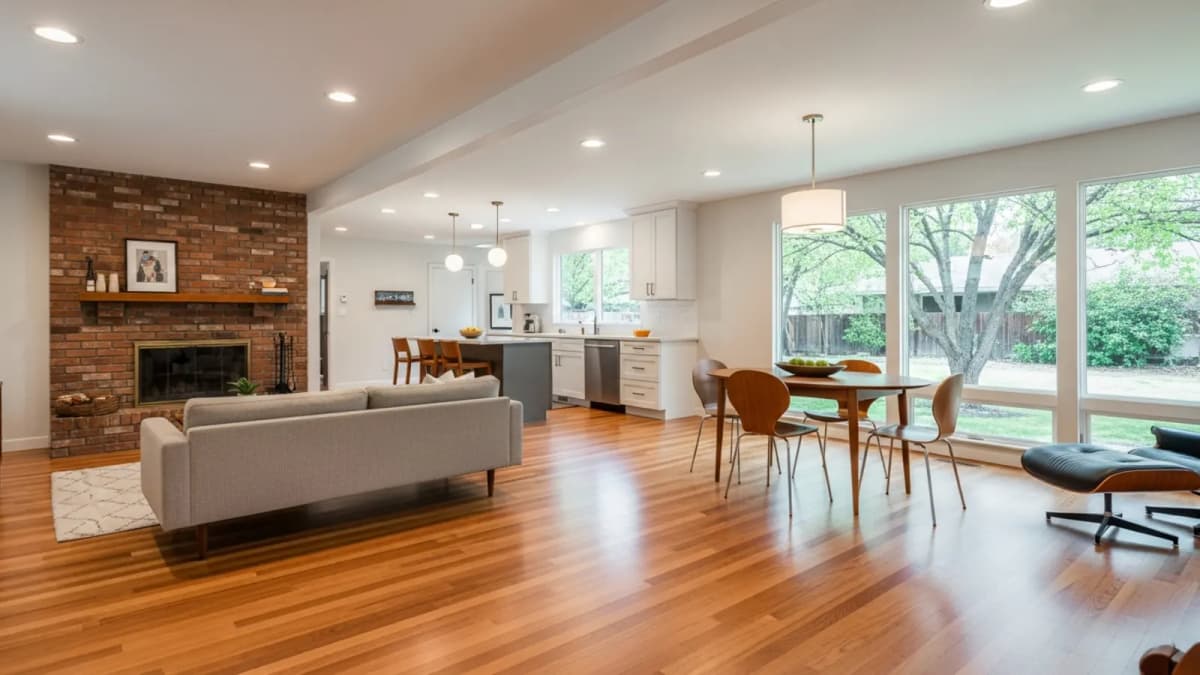
Whole-Home Remodeling on the Boise Bench
Comprehensive renovations of 1940s–1970s Bench homes — opening up galley floor plans, adding primary suites, modernizing mechanical systems end-to-end, while preserving the mid-century bones that make these properties distinctive.
Quick answer
Three main differences. First: no Historic District review on the Bench, so the Certificate of Appropriateness step drops out of the schedule entirely. Second: the housing stock is mid-century rather than Craftsman/Tudor — easier framing to work with, simpler trim profiles, less period-restoration work.
A whole-home remodel of a Boise Bench mid-century ranch is a fundamentally different project from a comparable North End Craftsman renovation, and understanding the differences is essential to making the right decisions. The Bench's housing stock is 60–80 years old (vs 80–120 for North End), built with platform framing rather than balloon framing (more compatible with modern construction), on simpler concrete-perimeter or slab foundations, with original mechanical systems that need full modernization but with somewhat fewer structural complications than the older Craftsman housing. The absence of Historic District review accelerates permitting significantly. The result: Bench whole-home remodels move from contract to construction without the Certificate of Appropriateness step that equivalent North End work carries. We do not publish a percentage or a week count for the gap — both depend on the specific scope and on Boise PDS review times at the moment you apply.
A whole-home remodel approach varies based on what era of Bench home you own. The original construction methods, mechanical baseline, and architectural character differ across the four eras.
1940–1955: Early post-war minimal traditional
Smaller homes with steeper roof pitches and simple massing. Original construction with platform framing, lath-and-plaster walls (transitioning to early drywall by late 1940s), original wood floors over fir joists. Whole-home scope: full mechanical modernization, structural openings to combine cramped original spaces, primary suite addition often required (most homes lack a true primary suite). Timeline 5–8 months.
1955–1965: Classic post-war ranch
The defining Bench era. Single-story ranches on uniform lots. Platform framing, concrete-perimeter foundations with crawlspaces, original red oak strip flooring throughout, plaster transitioning to drywall, copper supply with cast-iron drains, 100-amp electrical service typical. Whole-home scope: galley kitchen open-up (defining project), bathroom modernization, primary suite addition or expansion, system updates. Timeline 6–10 months.
1965–1975: Expanded ranch and split-level
Larger homes including expanded ranches and split-levels. Modern mechanical systems for the era (copper supply, cast-iron drains, 100-amp service). Wood-look paneling and dropped ceilings common in original construction. Whole-home scope: aesthetic modernization, kitchen and bathroom updates, sometimes split-level structural reconfigurations. Timeline 6–9 months.
1985–present: Infill and rebuilds
Modern homes with current mechanical systems. Whole-home remodel here is essentially aesthetic and layout reconfiguration rather than mechanical modernization. Timeline 4–6 months for substantial scope.
Bench whole-home remodels typically take one of four shapes, which inform timeline, budget, and the level of disruption to your daily life.
1. The Comprehensive Single-Phase Remodel
All work happens in one continuous push — kitchen, bathrooms, mechanical systems, structural openings, finishes, throughout the home. Owners typically move out for the duration. Most efficient construction approach, shortest total calendar time. Best for owners who can secure alternative housing for 5–10 months.
Target homes: Owners with capacity to relocate during construction. Vacant homes recently purchased. Permit: comprehensive building permit + all trade permits.
2. The Phased Live-In Remodel
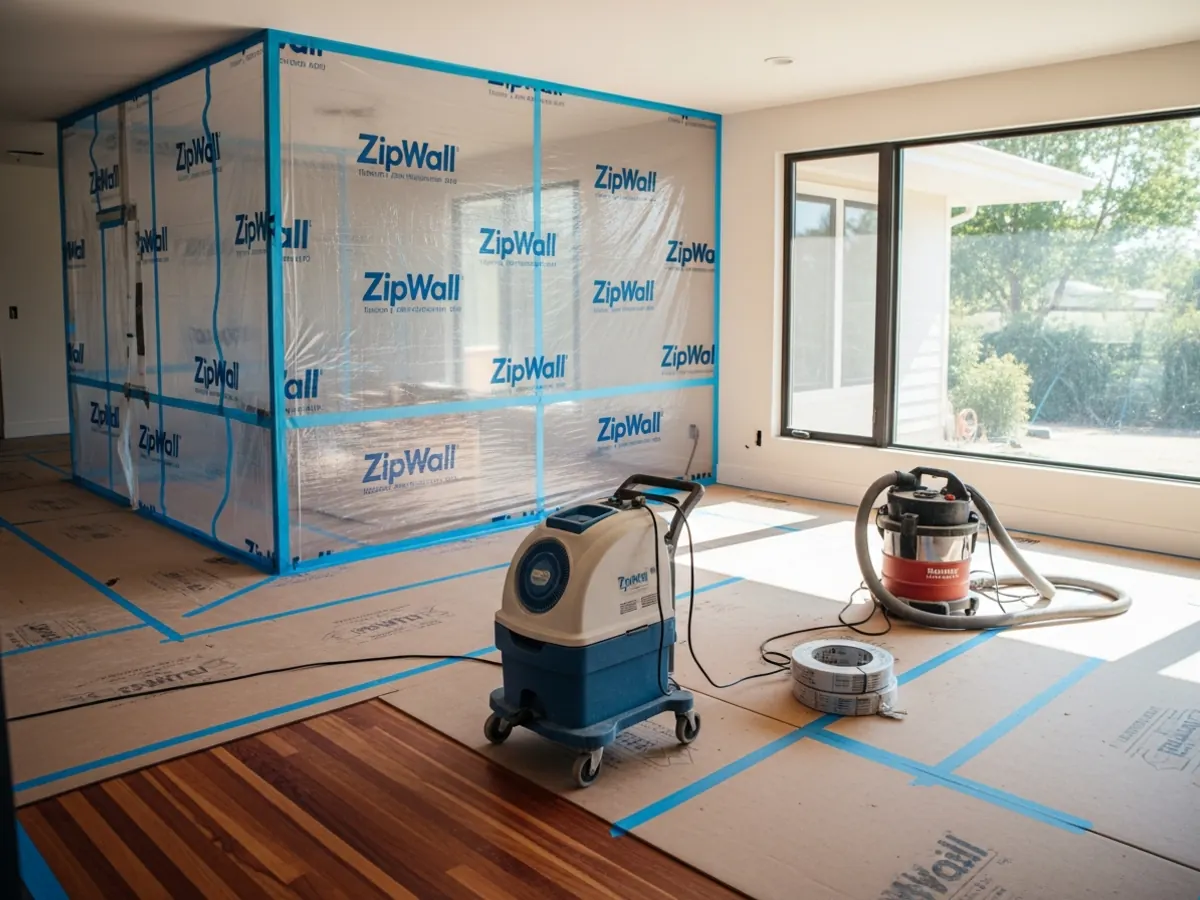
Work happens in zones — main floor first while owners use other areas, then bathrooms and bedrooms while main floor is done. Adds 2–3 months to calendar time but allows owners to remain in residence. Requires careful dust control (ZipWall, HEPA scrubbers).
Target homes: Owners who cannot or prefer not to relocate. Permit: phased building permit with separate inspection schedules per phase.
3. The Main-Floor-Only Whole Remodel
Comprehensive renovation of the main living area only — kitchen, dining, living, often a powder bath or primary bath, mechanical updates that cross zones — leaving bedrooms and other bathrooms untouched. Allows owners to live in non-renovated zones throughout construction. The most common Bench whole-home scope.
Target homes: Owners who want the high-impact spaces (kitchen, living areas) modernized but don't need bedroom-level changes. Permit: building permit for affected zones.
4. The Down-to-Studs Restoration
The deepest possible scope: original interior surfaces removed, original framing inspected and reinforced, full re-insulation, complete mechanical replacement, new windows, sometimes structural reconfiguration. Common when the home has been poorly renovated previously. Approaches new-construction cost per square foot.
Target homes: Homes with multiple failed previous renovations, severe deferred maintenance. Permit: full building permit suite.
5. The Kitchen + Primary Suite Bundle
Two-room focused scope — kitchen (or kitchen + opened dining), plus primary bedroom and primary bathroom (often expanded by absorbing an adjacent closet or smaller bedroom). Captures most of the ROI of a whole-home remodel at half the scope.
Target homes: Owners with limited budget for whole-home but wanting to address daily-driver spaces. Permit: building permit for affected zones.
The Boise Bench is made up of distinct sub-neighborhoods, each with its own remodeling personality.
Vista
One of the most recognized sub-neighborhoods on the Boise Bench, centered around Vista Avenue between the Boise River and Overland Road. Post-war homes on uniform lots with mature street trees and good walkability to local commercial corridors. A heavy concentration of small ranch and minimal-traditional homes that respond well to galley-kitchen open-ups, primary-suite additions, and aesthetic modernization.
Central Bench (Curtis & Targee corridor)
The geographic core of the Bench, running along Curtis Road and Targee Street between I-84 and Overland. The City of Boise's Central Bench Neighborhood Plan records that the neighbourhood changed significantly during and after World War II, when agricultural land was subdivided into residential lots, and that new homes were built west of Orchard Street from the mid-1950s through the 1970s. Blueprint Boise designates the Central Bench primarily for compact-neighbourhood form — small lots, typically between 5,000 and 7,000 square feet, predominantly single-family, on an interconnected network of sidewalks and streets. Galley kitchen conversions are the dominant remodeling project type here.
Eastern Bench / Overland
The eastern edge of the Bench around Overland Road, with a mix of ranch and split-level homes. Lots tend to be slightly larger. Closer to mall-adjacent commercial corridors and major transit routes.
Western Bench / Roosevelt Market area
The western edge of the Bench near the Roosevelt Market and Capitol corridor. Some of the older Bench housing stock sits here, with steeper roof pitches and smaller footprints than the post-war ranches further east. Closer to downtown amenities and walkable.
Greenbelt-adjacent Bench
Bench properties along the elevated edges of the Boise River bluff with views down to the Greenbelt and the river. Frequently subject to view-preserving design considerations during exterior work — though without formal Historic District constraints.
Lower Bench (I-84 frontage)
The southern edge of the Bench close to I-84, on smaller lots and often with more traffic noise from the freeway. Common to combine kitchen, bathroom, and primary-suite remodels into a single comprehensive scope.
Most Boise whole-home remodel projects run $85,000 to $350,000 and up — the band published on our Boise whole-home remodel page. The ranges below run higher than that band because of the Bench's pre-1980 housing stock, where asbestos testing, lead-safe work practices and original-systems discovery are part of the base scope rather than an add-on. Whole-home pricing on the Bench reflects mid-century home modernization realities — environmental remediation, structural openings, mechanical modernization, and aesthetic refresh. The shorter permit path and simpler framing take work out of the schedule that District projects have to carry.
Boise Bench whole-home remodeling ranges
Main-floor-only whole remodel (comprehensive remodel of main level, bedrooms untouched): $165,000–$345,000 / 4–7 months end to end
Kitchen + primary suite bundle (focused two-room scope capturing highest-ROI rooms): $135,000–$265,000 / 5–8 months end to end
Comprehensive single-phase (all rooms, mechanical, structural, finishes — owners relocated): $245,000–$485,000 / 5–10 months end to end
Phased live-in (comprehensive scope spread over multiple phases with owners in residence): $285,000–$555,000 / 8–12 months end to end
Down-to-studs restoration (deepest possible scope, often near new-construction cost): $385,000–$620,000+ / 10–14 months end to end
All ranges assume Iron Crest's standard scope: full City of Boise permitting, environmental testing and required abatement on all pre-1980 materials, EPA RRP lead-safe work practices for pre-1978 homes, structural engineering for any structural openings, comprehensive mechanical updates (electrical service to 200-amp, full repipe of supply lines, HVAC modernization), and a 3-year workmanship warranty. Contingency budget of 15–18% above contract value should be held for older-home discovery.
The City of Boise designates ten historic districts, and the Boise Bench is not one of them and does not sit inside one. There is no Historic Preservation Commission review for exterior modifications, so siding changes, window replacements, additions, and exterior colour changes don't trigger the Certificate of Appropriateness process that constrains North End and East End projects. That removes a review step from the pre-construction schedule on any Bench exterior scope; confirm current review timelines with Boise PDS for your specific project.
City of Boise standard permits still apply for any work involving electrical, plumbing, structural changes, or mechanical systems. A scope that includes new circuit additions, moving a gas line, or removing a load-bearing wall requires a building permit from City of Boise Planning and Development Services. Permit processing for Bench projects takes about two weeks for online plan review per Boise PDS, longer with structural drawings — without the historic-review overlay that North End projects carry. Building Division: (208) 608-7070. Planning & Zoning: (208) 608-7100.
Asbestos and lead paint remain serious considerations on the Bench, despite the absence of Historic District review. Pre-1980 Bench homes (which is most of the housing stock) commonly contain asbestos in floor tiles, joint compound, and sometimes pipe insulation. We test suspect pre-1980 materials and arrange AHERA-accredited abatement when asbestos is confirmed. Pre-1978 Bench homes contain lead paint. The EPA RRP rule requires lead-safe work practices for any renovation in lead-paint homes — including containment, specialized HEPA vacuuming, and proper disposal. Iron Crest follows EPA RRP lead-safe work practices and incorporates them into the standard scope on every pre-1980 Bench project.
Bench-specific permit consideration: setbacks. Blueprint Boise designates the Central Bench primarily for compact-neighbourhood form, with small lots typically between 5,000 and 7,000 square feet, so additions or detached structures must navigate side and rear setbacks carefully. Boise's residential zoning code sets no maximum lot coverage, so the binding constraint on a Bench addition is almost always the setback envelope rather than a coverage percentage. Zoning verification during initial design is critical to avoid late-stage redesigns.
Bench whole-home material strategy is about consistency across rooms and clean modern aesthetics that complement mid-century architecture. The materials should read as a deliberate update of mid-century bones rather than imposing a foreign architectural vocabulary.
Flooring
If original red oak strip flooring extends through living areas and is in good condition, refinish and preserve it throughout — this is the strongest single decision in a Bench whole-home remodel. Original flooring carries through every room and ties the house together visually. For rooms where original wood is missing, engineered red oak in matching tone and width (2 1/4″ strip to match Bench-era proportions). For wet areas (kitchens, bathrooms, mudrooms), porcelain tile or LVP in modern patterns.
Trim and millwork
Original Bench trim profiles are simpler than Craftsman or Tudor — typically 1×4 or 1×6 painted casings with simple profiles. New trim in matching profiles, painted to match. The simplicity is a strength — easier to source, less expensive than custom-milled period profiles. Where original trim is salvageable, refinish and reinstall. Where new trim is required, stock fir or pine in matching profile, painted in soft warm white throughout for visual continuity.
Wall finishes
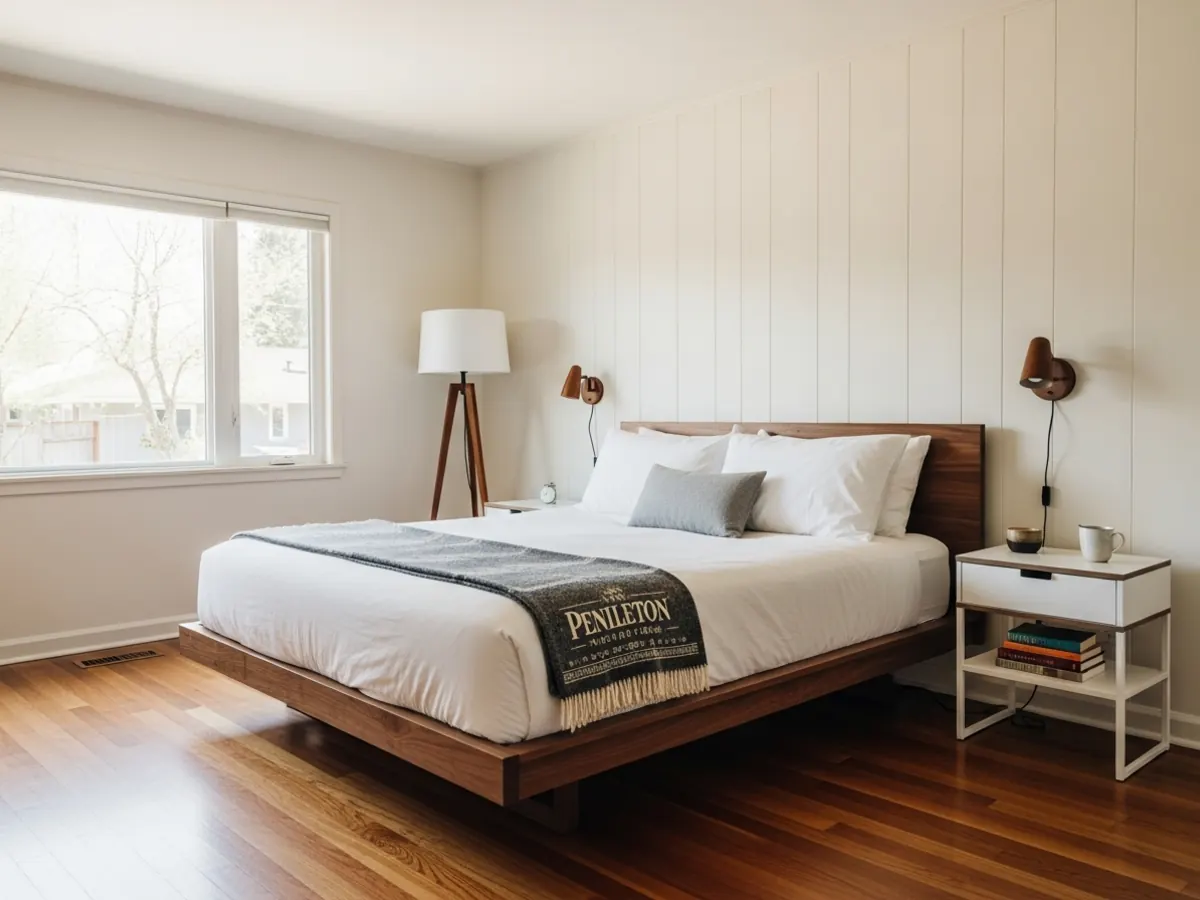
Original plaster walls (where present in early Bench homes) skim-coated and painted. Drywall on later-era walls patched and painted. New drywall to Level 5 finish in primary spaces. Paint colors: warm whites, muted greys (Benjamin Moore Edgecomb Gray, Sherwin Williams Agreeable Gray), soft greens for primary spaces; deeper saturated colors (navy, forest green) for accent walls and built-ins. Some Bench owners preserve a single feature wall of original mid-century wood paneling, painted in soft warm white to keep the texture visible.
Cabinetry across rooms
Full-overlay shaker cabinets in painted finishes — same door profile, same paint specification, same hardware family across kitchen, bathrooms, mudroom, laundry, built-ins. The result is visual coherence that makes the home feel intentional. Avoid: ornate raised-panel doors (too traditional for mid-century), heavy oak stained cabinets (read as 1980s).
Lighting
A coherent lighting plan: brushed-nickel or matte-black profiles in mid-century-style fixtures (smoked glass pendants, cone shades, simple linear bars). Layered lighting in every room — recessed cans for general, pendants for tasks and accent, sconces in bathrooms and key locations. 2700K–3000K color temperature throughout. Avoid: traditional chandeliers (too period-formal), cool-white 4000K (too clinical for residential).
Mechanical systems
200-amp electrical service standard, full panel replacement and rewire of any knob-and-tube or original cloth-insulated wiring (less common on the Bench than North End but occasional). Full repipe of supply lines from main shutoff to fixtures with PEX or copper. HVAC: high-efficiency furnace and central air. Insulation: spray foam in walls being opened, blown cellulose in attic to R-49+, rigid foam at rim joists.
Bench whole-home remodels surface predictable older-home discovery items. Build a 15–18% contingency for these patterns.
- •Whole-house galvanized supply lines requiring full repipe. Pre-1965 Bench homes typically have galvanized steel supply throughout. Whole-home repipe with PEX or copper: $8,500–$16,000 typical for a 1,500 sq ft home.
- •Knob-and-tube or cloth-insulated wiring. Less universal than North End but present in some pre-1955 Bench homes. Replacement to modern Romex on 200-amp panel: $11,000–$24,000 for a typical Bench home.
- •Severely undersized 100-amp electrical panel. Typical in pre-1975 Bench homes. Modern whole-home loads need 200-amp service. Service upgrade with new meter base coordination through Idaho Power: $4,500–$9,000.
- •Asbestos in flooring, joint compound, pipe insulation, ducts. Universal in pre-1980 Bench homes. Whole-home remodel surfaces all of it. Comprehensive abatement: $4,500–$10,000.
- •Lead paint throughout. Universal in pre-1978 homes. EPA RRP lead-safe work practices throughout. Built into pricing.
- •Insufficient or non-existent insulation throughout. Pre-1980 Bench homes typically have minimal wall insulation. Whole-home remodel that opens walls is the only opportunity to insulate to current code. Wall spray foam + attic blown cellulose: $7,500–$16,000.
- •Foundation issues — settling, cracks, water infiltration. Concrete-perimeter foundations 60–80 years old often show settling cracks and minor water entry. Foundation repair: $3,500–$22,000 depending on extent.
- •Original cast-iron drain stack failure. 60–80-year-old cast iron drain stacks sometimes have advanced corrosion warranting replacement. Main stack: $4,500–$8,500.
- •HVAC system end-of-life. Original 1960s–1980s furnaces and AC units in many Bench homes are at or past end of service life. Full HVAC replacement: $11,000–$22,000.
Initial consultation and scope discovery (Weeks 1–2)
Multiple in-home walkthroughs covering every room. Existing conditions photography. Mechanical assessment by HVAC, electrical, and plumbing partners. Structural engineer's pre-design walk if structural changes are anticipated.
Environmental testing (Weeks 2–3)
Comprehensive asbestos and lead testing across all suspect materials. Results inform what abatement is required.
Design development and detailed estimating (Weeks 3–8)
Full design package across all rooms in scope. Iterative review with you. Detailed line-item estimate with contingency called out separately.
Permitting and material ordering (Weeks 8–14)
Comprehensive building permit application. Confirm current permit turnaround with Boise PDS; whole-home scope runs well past the two weeks Boise PDS quotes for online plan review. Cabinet, custom millwork, windows, fixtures, and tile ordered with phased delivery.
Mobilization and abatement (Weeks 14–18)
Site setup, ZipWall containment if owners are in residence. Licensed abatement contractor handles asbestos work. Lead-safe practices begin.
Demolition, structural, mechanical rough-in (Weeks 18–28)
Selective demolition by zone. Structural openings with new beam installations. Comprehensive plumbing repipe. Electrical rewire and panel upgrade. HVAC rough-in or replacement. City of Boise rough-in inspections.
Insulation, drywall, finish prep (Weeks 28–34)
Spray foam or batt insulation in opened walls. Blown cellulose in attic. Drywall installation with Level 5 finish in primary spaces.
Cabinetry, tile, flooring, finish carpentry (Weeks 34–42)
Cabinet installations across all rooms. Tile work in kitchens and bathrooms. Flooring refinish (original) and install (new). Finish carpentry. Painting.
Final fixtures, inspections, walkthrough (Weeks 42–50+)
Lighting and plumbing fixtures installed. Appliances installed. Final inspections. Comprehensive punch-list walk. Final walkthrough and sign-off. 3-year workmanship warranty begins.
Whole-home remodels of older Bench homes are a different category from kitchen or bathroom work. The contractor needs project management depth for 4–14 month engagements, financial stability through long projects, and the technical experience to navigate the unknowns in a 60–80 year old building.
- City of Boise Planning & Development Services — Building, electrical, plumbing, and mechanical permits. Online portal and in-person plan check.
- Idaho DEQ Air Quality (Asbestos) — Testing and abatement guidance for pre-1980 homes via the Idaho Department of Environmental Quality.
- EPA Lead Renovation, Repair and Painting (RRP) Program — Required certification and work practices for renovation in pre-1978 lead-paint homes.
- Idaho Power — Rebates & Offers — Idaho Power's residential incentives: the Heating and Cooling Efficiency Program (heat pumps, central air conditioners, duct sealing, smart thermostats, heat pump water heaters, whole-house fans and similar equipment), the A/C Cool Credit, and the Shade Tree Project. Windows and insulation are not covered.
- Idaho DOPL — Contractor Search — Verify any contractor's RCE registration through the official Idaho DOPL license search.
How does a Bench whole-home remodel differ from a North End one?
Three main differences. First: no Historic District review on the Bench, so the Certificate of Appropriateness step drops out of the schedule entirely. Second: the housing stock is mid-century rather than Craftsman/Tudor — easier framing to work with, simpler trim profiles, less period-restoration work. Third: the shorter permit path and simpler framing take work out of the schedule that District projects have to carry.
Do I need to move out for a whole-home Bench remodel?
Comprehensive single-phase remodels (all rooms simultaneously) require relocation. Phased live-in remodels allow you to stay by working in zones, but extend the calendar by 2–3 months. Main-floor-only whole remodels often allow you to stay if you can use bedroom-level bathrooms and tolerate dust controls. We discuss options during initial consultation.
How long does a Bench whole-home remodel take?
4–7 months for main-floor-only; 5–10 months for comprehensive single-phase (relocated); 8–12 months for phased live-in; 10–14 months for down-to-studs restoration. Permit processing for whole-home scope runs well past the two weeks Boise PDS quotes for online plan review; confirm the current timeline with Boise PDS. Cabinetry and custom millwork lead times often run 6–10 weeks.
What does it cost?
$135,000 (kitchen + primary suite bundle on a smaller ranch) to $620,000+ (down-to-studs restoration). Most Bench whole-home remodels we complete fall in the $245,000–$425,000 range. Per-square-foot cost varies $120–$260 depending on scope depth and material selections.
How do you handle change orders?
Every change order documented in writing with cost, schedule impact, and clear scope before work begins. Discovery items drawn against the contingency budget defined at contract signing. Owner-initiated changes quoted as separate change orders. Weekly written summary of all change orders and contingency draws.
What contingency budget should I plan for?
15–18% of contract value for a whole-home remodel of a pre-1980 Bench home. This is reality-based budgeting reflecting predictable older-home discovery — galvanized supply lines, original cast-iron drains, undersized electrical service, asbestos, lead paint, foundation issues, insulation gaps, HVAC end-of-life. A $300,000 contract should plan on $45,000–$54,000 in available contingency.
Can you preserve the mid-century character?
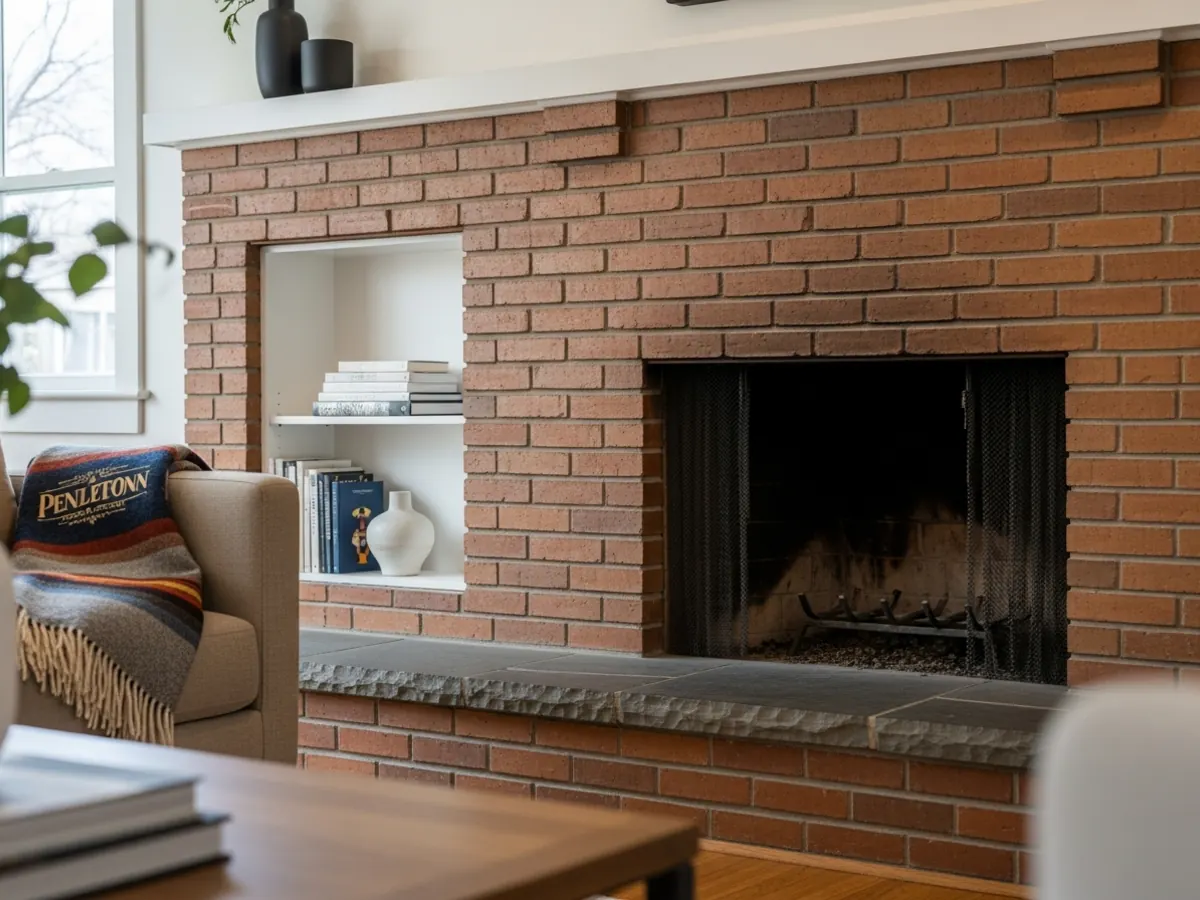
Yes. Mid-century preservation in a whole-home remodel includes refinishing original red oak flooring throughout, retaining original brick fireplaces, sometimes preserving a feature wall of original wood paneling, and choosing modern finishes that complement rather than fight the home's bones. The result is a home that reads as 'thoughtfully modernized' rather than 'gutted and reset.'
What's the ROI on a Bench whole-home remodel?
We do not publish a cost-recovery percentage for it. The figures that circulate are national survey averages rather than Ada County appraisal data, and we have none of our own to cite. Your agent or appraiser can tell you what comparable sales on your street are actually doing; we can tell you what the work costs and what it fixes. What a whole-home remodel demonstrably does is bring a 1950s or 1960s Bench house up to current electrical, plumbing and HVAC standards in one pass, which is the thing a buyer's inspector will look for.
Ready to start your Boise Bench whole-home remodeling project?
Free in-home consultation, honest contingency-based budgeting, and the experience Boise homes require. Iron Crest Remodel — Idaho RCE #6681702, EPA RRP lead-safe work practices, $2M general liability, 3-year workmanship warranty.
Get Your Free Estimate