
Home Additions Across Vista, Curtis / Targee, Roosevelt Market & Eastern Bench
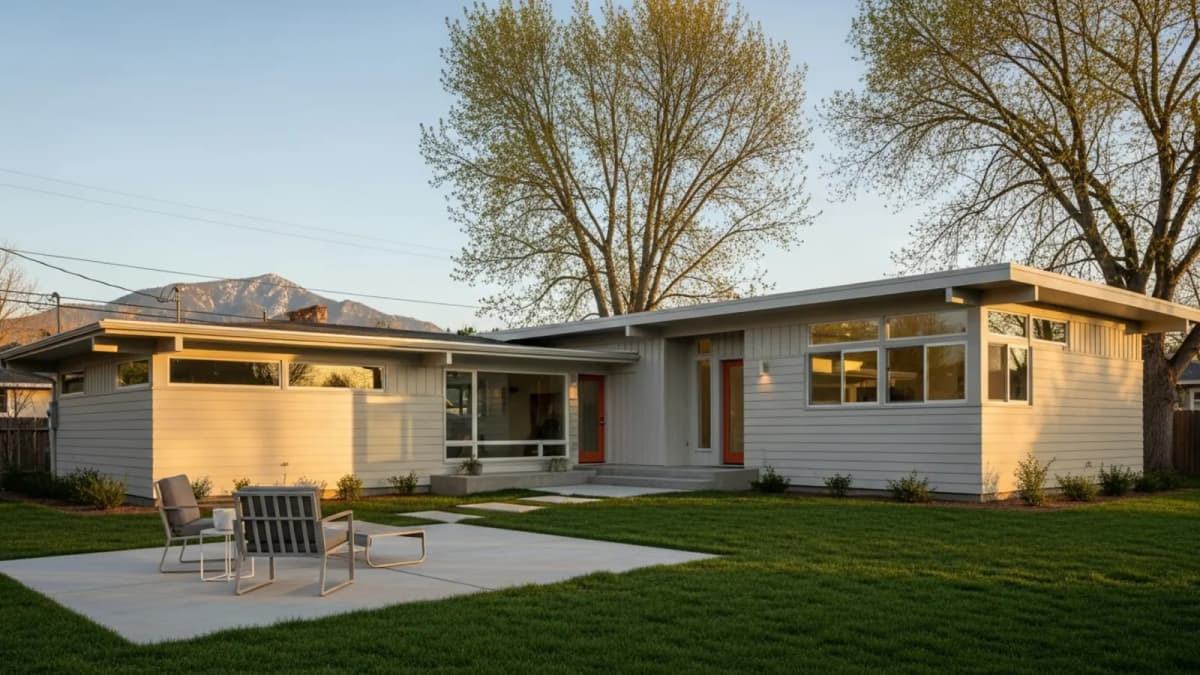
Rear-yard primary suites on compact alley-access ranch lots, basement bonus rooms on Eastern Bench daylight split-levels, garage swaps on Roosevelt Market homes, and second-stories where lot and foundation support it — mid-tier spec calibrated to the Bench housing stock.
Quick answer
No. The Boise Bench is not within any City of Boise Historic District. No HPC Certificate of Appropriateness review applies, which removes that step from the end-to-end timeline vs. equivalent North End scope.
Home additions on the Boise Bench operate inside a uniform lot geometry that doesn't repeat anywhere else in Boise. The 1940–1965 ranch and minimal-traditional housing stock that dominates Vista, Curtis / Targee, Roosevelt Market, and the Lower Bench was platted on compact lots with alley access at the rear — which means a primary suite addition on a 1955 Curtis / Targee ranch is almost always a rear-yard addition extending toward the alley, not a side-yard addition (no side-yard depth exists) and almost never a wraparound. The alley becomes the construction-access advantage: materials in, demo out, dumpster placement, and trades parking all happen at the rear without disrupting the front-yard streetscape. Beyond the dominant rear-yard primary suite, the second-most-common shape is a basement bonus-room conversion on 1965–1985 Eastern Bench split-level homes with daylight basements — substantially cheaper than a detached addition because the shell already exists and only conditioning, finishing, and egress windows are scope. The third is a garage-to-living conversion plus a new alley-accessed garage build on lots where the existing garage location is better suited to living space than to vehicle storage. Iron Crest's Bench addition playbook anchors on three universal-scope items: pre-1978 EPA RRP lead-safe work practice on every existing-house tie-in (universal in pre-1980 Bench stock), pre-1965 service upgrade from 60A or 100A to 200A as part of addition scope (existing service is almost always undersized for added load), and whole-home re-pipe coordination at the addition time when galvanized supply or cast iron drains are present in the original construction. The Bench is not within any Historic District, so no HPC Certificate of Appropriateness review applies — additions move at standard City of Boise permit speed, without the Certificate of Appropriateness step that North End scope carries.
Bench addition strategy is driven by what era of original construction the home represents and what the lot allows. The compact alley-access geometry is uniform, but original foundation, framing, and mechanical systems differ sharply by decade.
1940–1955 Roosevelt Market and Western Bench early post-war minimal traditional
Originals on perimeter foundations with crawlspaces. Steeper roof pitches than later ranches. Original 60A electrical service — almost always needs upgrade to 200A as part of any addition scope. Pre-1965 cast iron drains and galvanized supply universal — whole-home re-pipe usually warranted at addition time. Universal pre-1978 EPA RRP. Pre-1980 asbestos pre-screen on existing-house materials.
1955–1965 Vista, Curtis / Targee, and central Bench classic post-war ranch
Single-story ranches on perimeter foundations or slabs. Low-slope roofs typical. Original 100A electrical service in most cases — still inadequate for addition load, 200A upgrade as part of scope. Pre-1965 cast iron drains and galvanized supply still universal. Original primary bedroom almost always small (11x12 or 12x13) and shares hall bath — primary suite addition is the most common Bench scope by volume.
1965–1985 Eastern Bench / Overland expanded ranch and split-level with daylight basements
The 1965+ Eastern Bench split-level with daylight basement is the unique sub-category — basement bonus-room conversion is substantially cheaper than detached addition because the shell already exists. Daylight orientation supports egress windows for legal bedrooms. ABS or cast iron drains, copper supply usually present, 100A service common (upgrade to 200A still typical). EPA RRP for pre-1978 subset only.
1985–present Bench infill and rebuilds
Modern construction with current foundations and framing. Less likely to need a major addition since these homes were built to current size expectations. When addition is scoped, it's essentially new-construction work with no environmental overhead.
Bench additions fall into five recurring shapes set by the compact alley-access lot geometry, the era of the original house, and what the existing electrical and plumbing service can support.
1. The Rear-Yard Primary Suite Addition (the dominant Bench addition shape)
400–650 sq ft single-story rear-yard addition off a 1955-era Vista, Curtis / Targee, or Roosevelt Market ranch. Bedroom (typically 14x16), walk-in closet, Schluter-tiled primary bath with double vanity. Connects to existing home at the original rear wall, often through the existing primary bedroom which becomes a transition corridor or built-in closet zone. Alley-access construction sequencing minimizes front-yard disruption. Almost always paired with 100A-to-200A service upgrade and frequently with whole-home re-pipe.
Target homes: 1940–1965 Bench ranches with rear-yard depth meeting setback. Permit: building permit with structural drawings, no HPC review.
2. The Rear Bump-Out (Kitchen or Family Room Expansion)
150–350 sq ft single-story rear bump-out extending the kitchen, adding a family or breakfast room, or absorbing an existing rear porch into the heated envelope. Lower cost and shorter timeline than primary suite scope. Often combined with a kitchen wall-removal so the existing galley kitchen opens to the new addition for modern gathering scale. Alley-access sequencing.
Target homes: Bench homes with rear-yard depth available. Permit: building permit. EPA RRP universal.
3. The Basement Bonus-Room Conversion (Eastern Bench Daylight Split-Level Specific)
Convert daylight basement of a 1965–1985 Eastern Bench split-level into legal bedroom, family room, home office, or full ADU-style scope. Substantially cheaper than detached addition because the shell already exists — scope is conditioning, finishing, egress windows for legal bedrooms, full bathroom rough-in tied to existing stack, and code-compliant ceiling height verification. Unique to Eastern Bench / Overland sub-area.
Target homes: 1965–1985 Eastern Bench split-level homes with daylight basement. Permit: building permit. EPA RRP for pre-1978 subset only.
4. The Garage-to-Living Conversion + New Alley-Accessed Garage
Convert existing attached or detached garage to living space (typically 250–500 sq ft of new conditioned area) and build a new garage at the rear of the lot off the alley. Common on Roosevelt Market and Vista lots where the existing garage placement is better suited to living space than to vehicle storage. The alley-access lot geometry makes the new-garage location straightforward. Frequently paired with 200A service upgrade.
Target homes: Bench homes with existing garage placements suboptimal for current use and rear alley access. Permit: building permits for both conversions.
5. The Second-Story Addition (Foundation-Permitting)
Add a full or partial second floor over a single-story 1955-era Bench ranch — typically 700–1,200 sq ft for primary suite, additional bedrooms, and bath. The most architecturally and structurally complex Bench addition shape. Pre-1965 perimeter foundations weren't sized for second-story load — structural engineering review of foundation, framing, and lateral load path is mandatory. Foundation reinforcement adds $25,000–$45,000 typically. Best for owners committed to long-term residence.
Target homes: Bench ranches with structurally adequate foundations or budgets for reinforcement. Permit: building permit with substantial structural drawings.
The Boise Bench is made up of distinct sub-neighborhoods, each with its own remodeling personality.
Vista
One of the most recognized sub-neighborhoods on the Boise Bench, centered around Vista Avenue between the Boise River and Overland Road. Post-war homes on uniform lots with mature street trees and good walkability to local commercial corridors. A heavy concentration of small ranch and minimal-traditional homes that respond well to galley-kitchen open-ups, primary-suite additions, and aesthetic modernization.
Central Bench (Curtis & Targee corridor)
The geographic core of the Bench, running along Curtis Road and Targee Street between I-84 and Overland. The City of Boise's Central Bench Neighborhood Plan records that the neighbourhood changed significantly during and after World War II, when agricultural land was subdivided into residential lots, and that new homes were built west of Orchard Street from the mid-1950s through the 1970s. Blueprint Boise designates the Central Bench primarily for compact-neighbourhood form — small lots, typically between 5,000 and 7,000 square feet, predominantly single-family, on an interconnected network of sidewalks and streets. Galley kitchen conversions are the dominant remodeling project type here.
Eastern Bench / Overland
The eastern edge of the Bench around Overland Road, with a mix of ranch and split-level homes. Lots tend to be slightly larger. Closer to mall-adjacent commercial corridors and major transit routes.
Western Bench / Roosevelt Market area
The western edge of the Bench near the Roosevelt Market and Capitol corridor. Some of the older Bench housing stock sits here, with steeper roof pitches and smaller footprints than the post-war ranches further east. Closer to downtown amenities and walkable.
Greenbelt-adjacent Bench
Bench properties along the elevated edges of the Boise River bluff with views down to the Greenbelt and the river. Frequently subject to view-preserving design considerations during exterior work — though without formal Historic District constraints.
Lower Bench (I-84 frontage)
The southern edge of the Bench close to I-84, on smaller lots and often with more traffic noise from the freeway. Common to combine kitchen, bathroom, and primary-suite remodels into a single comprehensive scope.
Most Boise home addition projects run $60,000 to $400,000 and up — the band published on our Boise home addition page. Bench addition pricing reflects three local realities: the uniform compact alley-access lot geometry simplifies construction sequencing relative to North End tight District frontages, the universal pre-1978 EPA RRP overhead applies to every existing-house tie-in, and the mid-tier finish spec is calibrated to the Bench housing stock rather than the premium North End tier.
Boise Bench home additions ranges
Rear bump-out (kitchen or family room expansion) (150–350 sq ft single-story rear addition): $95,000–$165,000 / 4–7 months end to end
Basement bonus-room conversion (Eastern Bench split-level) (Daylight basement conversion to legal bedroom or family room): $85,000–$165,000 / 4–7 months end to end
Garage-to-living + new alley-accessed garage (Convert existing garage, build new garage at rear alley): $105,000–$185,000 / 5–8 months end to end
Rear-yard primary suite addition (dominant shape) (400–650 sq ft single-story rear addition with bedroom, closet, full bath): $135,000–$245,000 / 5–9 months end to end
Second-story addition (700–1,200 sq ft second-floor with foundation reinforcement): $245,000–$385,000 / 8–12 months end to end
Pricing assumes Iron Crest's standard Bench scope: full City of Boise plan-review permit (no HPC review — Bench is not in a Historic District), structural engineering for addition framing and any required foundation reinforcement, EPA RRP lead-safe work practices on every existing-house tie-in (universal in pre-1980 Bench stock), pre-1980 asbestos pre-screen on disturbed existing-house materials, 100A-to-200A panel upgrade as part of scope on pre-1965 homes (typical), whole-home re-pipe coordination at addition time when galvanized supply or cast iron drains are present, exterior finish matching the original mid-century ranch aesthetic, full mechanical and finish work in the new space at the Bench mid-tier spec, and a 3-year workmanship warranty. Contingency budget of 12–15% above contract value should be held for connection-to-existing discovery work.
The City of Boise designates ten historic districts, and the Boise Bench is not one of them and does not sit inside one. There is no Historic Preservation Commission review for exterior modifications, so siding changes, window replacements, additions, and exterior colour changes don't trigger the Certificate of Appropriateness process that constrains North End and East End projects. That removes a review step from the pre-construction schedule on any Bench exterior scope; confirm current review timelines with Boise PDS for your specific project.
City of Boise standard permits still apply for any work involving electrical, plumbing, structural changes, or mechanical systems. A scope that includes new circuit additions, moving a gas line, or removing a load-bearing wall requires a building permit from City of Boise Planning and Development Services. Permit processing for Bench projects takes about two weeks for online plan review per Boise PDS, longer with structural drawings — without the historic-review overlay that North End projects carry. Building Division: (208) 608-7070. Planning & Zoning: (208) 608-7100.
Asbestos and lead paint remain serious considerations on the Bench, despite the absence of Historic District review. Pre-1980 Bench homes (which is most of the housing stock) commonly contain asbestos in floor tiles, joint compound, and sometimes pipe insulation. We test suspect pre-1980 materials and arrange AHERA-accredited abatement when asbestos is confirmed. Pre-1978 Bench homes contain lead paint. The EPA RRP rule requires lead-safe work practices for any renovation in lead-paint homes — including containment, specialized HEPA vacuuming, and proper disposal. Iron Crest follows EPA RRP lead-safe work practices and incorporates them into the standard scope on every pre-1980 Bench project.
Bench-specific permit consideration: setbacks. Blueprint Boise designates the Central Bench primarily for compact-neighbourhood form, with small lots typically between 5,000 and 7,000 square feet, so additions or detached structures must navigate side and rear setbacks carefully. Boise's residential zoning code sets no maximum lot coverage, so the binding constraint on a Bench addition is almost always the setback envelope rather than a coverage percentage. Zoning verification during initial design is critical to avoid late-stage redesigns.
Bench addition material strategy is calibrated to the mid-century ranch aesthetic. The exterior must read as continuous with the original ranch; the interior matches the rooms the addition connects to.
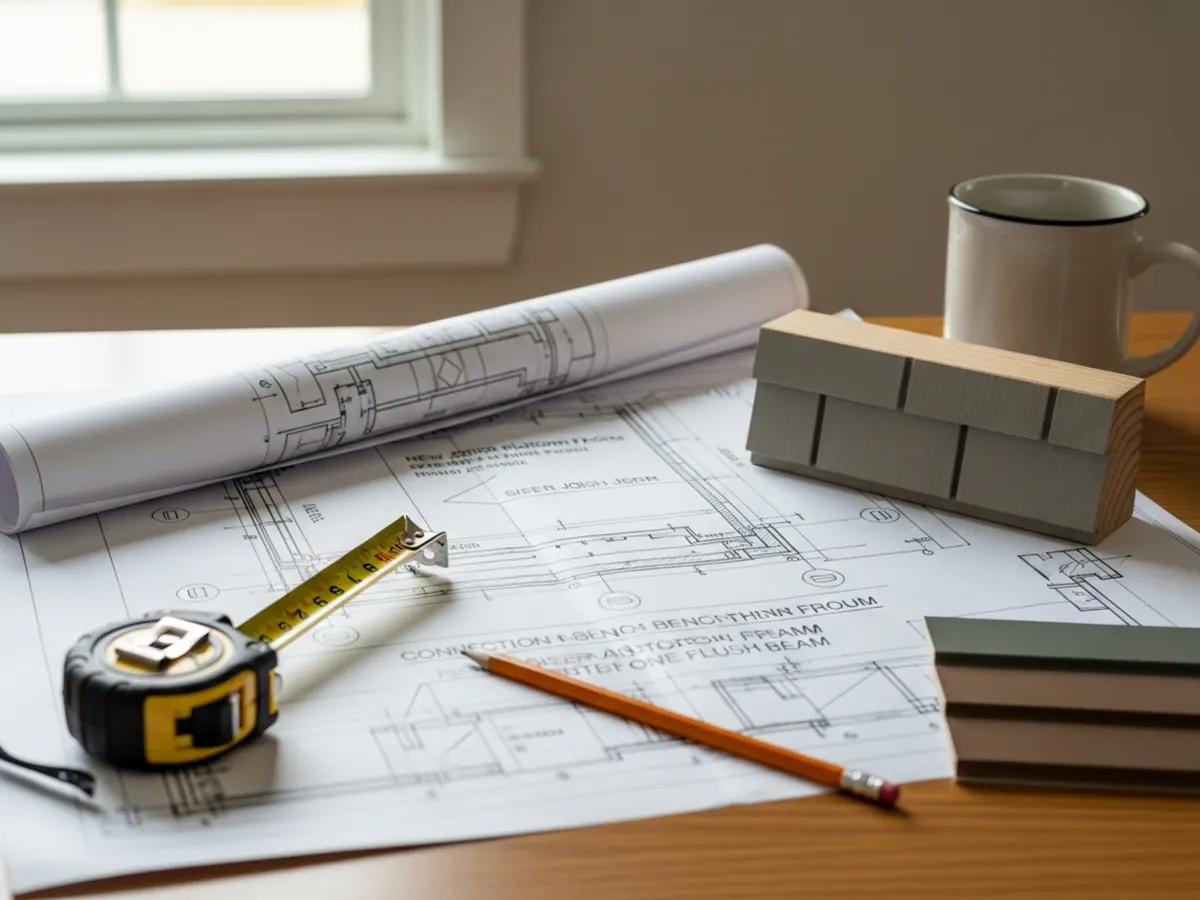
Exterior siding — match the original ranch lap profile
Most 1955-era Vista and Curtis / Targee ranches have original 7-inch reveal painted lap siding. Match with Hardie fiber cement or LP SmartSide in matching reveal and color. For homes with brick veneer accents on the front elevation, match brick where the addition is visible from the front; rear-yard additions can use all-lap construction without compromising aesthetic. Cost: $12–$18 per square foot installed.
Roof and trim — low-slope matching original
Roof pitch matches the existing original — low-slope (3:12 to 4:12) for most Bench ranches. Architectural composition shingle in matching color. Simple modern soffits, fascia, and eave detail without the Craftsman exposed-rafter-tail vocabulary or Tudor half-timbering that drives North End cost premium. Window and door trim casings stock fir or pine in simple profile.
Windows — modern dual-pane in ranch-appropriate proportions
Marvin Essential, Pella Lifestyle, or Andersen 100-Series in larger sizes that complement original ranch architecture — picture windows, casements, sliders. Without Historic District scrutiny, vinyl windows are acceptable on rear-yard additions where exterior match isn't critical. Mid-tier wood-clad or fiberglass-clad for visible front-elevation work. $1,200–$2,200 per opening typical.
Foundation — match existing settlement profile
New concrete spread footings poured to match existing depth and bearing. For homes with crawlspaces, addition crawlspace ties to existing with proper ventilation. For homes with daylight basements (Eastern Bench split-level), addition either sits on its own crawlspace foundation or extends basement (more usable space but more cost). 60–80-year-old original foundations have settled differentially — engineered transitions are mandatory.
Interior finish — match adjacent rooms, mid-tier spec
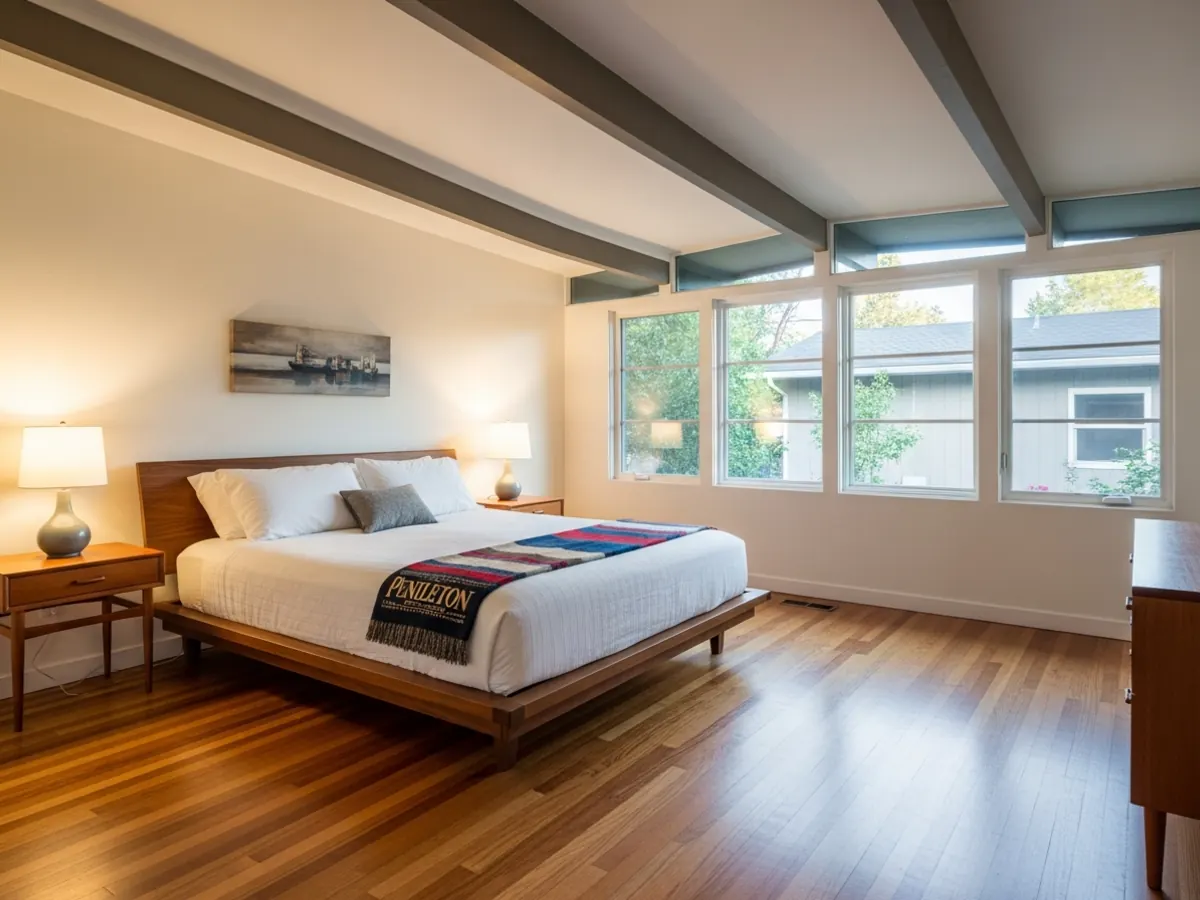
Engineered red oak (2¼-inch to 4-inch plank) in primary spaces matching adjacent original refinished red oak for visual continuity. Stock cabinetry in any new bath, primary suite, or built-ins — semi-custom only when premium-tier ($1,800/sf+) brief applies. Schluter-Kerdi waterproofed walk-in shower in primary bath. Drywall finished to Level 4 to match original. Stock matching trim profile painted to match.
Mechanical integration — service upgrade and whole-home coordination
Existing furnace and ductwork is usually undersized for additional load on pre-1990 systems — addition typically requires either upgraded furnace, second zone, or dedicated mini-split heat pump for the new space. Plumbing: tap existing supply and drain locations or extend. Electrical: 60A or 100A service upgrade to 200A on pre-1965 homes (typical). Whole-home re-pipe coordination at addition time when galvanized supply or cast iron drains are present.
Bench additions surface a recurring set of conditions related to the 60-to-85-year-old existing-house tie-in. The compact alley-access lot geometry is uniform but every other system varies — pre-screen during consultation to budget honestly.
- •Pre-1965 60A or 100A electrical service requiring 200A upgrade Original electrical service is universally undersized for addition load on pre-1965 Bench homes. 200A panel upgrade is part of standard addition scope: $3,500–$5,500.
- •Pre-1965 cast iron drains and galvanized supply requiring whole-home re-pipe Pre-1965 Bench stock universally has cast iron drains and galvanized supply. Replacing only the addition's piping leaves the rest of the home failing. Whole-home re-pipe coordination at addition time: $18,000–$45,000 — substantially cheaper than re-pipe later as separate project.
- •Pre-1980 asbestos in existing-house materials disturbed at tie-in Universal in pre-1980 Bench stock — siding products, sheathing paper, popcorn ceilings, sheet flooring, mastics. Licensed abatement before disturbance at tie-in: $2,500–$8,500.
- •Lead paint dust during existing-wall demo (universal pre-1978 Bench scope) EPA RRP lead-safe containment, HEPA-only sanding, lead-safe disposal at every tie-in. Built into Iron Crest's Bench addition pricing rather than added as discovery: $3,500–$11,500 depending on disturbance scope.
- •Foundation settlement requiring engineered transitions Original Bench perimeter foundations have settled differentially over 60–85 years. New addition foundation must accommodate without inducing structural problems. Engineered transitions: $2,500–$7,500.
- •Original framing requiring reinforcement at connection Pre-1965 platform framing connects to modern framing through engineered details. Sistering, reinforcement at the connection zone, header replacement where original walls become interior: $2,500–$7,000.
- •Existing HVAC capacity for added load Pre-1990 HVAC almost always undersized for addition. Solutions: dedicated mini-split heat pump for the new space ($4,500–$8,500), new zone tied to existing system ($3,500–$7,500), or full system replacement when end-of-life ($14,000–$32,000).
- •Existing roof connection requiring flashing and partial reframing Connecting new addition roof to existing low-slope ranch roof requires careful flashing detail. Sometimes existing roof needs partial reframing at the connection zone. $1,500–$5,500.
- •Setback verification on uniform narrow frontages Bench lot setbacks (typically 5' side, 20' rear, 20' front for R-1C zoning) sometimes constrain addition footprint. City of Boise zoning review during permit submittal catches most issues; setback variance hearings: $3,500–$8,500 typical when needed.
- •Egress window scope for basement bonus-room legal bedroom conversion Eastern Bench split-level basement bonus-room scope — converting to legal bedroom requires code-compliant egress window with window well: $4,500–$7,500 per opening including excavation.
- •Daylight basement ceiling height verification (Eastern Bench split-level scope) Code-compliant finished ceiling height is 7 feet minimum. Some 1965–1975 Eastern Bench split-level basements have lower original ceilings requiring floor lowering ($14,000–$32,000) or working within existing condition.
Initial consultation and feasibility (Weeks 1–3)
On-site walkthrough, compact-lot assessment with setback envelope check, alley-access verification. Era walkthrough — Vista / Curtis / Targee 1955 ranch vs. Eastern Bench daylight split-level vs. Roosevelt Market early post-war. Pre-screen for asbestos and lead at tie-in points. Initial budget range based on shape and existing-system condition.
Design development (Weeks 3–10)
Floor plans, exterior elevations matching original mid-century ranch aesthetic, structural drawings. Iterative review. Service-upgrade and whole-home re-pipe scope decisions made here (cheaper now than later). Material specifications and finish selections at Bench mid-tier spec.
Permitting (Weeks 10–18)
City of Boise building permit application. No HPC review required (the Bench is not in a Historic District), which removes the Certificate of Appropriateness step entirely vs. equivalent North End scope. Confirm current permit turnaround with Boise PDS. Material orders placed during permit processing.
Site preparation and foundation (Weeks 18–22)
Site setup with alley-access dumpster placement and material staging. EPA RRP containment at existing-house tie-in points. Excavation for new foundation. Concrete pour for footings and stem walls. Backfill and prep.
Framing and shell (Weeks 22–28)
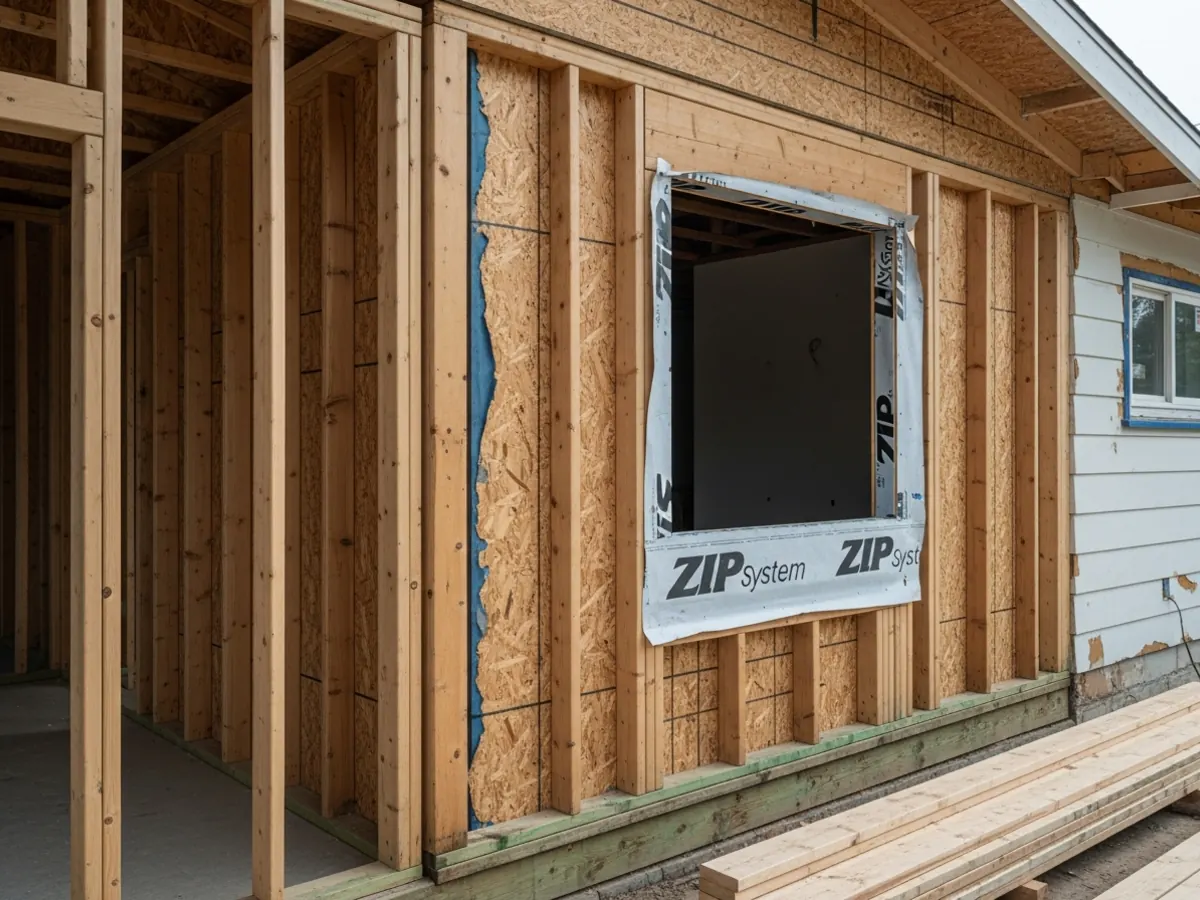
Floor framing, wall framing, roof framing matching the original low-slope pitch, sheathing. Window installation. Roof covering and exterior doors are not services Iron Crest offers — we sequence your roofer and door supplier into this window so the envelope closes once.
Connection to existing house and service upgrade (Weeks 28–32)
Cutting through existing rear exterior wall under EPA RRP containment, structural reinforcement at connection, weatherproofing the junction. 100A-to-200A panel upgrade. Whole-home re-pipe coordination if scoped. ZipWall containment of construction zone if owners are in residence.
Mechanical rough-in and insulation (Weeks 32–38)
Plumbing, electrical, HVAC rough-in throughout the new space. Mini-split heat pump or new zone for existing system. Insulation install. Drywall hang and finish.
Finishes, fixtures, and final inspections (Weeks 38–52)
Engineered red oak flooring matched to adjacent original. Schluter-Kerdi waterproofing in any new bath. Cabinetry, paint, trim, lighting, fixtures, hardware. Final mechanical and building inspections. Punch-list walk. Final walkthrough and sign-off. 3-year Iron Crest workmanship warranty begins.
Bench addition work requires comfort with 60-to-85-year-old original systems (knob-and-tube on the Roosevelt Market subset, galvanized supply universally, original ranch framing), uniform compact alley-access lot geometry sequencing, and the mid-tier finish discipline appropriate to Bench rent-and-value comparables rather than premium North End or Harris Ranch spec.
- City of Boise Planning & Development Services — Building, electrical, plumbing, and mechanical permits. Online portal and in-person plan check.
- Idaho DEQ Air Quality (Asbestos) — Testing and abatement guidance for pre-1980 homes via the Idaho Department of Environmental Quality.
- EPA Lead Renovation, Repair and Painting (RRP) Program — Required certification and work practices for renovation in pre-1978 lead-paint homes.
- Idaho Power — Rebates & Offers — Idaho Power's residential incentives: the Heating and Cooling Efficiency Program (heat pumps, central air conditioners, duct sealing, smart thermostats, heat pump water heaters, whole-house fans and similar equipment), the A/C Cool Credit, and the Shade Tree Project. Windows and insulation are not covered.
- Idaho DOPL — Contractor Search — Verify any contractor's RCE registration through the official Idaho DOPL license search.
Will my Bench addition need Historic Preservation Commission approval?
No. The Boise Bench is not within any City of Boise Historic District. No HPC Certificate of Appropriateness review applies, which removes that step from the end-to-end timeline vs. equivalent North End scope. Standard City of Boise building permit process only — confirm current turnaround with Boise PDS.
Why does the alley access matter so much on a Bench addition?
The uniform compact alley-access lot geometry is a significant construction-sequencing advantage. Materials in, demo out, dumpster placement, and trades parking all happen at the rear without disrupting the front-yard streetscape — neighbors are less affected and you don't need a Boise right-of-way permit for front-street dumpster placement (which is a $75–$250 cost-and-process item on North End scope). The rear-yard primary suite addition shape is built around this lot geometry.
How long does a Bench addition take?
4–7 months for a rear bump-out or basement bonus-room conversion; 5–8 months for garage-to-living plus new garage; 5–9 months for a rear-yard primary suite addition; 8–12 months for second-story scope with foundation reinforcement. Permit processing typically 4–6 weeks (no HPC). The longest poles are usually material lead times for cabinets, windows, and finishes.
What does a Bench addition cost per square foot?
Roughly $205–$615 per square foot on the 400 sq ft-and-up scopes, worked back from the project ladder on this page rather than quoted as a package rate. Small bump-outs under 350 sq ft run higher per foot because permit, foundation and tie-in costs do not scale down. Single-story rear bump-outs sit at the lower end; primary suite additions in the middle; second-story scope with foundation reinforcement at the upper end. The variation is driven by foundation type, exterior finish, and the finish tier inside.
Do I really need a 200A panel upgrade as part of my addition?
Almost always, yes — pre-1965 Bench stock has 60A or 100A original service that's already at capacity for the existing house. Adding 400–650 sq ft of primary suite with HVAC, lighting, outlets, and bath ventilation will exceed existing service. 200A upgrade is built into Iron Crest's standard Bench addition scope: $3,500–$5,500.
Should I re-pipe the whole house when I do the addition?
Almost always, yes — pre-1965 Bench stock universally has galvanized supply and cast iron drains, both of which are at or past end-of-life. Replacing only the addition's piping leaves the rest of the home failing. Coordinating whole-home re-pipe at addition time costs $18,000–$45,000 — substantially cheaper than re-piping later as a separate project requiring wall demolition twice.
Can I convert my Eastern Bench split-level basement into bedrooms?
Yes — and this is the unique Eastern Bench / Overland sub-area scope that doesn't apply elsewhere on the Bench. Daylight basements on 1965–1985 split-level homes support legal bedroom conversion with code-compliant egress windows ($4,500–$7,500 per opening). Code-compliant finished ceiling height (7 feet minimum) needs verification — some 1965–1975 daylight basements have lower original ceilings. Cost range: $85,000–$165,000 for the full conversion.
Can I live in my home during the Bench addition?
Usually yes. Rear-yard primary suite additions are inherently outside-in — the new shell is built off the back of the house before connecting, so most disruptive work happens away from your living space. The connection phase (2–3 weeks typically) is the loudest and dustiest period. EPA RRP containment at the tie-in zone protects the rest of the house. Second-story scope and whole-home re-pipe coordination usually warrant temporary relocation during the most disruptive 4–6 week window.
Ready to start your Boise Bench home additions project?
Free in-home consultation, honest contingency-based budgeting, and the experience Boise homes require. Iron Crest Remodel — Idaho RCE #6681702, EPA RRP lead-safe work practices, $2M general liability, 3-year workmanship warranty.
Get Your Free Estimate