

Whole Home Remodel Timeline in Boise
A realistic, week-by-week breakdown of how long whole-home renovations take in Boise and the Treasure Valley. From pre-construction planning through final walkthrough, know exactly what to expect at every phase.
Quick answer
A whole home remodel in Boise typically takes 12 to 24 weeks of active construction, depending on project scope. A phased interior refresh (kitchen, bathrooms, flooring, paint) runs 12 to 16 weeks.
Whole-home remodels vary enormously in scope. A project that touches every room but keeps walls intact is fundamentally different from one that strips the house to the studs or adds square footage. Here is how each tier of scope maps to a realistic construction timeline in the Boise market.
Phased Interior Refresh
12 – 16 Weeks
Kitchen renovation plus one to two bathroom remodels, whole-house flooring replacement, and interior paint — completed in a carefully sequenced order. Existing walls, layout, and systems remain intact. Electrical and plumbing updates are limited to fixture swaps and code-required improvements.
- Kitchen cabinets, countertops, appliances
- 1–2 bathroom gut renovations
- Whole-house LVP, hardwood, or carpet
- Full interior repaint and trim refresh
Full Interior Gut
16 – 20 Weeks
Everything stripped to the studs: new plumbing supply and drain lines, full electrical rewire, HVAC replacement or re-routing, new insulation, drywall, and a completely reimagined floor plan. All rooms are renovated simultaneously, which requires temporary relocation. Common in 1950s–1980s Boise homes where mechanical systems have reached end of life.
- Complete mechanical system replacement
- Wall removal and open-concept layout
- All-new finishes in every room
- Phased occupancy or full move-out
Whole-Property Renovation
20 – 28+ Weeks
Full interior gut combined with exterior improvements: new siding, windows, landscaping, garage conversion, or an accessory dwelling unit (ADU). Structural changes such as bump-outs, second-story additions, or foundation work push timelines further. These projects require the most extensive permitting and engineering review from the City of Boise.
- Interior + exterior renovation
- Structural modifications or additions
- ADU construction or garage conversion
- Full move-out typically required
The following phase sequence represents a standard full interior gut renovation — the most common whole-home scope we execute in Boise. Timelines compress for phased refreshes and expand for whole-property renovations, but the sequence of trades remains consistent. Understanding each phase helps you plan around disruptions and track progress.
Pre-Construction: Design, Selections & Permitting
4 – 8 Weeks Before DemoThis phase sets the foundation for your entire project. It begins with a comprehensive in-home assessment where we document every room, measure existing conditions, evaluate structural elements, and test electrical panel capacity and plumbing infrastructure. A whole-home project involves exponentially more design decisions than a single-room remodel: you are selecting cabinets, countertops, tile, flooring, fixtures, hardware, paint colors, and lighting for the kitchen, every bathroom, the laundry room, and potentially built-in cabinetry throughout the home. Material selections are finalized, permit applications are submitted to the City of Boise or Ada County, and long-lead-time items (cabinets, specialty tile, custom windows) are ordered. This phase runs concurrently — permits are processing while materials are being manufactured and shipped.
- Whole-home measurement and condition assessment
- Architectural design and 3D renderings
- Material and finish selections for all rooms
- Structural engineering (if walls are being removed)
- Permit applications to City of Boise / Ada County
- Cabinet ordering (8–12 week lead time)
- Specialty material procurement and slab reservations
- Detailed scope of work and construction schedule
Weeks 1–2: Demolition & Hazardous Material Abatement
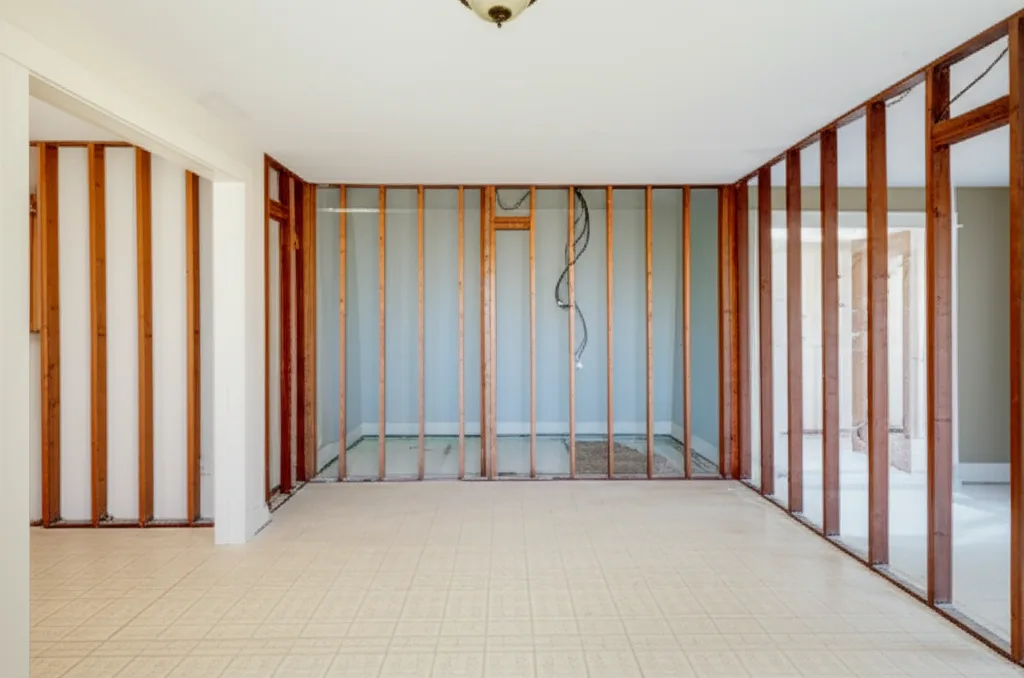
2 WeeksThe most physically dramatic phase of the project. All existing finishes are removed: cabinets, countertops, flooring, tile, fixtures, and drywall (in a gut renovation). A whole-home demo generates significantly more debris than a single-room project — expect two to four 30-yard dumpster loads over the course of the demolition. Dust barriers and negative air pressure systems are deployed to contain airborne particulates.
In older Boise homes — particularly those built before 1980 in the North End, Bench, Vista, and Collister neighborhoods — hazardous material testing is conducted before demolition begins. If asbestos is found in flooring, ceiling texture, pipe insulation, or drywall compound, licensed abatement contractors remove it following Idaho Department of Environmental Quality (DEQ) protocols. Lead paint, if present, requires EPA RRP-certified containment procedures. Knob-and-tube wiring, while not hazardous, must be fully removed and replaced before new insulation can be installed. Abatement can add 3 to 7 days to the demolition phase.
- Full interior strip-out to studs
- Asbestos and lead paint testing
- Licensed abatement if hazardous materials found
- Debris removal (2–4 dumpster loads)
- Hidden condition identification and documentation
- Utility protection and temporary service setup
Weeks 3–4: Structural Work, Framing & Rough-In
2 WeeksWith the house stripped to its skeleton, structural modifications begin. Load-bearing wall removal requires temporary shoring, engineered beam installation (LVL or steel), and new support posts per the structural engineer's specifications. Door and window openings are reframed. Any layout changes — relocating a bathroom, expanding a closet, creating a laundry room — are framed at this stage.
Simultaneously, licensed tradespeople begin rough-in work. Plumbers run new supply lines (PEX in most Boise homes) and ABS or PVC drain lines to all fixture locations. Electricians pull new Romex, install junction boxes, run dedicated circuits for appliances (range, dishwasher, disposal, microwave, bathroom exhaust fans, HVAC equipment), and upgrade the electrical panel if needed — many older Boise homes have 100-amp panels that need upgrading to 200 amps to support modern loads. HVAC technicians install new ductwork, re-route existing runs, or install a new furnace and air conditioning system. Gas lines for ranges, fireplaces, and water heaters are run by licensed gas fitters.
- Load-bearing wall removal and beam installation
- New framing for layout changes
- Rough plumbing (PEX supply, ABS/PVC drain)
- Electrical rewire and panel upgrade
- HVAC ductwork and equipment installation
- Gas line installation
Weeks 5–6: Insulation, Drywall & Rough Inspections
2 WeeksBefore walls are closed up, Ada County inspectors conduct rough inspections for framing, electrical, plumbing, mechanical, and gas. All rough work must pass inspection before proceeding — failed inspections require corrections and re-inspection, which can add 2 to 5 days. Scheduling inspections efficiently across multiple trades is a key project management skill for whole-home projects.
Once inspections pass, insulation is installed. Boise's climate zone (Zone 5B) requires minimum R-21 in exterior walls and R-49 in attic spaces per the Idaho Energy Conservation Code. Spray foam, blown-in cellulose, and fiberglass batts are all common in Boise homes, each with different cost and performance profiles. After insulation inspection, drywall is hung throughout the home, taped, mudded (typically three coats of joint compound), and sanded. In a whole-home project, drywall alone can require 5,000 to 10,000 square feet of material. Texture matching to any existing walls that remain is completed here.
- Ada County rough inspections (all trades)
- Insulation installation per Zone 5B code
- Drywall hanging, taping, mudding, sanding
- Texture matching and priming
Weeks 7–10: Cabinets, Tile & Flooring
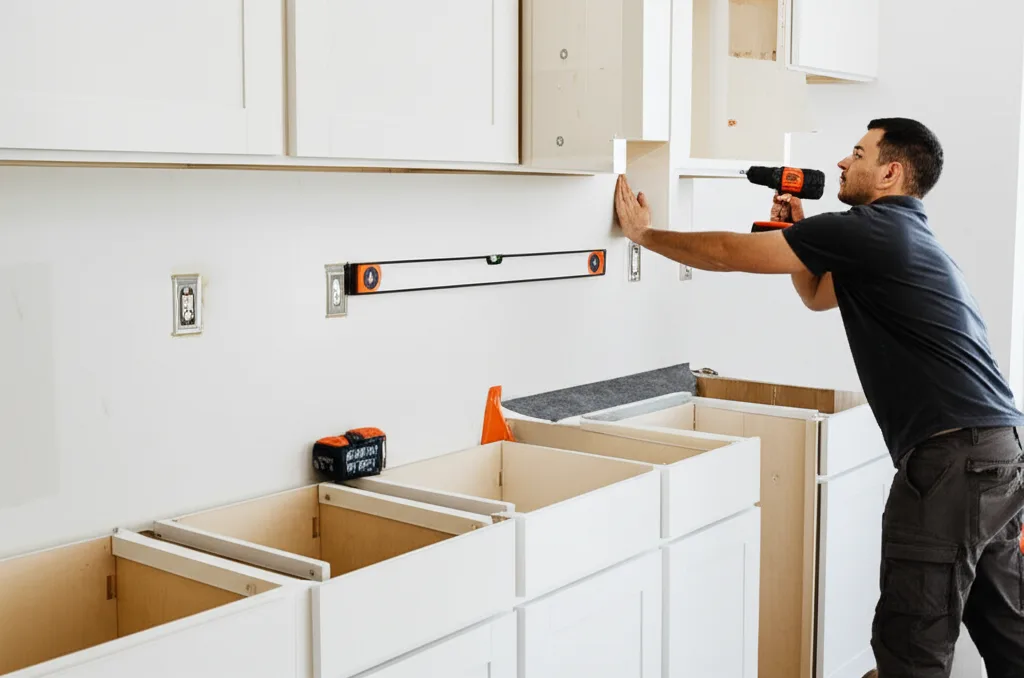
4 WeeksThis is the phase where the home begins to take visual shape. Kitchen cabinets are installed first — uppers, then bases — leveled, shimmed, and secured to wall studs. Bathroom vanities, laundry room cabinetry, and any built-in units (mudroom cubbies, home office desks, media centers) are installed simultaneously or in close sequence. A whole-home project may involve five to ten separate cabinet installations across different rooms.
Tile work runs in parallel: bathroom floor and wall tile, shower surrounds, kitchen backsplash preparation (backsplash is installed after countertops), and any accent tile throughout the home. Each tiled surface requires setting, grouting, and curing time. Flooring installation follows — LVP, engineered hardwood, or carpet is laid in bedrooms, living areas, and hallways. Transition strips and thresholds are installed where materials change between rooms. The sequencing of flooring relative to cabinets depends on the material and is determined during the planning phase.
- Kitchen cabinet installation
- Bathroom vanity and built-in installation
- Bathroom tile (floors, walls, showers)
- Whole-home flooring (LVP, hardwood, carpet)
- Transition strips and thresholds
- Cabinet hardware installation
Weeks 11–14: Fixtures, Countertops, Trim & Paint
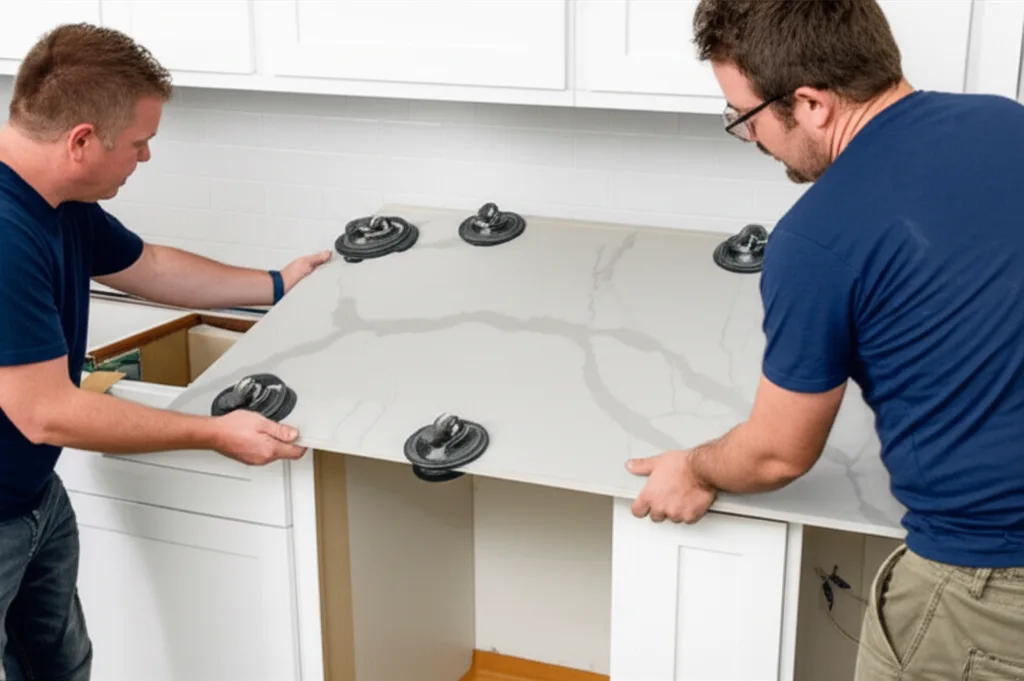
4 WeeksThe finish phase brings all the design selections together. Countertop fabricators laser-template kitchen and bathroom surfaces once cabinets are in place, then fabricate off-site (5 to 10 business days for quartz or natural stone). During the fabrication wait, other finish work proceeds: interior doors are hung, trim carpentry (baseboards, casing, crown molding) is installed throughout the home, and all surfaces are primed and painted.
Once countertops are installed, plumbing fixtures follow immediately: kitchen sink and faucet, bathroom sinks and faucets, toilets, and shower valves and trim. Electrical finish work includes light fixture installation, switch and outlet covers, undercabinet lighting, and bathroom exhaust fan commissioning. Appliances are set in place and connected — range, dishwasher, disposal, microwave, refrigerator, washer, and dryer. Kitchen backsplash tile is installed after countertops are in place to ensure a tight fit at the junction.
- Countertop templating and installation
- Plumbing fixture installation (all rooms)
- Electrical fixtures, covers, and commissioning
- Interior doors and trim carpentry
- Interior paint (walls, ceilings, trim)
- Kitchen backsplash tile
- Appliance installation and connection
- Mirror and accessory mounting
Weeks 15–16: Final Inspections, Punch List & Walkthrough
1 – 2 WeeksAda County inspectors conduct final inspections for all permitted work — electrical, plumbing, mechanical, gas, and building. A whole-home project typically requires four to six separate final inspections, which we coordinate to occur within a two- to three-day window. Once all inspections pass, we conduct an internal quality review before scheduling your walkthrough.
During the homeowner walkthrough, we review every room in detail. Cabinet doors and drawers are tested for alignment. Plumbing fixtures are run. Every light switch and outlet is confirmed operational. Paint touch-ups address any marks from installation work. Flooring transitions are inspected. Any items that do not meet our standards or your expectations are added to a punch list and addressed before the project is formally closed. A thorough professional cleaning of the entire home completes the process. Appliance operation is demonstrated, warranty information is organized and delivered, and care instructions for all new surfaces and finishes are provided.
- Final inspections (4–6 trades)
- Internal quality review
- Homeowner walkthrough and punch list
- Final paint touch-ups and adjustments
- Professional deep cleaning
- Warranty documentation and care instructions
A whole-home remodel has more moving parts than any other residential construction project. Understanding the most common delay factors in the Boise market helps set realistic expectations and allows us to build proactive mitigation into the schedule.
City of Boise Permit Processing
The City of Boise Planning and Development Services department reviews all residential remodel permits for code compliance. Standard permits take 1 to 3 weeks for review. Projects involving structural modifications, additions, or ADU construction require more detailed plan review and may take 3 to 6 weeks. Incomplete or inaccurate plan submissions trigger revision requests that add another 1 to 2 weeks per cycle. Iron Crest submits thorough, code-compliant plans with every application to minimize review cycles and avoid delays.
Cabinet Lead Times
Custom and semi-custom cabinets are the longest lead-time item in a whole-home remodel, requiring 8 to 12 weeks from order to delivery. A typical whole-home project involves cabinetry for the kitchen, two to three bathrooms, laundry room, and potentially a mudroom or home office. Ordering all cabinetry during the design phase — well before demolition begins — is the single most effective strategy for keeping the project on the critical path. Stock cabinets ship in 1 to 3 weeks but offer fewer configuration and finish options.
Countertop Fabrication
Natural stone and quartz countertops require templating after cabinet installation, followed by 5 to 10 business days of fabrication. In a whole-home project, this includes kitchen countertops, bathroom vanity tops, and potentially a laundry room counter. Boise-area fabricators may have 3 to 4 week queues during peak season (April through September). Selecting slabs early and establishing a fabrication reservation during the design phase helps compress this timeline.
Appliance Backorders
A whole-home remodel involves significantly more appliances than a kitchen-only project: range, dishwasher, microwave, refrigerator, washer, dryer, bathroom exhaust fans, and potentially a second oven, wine cooler, or beverage center. Professional-grade units can have lead times of 4 to 16 weeks. We verify availability for every appliance during the design phase and recommend in-stock alternatives when specific models face extended backorder timelines.
Weather Impact on Exterior Work
If your project includes exterior components — siding, windows, concrete, or landscaping — weather becomes a significant schedule factor. Boise winters (December through February) bring freezing temperatures that halt concrete work and complicate exterior paint and siding installation. Spring rain events can delay siding and exterior paint. We sequence whole-property renovations so that interior work proceeds during weather-sensitive months and exterior work is scheduled for optimal conditions, typically April through November.
Discovery of Hidden Damage
Older Boise homes frequently conceal issues that only become visible during demolition: water damage and rot behind tile or under flooring, asbestos in flooring, ceiling texture, or pipe insulation, knob-and-tube wiring that must be fully replaced, galvanized steel pipes that have corroded internally, pest damage from termites or carpenter ants, and inadequate or missing structural members. A whole-home demo exposes every wall and floor, increasing the likelihood of discovering hidden conditions. Remediation can add 1 to 3 weeks depending on the scope. We build contingency into every whole-home schedule to absorb these discoveries without derailing the overall timeline.
One of the most consequential decisions in a whole-home remodel is whether to remain in the house during construction or relocate temporarily. Each approach has distinct timeline, cost, and lifestyle implications.
Phased Approach: Stay Home
The home is divided into zones and renovated one area at a time. You live in the unaffected zones while construction proceeds in the active zone. Once a zone is complete, you move into it and the next zone begins.
- Lose one zone at a time, not the entire home
- Maintain access to at least one bathroom and a temporary kitchen
- Adds approximately 20% to the overall timeline
- No temporary housing costs
- Dust, noise, and trade traffic are a daily reality
- Best for: single-story homes, smaller scope projects, budget-conscious homeowners
Full Move-Out: All Zones at Once
You vacate the home entirely, giving the construction team unrestricted access to every room simultaneously. This is the fastest path to completion and the approach we recommend for full gut renovations.
- All rooms renovated simultaneously for maximum efficiency
- Approximately 30% faster than a phased approach
- No daily disruption to your living environment
- Requires temporary housing ($2K–$8K depending on duration)
- Trades can work full days without occupant restrictions
- Best for: full gut renovations, families with young children, projects exceeding 12 weeks
Hybrid: Live on One Floor
For two-story homes, a hybrid approach renovates one floor at a time while the family occupies the other. This provides a middle ground between full displacement and the extreme disruption of living in an active construction zone.
- Maintain a full living space on the unaffected floor
- Dust and noise barriers installed at stairwell
- Timeline falls between phased and full move-out approaches
- No temporary housing costs if floor has a bathroom and kitchen access
- Two major transition days as you swap floors
- Best for: two-story homes, families who prefer to stay home
Temporary Housing Options in the Boise Area
If you choose to move out during your remodel, several options are available in the Boise market. Monthly rates vary by season and location.
Extended-Stay Hotel
$2,200–$3,800/mo
WoodSpring, Home2 Suites, and Residence Inn all serve the Boise market
Short-Term Apartment
$1,800–$3,200/mo
Furnished short-term leases available in most Boise apartment communities
Vacation Rental (Airbnb/VRBO)
$2,500–$5,000/mo
Monthly discounts available; best selection in Boise, Eagle, and Meridian
Family or Friends
$0
The most popular option among Boise homeowners we work with
When you start your remodel affects contractor availability, material pricing, and overall project duration. Boise's distinct seasons create clear advantages and disadvantages for different project scopes.
Best Months: October – February
Late fall and winter are the optimal window for launching a whole-home remodel in Boise. Since the majority of work is interior, weather has minimal impact on construction. Contractor availability is significantly better during these months because the exterior construction and new-build season (the primary revenue driver for most Boise contractors) slows during winter.
- Better contractor and trade availability
- Shorter material lead times (lower demand)
- More competitive pricing from subcontractors
- Interior work proceeds regardless of weather
- Project completes before summer entertaining season
Challenging Months: May – August
Late spring and summer are peak season for exterior construction and new home building in the Boise market. Skilled trades — especially electricians, plumbers, and framers — are in highest demand during these months. Starting a major interior remodel during peak exterior season can result in longer gaps between trade phases and reduced scheduling flexibility.
- Highest contractor demand and longest lead times
- Subcontractor pricing may be 10–15% higher
- Scheduling gaps between trade phases more common
- Exterior components delayed by heat and wildfire smoke
- Competing with new construction for trade availability
Strategic Timing for Whole-Property Renovations
If your project includes both interior and exterior work, the optimal strategy is to begin in late winter (February or March). Interior demolition, rough-in, and drywall proceed through late winter and early spring while temperatures are still too cold for exterior work. By the time interior work reaches the finish phase, the weather has warmed enough for exterior crews to begin siding, windows, concrete, and landscaping. This approach keeps both interior and exterior teams working in parallel rather than in sequence, compressing the overall timeline by 4 to 6 weeks compared to starting all work in summer. Material pricing also benefits: lumber, concrete, and siding materials tend to cost 5 to 10 percent less during late winter orders compared to peak-season pricing.
A whole-home remodel involves dozens of trade professionals, hundreds of material deliveries, and multiple inspection milestones. Keeping all of these elements synchronized requires disciplined project management and proactive planning. Here is how we keep your project on track.
Dedicated Project Manager
Every Iron Crest whole-home remodel is assigned a dedicated project manager who owns the schedule from the first design meeting through the final walkthrough. Your PM is your single point of contact for all questions, decisions, and updates. They are on-site daily during active construction, coordinating trade arrivals, inspecting completed work, and resolving issues in real time. No trade works on your home without your PM's coordination.
Critical Path Planning
Before construction begins, we build a detailed critical path schedule that identifies the longest lead-time items and maps every dependency. Cabinets, countertops, specialty fixtures, and custom windows are ordered first because they define the critical path. The construction sequence is then built around material delivery dates so that no phase is waiting for materials. We use construction management software to track every task, dependency, and deadline in real time.
Trade Scheduling & Sequencing
A whole-home remodel involves electricians, plumbers, HVAC technicians, framers, drywall crews, tile setters, flooring installers, cabinet installers, countertop fabricators, painters, and trim carpenters — all of whom must arrive in the correct sequence with no gaps between phases. We maintain long-term relationships with a stable roster of licensed, insured Boise-area trades and schedule them weeks in advance to ensure availability. When one trade completes their phase, the next trade is already confirmed for the following day.
Buffer Days & Contingency
Every Iron Crest whole-home schedule includes built-in buffer days at key transition points: after demolition (to address hidden conditions), after rough inspections (to allow for corrections), after countertop templating (to absorb fabrication variability), and before the final walkthrough (to complete punch list items). These buffers absorb minor delays without cascading impact to downstream phases. The result is a schedule that delivers on time even when individual phases encounter minor setbacks.
Weekly Homeowner Updates
You receive a written progress report every week that includes photos of completed work, a summary of what was accomplished, the plan for the coming week, an updated timeline showing any changes, and any decisions that need your input. For homeowners who have moved out during the remodel, these updates provide peace of mind and transparency. For those living in the home, they help you plan around upcoming disruptions like water shutoffs, flooring installation in living spaces, or high-dust phases.
Material Tracking & Delivery Coordination
A whole-home remodel involves dozens of separate material orders from multiple suppliers. We track every order from placement through delivery, confirming ship dates weekly and adjusting the construction schedule if delivery dates shift. Materials are delivered in the sequence needed for construction — not all at once. Staging deliveries prevents jobsite congestion and reduces the risk of damage to materials that would otherwise sit on-site for weeks before installation.
Common questions about whole-home remodel scheduling and timelines in the Boise area.
How long does a whole home remodel take in Boise?
A whole home remodel in Boise typically takes 12 to 24 weeks of active construction, depending on project scope. A phased interior refresh (kitchen, bathrooms, flooring, paint) runs 12 to 16 weeks. A full interior gut renovation takes 16 to 20 weeks. Whole-property renovations that include exterior work, structural changes, or additions can extend to 20 to 28 weeks or longer. Pre-construction planning, design, permitting, and material ordering add an additional 4 to 8 weeks before demolition begins.
What is the most common cause of delays in a Boise whole-home remodel?
Custom cabinet lead times are the single most common cause of schedule delays. Custom and semi-custom cabinets require 8 to 12 weeks from order to delivery, and a whole-home project often involves cabinetry for the kitchen, bathrooms, laundry room, and built-ins. Ordering all cabinetry during the design phase, well before demolition begins, is the most effective way to prevent delays. Other common delay factors include City of Boise permit processing (1 to 3 weeks), countertop fabrication queues, appliance backorders, and the discovery of hidden conditions like rot, asbestos, or outdated wiring during demolition.
Should I move out during a whole home remodel in Boise?
It depends on the scope and your tolerance for disruption. For a full interior gut renovation, most Boise homeowners choose to move out for the duration. Temporary housing costs range from $2,000 to $8,000 depending on duration and whether you rent a short-term apartment, an extended-stay hotel, or stay with family. A phased approach allows you to remain in the home by renovating one zone at a time, though this extends the overall timeline by approximately 20 percent. A hybrid approach where you live on one floor while the other is renovated is viable for two-story homes.
What is the best time of year to start a whole home remodel in Boise?
October through February is the optimal window for starting a whole home remodel in Boise. Interior work is unaffected by weather, contractor availability is typically better during the cooler months, and material lead times may be shorter. If your project includes exterior components (siding, roofing, windows, concrete), starting in late winter allows interior work to proceed immediately while exterior work is scheduled for the spring thaw. Avoid launching a major project in May through August, when Boise contractors are at peak capacity for exterior and new-construction work.
How does Iron Crest Remodel keep a whole-home project on schedule?
Every Iron Crest whole-home remodel is assigned a dedicated project manager who owns the schedule from design through final walkthrough. We use critical path planning to identify the longest lead-time items (cabinets, countertops, specialty fixtures) and order them first. Trade scheduling is coordinated so that electricians, plumbers, HVAC technicians, and finish carpenters arrive in the correct sequence with no gaps between phases. Buffer days are built into the schedule at key transition points to absorb minor delays without cascading impact. Homeowners receive weekly written updates with progress photos and an updated timeline.
Explore our complete library of whole-home remodeling guides for Boise homeowners.
Whole-Home Remodeling Service
Our full whole-home remodeling service overview
Whole-Home Remodel Cost Guide
Detailed pricing from $75K to $350K+
Kitchen Remodel Timeline
Phase-by-phase kitchen renovation schedule
Bathroom Remodel Timeline
Week-by-week bathroom renovation guide
ADU Construction
Accessory dwelling unit building in Boise
Get a Free Estimate
Request your personalized whole-home remodel quote
Ready to Start Planning Your Whole-Home Remodel?
Contact Iron Crest Remodel for a free consultation. We will walk you through the timeline for your specific project scope and help you plan around your schedule, your budget, and your living situation.